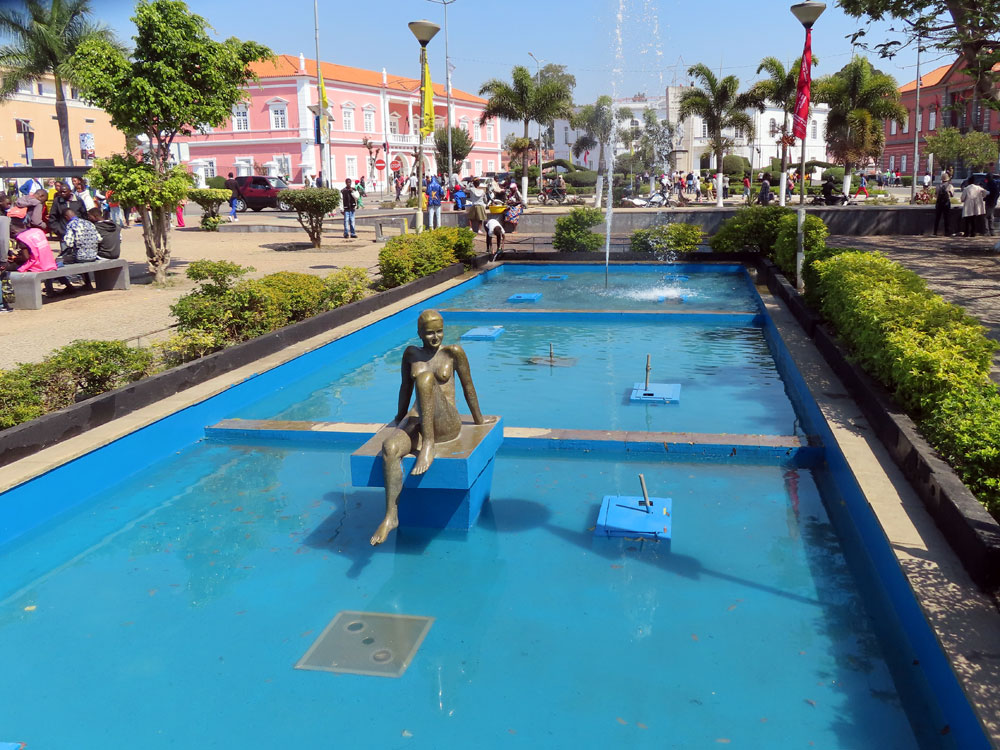
Kuíto, formerly known as Silva Porto, is a city and municipality in central Angola, capital of Bié Province. The municipality had a population of 450,881 in 2014. The city is projected to be the tenth fastest growing city on the African continent between 2020 and 2025, with a 5.56% growth rate.
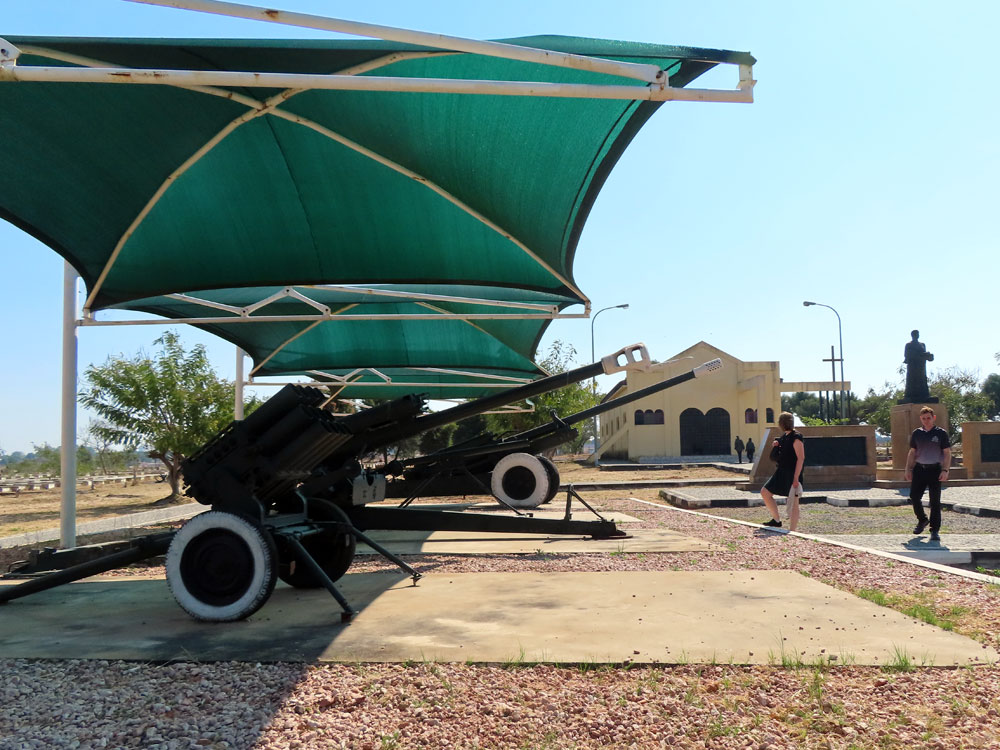
Kuíto had a long history of violence starting with the African slave trade and tribal warfare. Later in the 1960s the Portuguese used the town of Silva Porto as a training centre for training black Portuguese Army soldiers to send to Northern Portuguese Angola in order to fight the nationalist guerrillas, during the Portuguese Colonial War. After independence from Portugal in 1975, Kuíto saw its worst times on January 1993 when UNITA, during the Angolan Civil War, laid siege of the city for over 9 months and over 30,000 people were killed, both from war effects and starvation. Nobody was permitted to enter or leave the city for 9 months and the city suffered heavy damage. UNITA was eventually driven from Kuíto and a second attempt was made to capture the city in 1998 using huge artillery and tanks.
Aug 4 , Monday. Kuito Angola
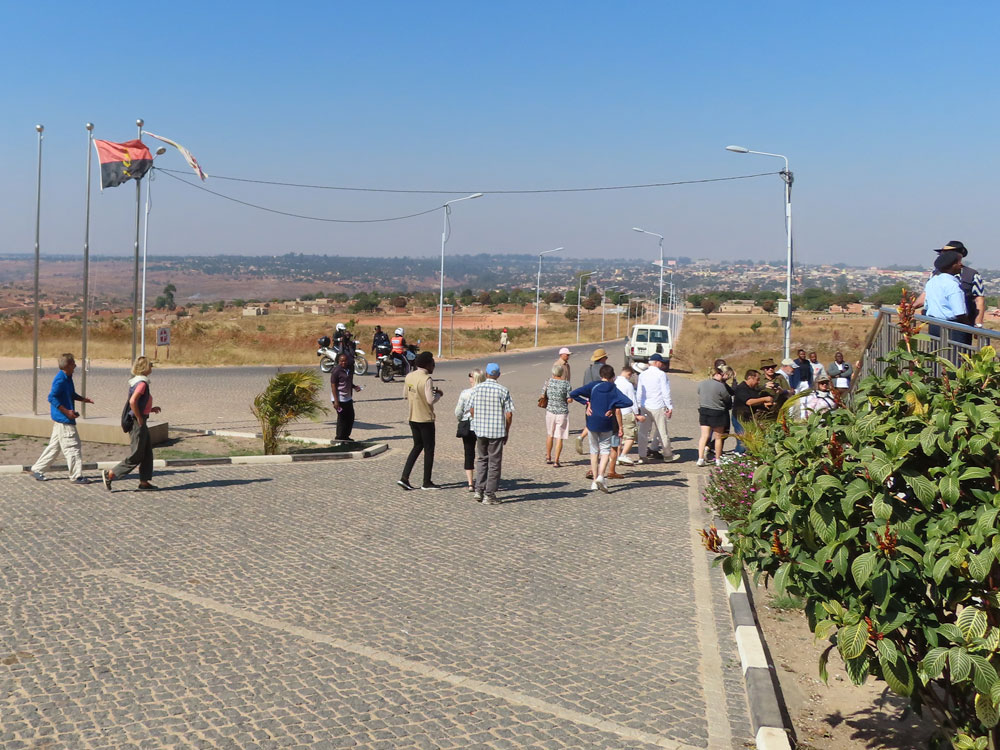
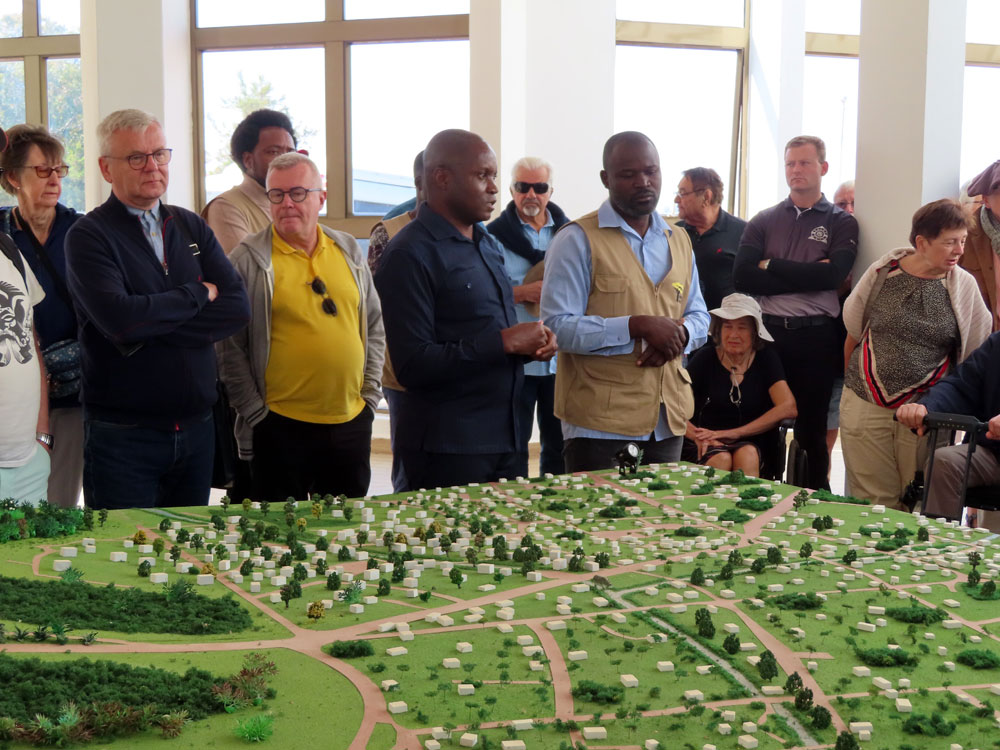
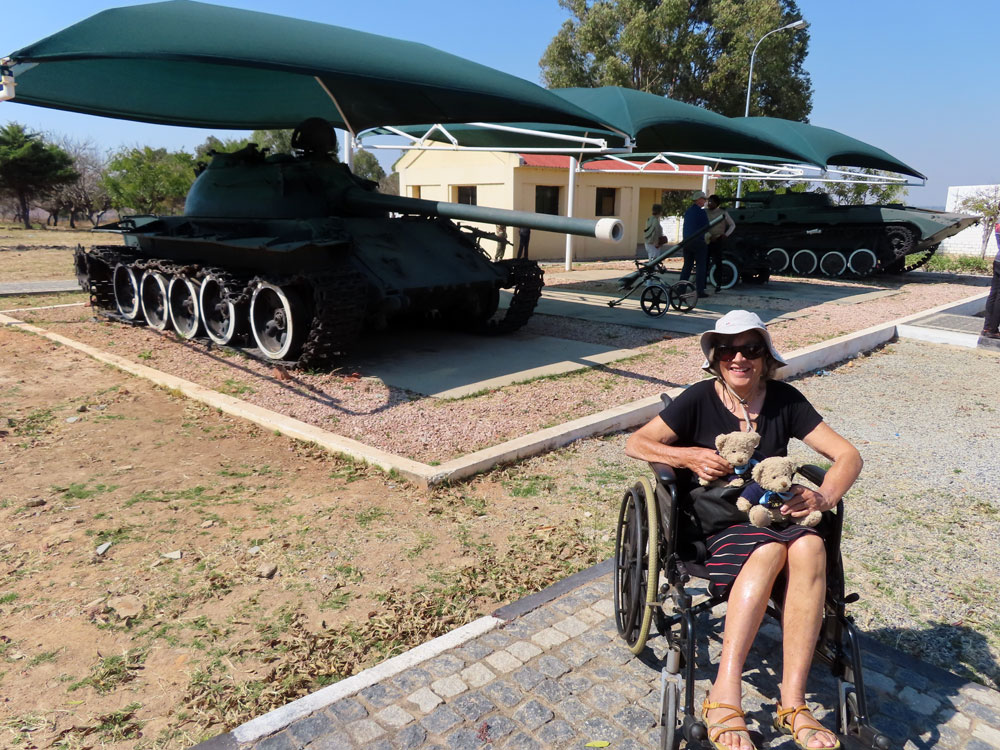
A 9 am start in Kuito where we boarded a bus which took us to the museum in a 15 minute drive. There I used a wheelchair to ease the pressure on my ankle and was driven around first by one of the waiters and then by David.
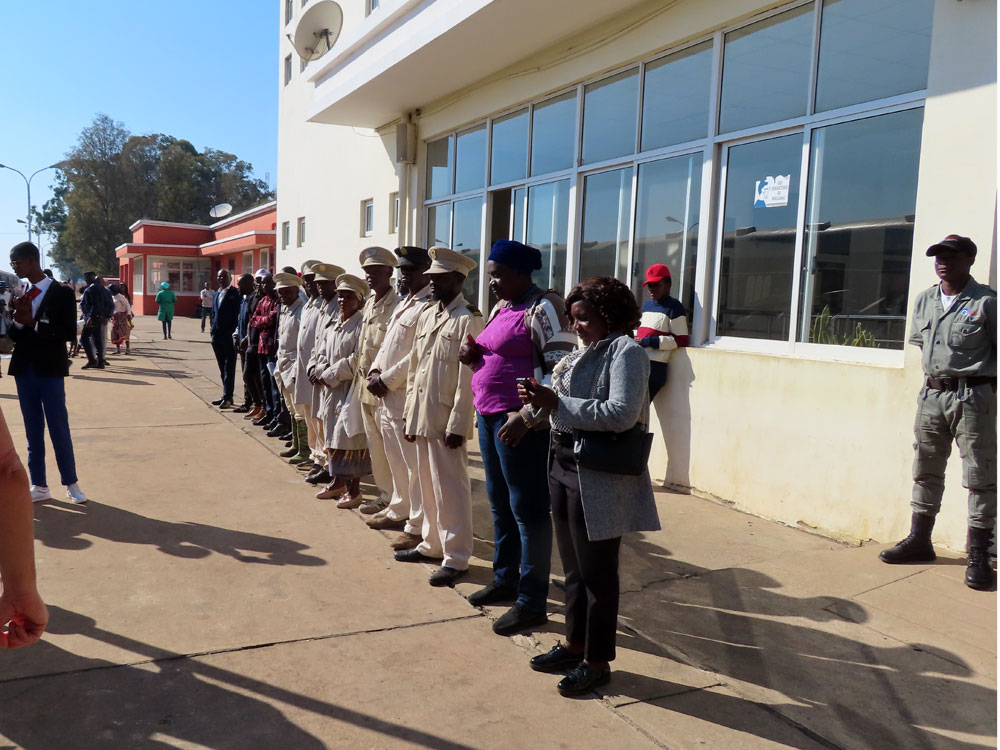
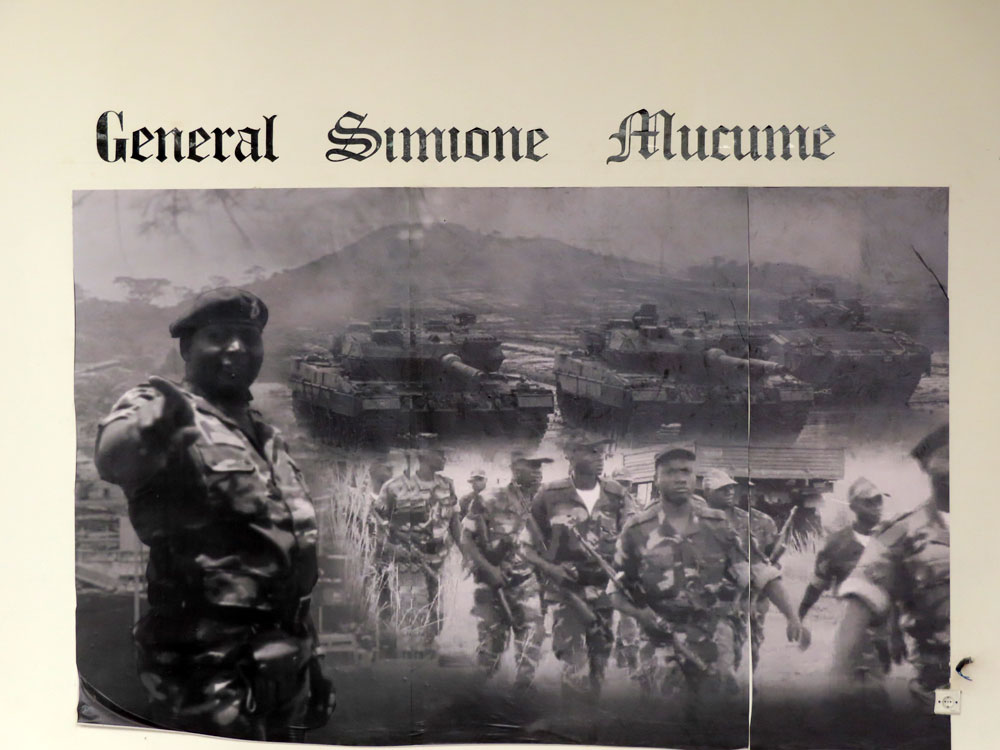
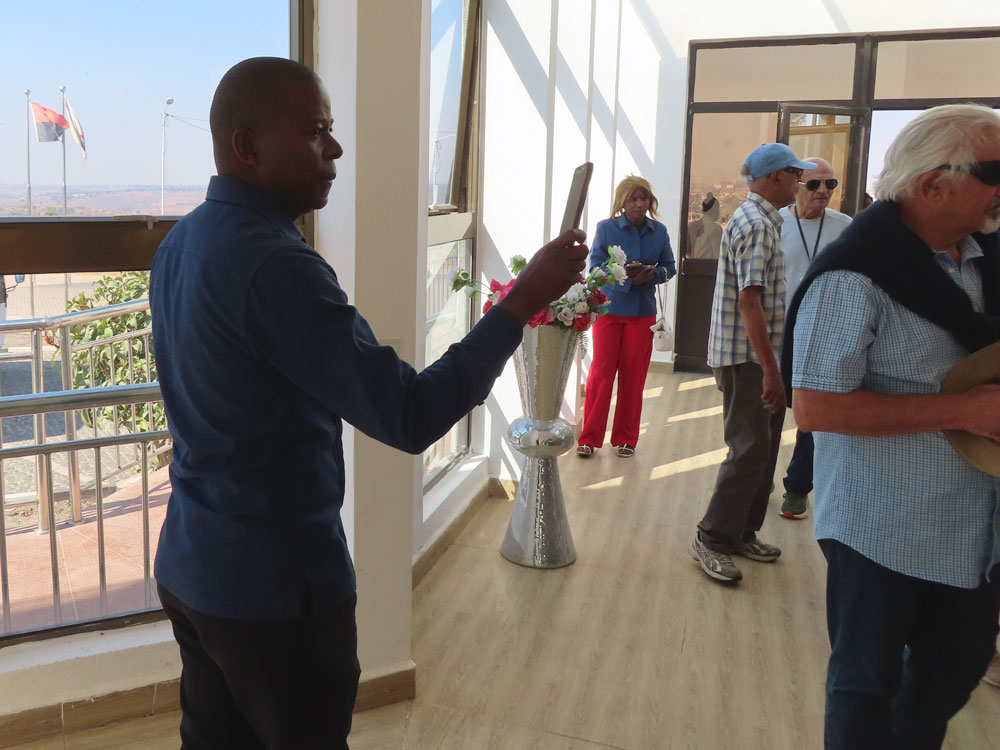
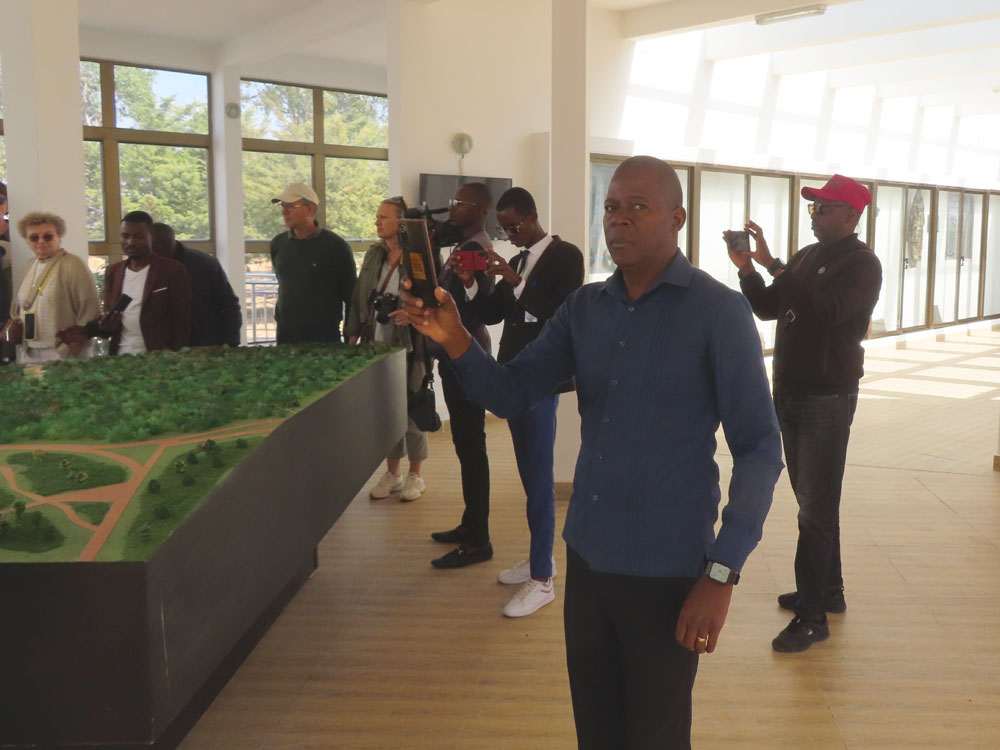
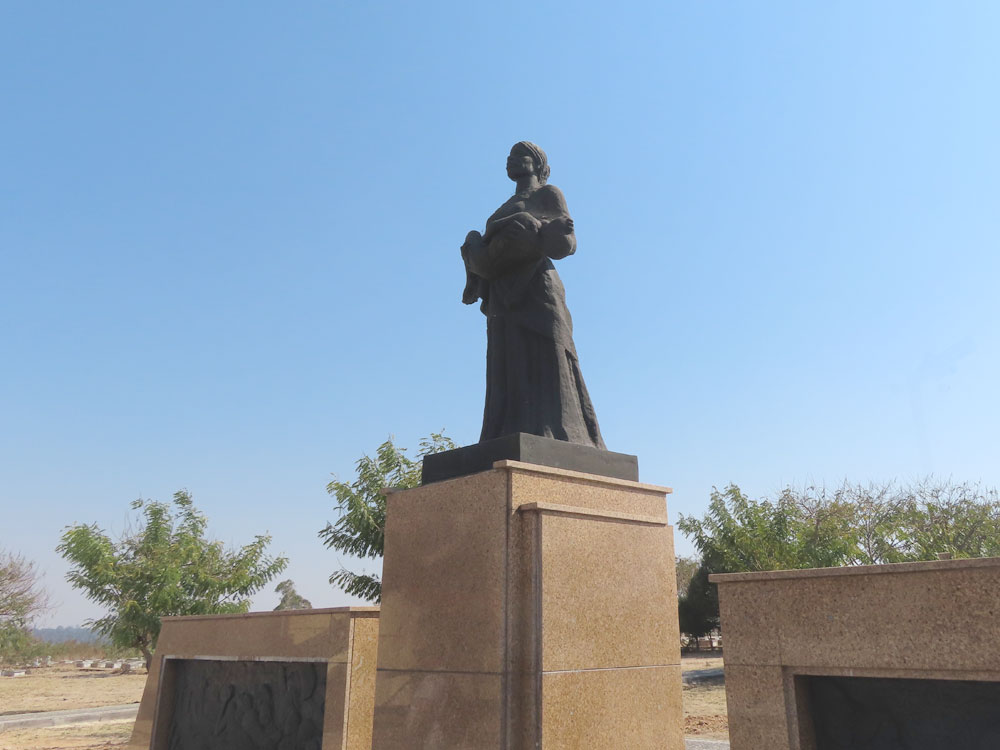
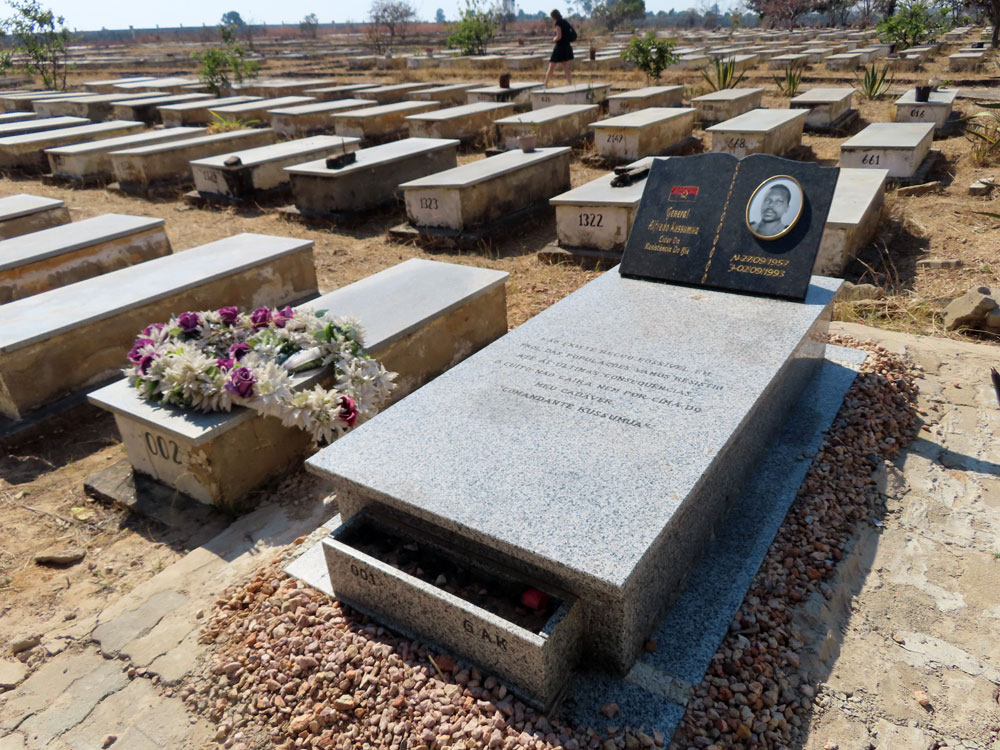
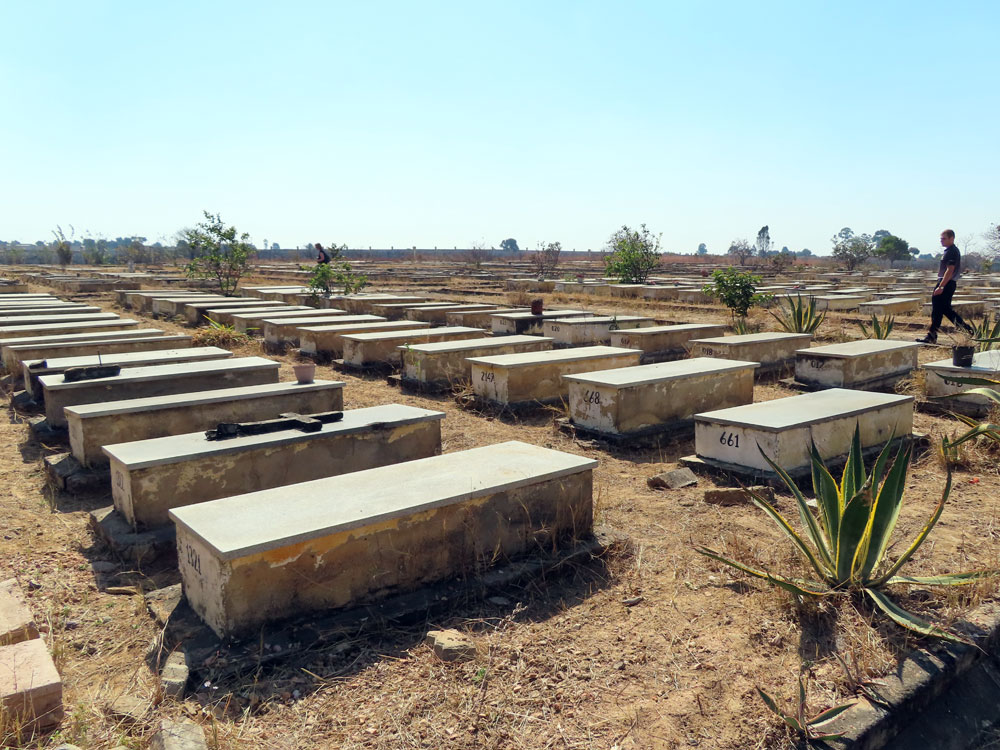
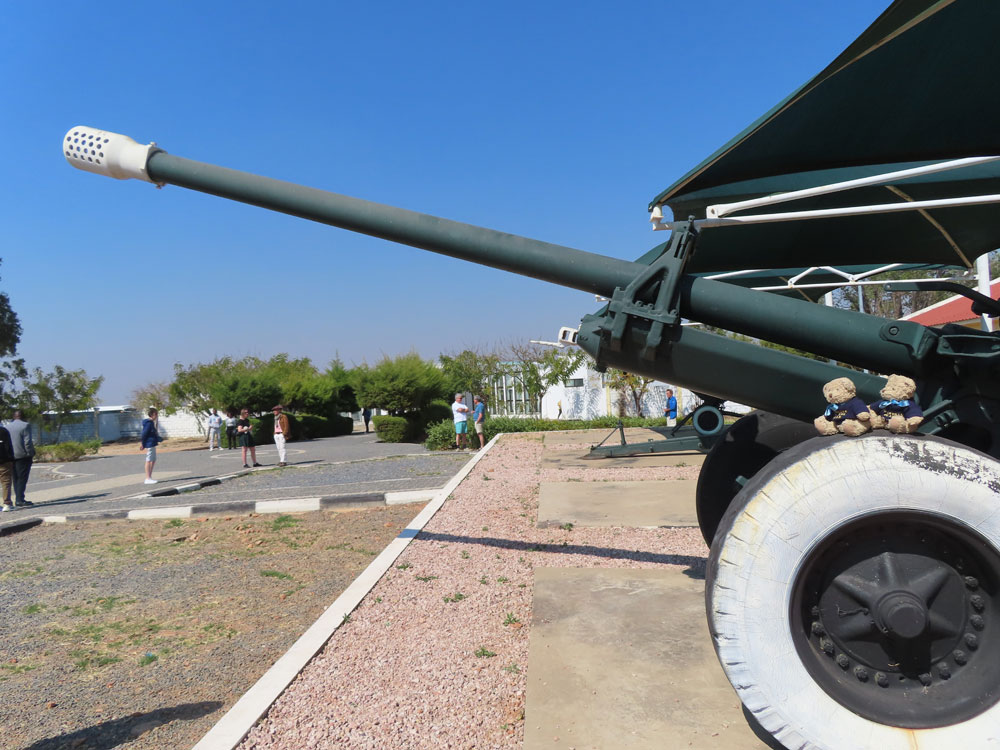
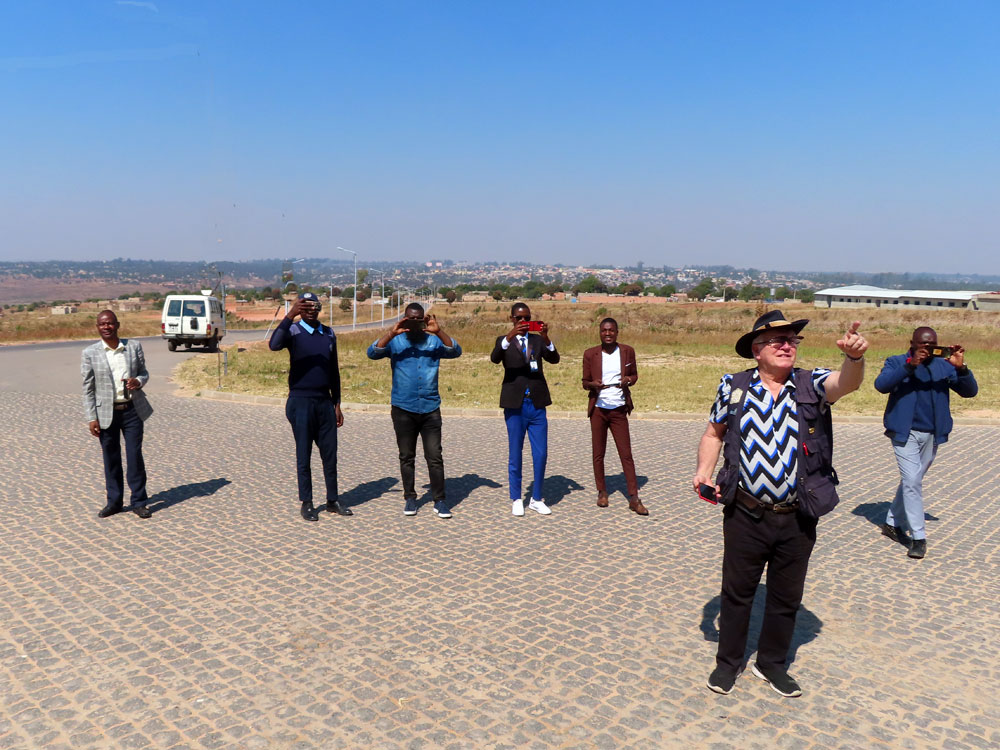
The museum was to commemorate the 7300 dead buried there as a result of the Angolan Civil War. The head of the museum insisted on giving us a talk on the museum and then that was translated by a none to coherent interpreter, which obviously took up far too much time. After going round the interior of the museum David took over my wheelchair and we went to see the graves and after this there was a group photograph taken on the steps.
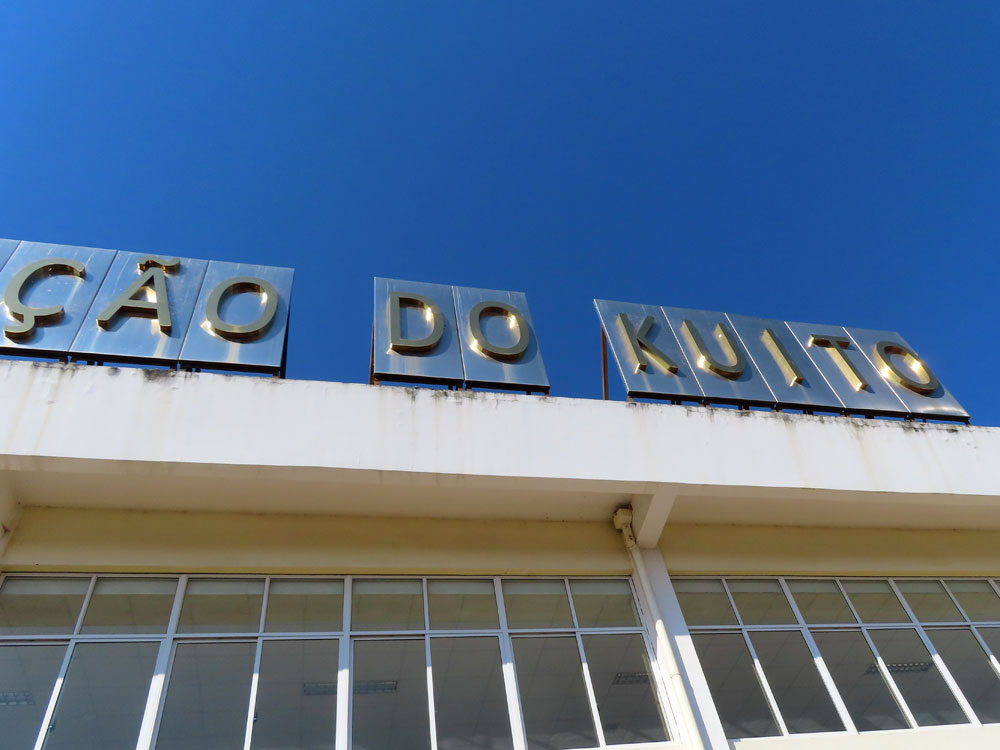
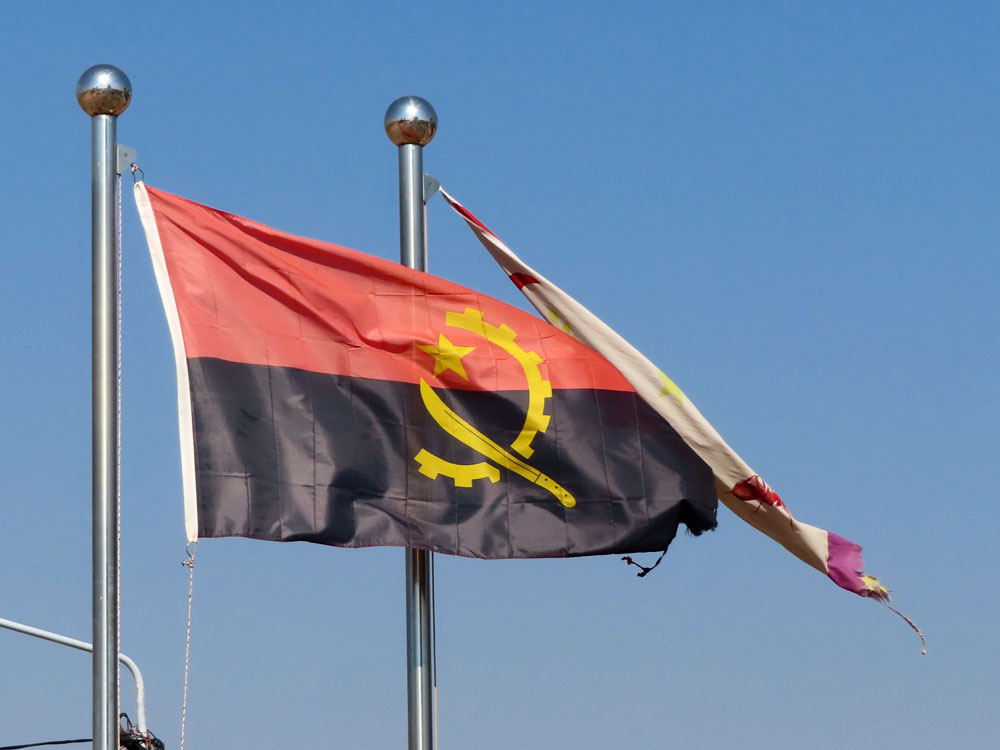
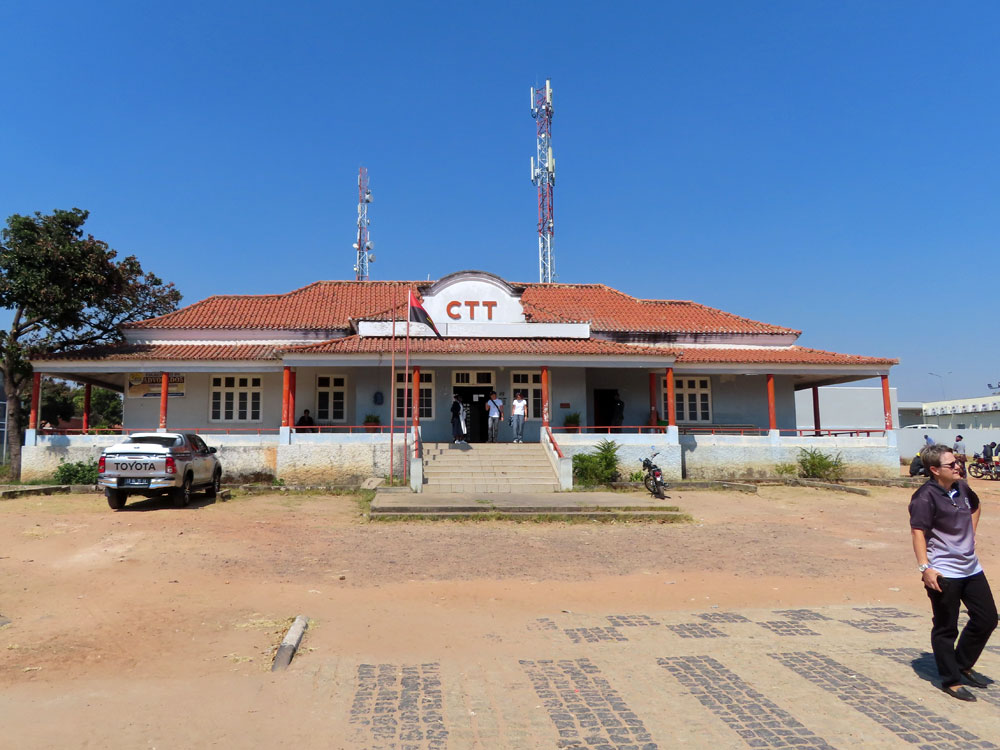
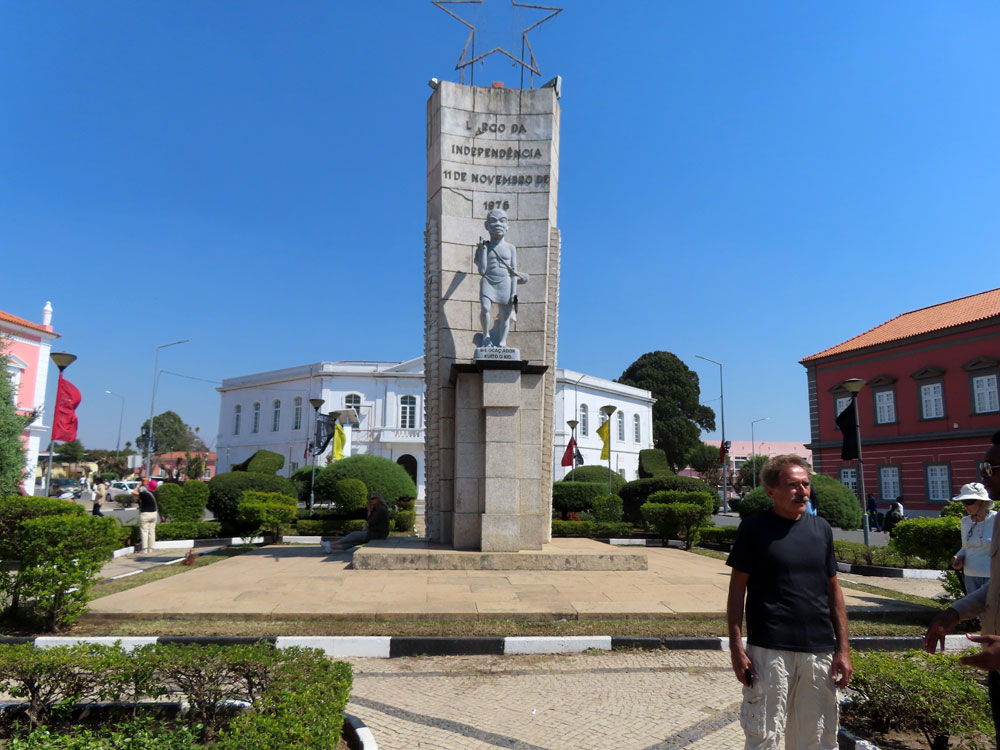
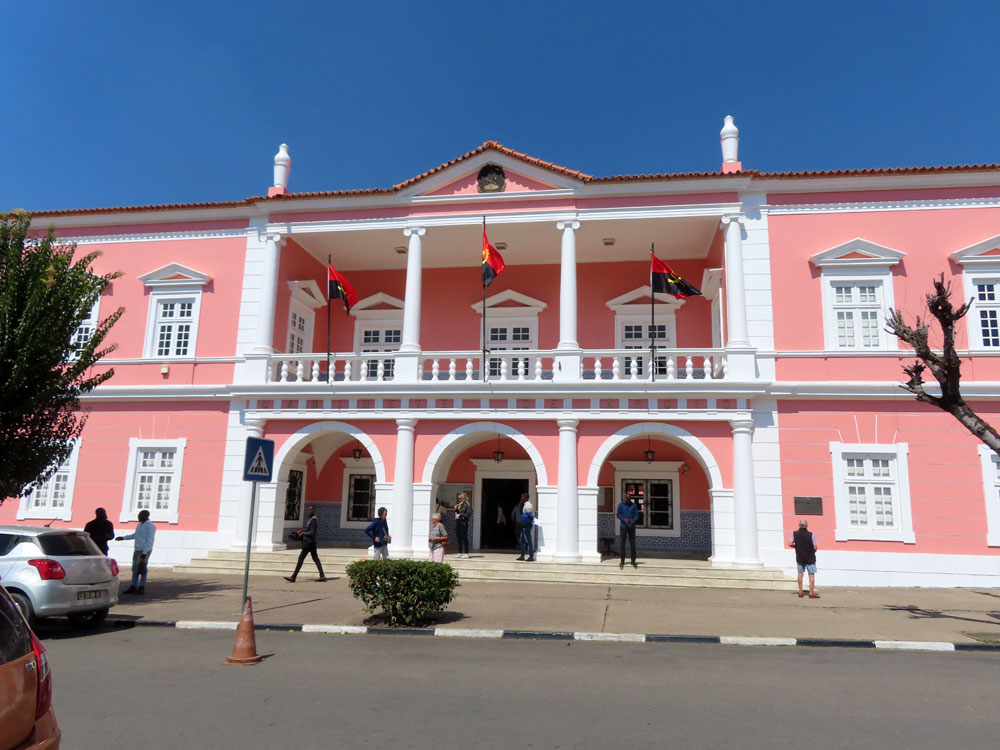
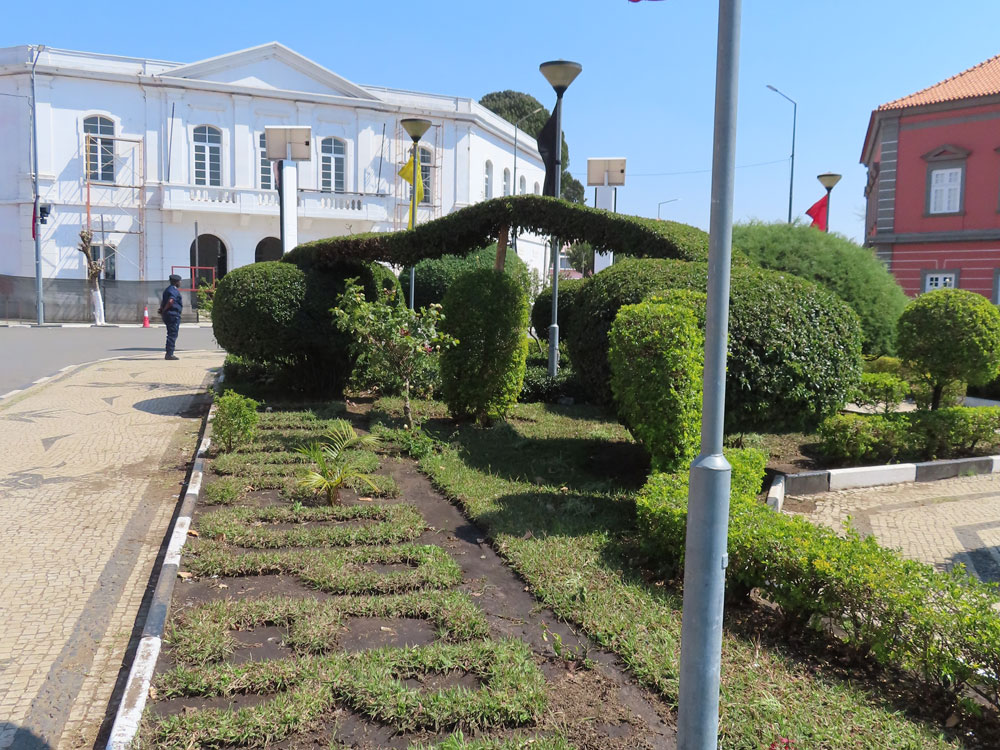
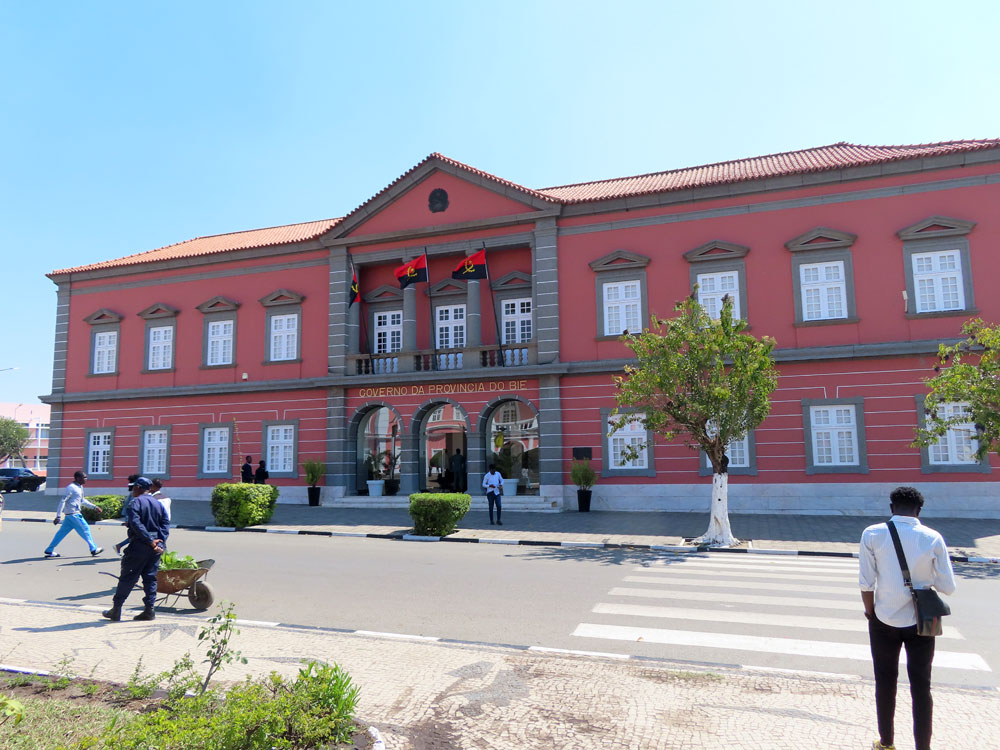
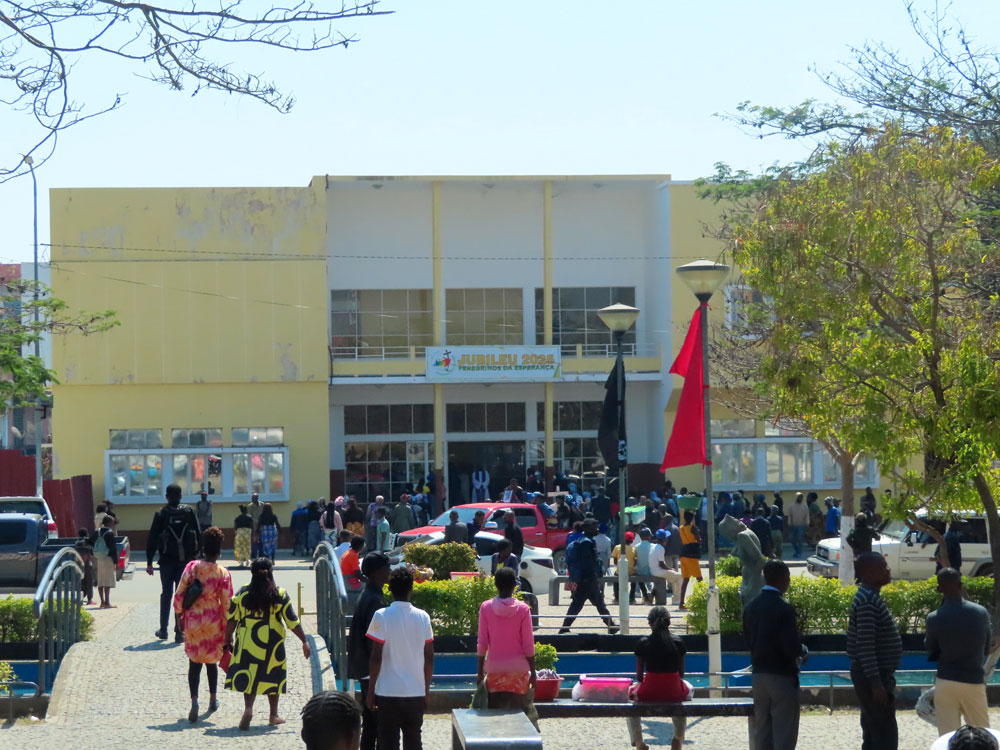
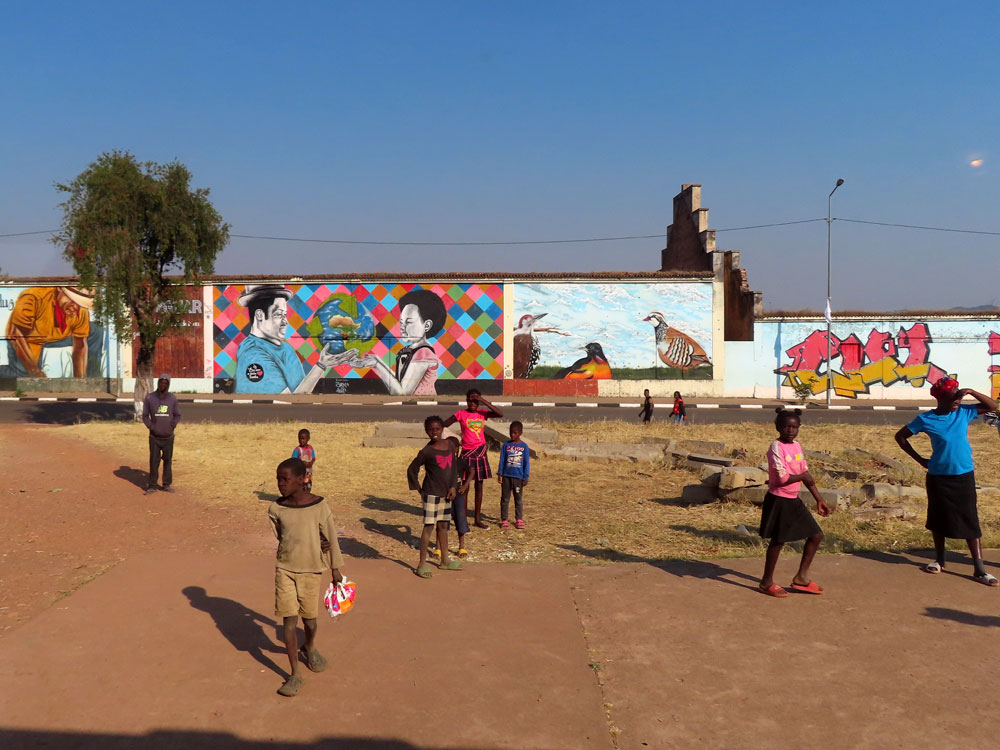
We then moved on to the city centre and had 30 minutes there. There was some very impressive buildings and we saw the local town hall and other municipal offices with several flags on. We got back to the station by 11 o’clock and spent the next two hours in the observation lounge.
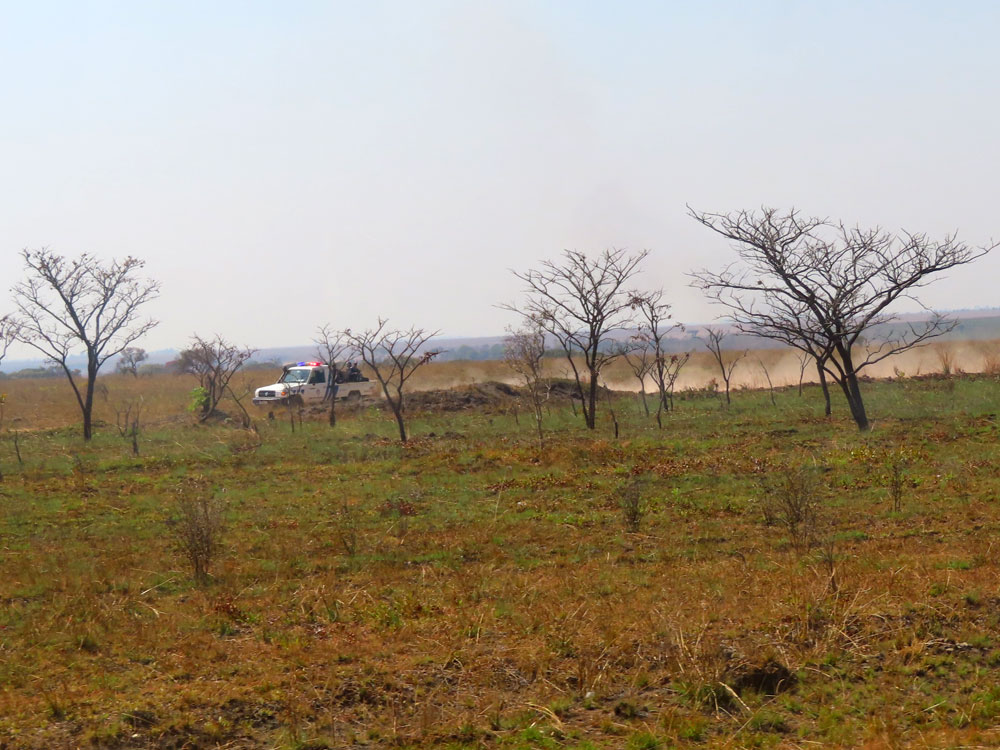
After lunch the scenery changed to vast open prairie and we passed several groups of 20 to 30 cows - the first farm animals that we had seen for days. It was the dry season, the rainy season being for nine months of the year here, and it did indeed look fairly dry.
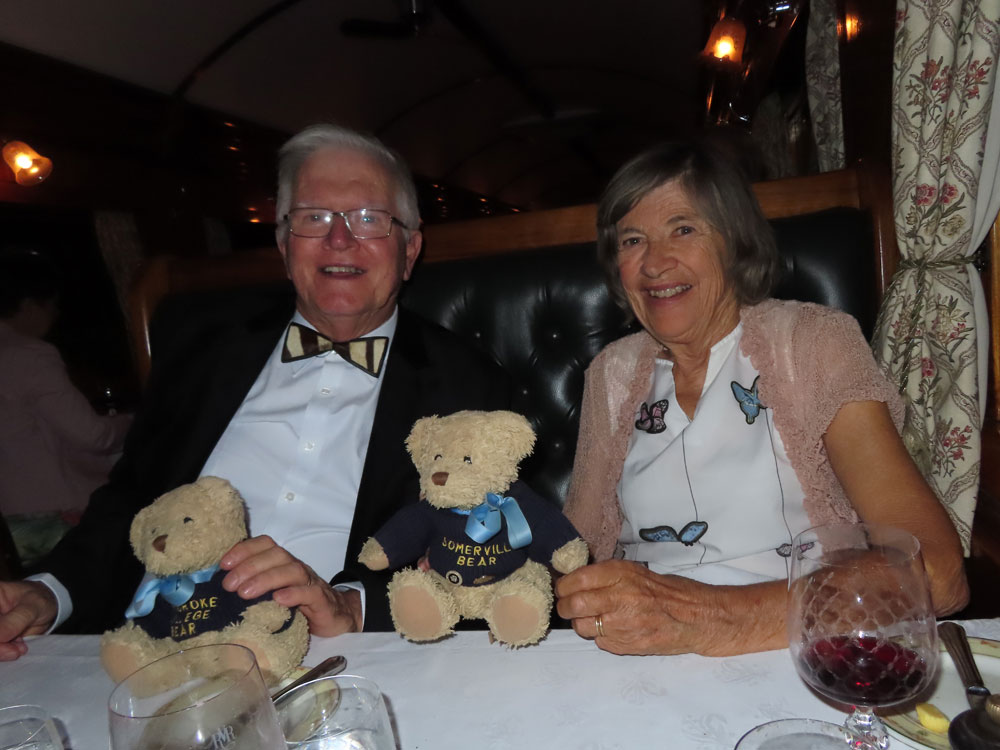
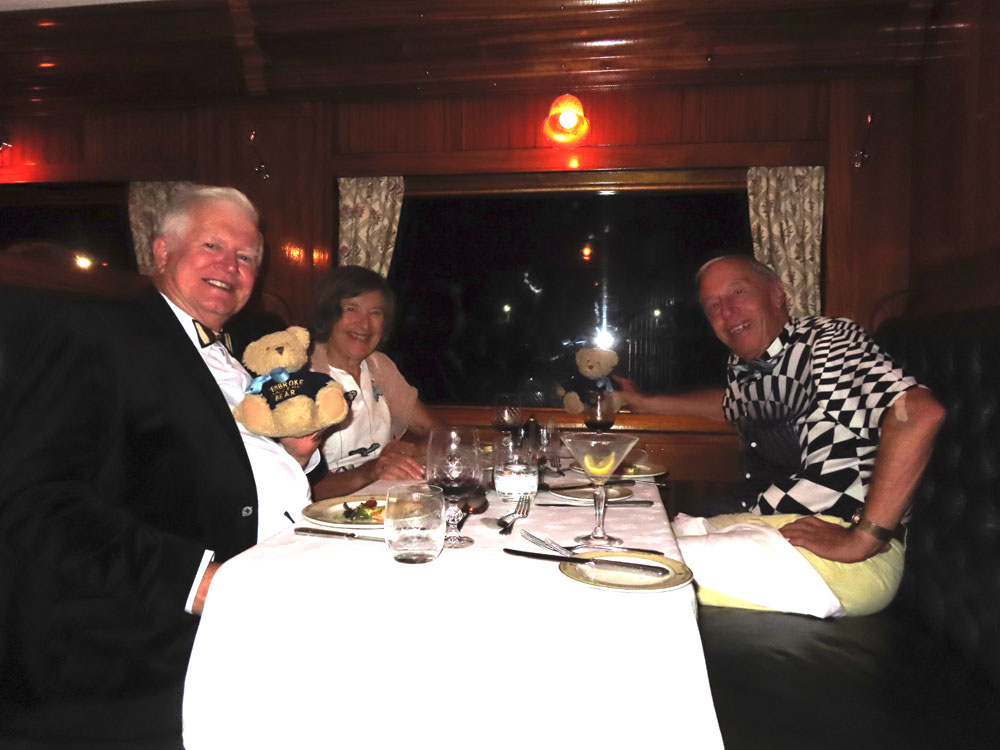
At 4 pm, we went for another talk by Nicholas supplemented by Tim on the number of deaths and disappearances of Congo and Angolan leaders. After this we sat until sundown in the middle observation car before returning to the cabin and getting very frustrated because there was no laundry list and this took ages to arrive and then Vivian thought it was all our fault that we had not got the laundry in on time and that we had no laundry or pressing list: quite fantastic that they have staff like this! Anyway, when we had sorted out the laundry with them went to the middle lounge for a nightly margarita and chatted to John and Carol Charlie (yes, that was their surname) and Glenda. Then we had dinner with Nicholas and this was really an interesting evening.
To get a larger photo, click on a thumbnail below
 |
 |
 |
 |
 |
 |
 |
 |
 |
 |
 |
 |
 |
 |
 |
 |
 |
|
 |
 |
 |
 |
 |
 |
 |
 |
 |
 |
 |
 |
 |
 |