
Wednesday Feb 4. Atta to Karanambu
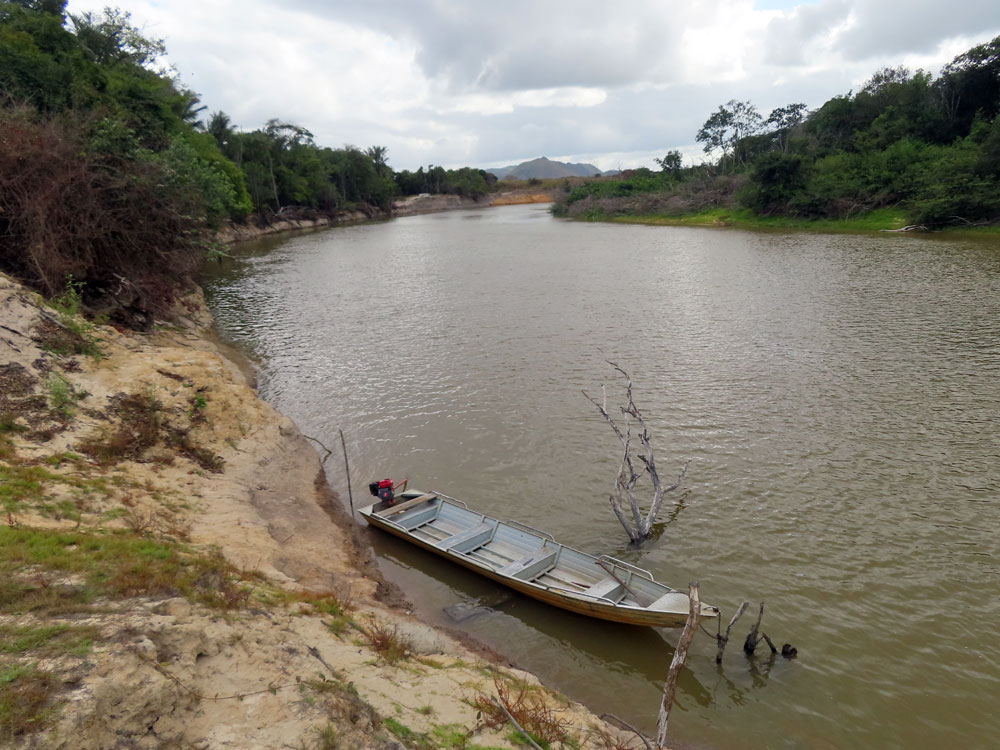
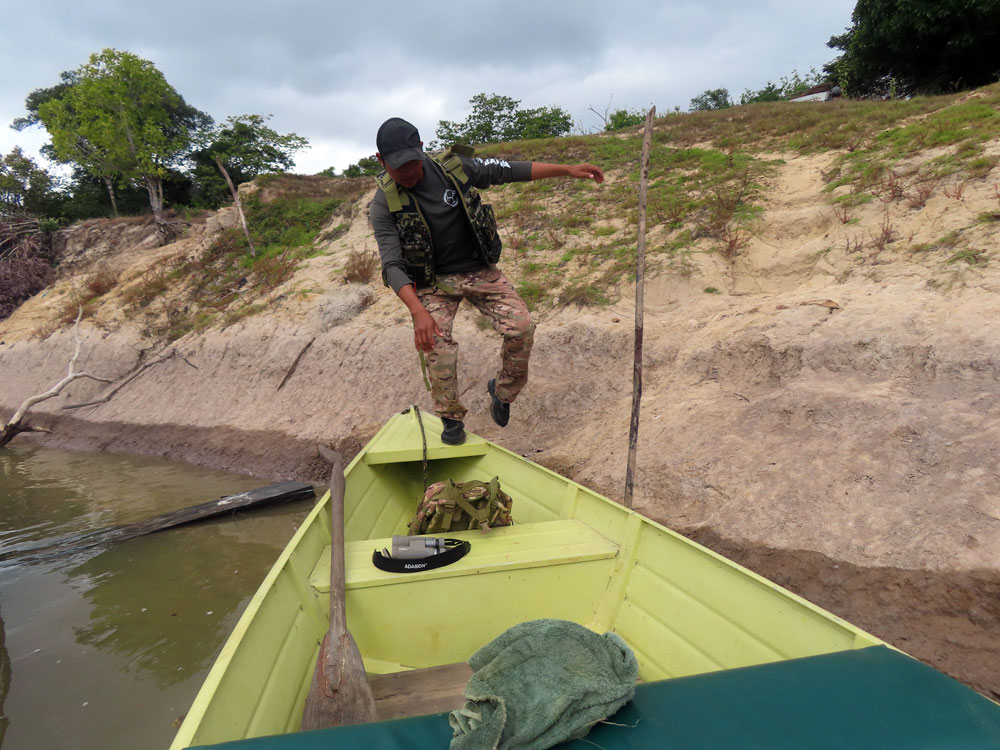
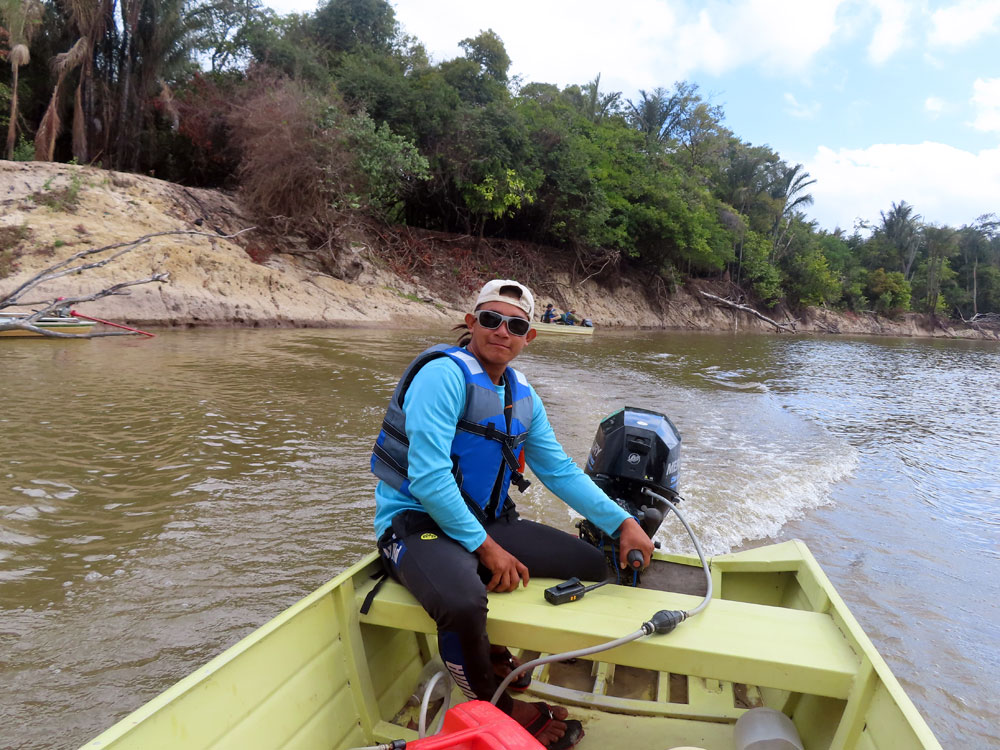
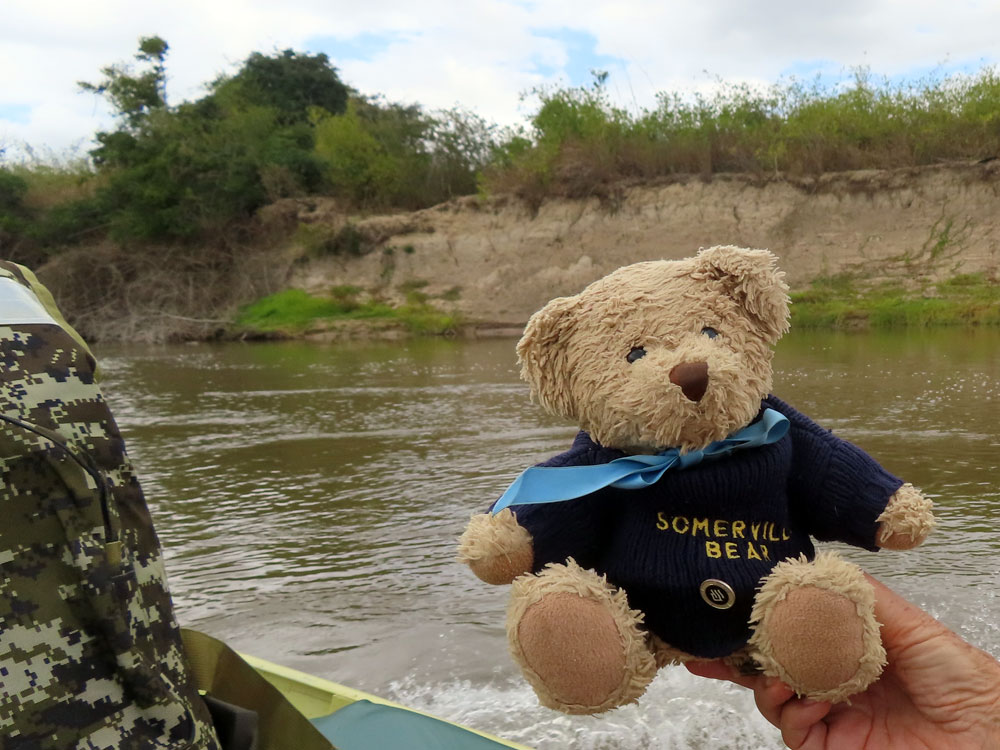
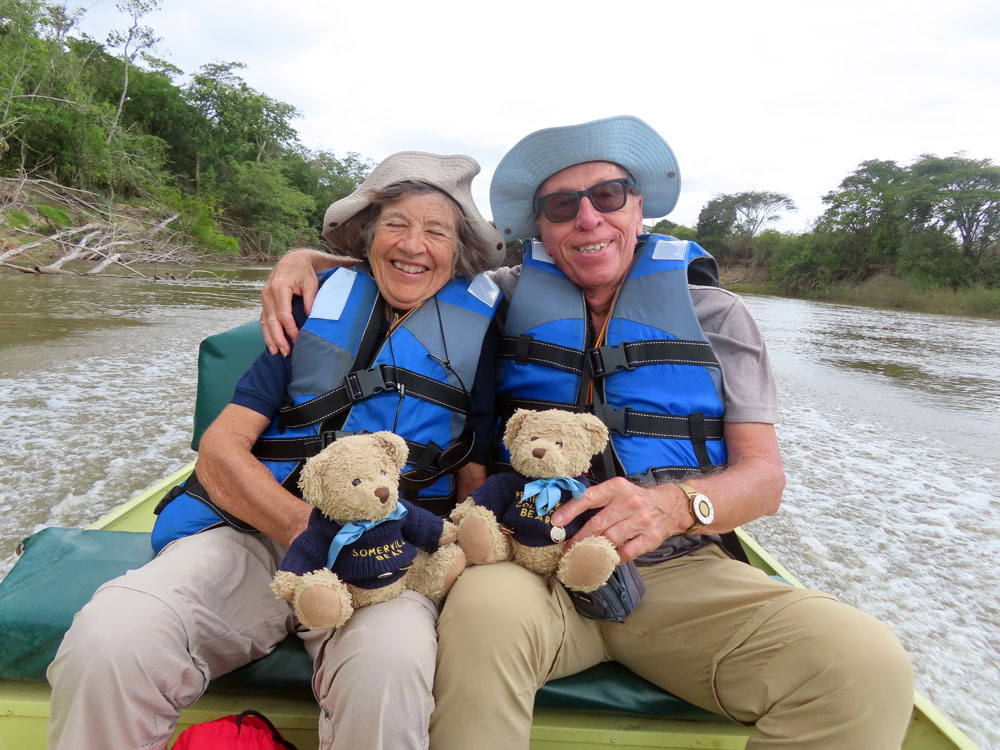
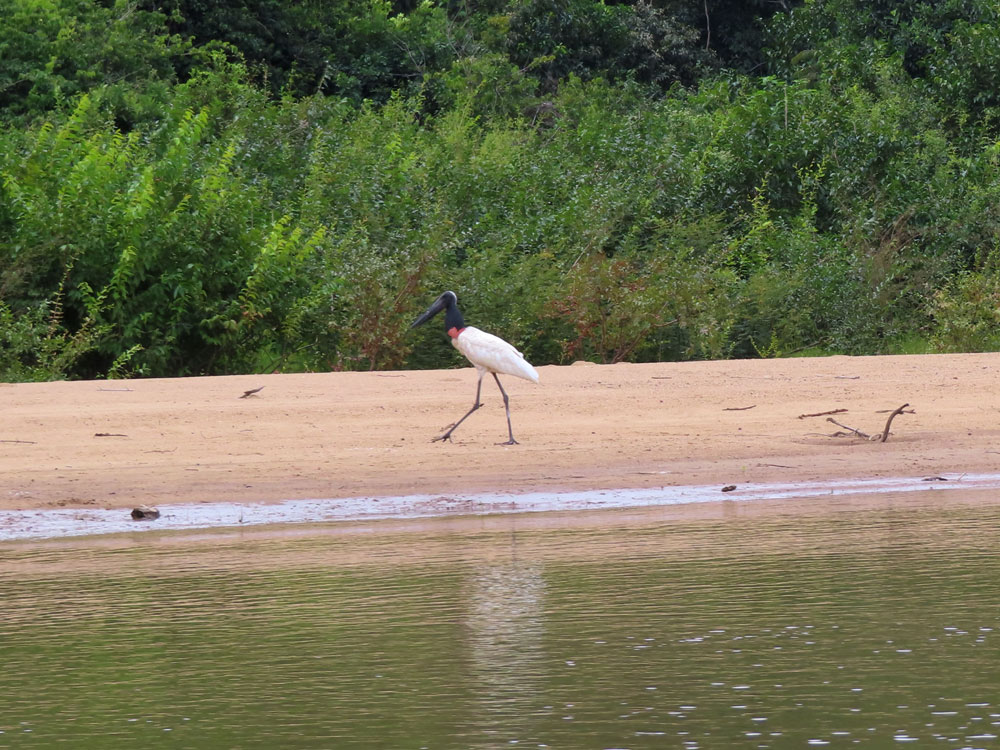
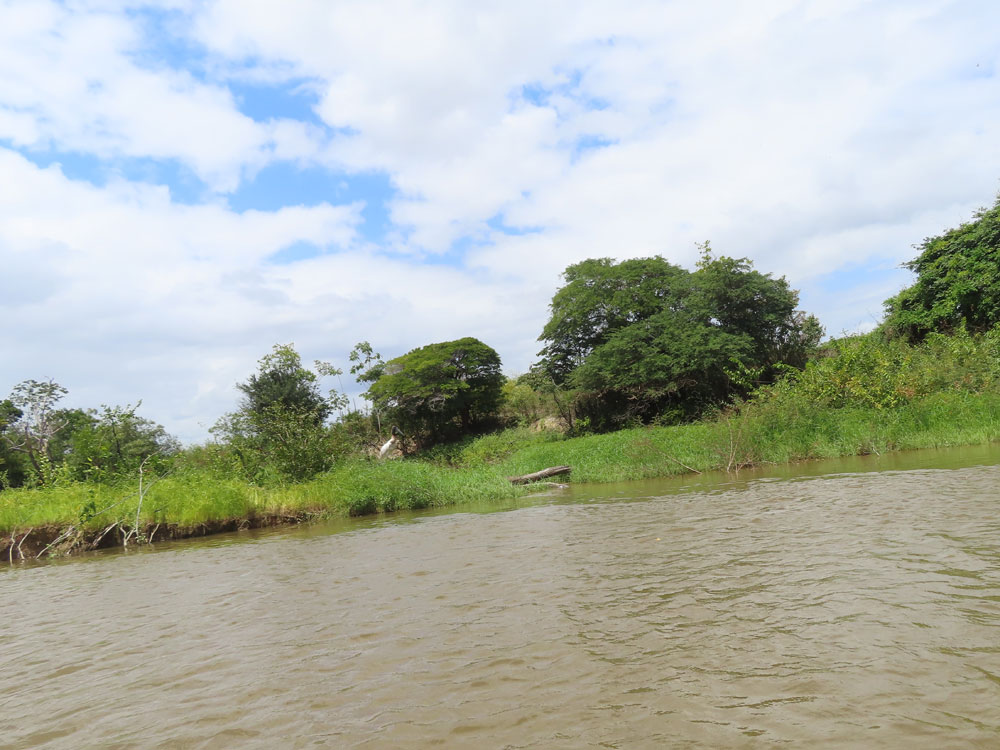
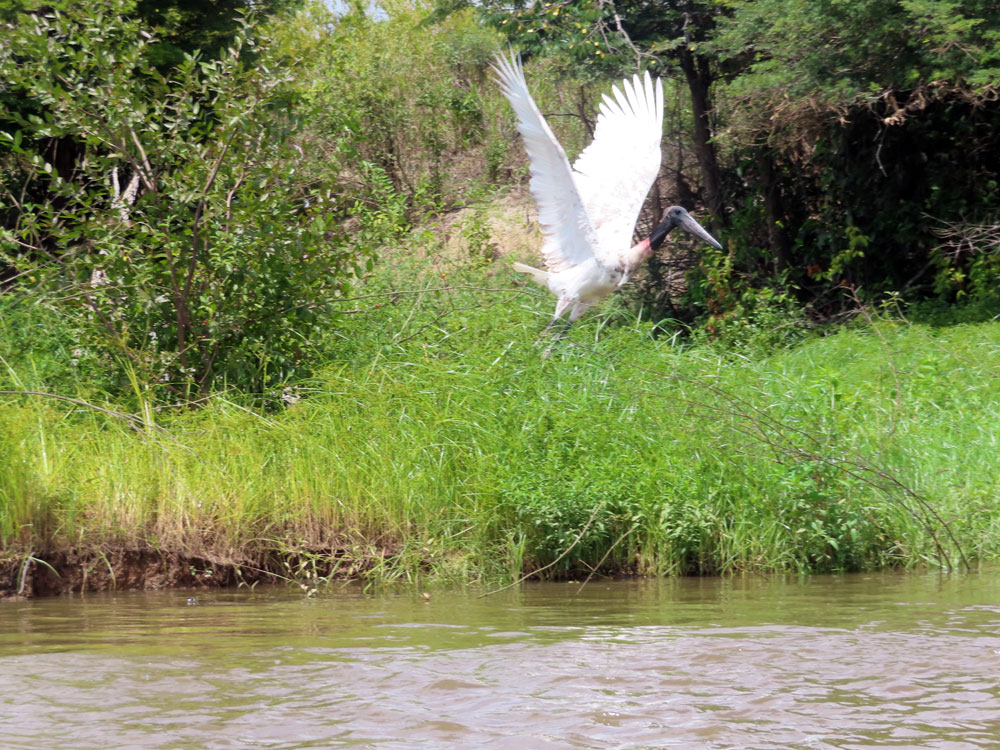
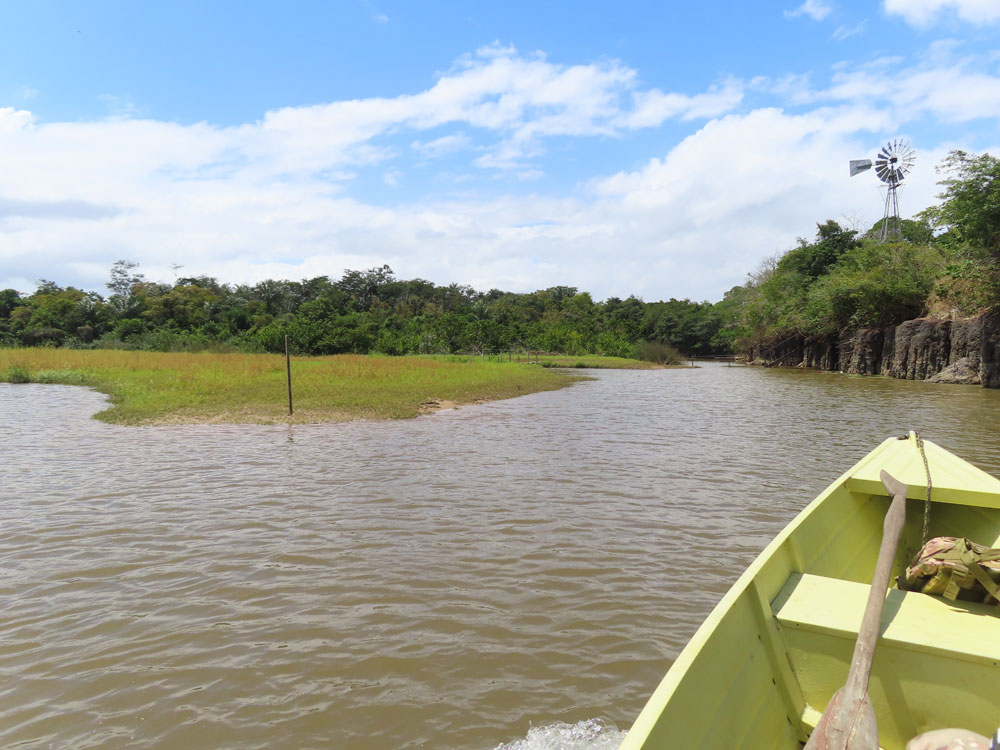
We left the Atta lodge by 08.30 in the van with Eric, an American, who arrived last night and will now be doing the same travelling as us until the end. Unfortunately, we managed to leave behind a pair of sunglasses and the adapter for the charging leads must be more careful in future. It was an hour and a half drive to Gonip Landing where we picked up a boat after a 15 minute wait to take us to our next lodge there was a boat for us and another for Eric. It was a pleasant ride along a wide river with practically no other traffic on it. We saw many herons, cormorants and a turtle.
Once at the new lodge landing there was a 10 minute walk to the lodge which had buildings spread out over a large area. We were given a very warm welcome by the owner, Melanie, whose husband‘s family had possessed the area for 120 years or so, and she had run the lodge for the last 10 years, mainly by herself , as her husband Eduardo was in Georgetown with their children where they were being educated.
Click on thumbnail photo below to get larger photo
 |
 |
 |
 |
 |
 |
 |
 |
 |
 |
 |
 |
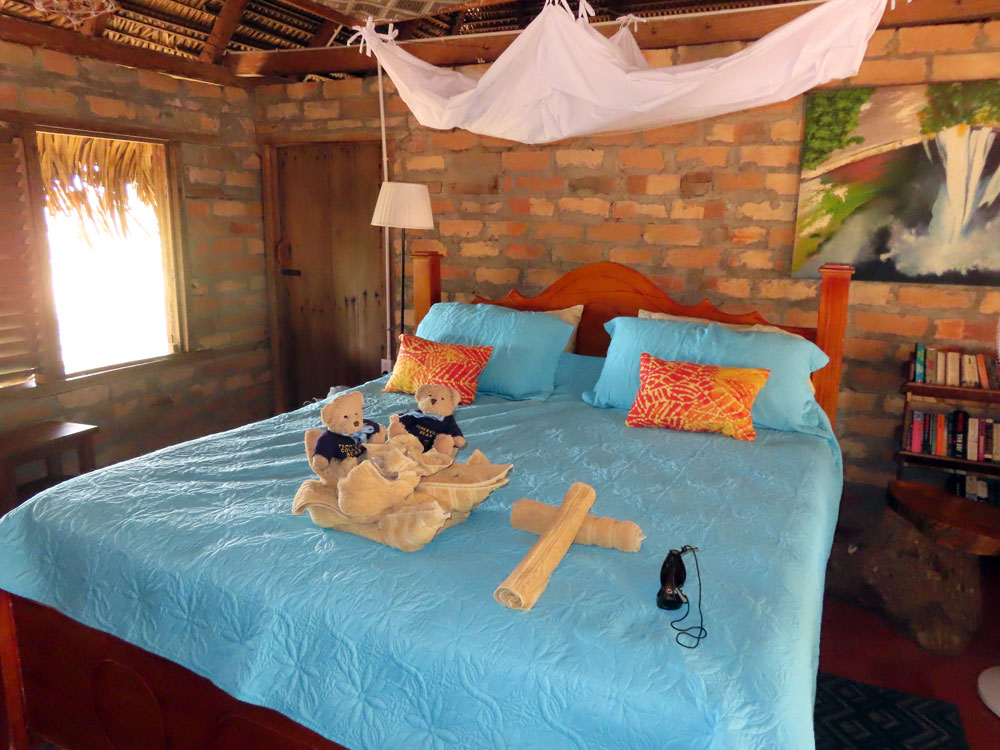
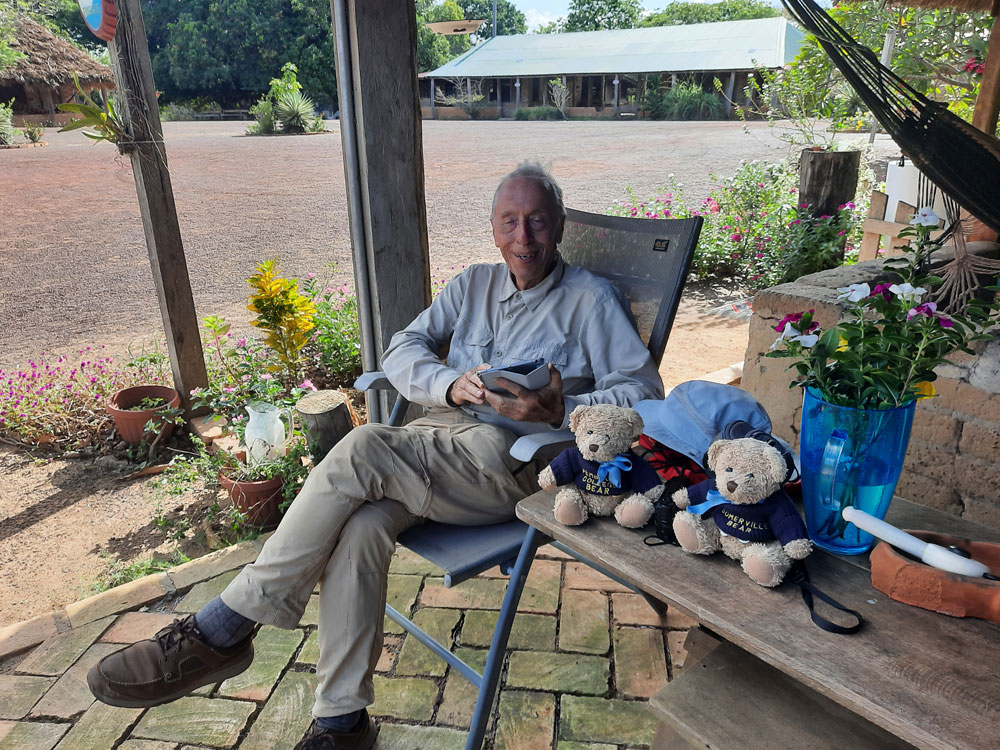
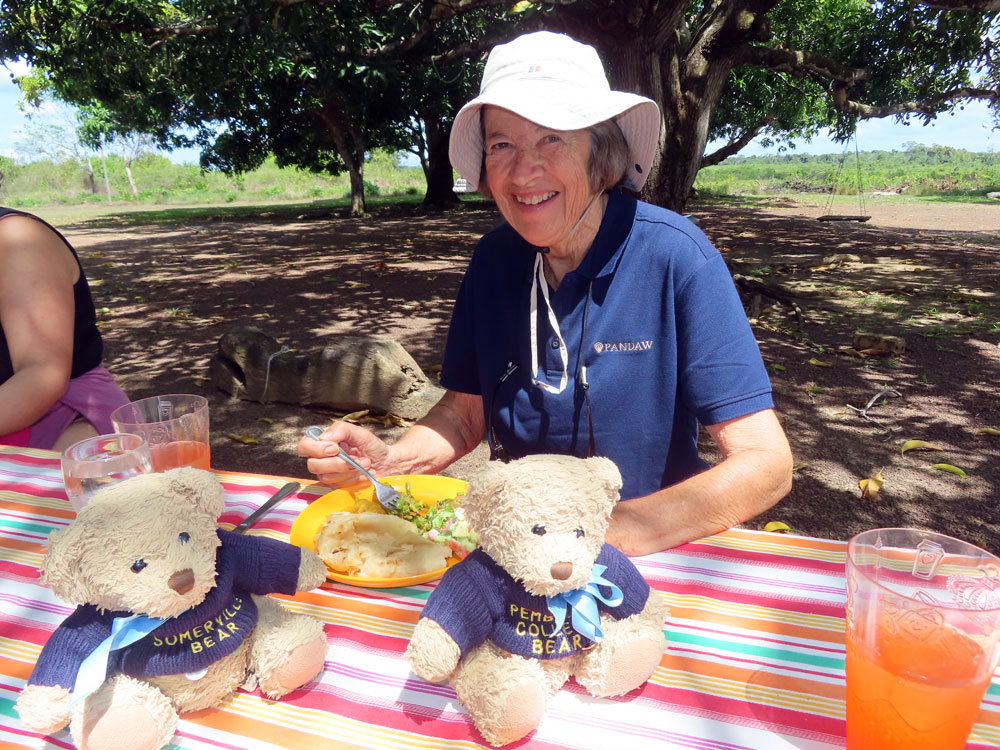
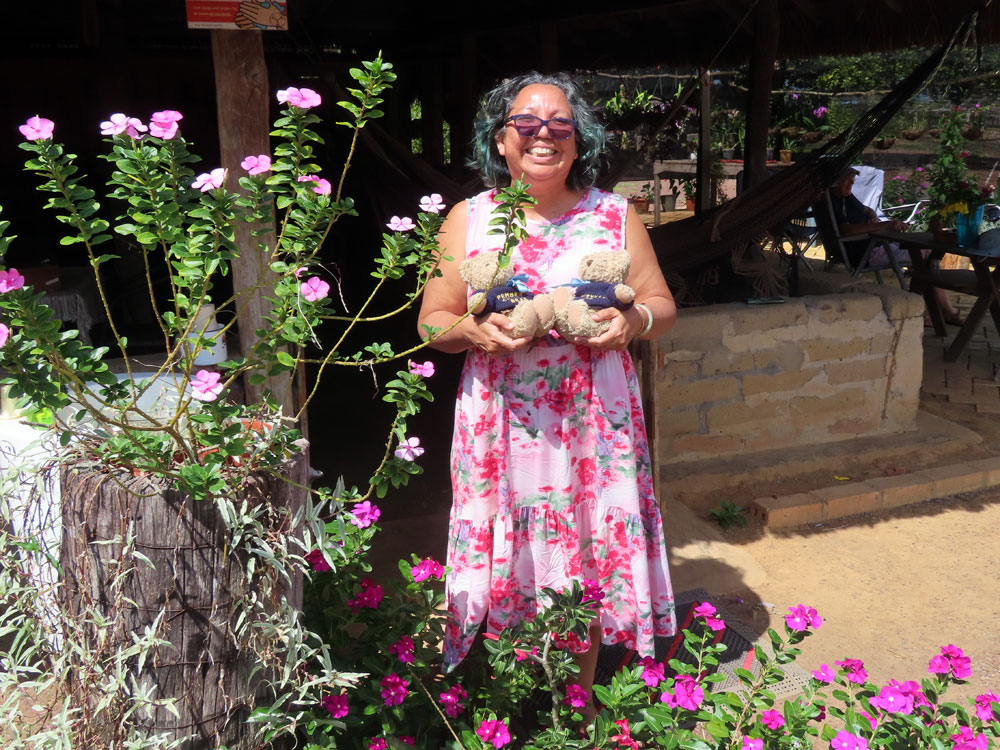
Lunch was provided soon after 1 pm, in the open air near our chalet and was very pleasant. The chalet itself, ironically called David, was most agreeable, partly open to the elements with a little veranda and a pleasant, almost to forceful, wind running through it when the shuttered windows, no glass, were opened. After lunch we sat in the main house Veranda area and read iPads as there was no Wi-Fi in our chalet.
Click on thumbnail photo below to get larger photo
 |
 |
 |
 |
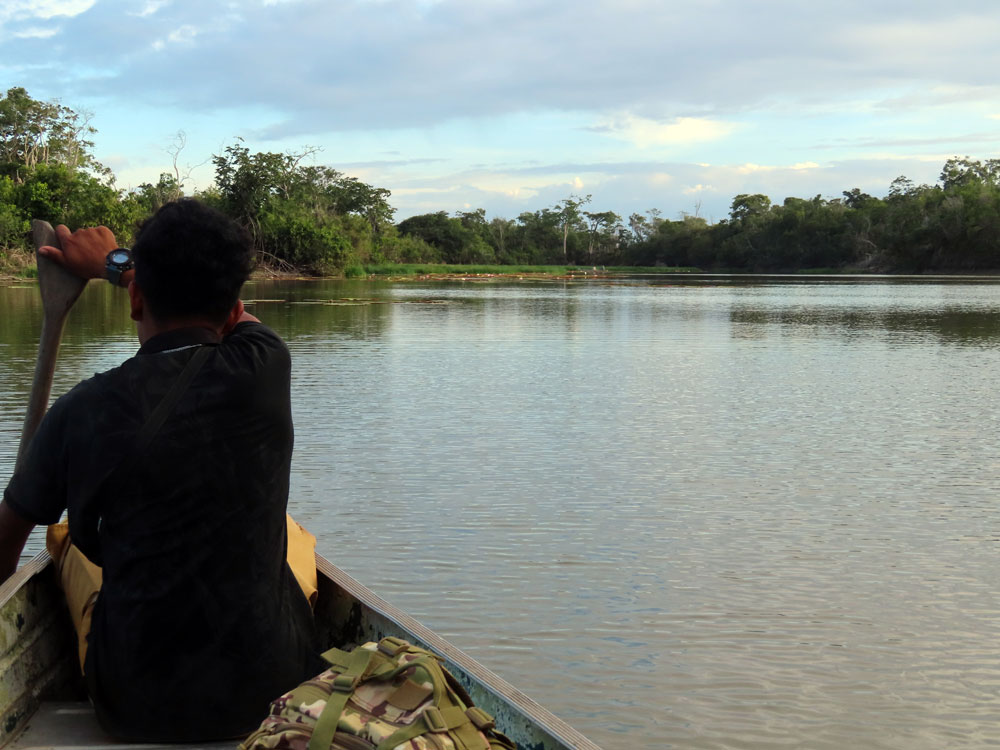
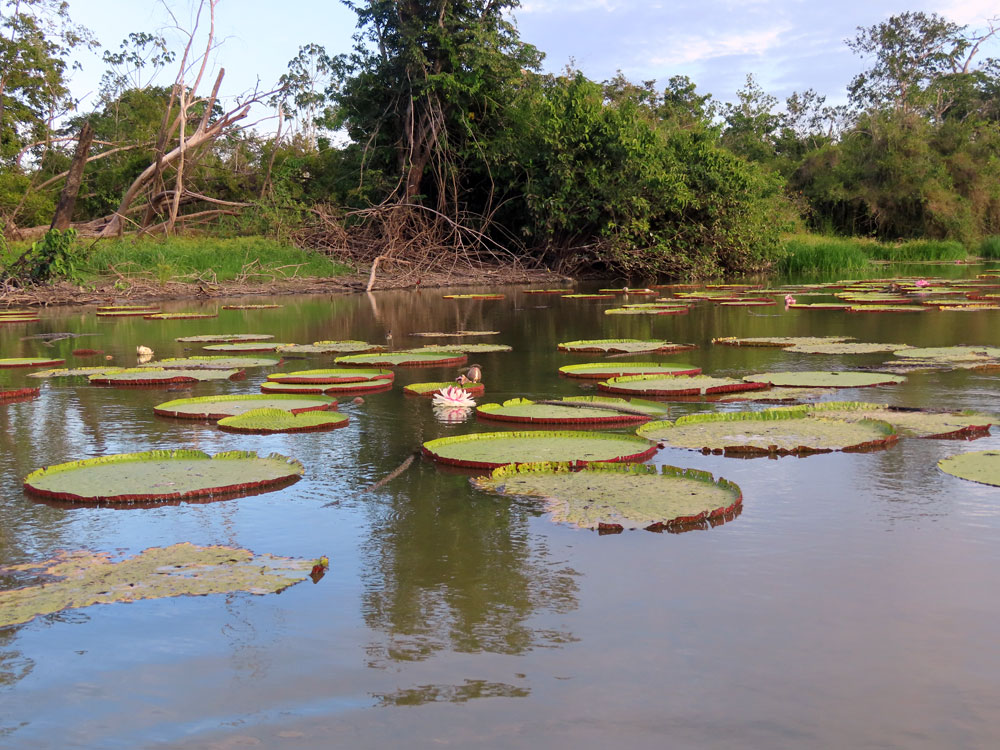
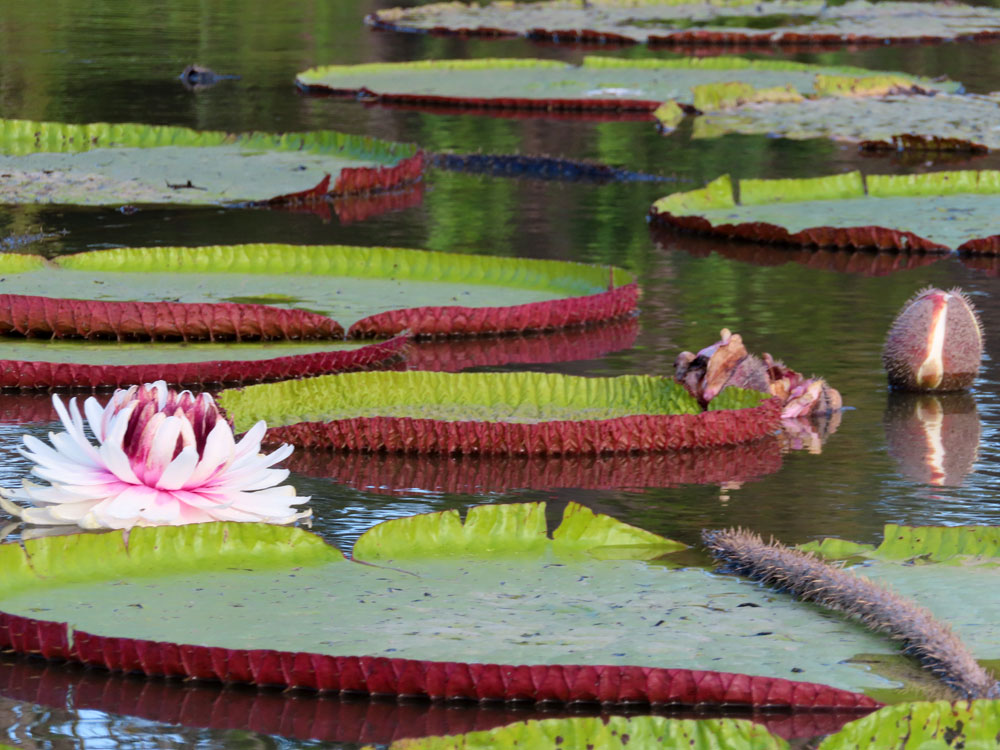
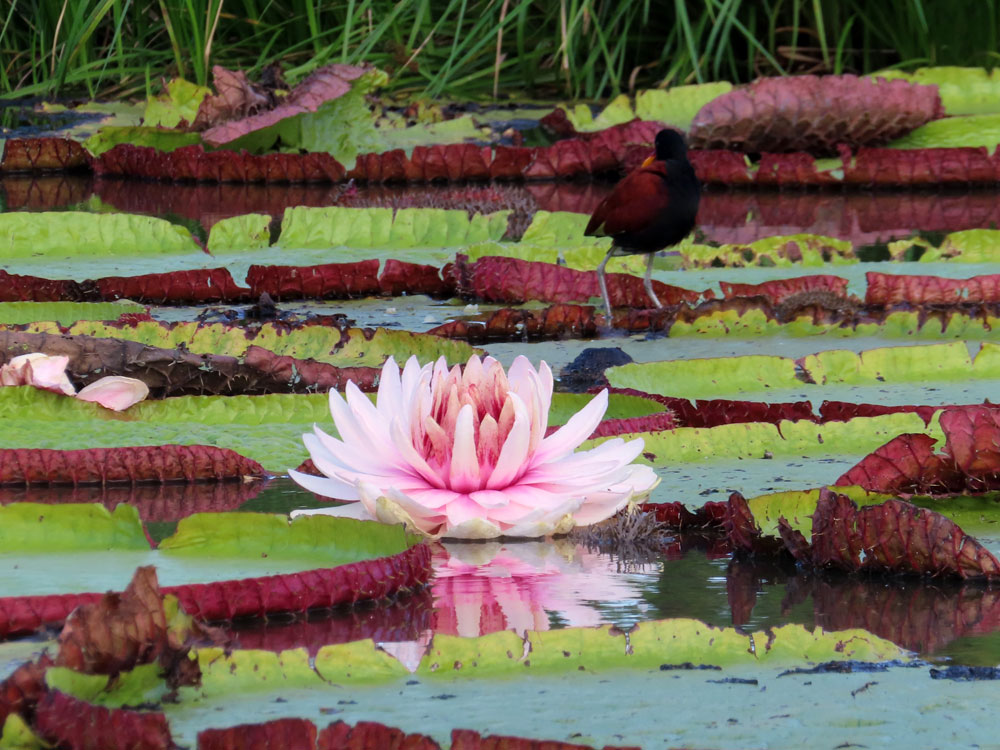
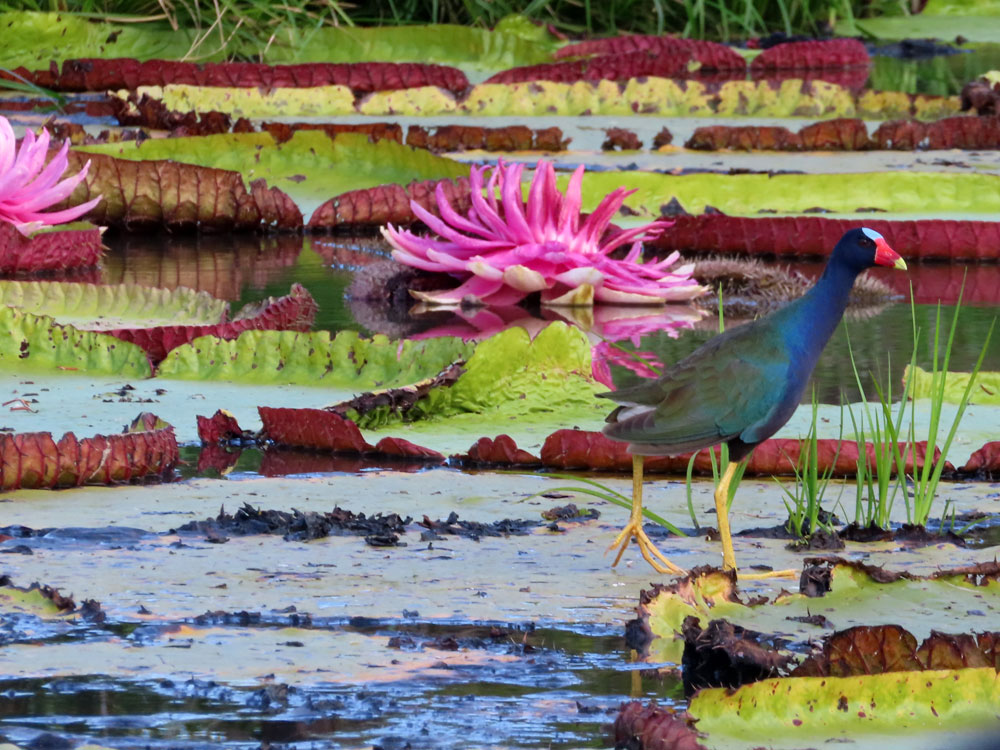
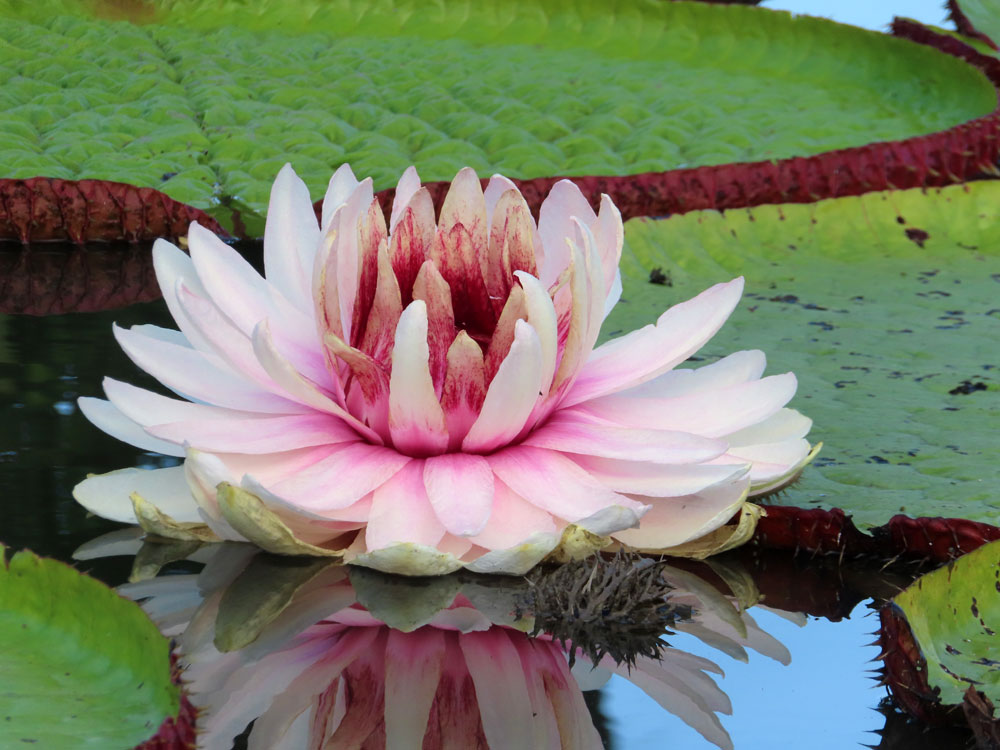
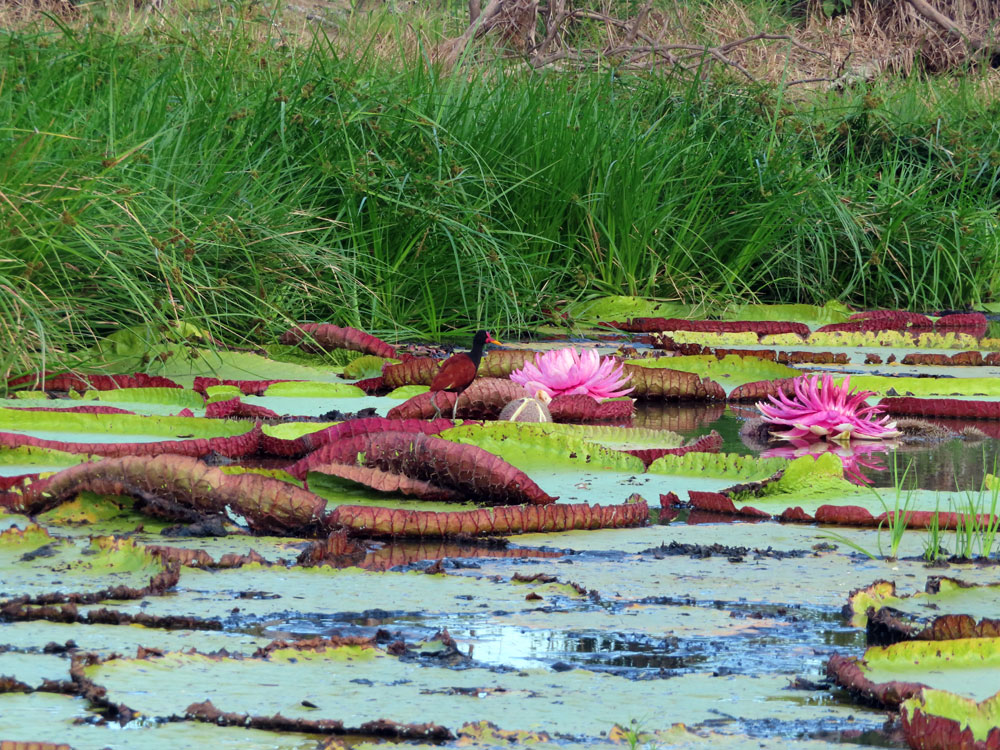
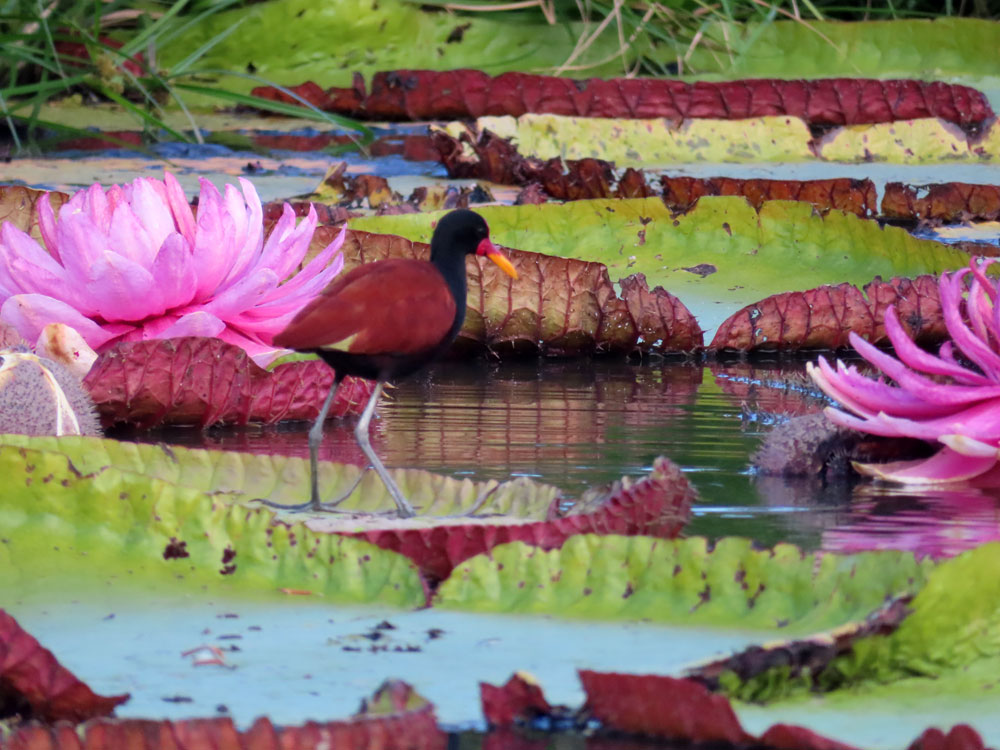
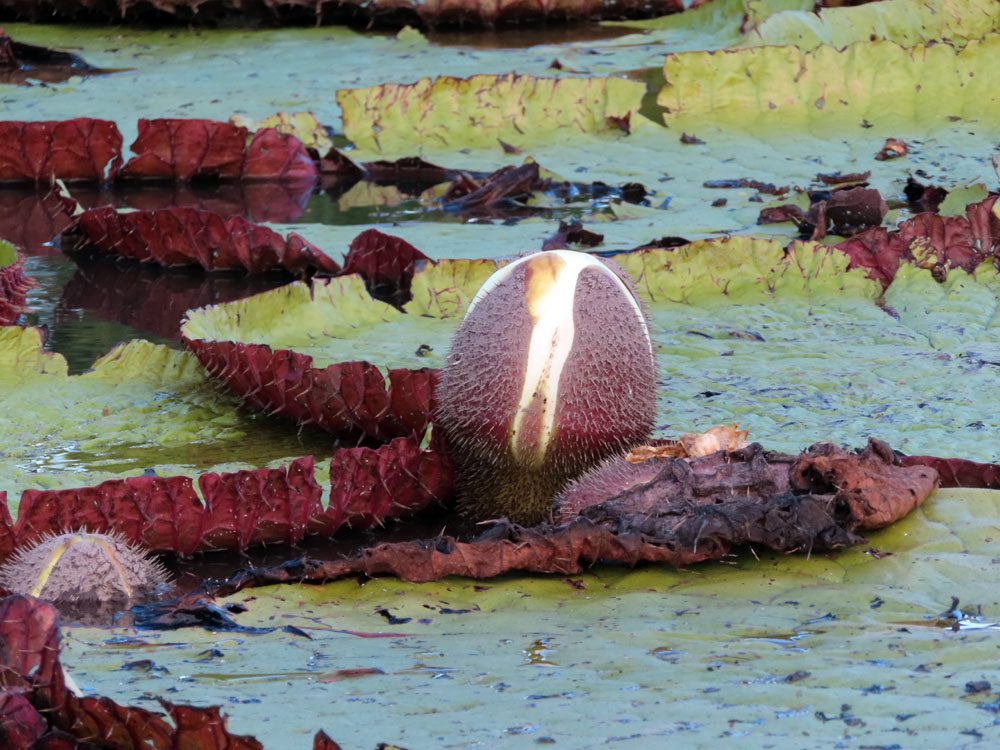
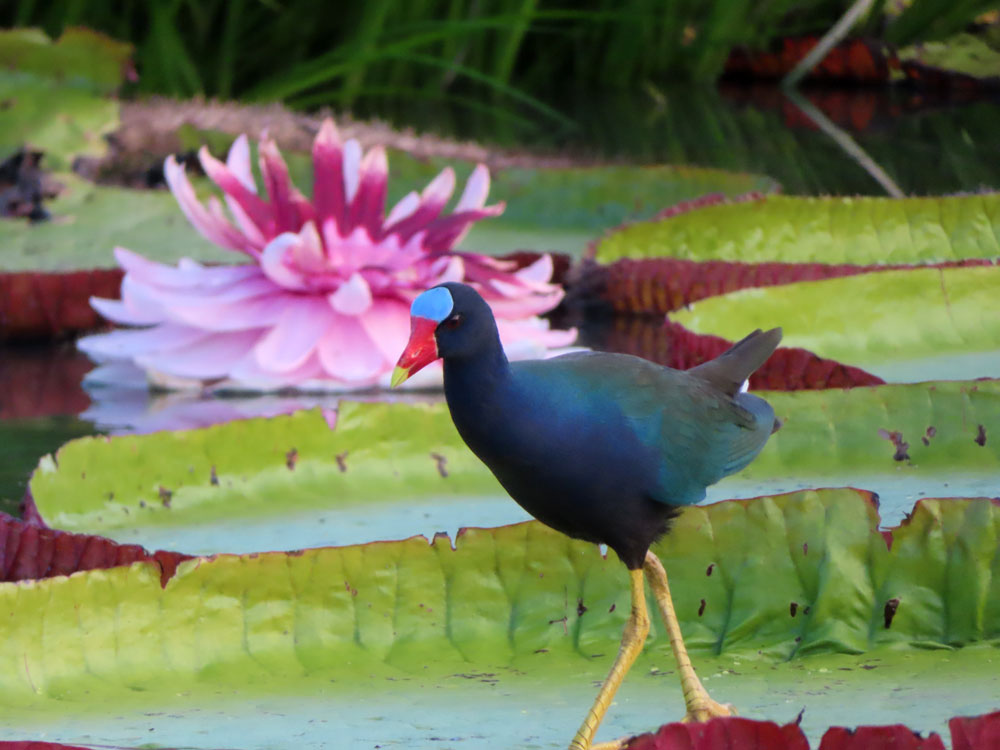
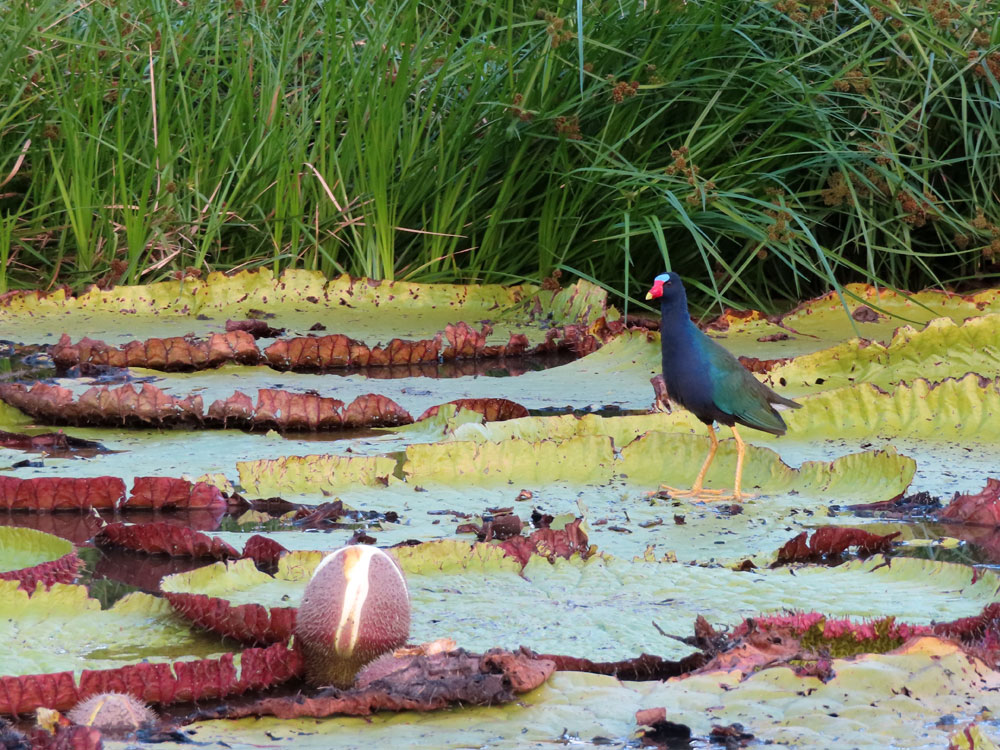
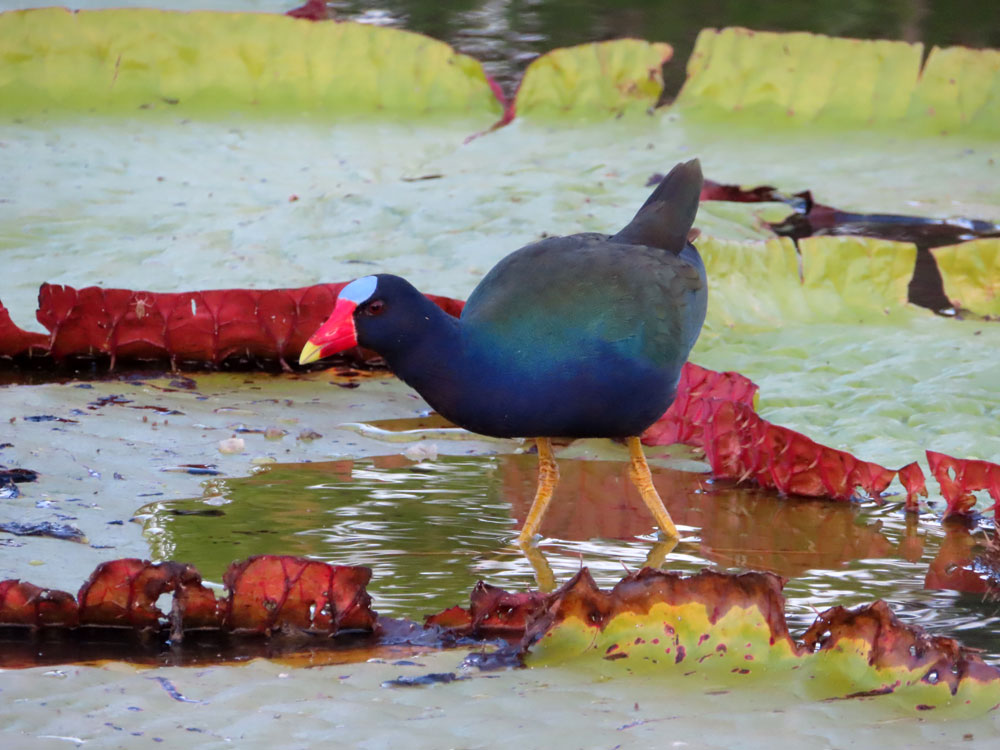
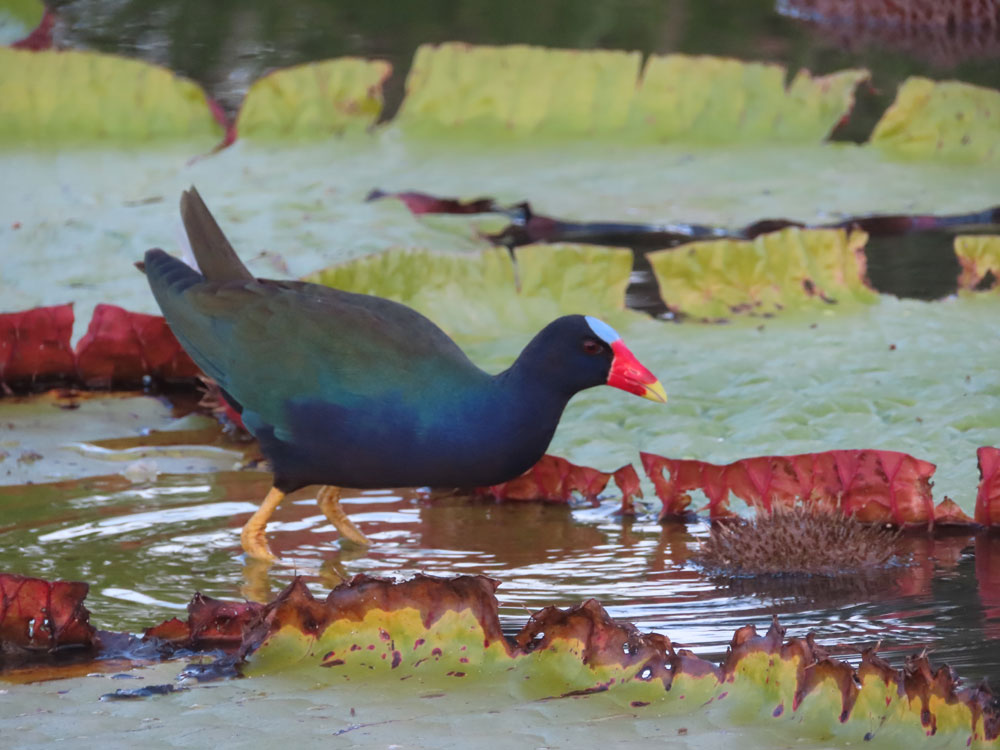
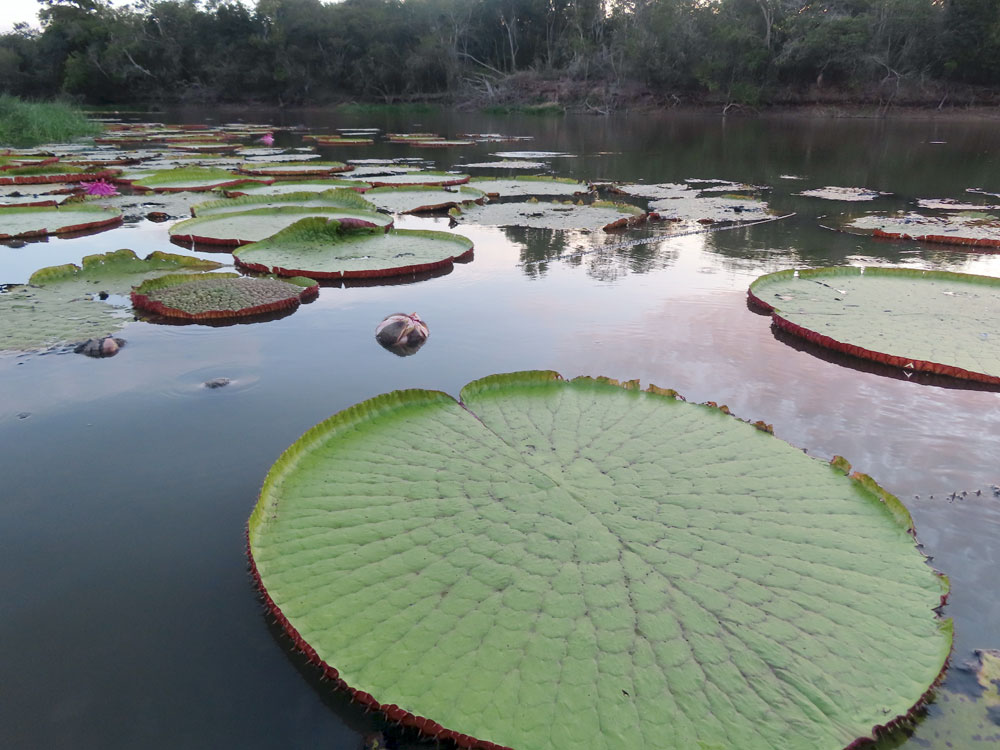
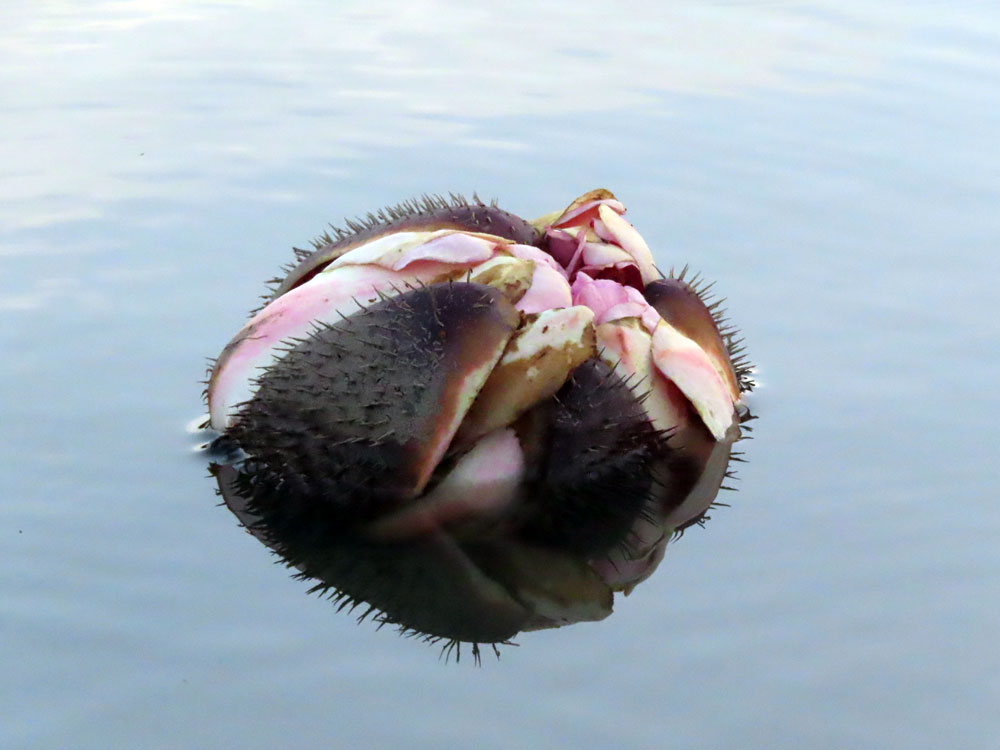
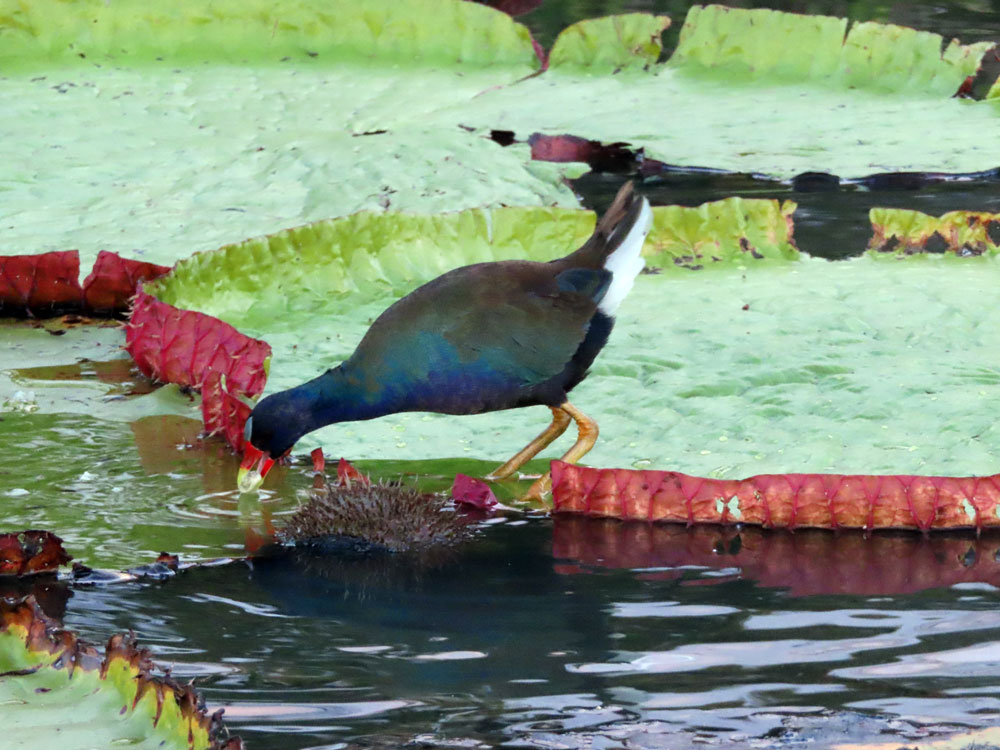
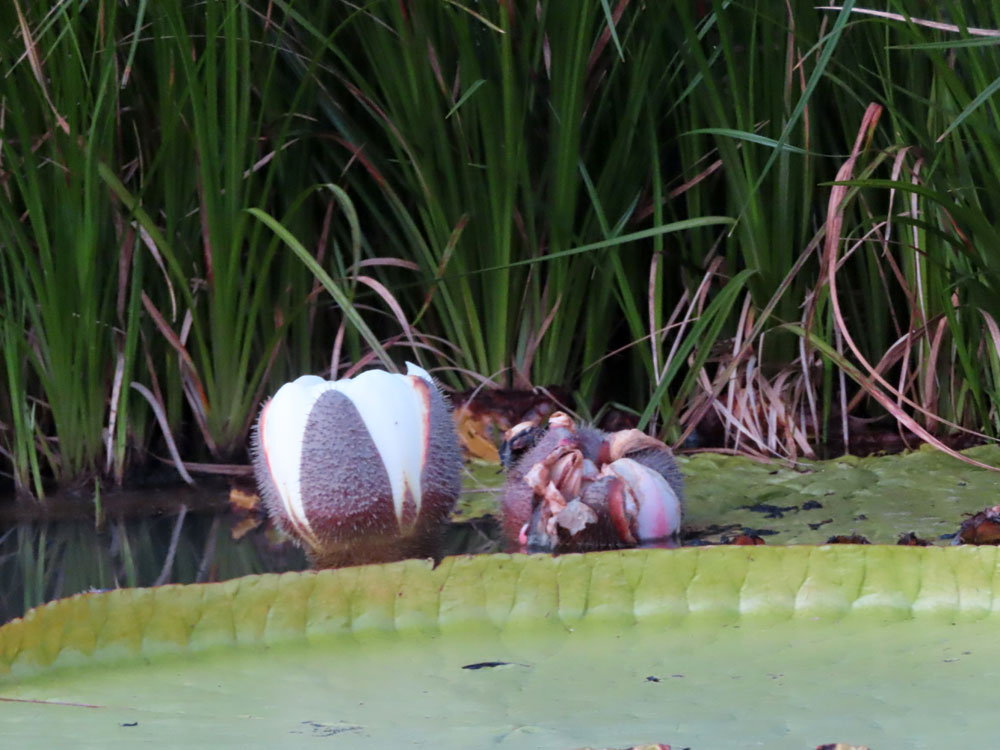
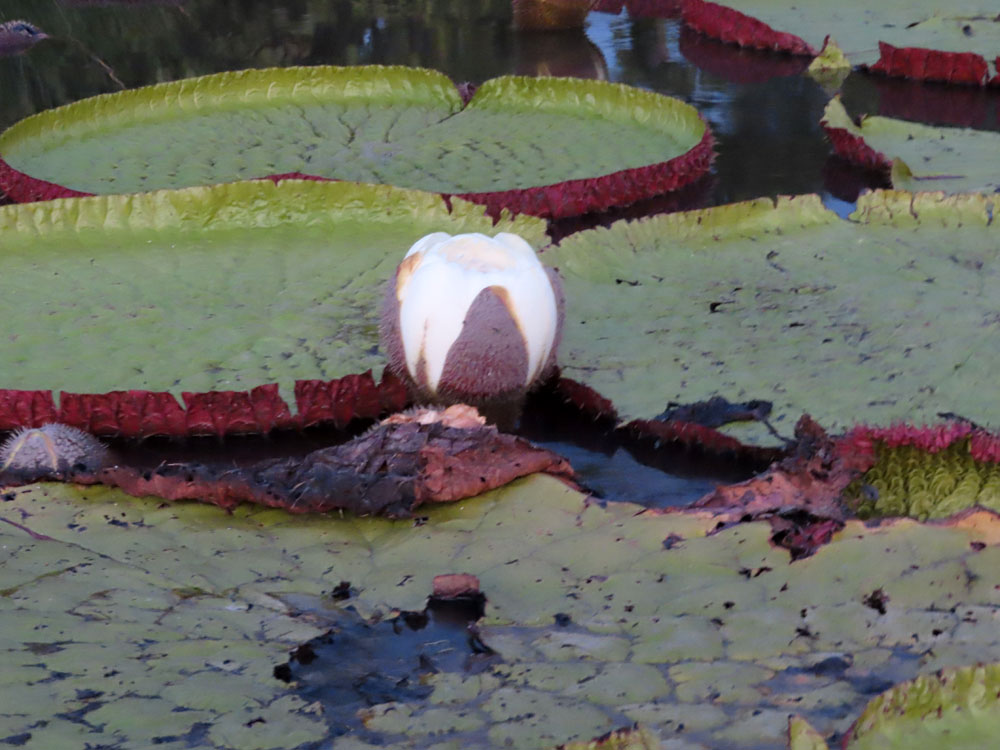
Then at 4:30, we set out to visit the Lily Ponds: this involved a 30 minute track through the forest. to a large pond and then a three minute paddle in a boat to the area where there were many, many giant lily pads and probably at least 20 lily flowers in various stages of growth. The lilies house a beetle and this needs protection during the day and it’s one of the reasons why the lilies only open up at nightfall. There are probably many other reasons for this occurrence which we will research once we get home. We did indeed see the lilies open up and enjoyed an hour there watching birds hopping around on the pads as well. We enjoyed a rum punch and some cookies whilst watching the lilies.
Click on thumbnail photo below to get larger photo
 |
 |
 |
 |
 |
 |
 |
 |
|
 |
 |
 |
 |
 |
 |
 |
 |
 |
 |
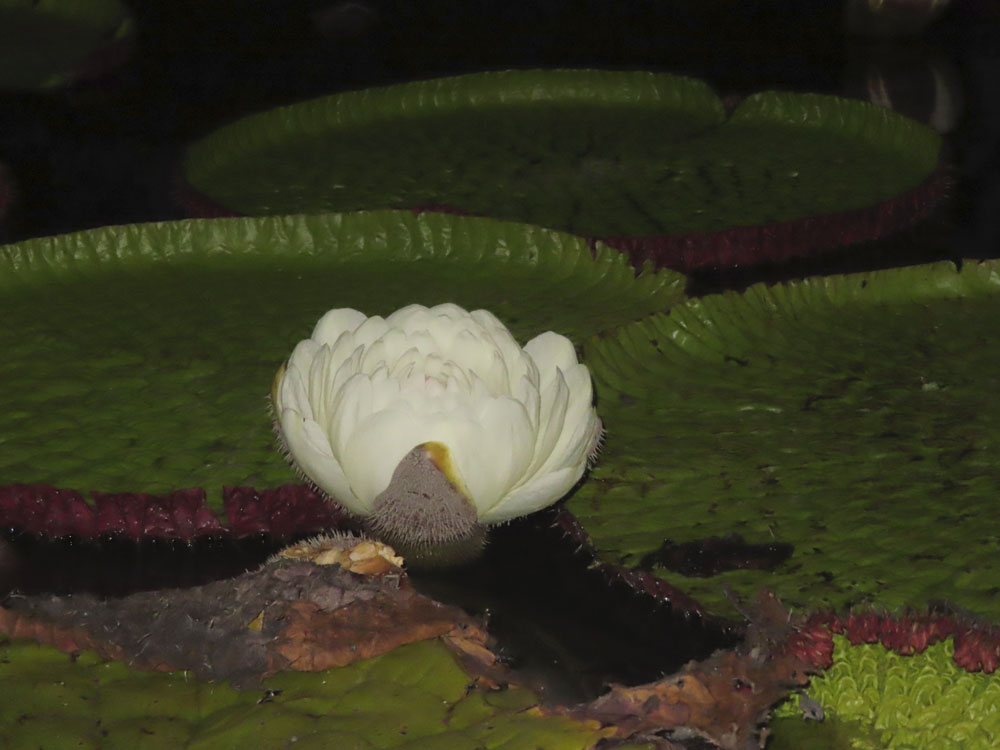 |
| As night fell the lilies finally opened |
Then back in pitched darkness through the woods for thirty minutes which gave me a frisson of excitement.
We got freshened up quickly and ventured out to find that dinner was in another building other than the main building, but we were guided there by its bright lights. There was a circle of chairs and rum punch and tapas were served. There was a family of four there as well as an American girl and Eric. They called it a barbecue, but in fact there was no sign of the actual barbecue. Outside on a long table for 12 of us, Melanie and her husband Edward joining us. Then back in the pitch darkness to find our chalet, a very interesting day
Thursday, February 5. Karanambu
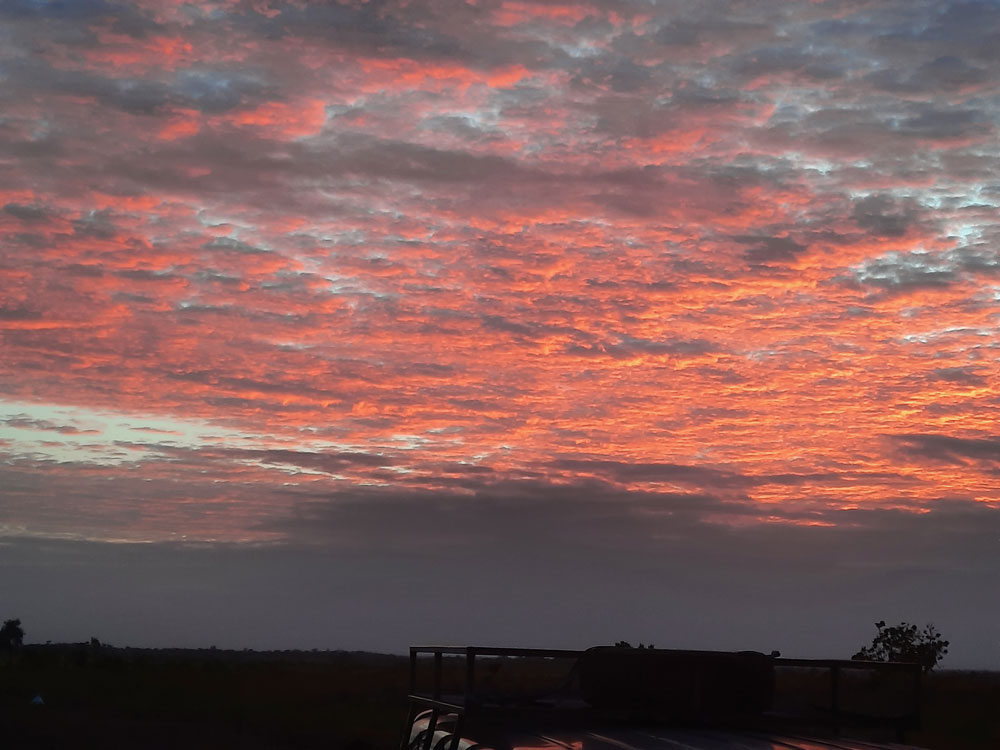
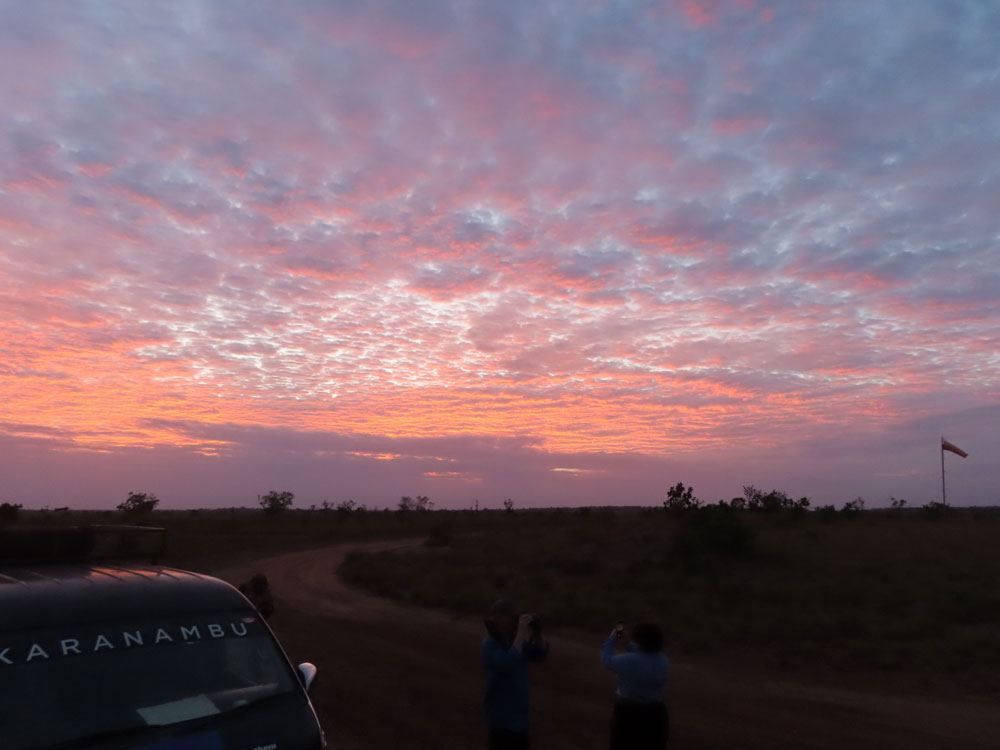
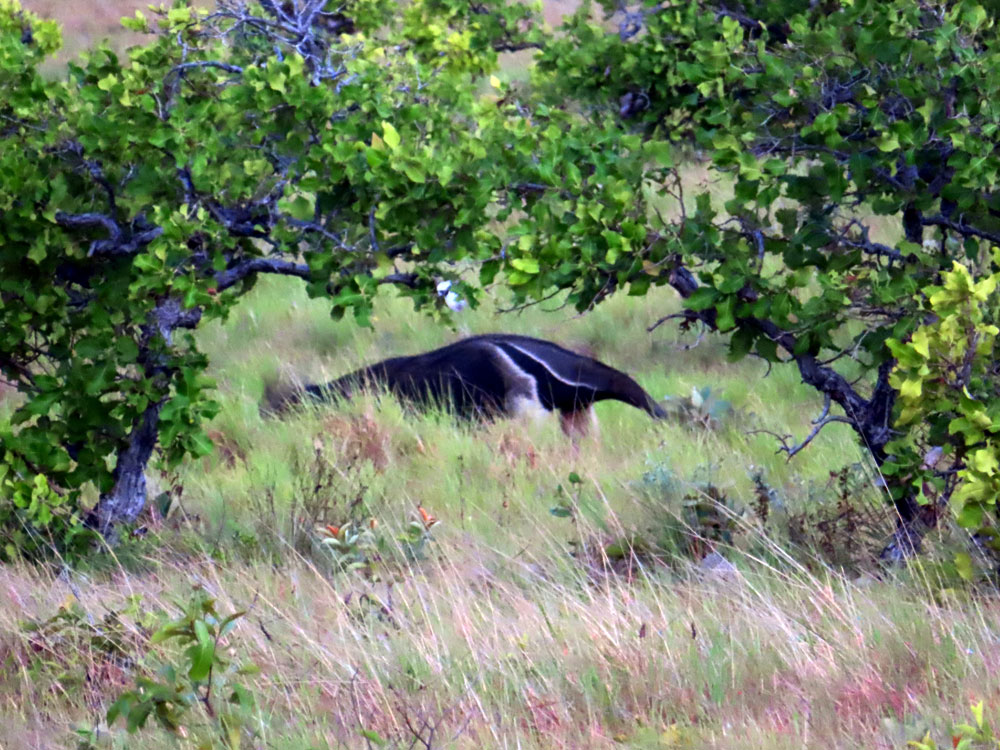
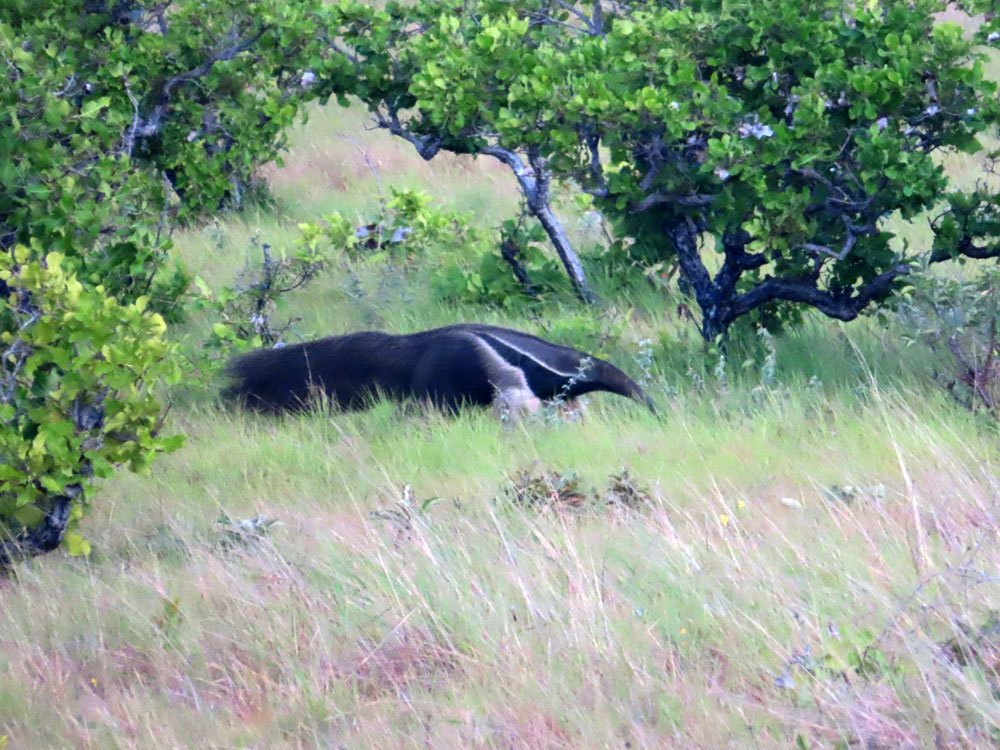
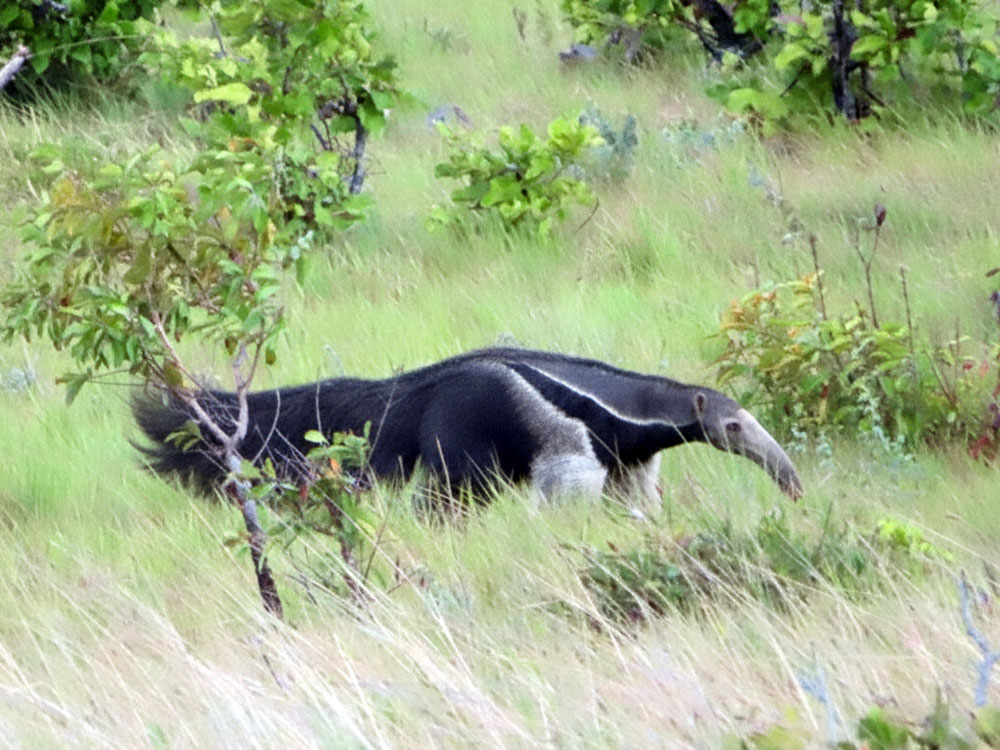
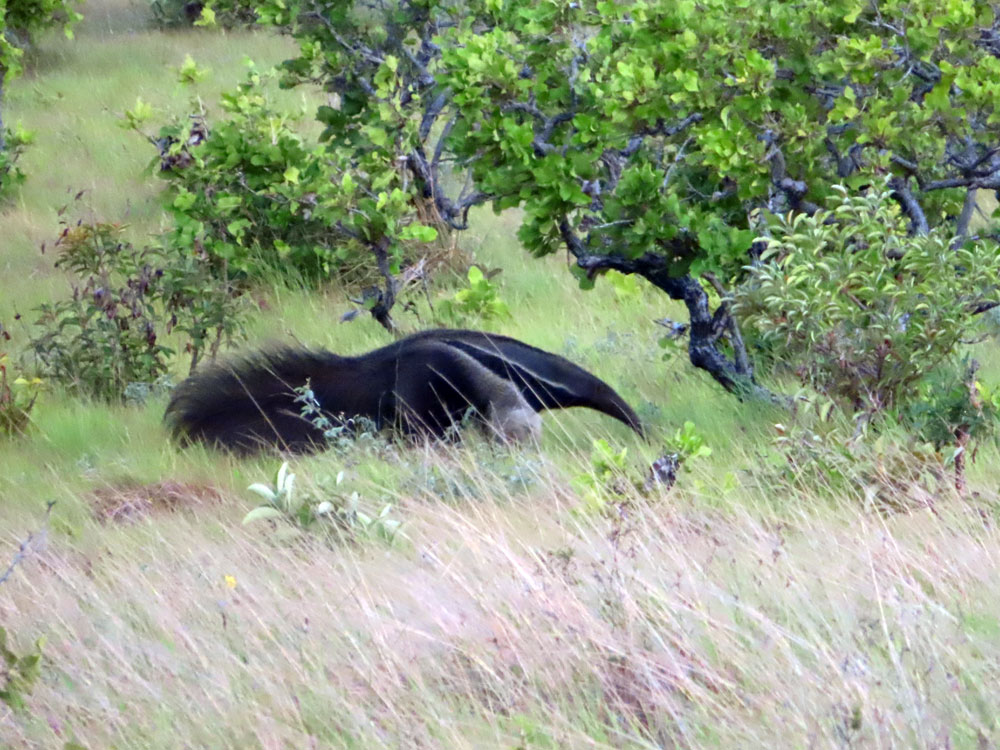
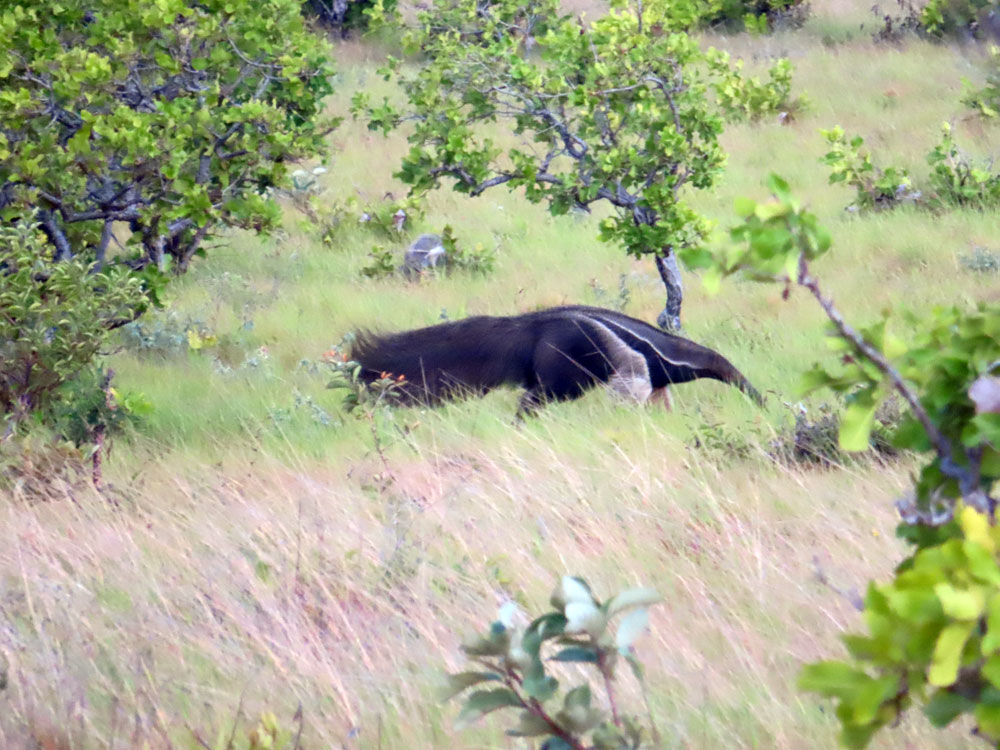
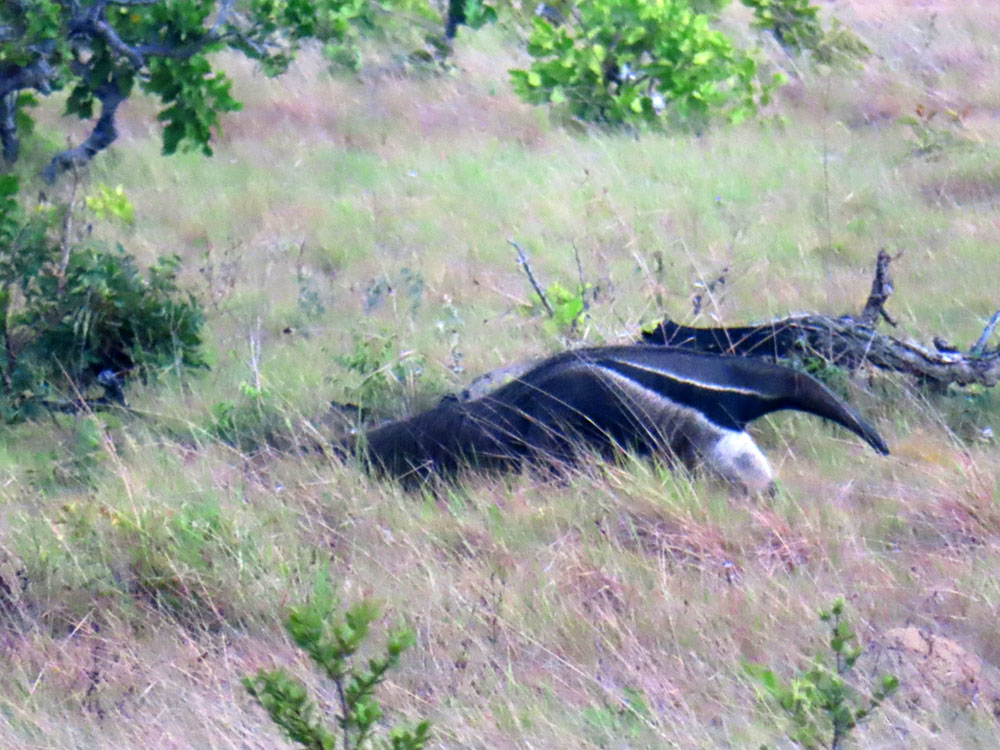
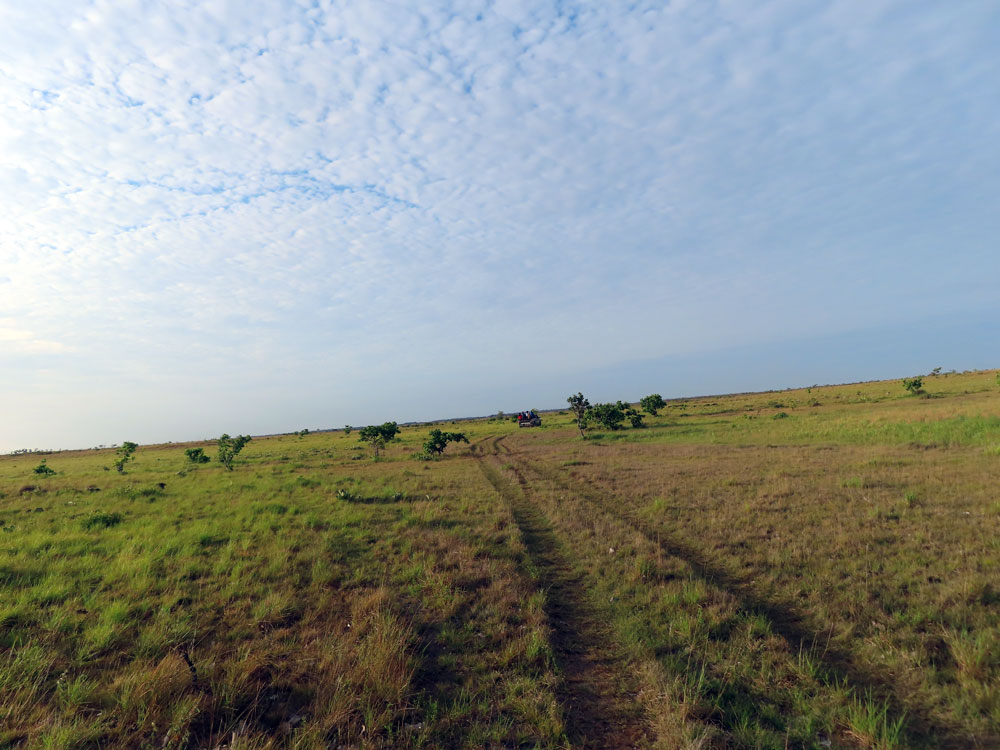
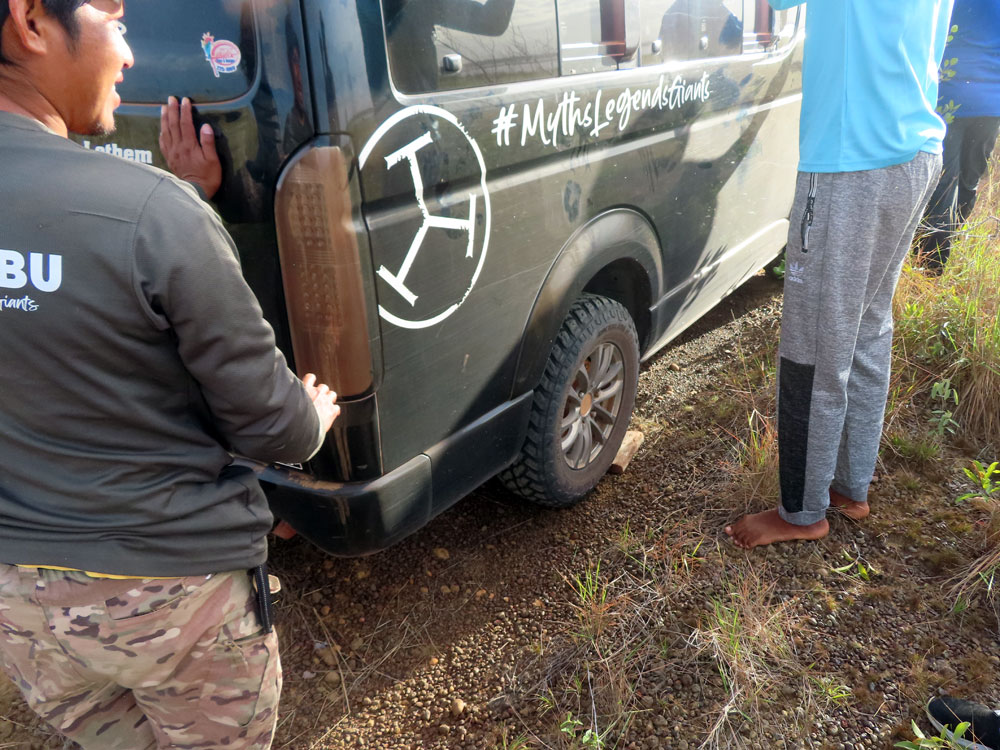
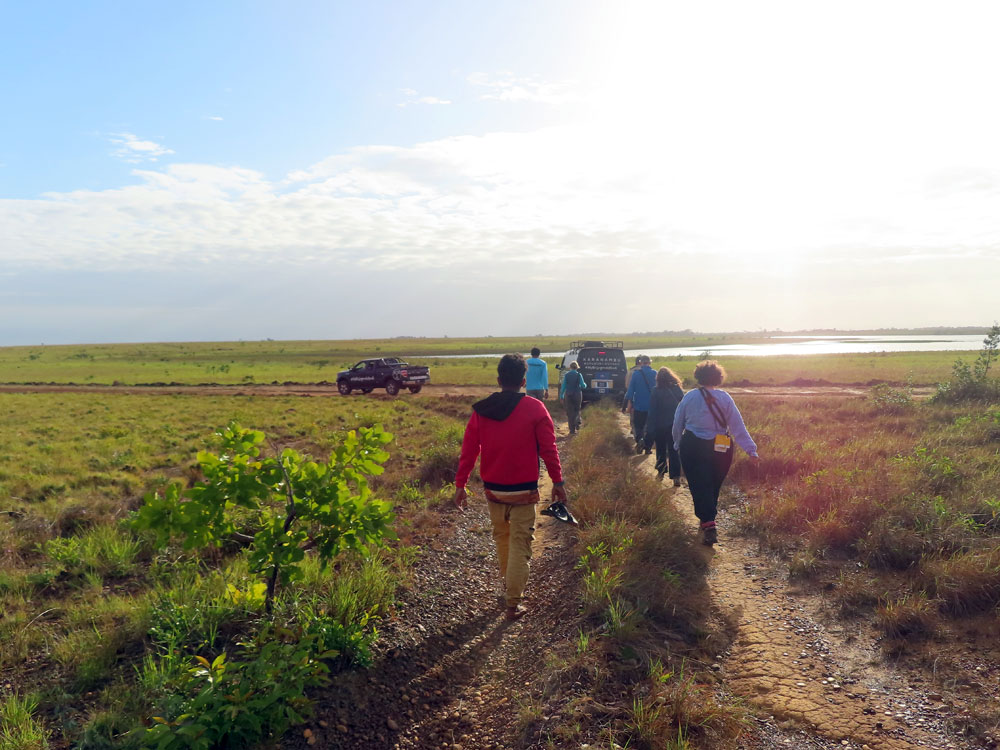
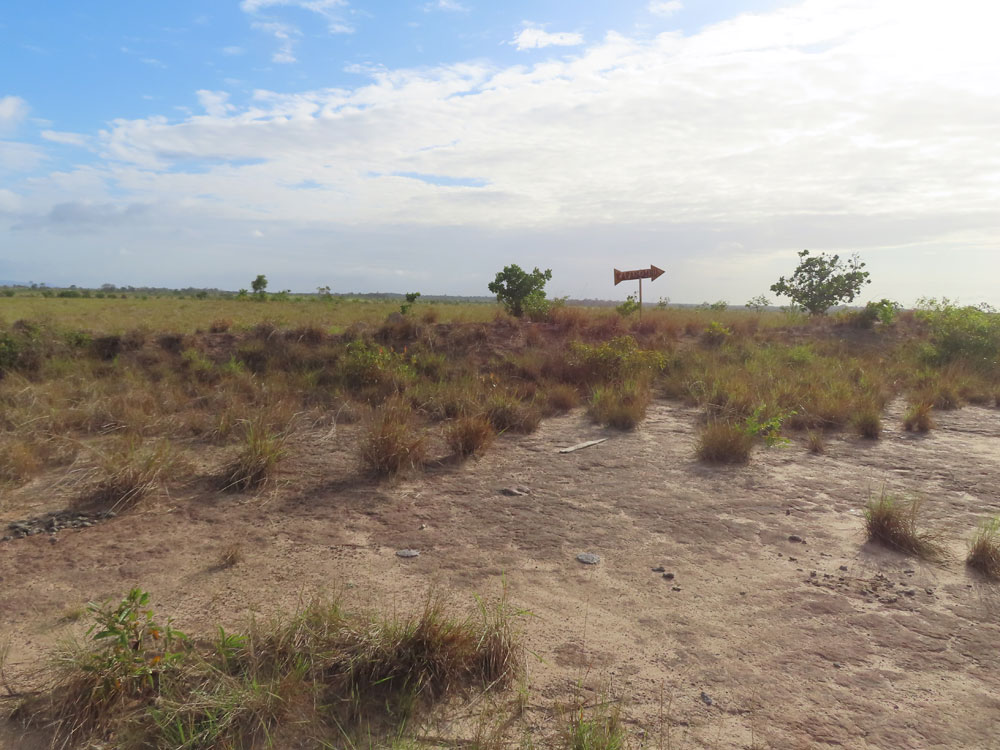
An early morning start at the ungodly hour of 05.15 but this in fact was just to sit down and not take coffee with the rest of them. We set off in two vehicles about 5:45 am and drove to the airstrip we were in an open back jeep with a seat for three, us and Zoe, in the fresh air, quite cold in fact that exhilarating nonetheless. We eventually found the anteater we were searching for and he moved quite quickly across the savanna.
In Guyana, the giant anteater is a national icon, particularly in the Rupununi savannahs. As the world’s largest anteater, it reaches lengths of seven feet, using powerful claws to tear into termite mounds and a two-foot-long tongue to feed. While vulnerable globally, Guyana is one of its last strongholds due to vast, undisturbed habitats. Indigenous communities, particularly in South Rupununi, have led pioneering conservation efforts, moving from hunting to eco-tourism. This community-led protection ensures this prehistoric-looking mammal survives despite threats from savannah fires and habitat fragmentation.
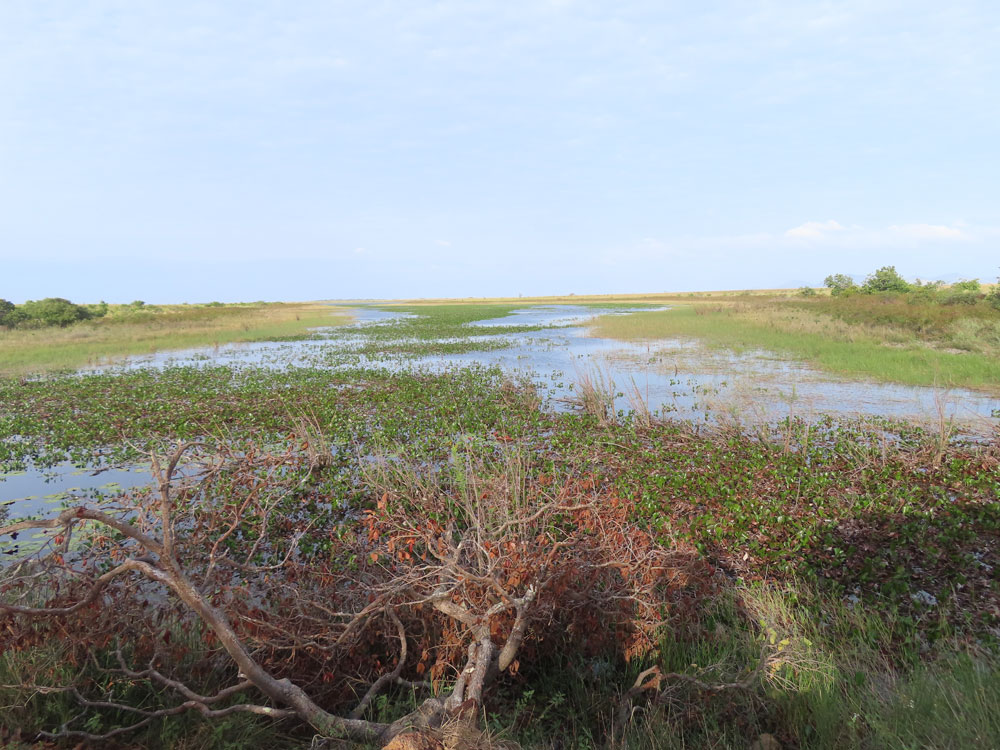
We then stopped at a pond to observe any wildlife there, but there were seemingly none, so we were back at the camp in time for breakfast at 7:30 am.
Click on thumbnail photo below to get larger photo
 |
 |
 |
 |
 |
 |
 |
 |
Click on thumbnail photo below to get larger photo
 |
 |
 |
 |
 |
 |
 |
 |
 |
 |
 |
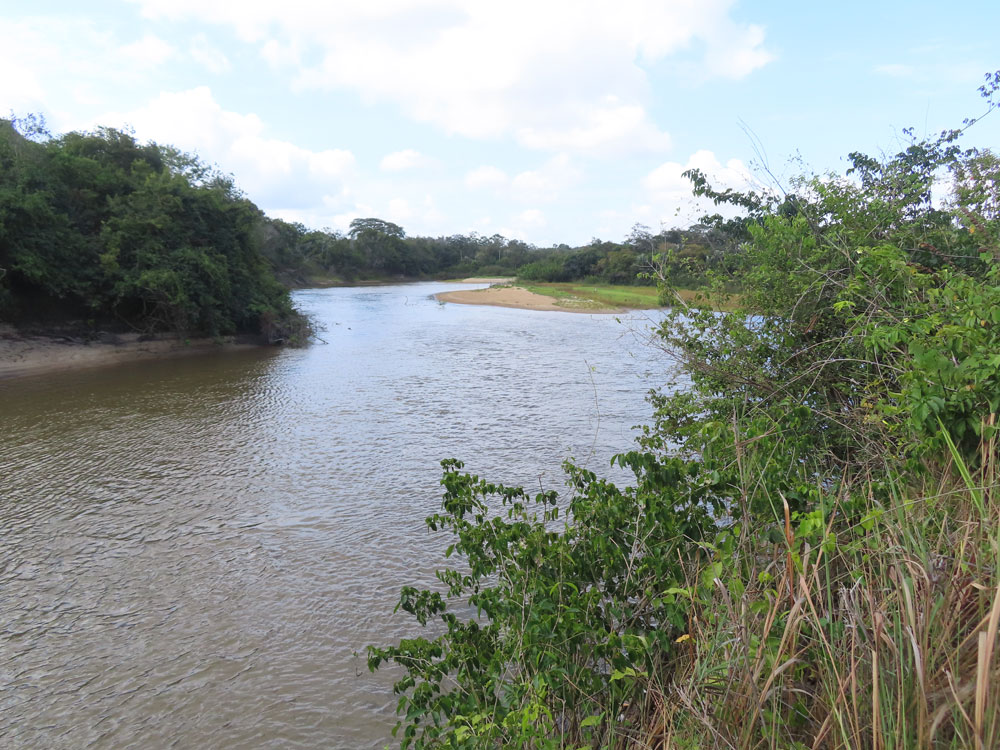 |
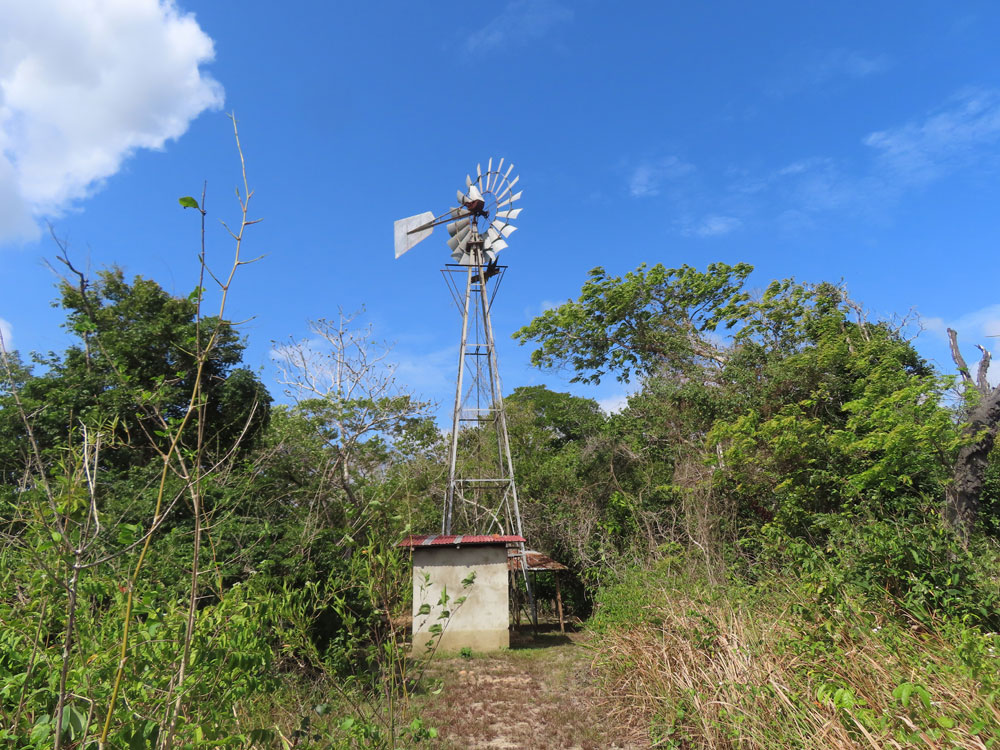
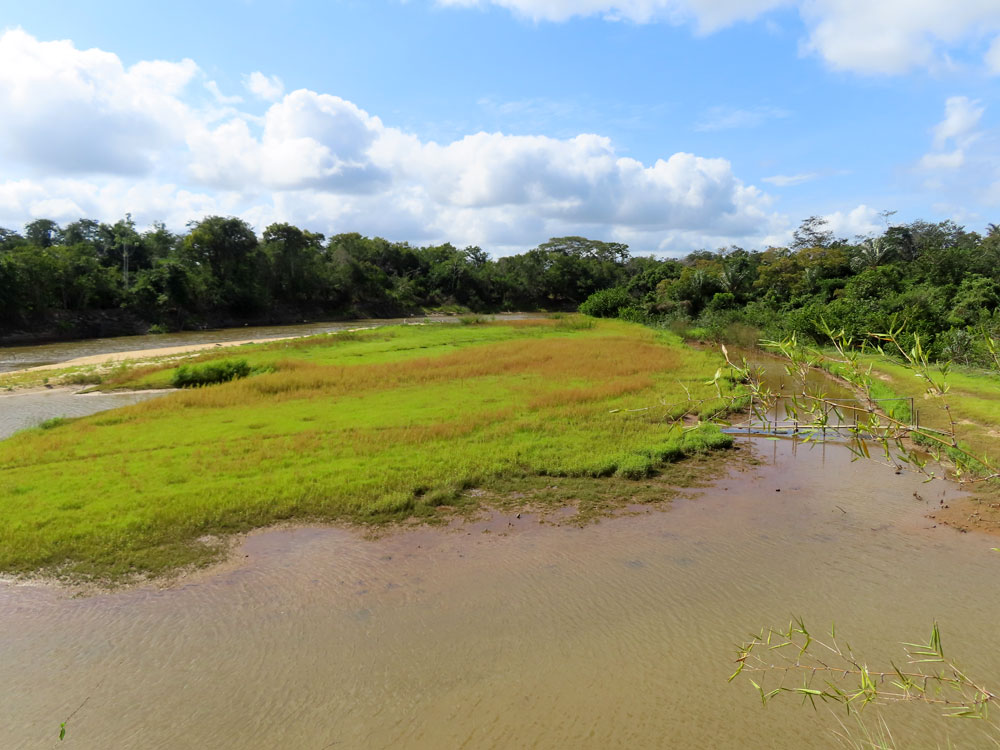
After breakfast we set off again at 9:30 am for a walk with Oswin down to the river and along to a seat overlooking the river. Here we hoped to spot giant otters, but in fact there were none. However it was a pleasant outing nevertheless. We then read and had a siesta until lunch at 1pm. We stayed up at the main house after this in order to read our iPads and send photos to friends, but in fact Melanie was there for well over an hour of it and we had a very pleasant chat to her about her and her ancestors, the Rollick Kirkpatricks from Scotlandm who sounded really really interesting. Also Eduardos (her husbands) ancestors the McTurks.
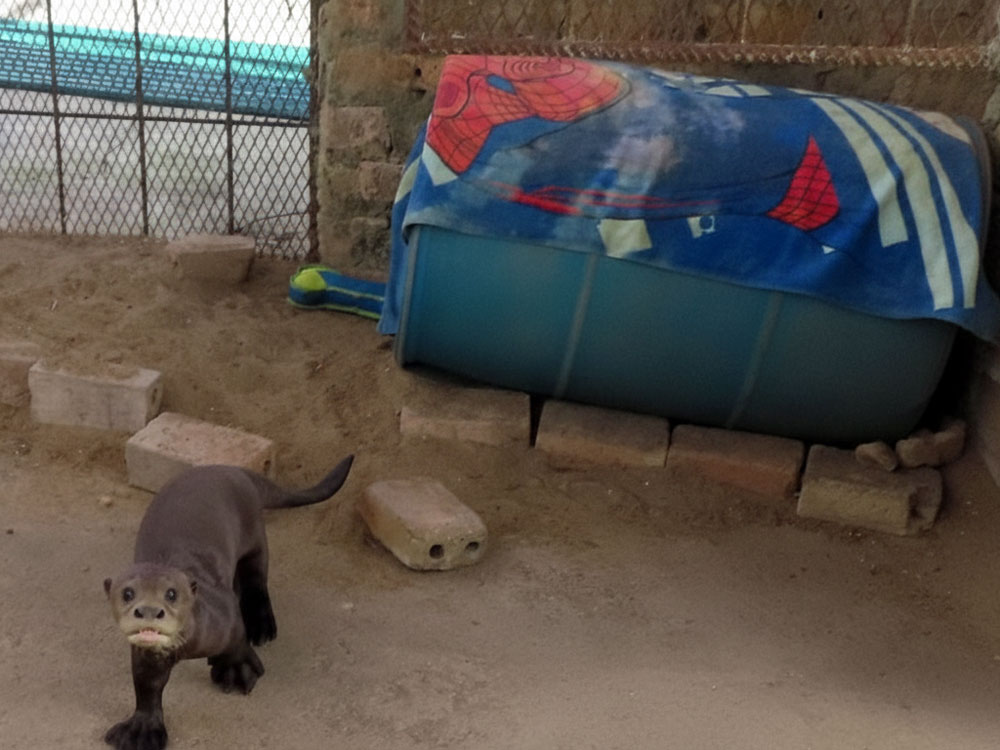
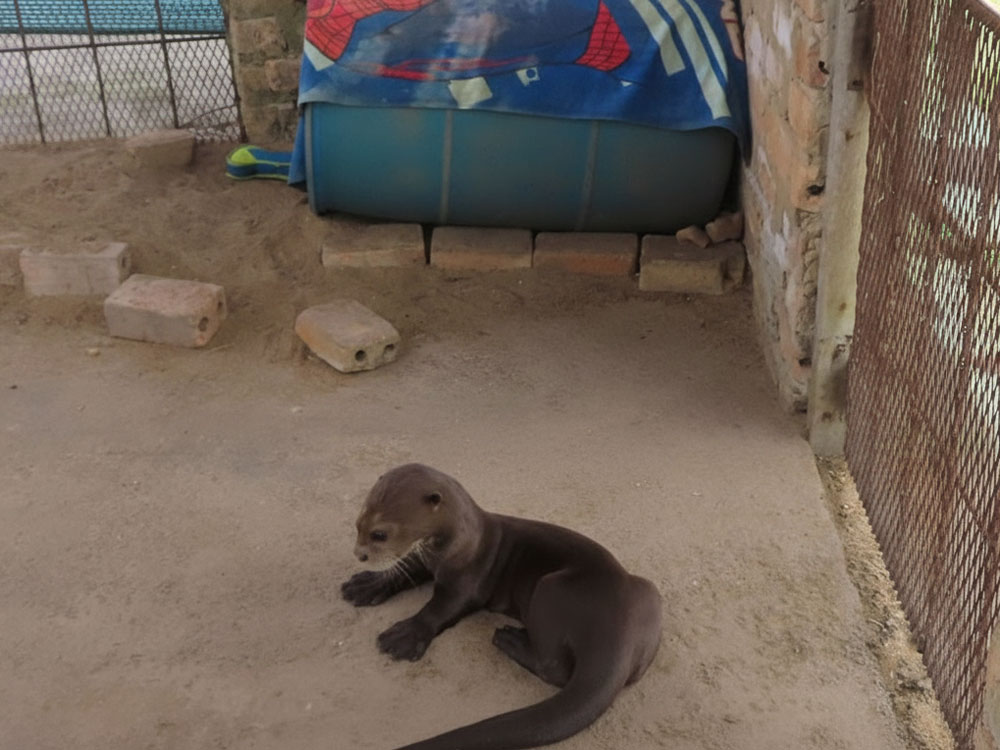
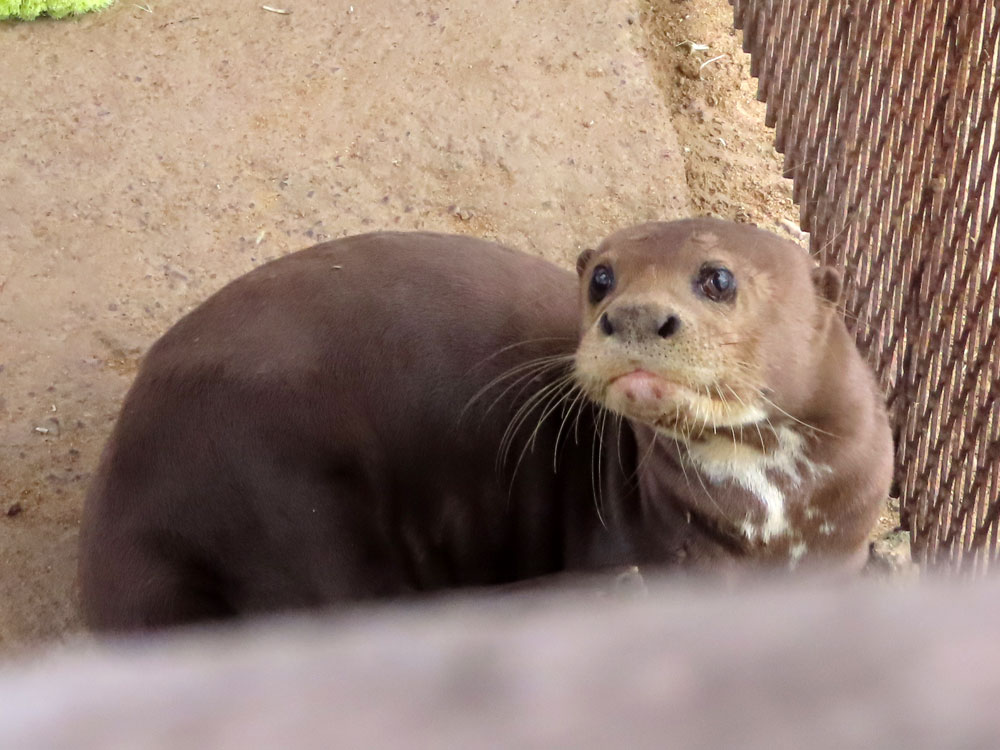
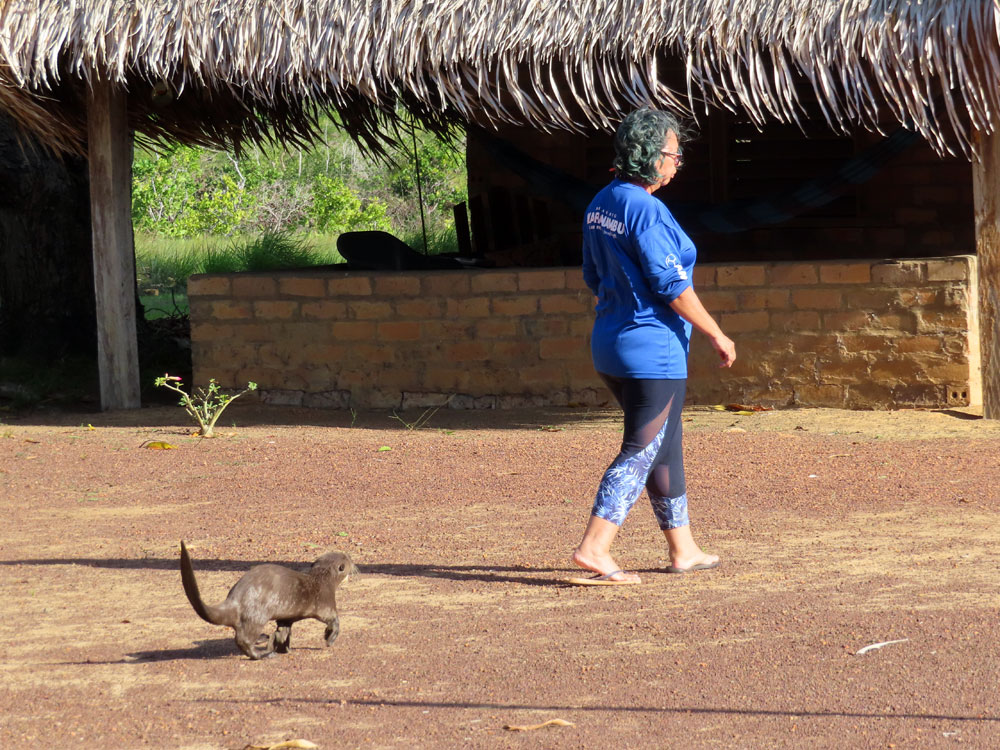
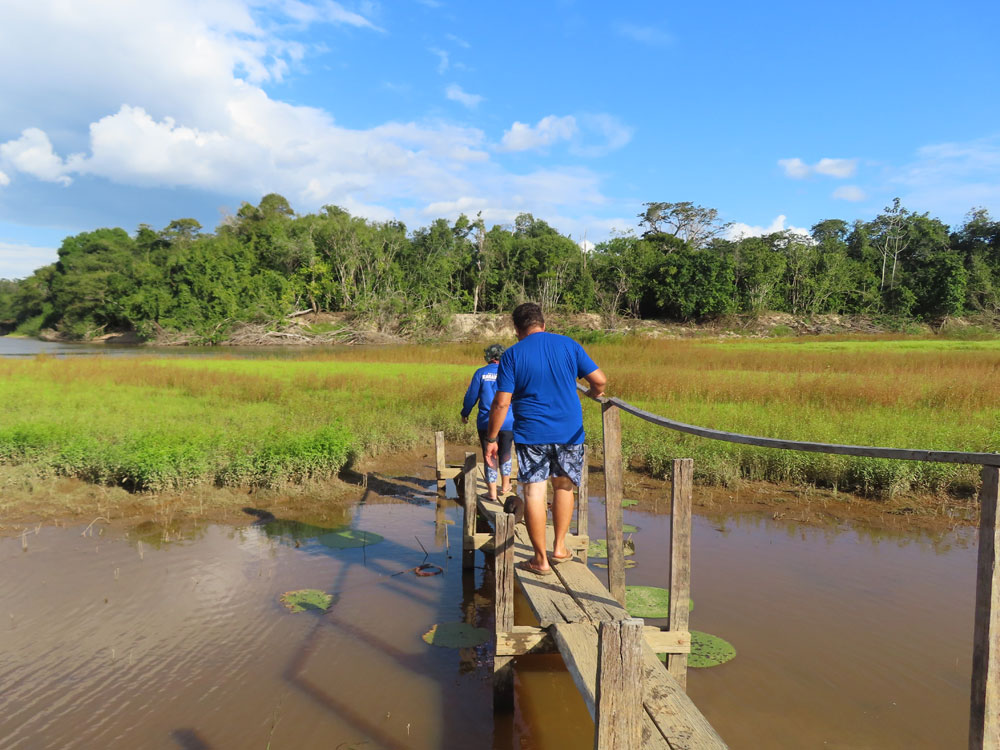
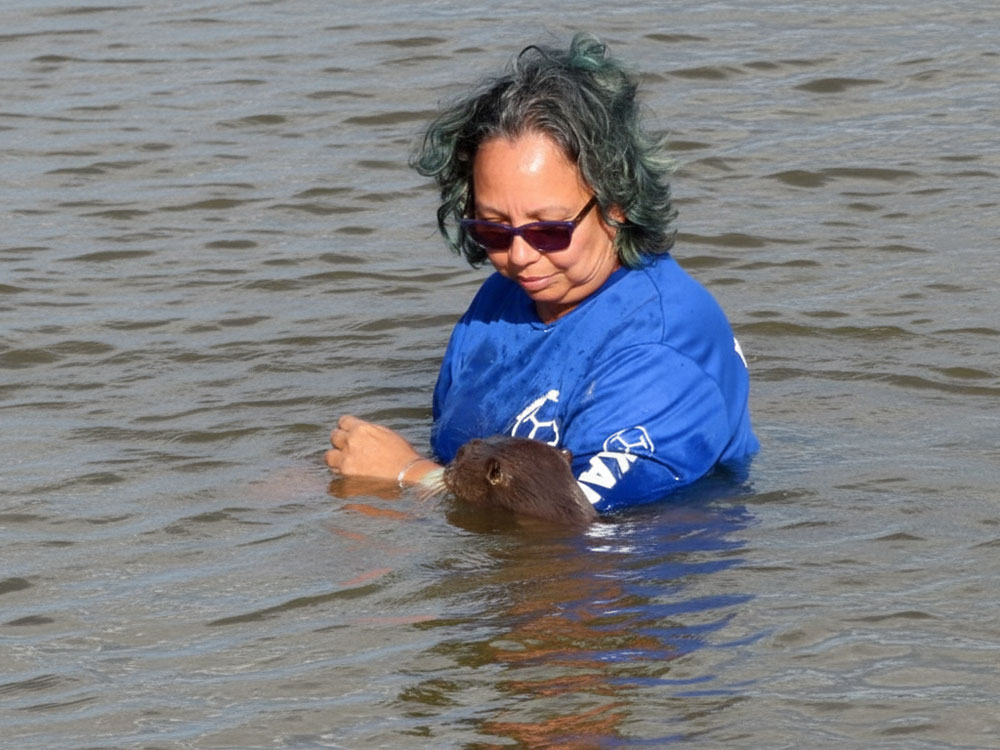
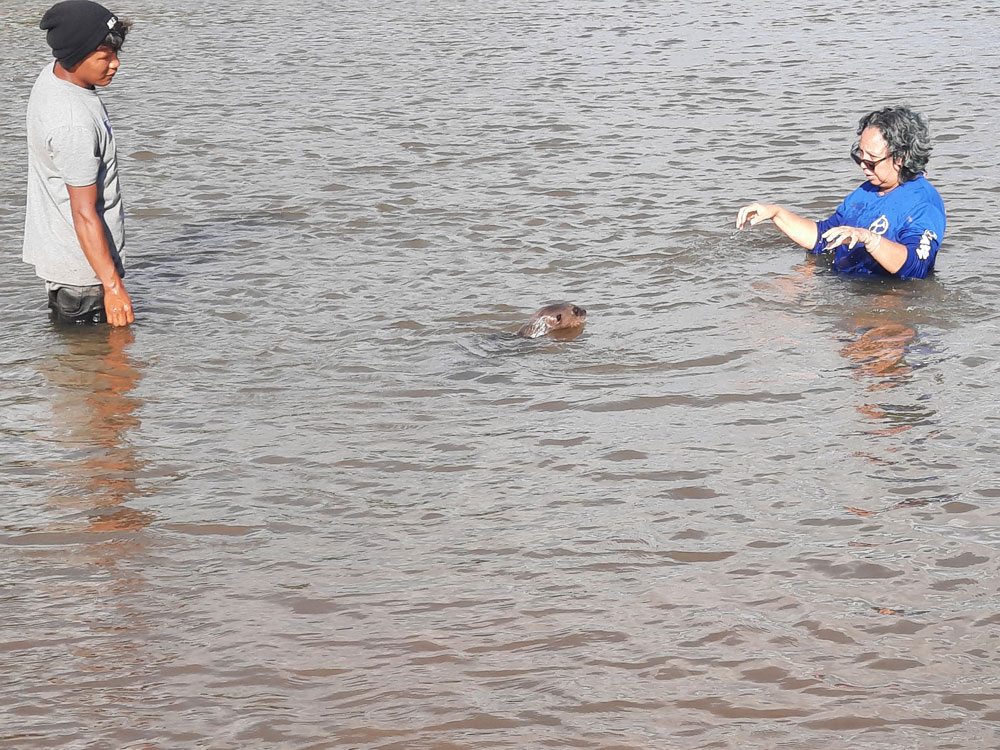
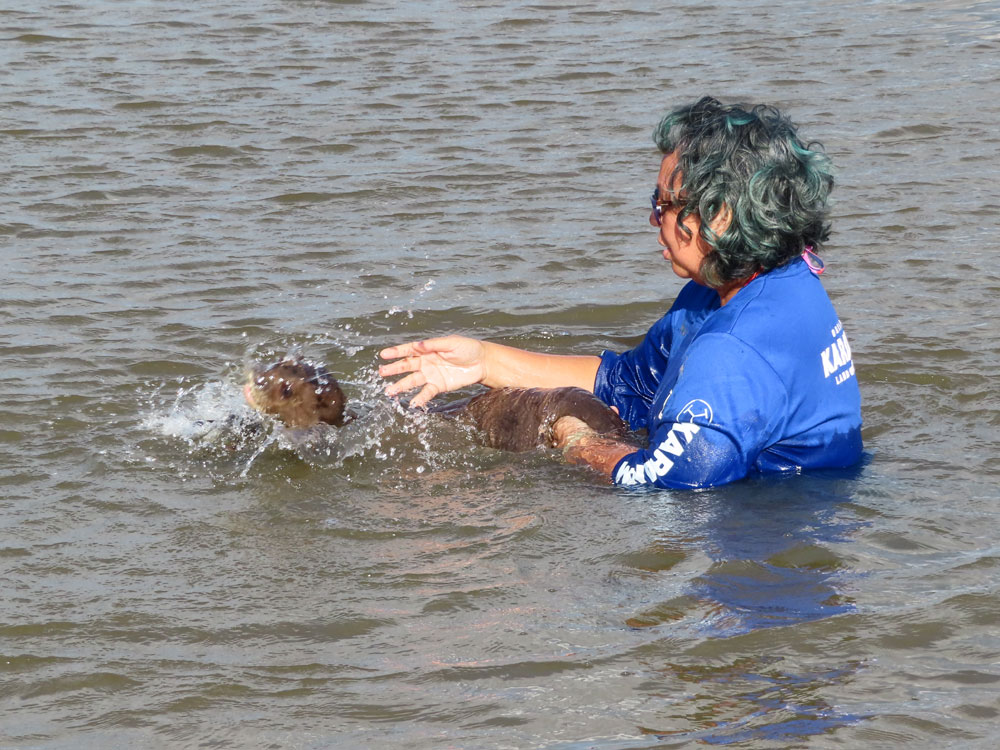
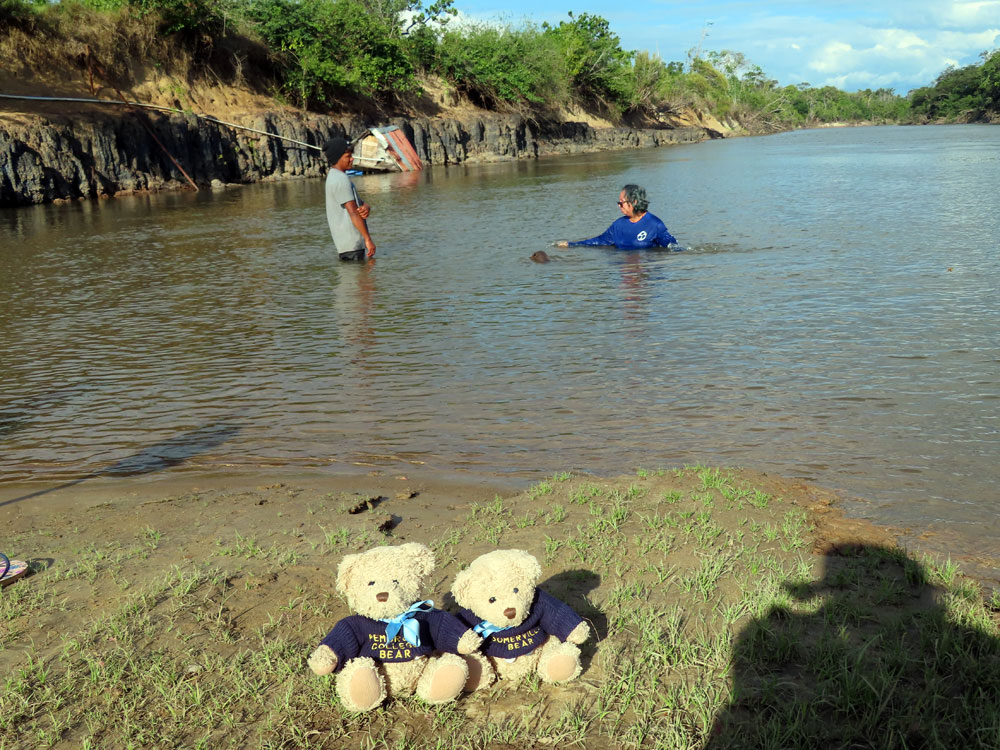
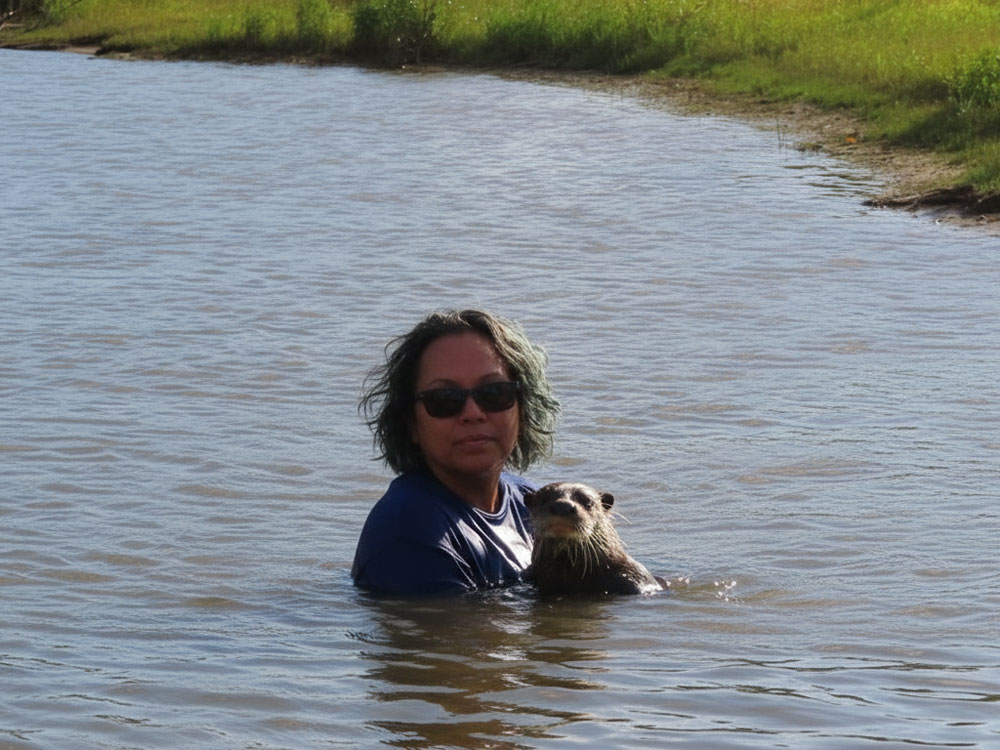
At 4 pm, we went for another boat ride along the river, starting off with watching Melanie and Joe with the pet otter, who had been rejected by his mother and they were intending training in all the arts of being an otter and would release it back into the river when he was sexually mature. But somehow we doubted the success rate for this, but their intentions were certainly noble.
Click on thumbnail photo below to get larger photo
 |
 |
 |
 |
 |
 |
 |
 |
 |
 |
 |
 |
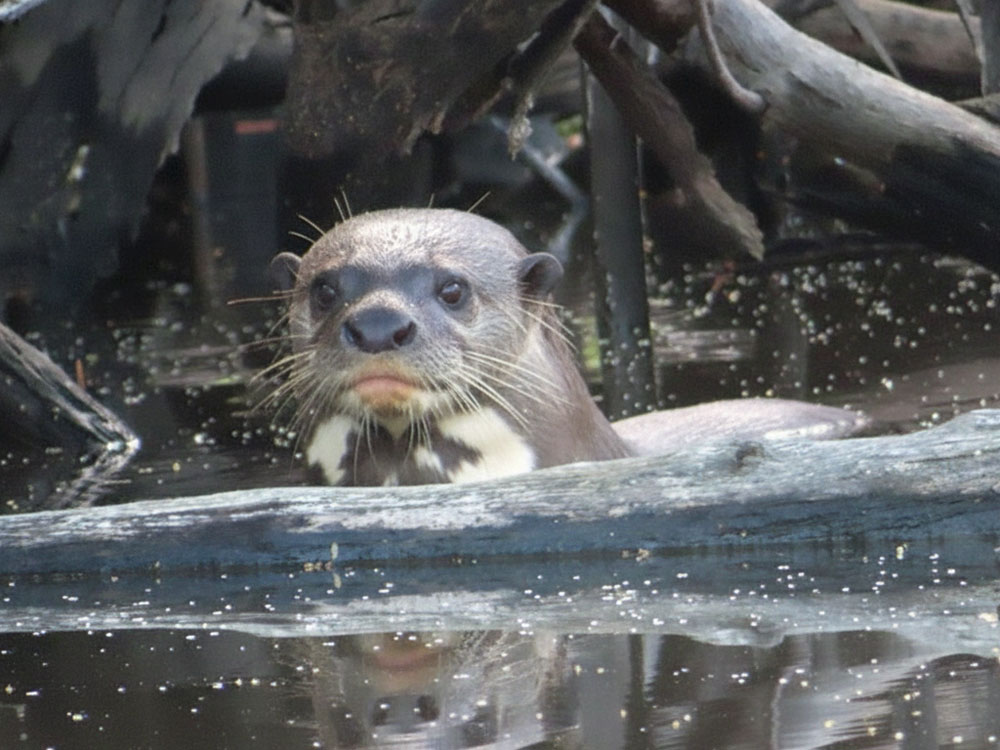
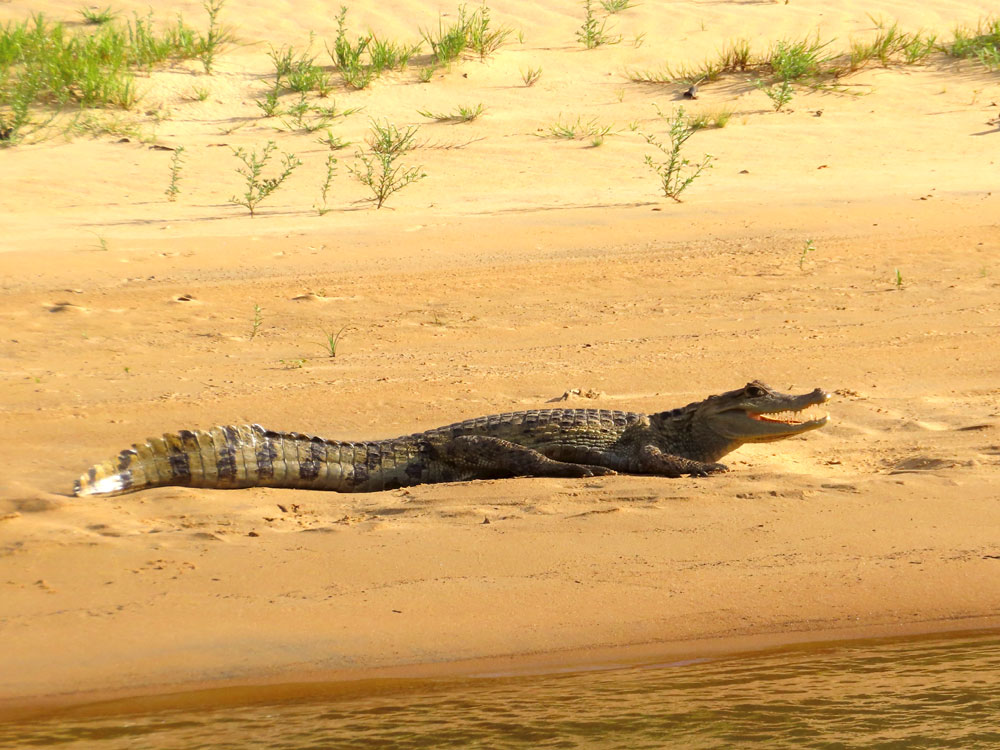
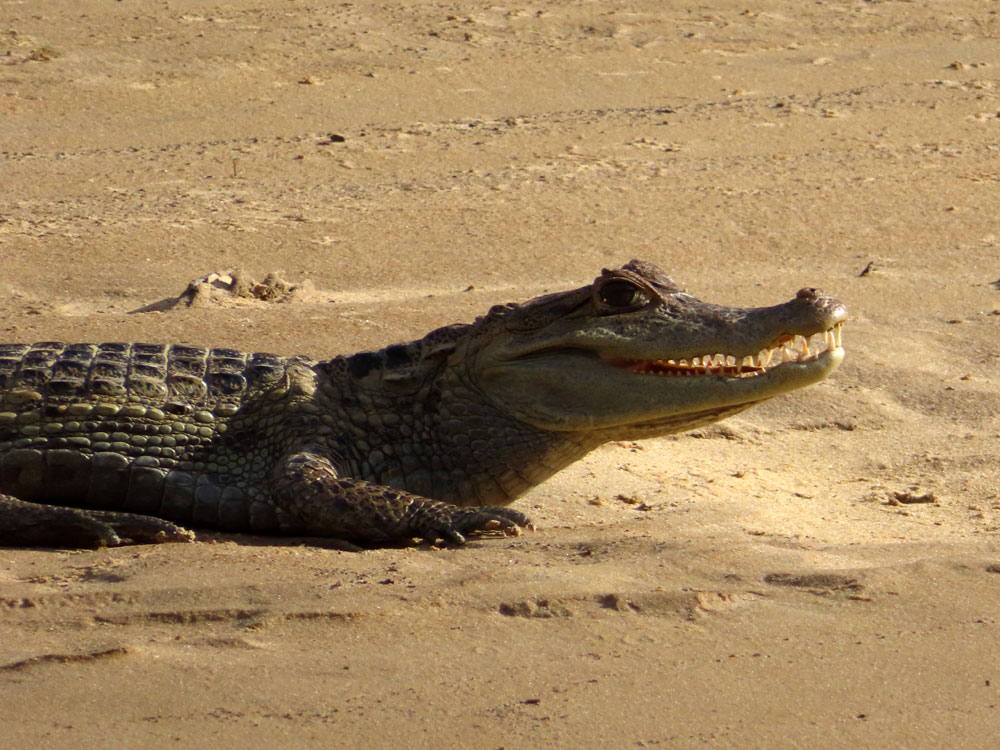
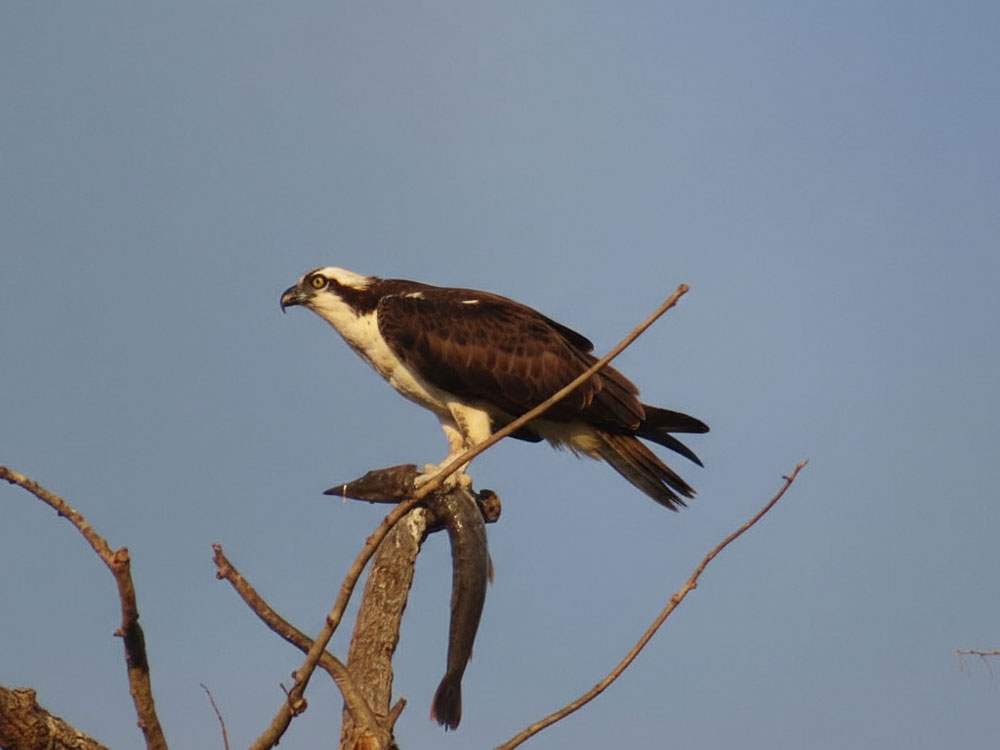
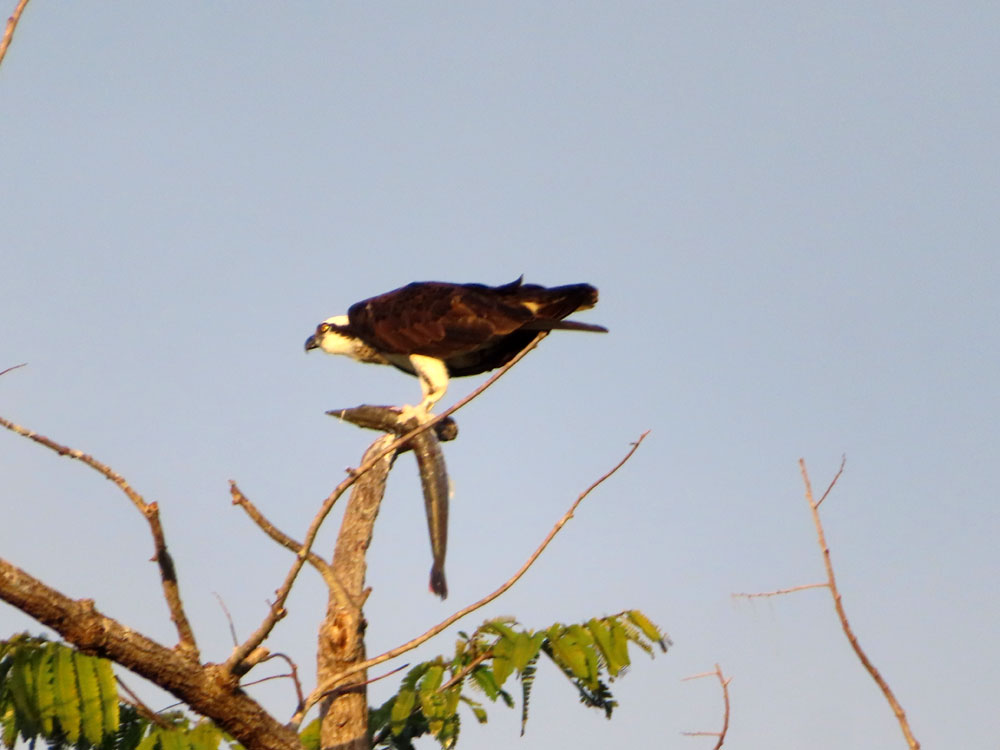
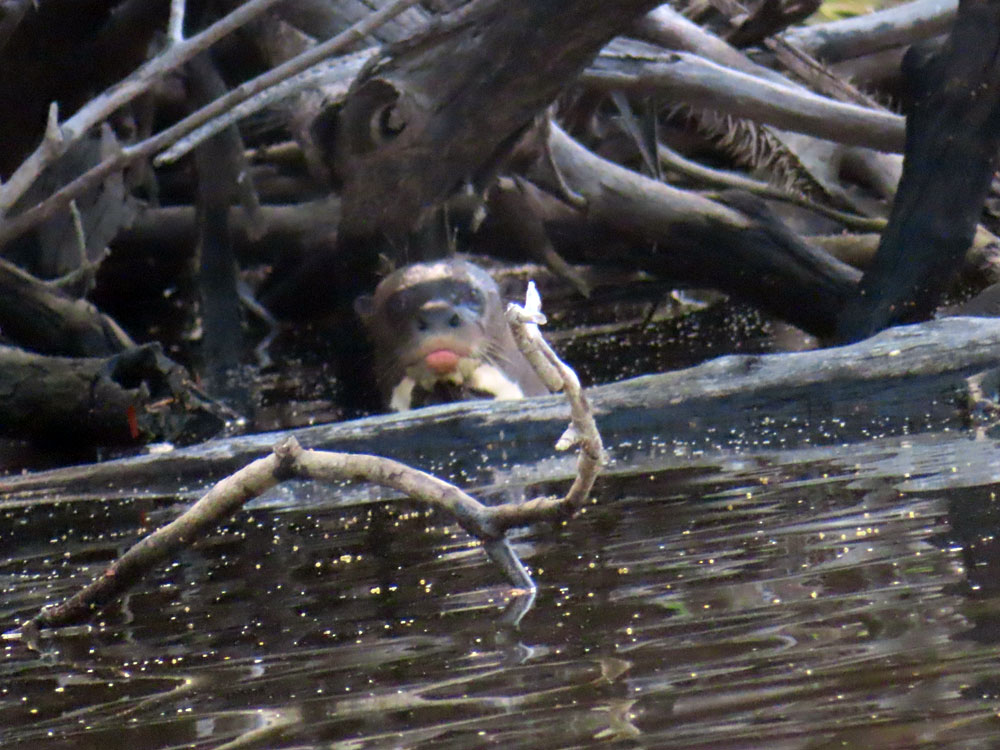
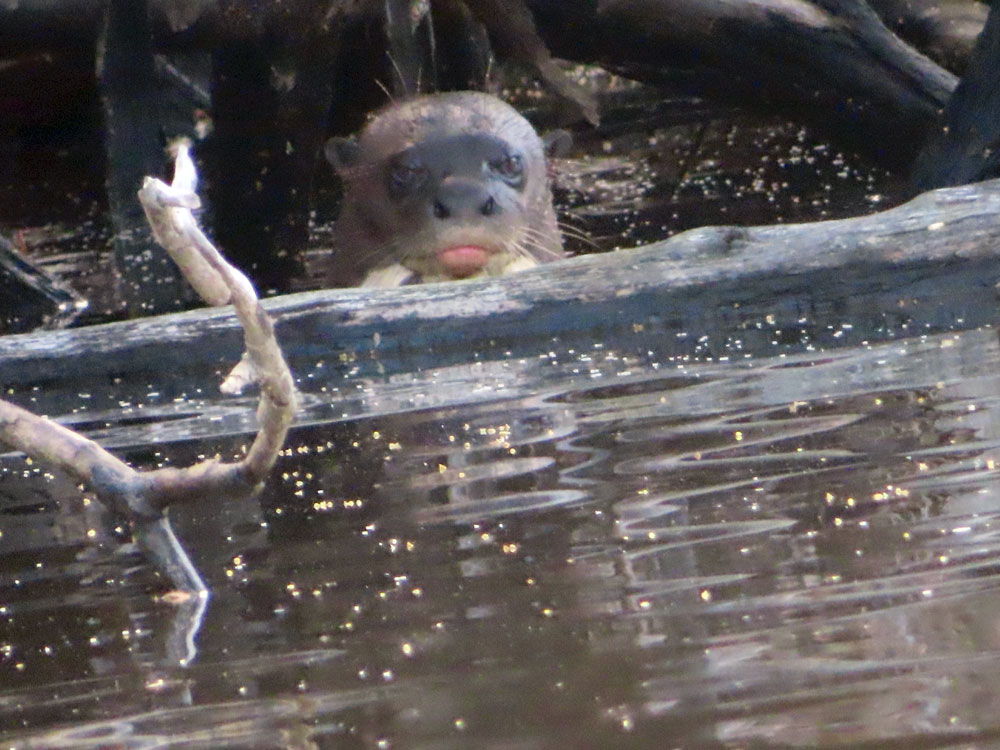
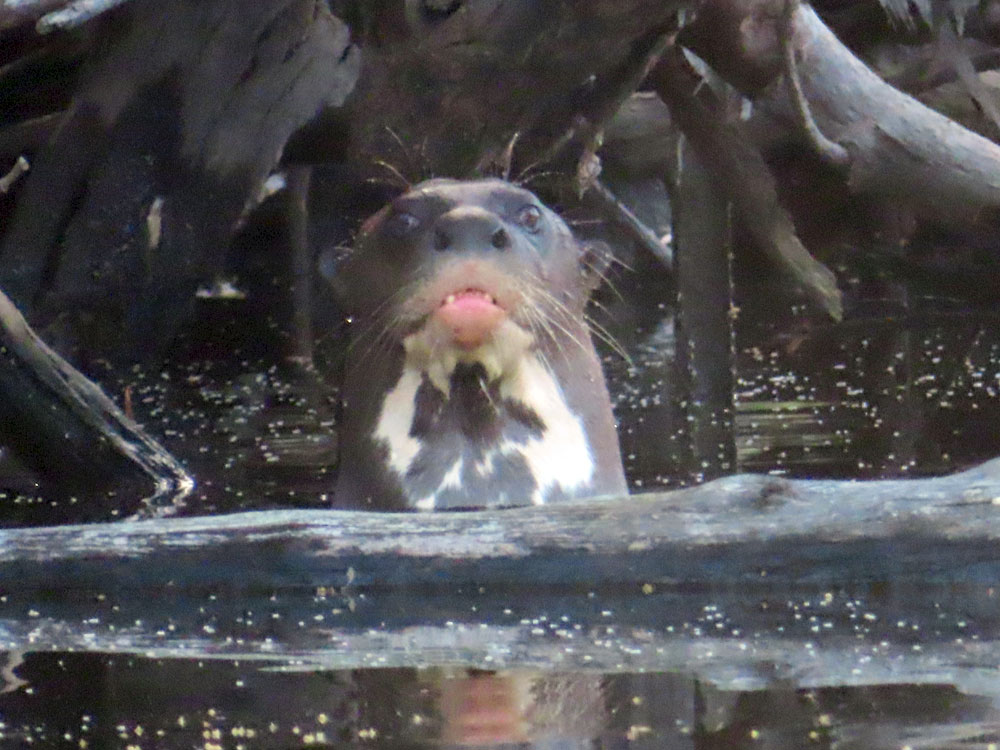
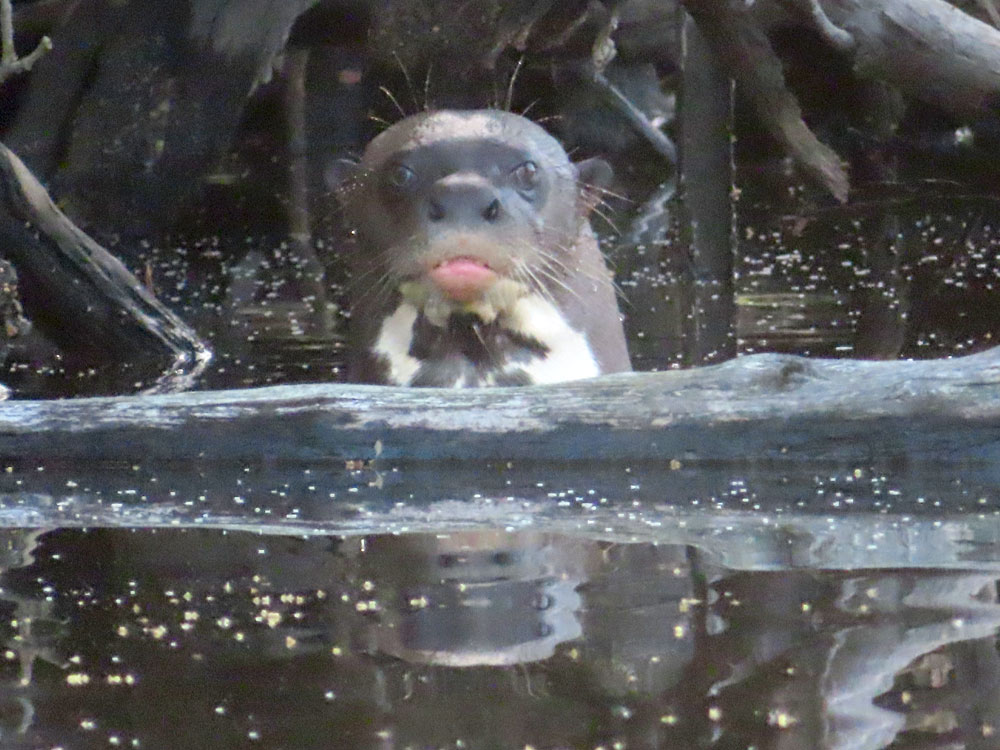
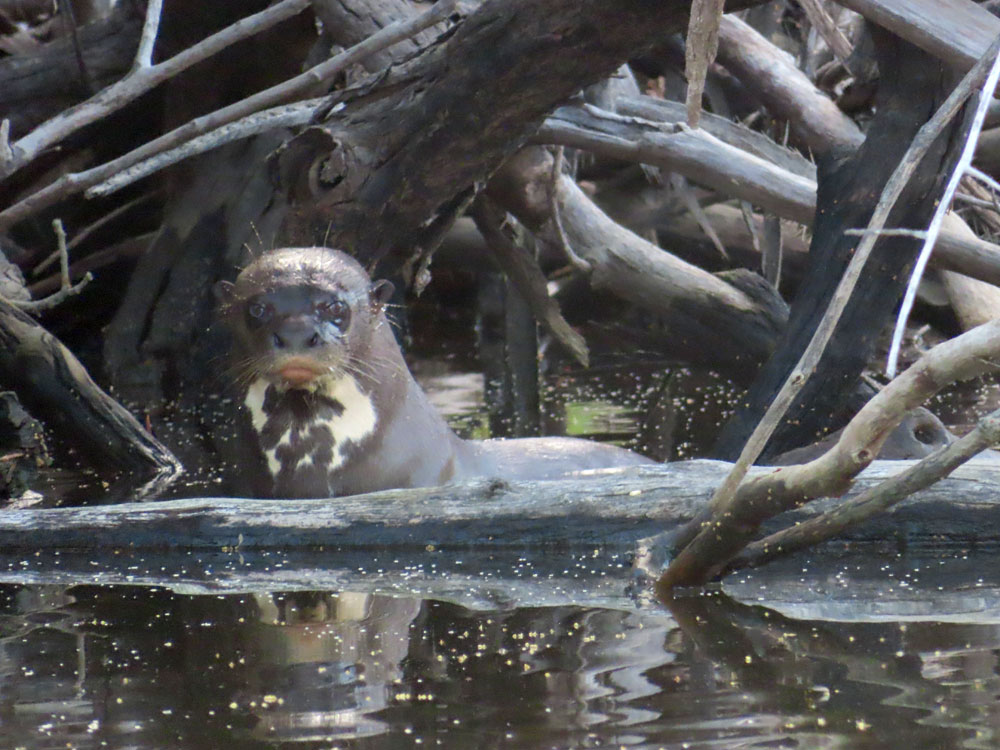
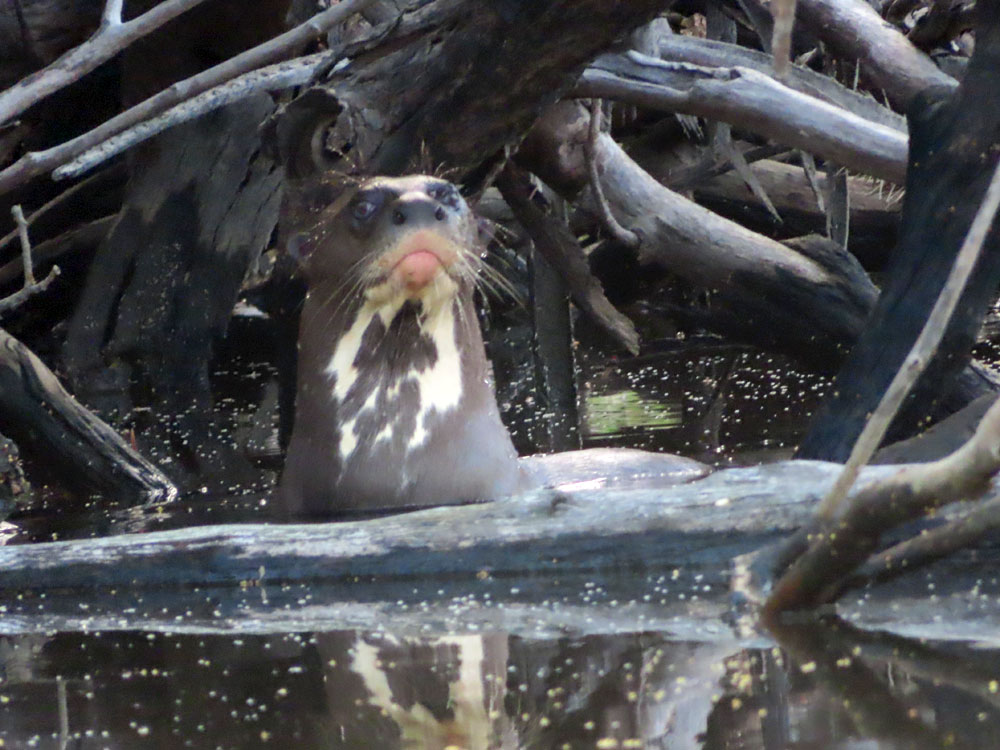
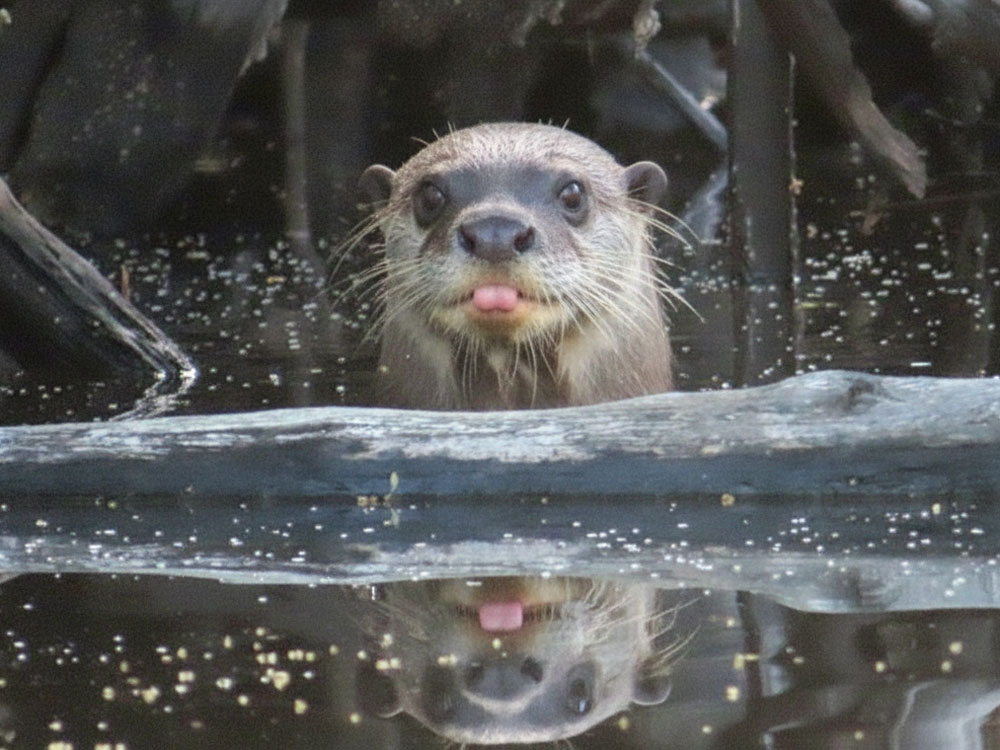
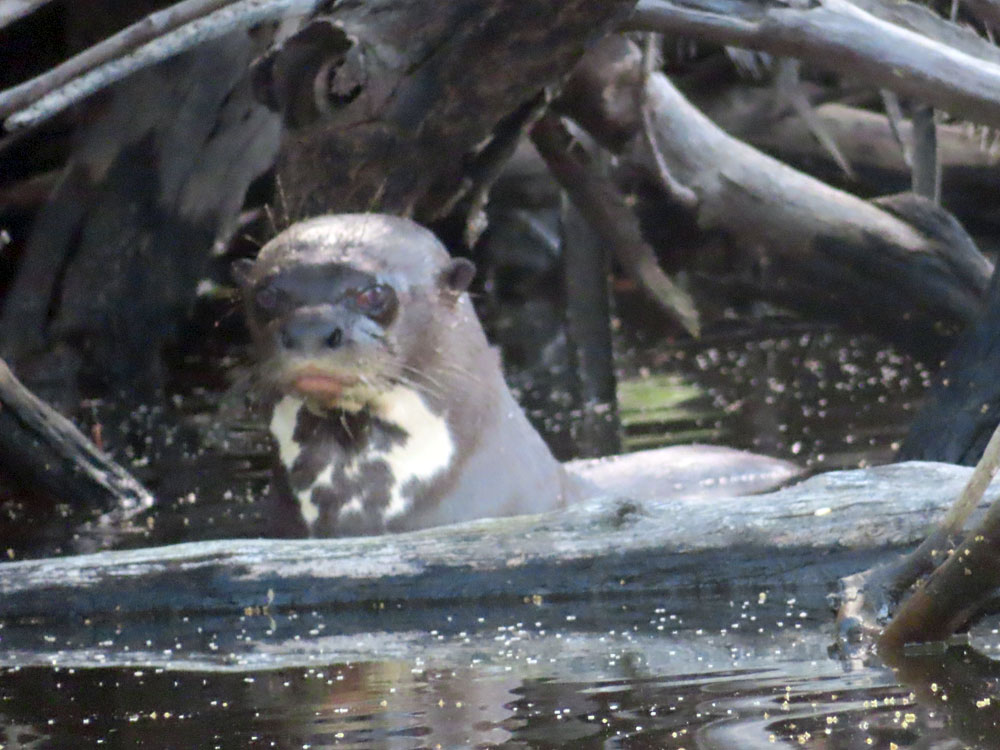
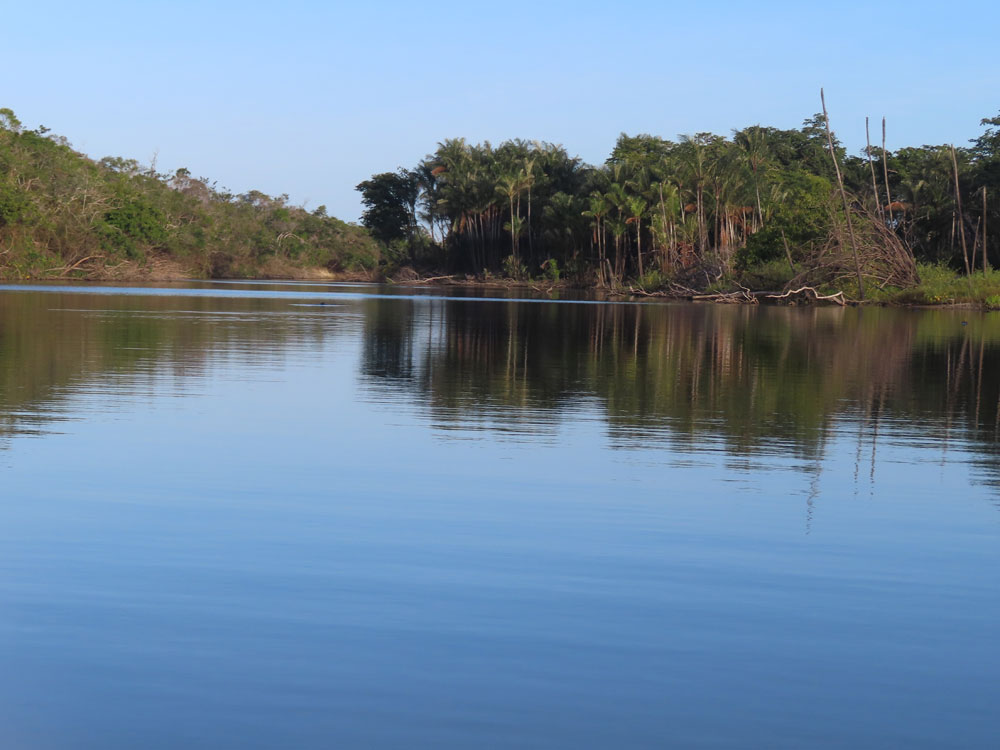
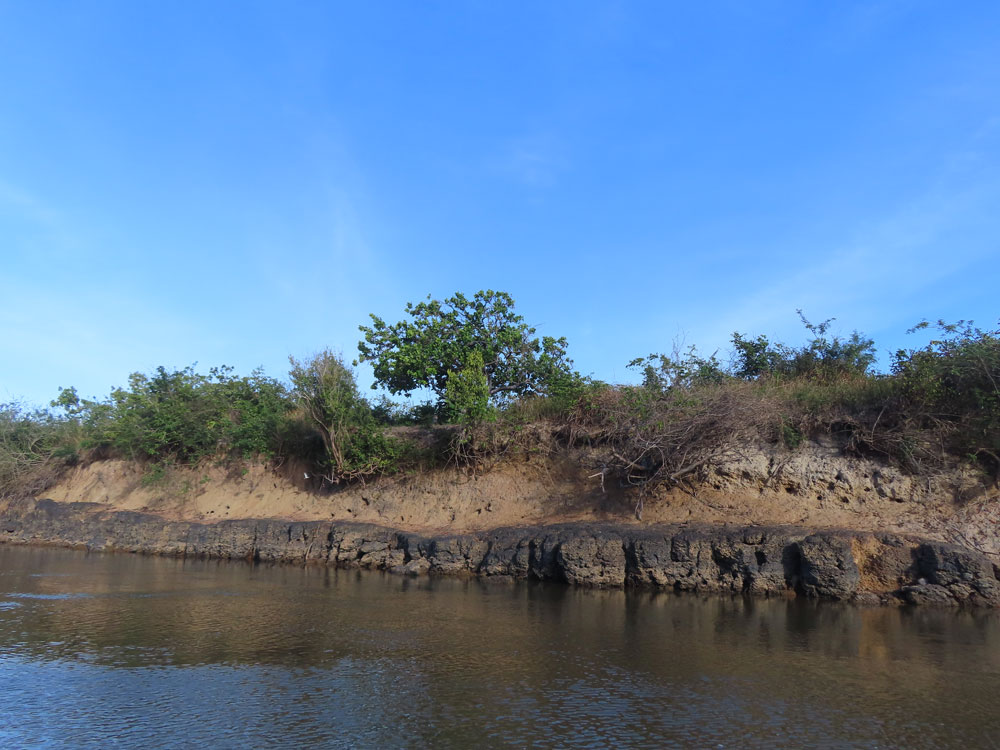
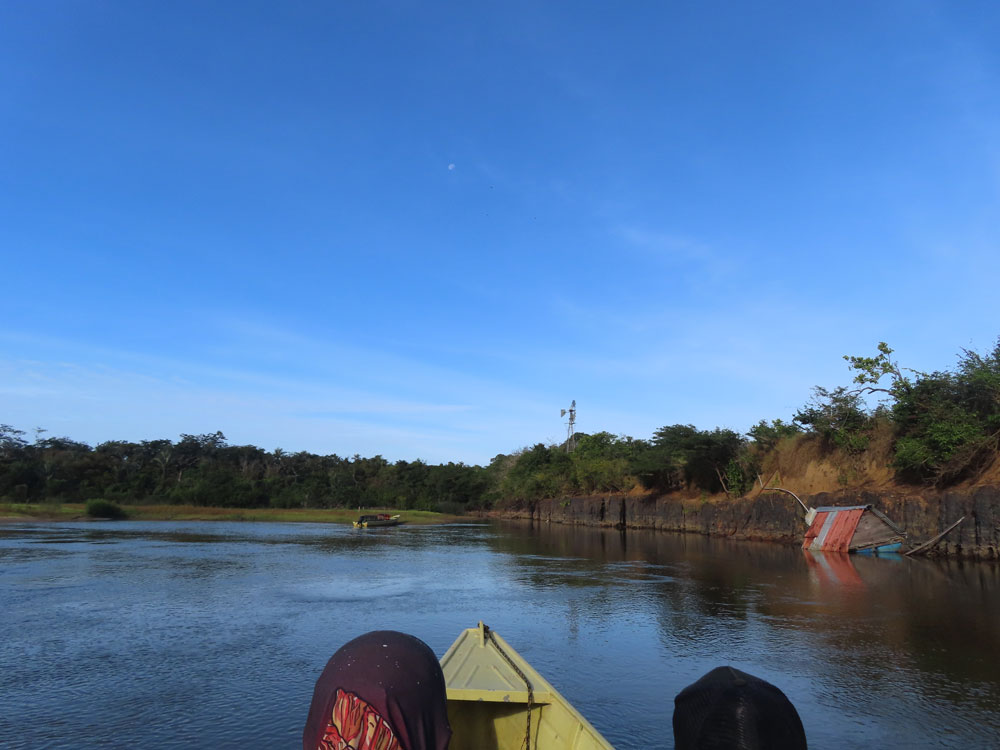
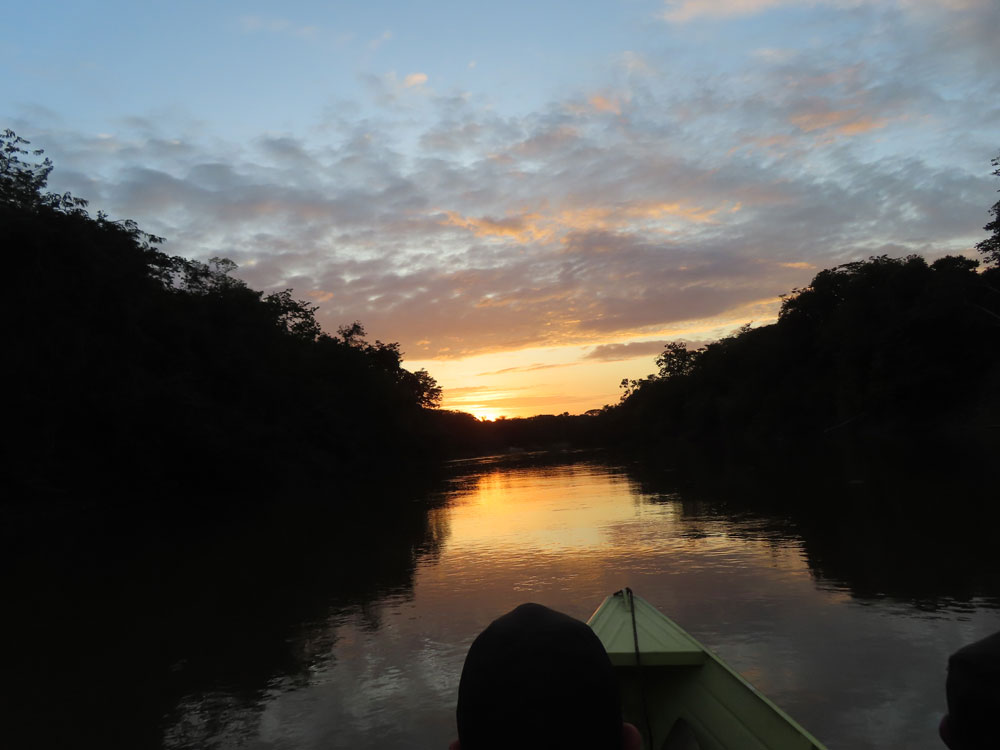
Have watched Melanie and the baby oter we went out on the river to find the real thing, and in fact found a small colony
Click on thumbnail photo below to get larger photo
 |
 |
 |
 |
 |
 |
 |
 |
 |
 |
 |
 |
 |
 |
 |
 |
A very pleasant supper and then I listened to the news on my iPhone before coming back to the chalet to write this diary and prepare for yet another early start in the morning.
