Lubumbashi ( formerly Élisabethville ) is the second-largest city in the Democratic Republic of the Congo, located in the country's southeasternmost part, along the border with Zambia. The capital and principal city of the Haut-Katanga Province, Lubumbashi is the center of mining in the region, acting as a hub for many of the country's largest mining companies.No definite population figures are available, but the population of the city's urban area is estimated to be around 2,584,000 in 2021
Katanga-Benguela line A branch of the Katanga Railway was built from Tenke junction just north-west of Likasi via Kolwezi to Dilolo at the Angolan border. 522 km, 3 ft 6 in gauge. This connects with the Benguela Railway from Luau to the Atlantic port of Lobito. This allowed through passenger trains to run between Lubumbashi and Lobito, and freight trains to carry copper from the Zambian and Katangan Copperbelts to a seaport for the export of copper. It was this purpose which provided the investment for the Benguela Railway. It did not operate through Angola from the 1970s, due to the civil war there. The line between Kolwezi and Dilolo was described by UNJLC in 2006 as 'very degraded'. It reopened in 2018.In 2023, the Lobito Atlantic Railway took over this corridor.
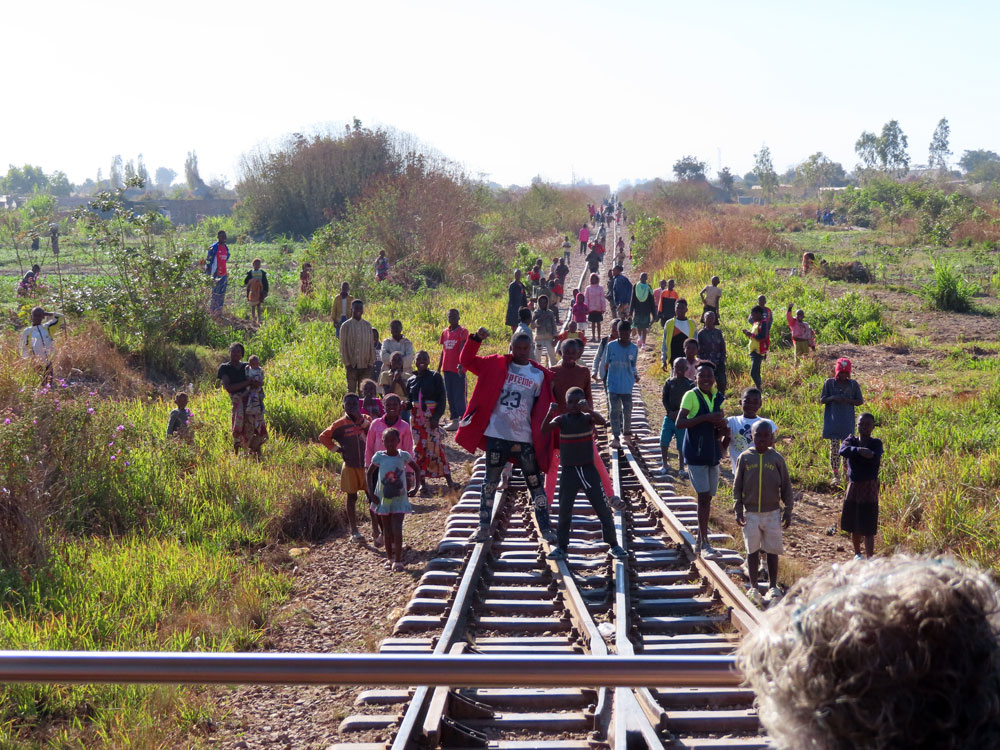
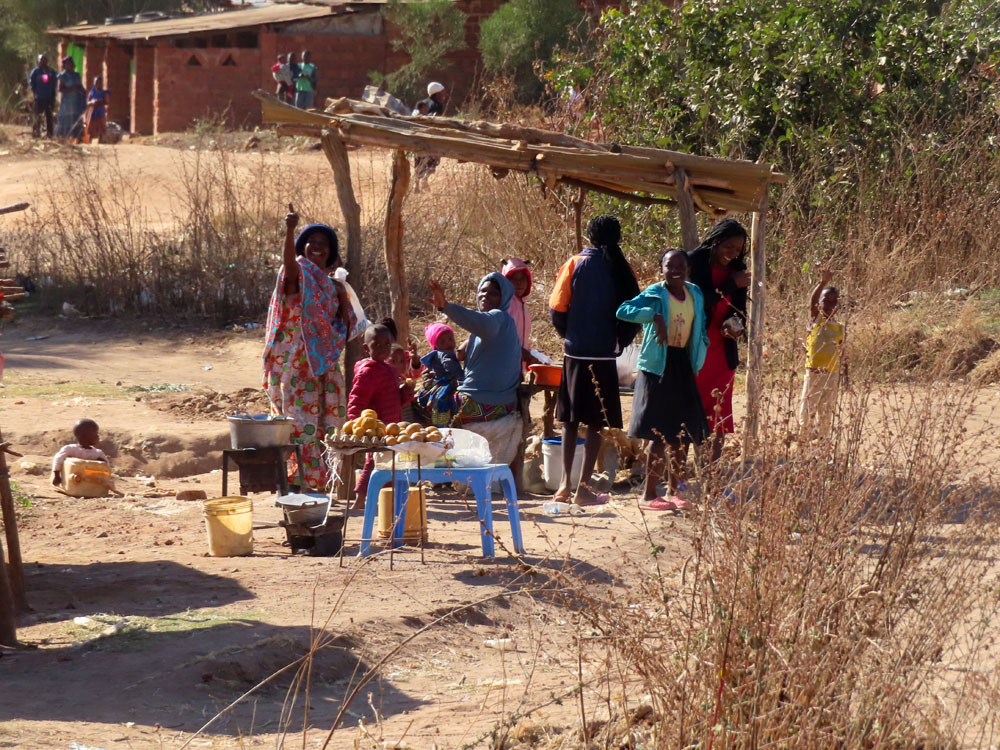
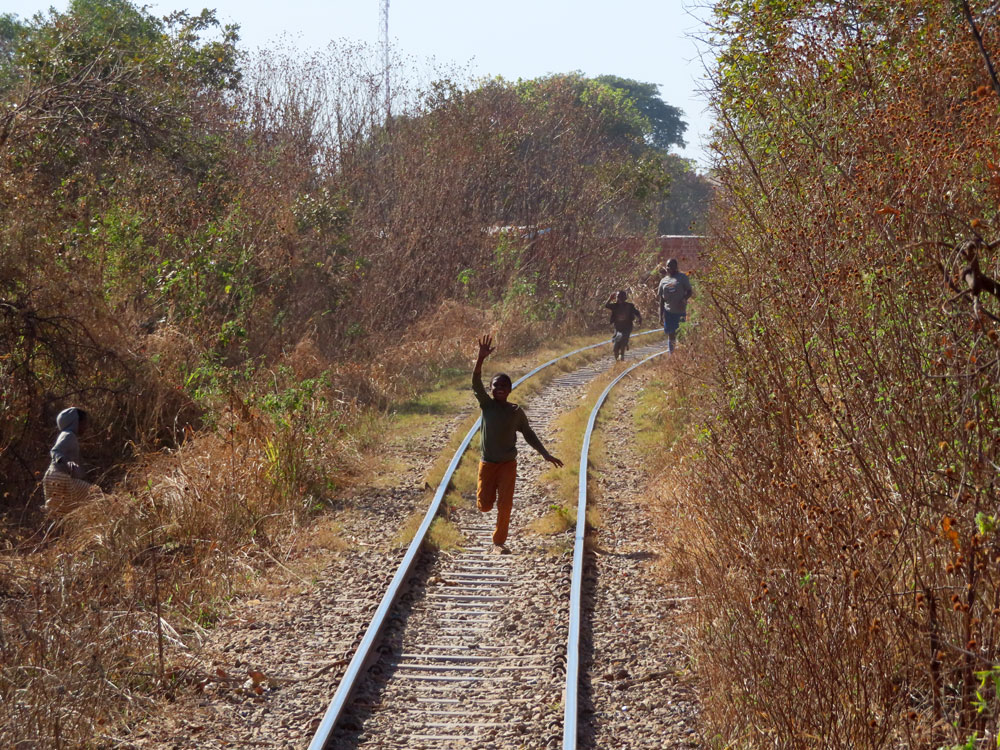
The line is now very degraded, and we could only average 15 km/hr for 24 hours. The reason is that people started digging along the railway tracks. They believed that trains transporting copper from Kolwezi to Angola often left copper residue in between and along the tracks. It's called 'vert d'eau' [‘green water’]. Using this dust, it's possible to piece together copper. The diggers bring the residue that they find to Chinese dealers, who are very present in the region. These dealers modify their 'vert d’eau’ to make copper and then export it. It is a marginal existence as pure copper gets $6000 a ton, and think how much dirt someone would have to scrape out in order to get even few kilo of pure copper. The lines are not maintained, so the ballast that has been dug out is never replaced, and hence many of the tracks hang in thin air. Slow speed is necessary yo avoid derailing
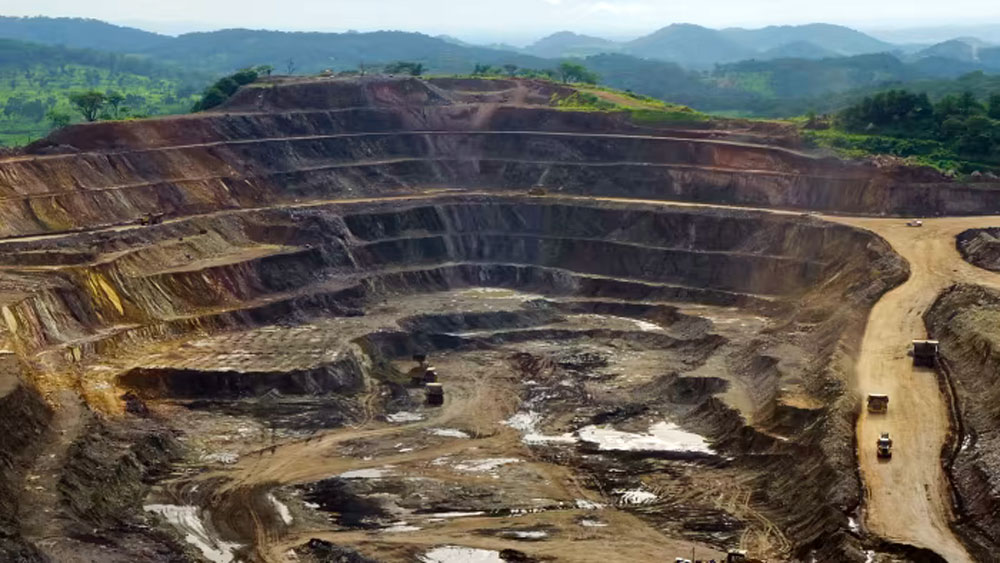
Here you fine large copper producers. La Générale des Carrières et des Mines (Gécamines) is a Congolese commodity trading and mining company headquartered in Lubumbashi. It is a state-controlled corporation founded in 1966 and a successor to the Union Minière du Haut-Katanga. Gecamines is engaged in the exploration, research, exploitation and production of mineral deposits including copper and cobalt. One of the largest mining companies in Africa, and the biggest in the Democratic Republic of Congo, Gécamines sits on the world's greatest deposit of cobalt and has some of the world's largest deposits of copper. Copper mines in which Gécamines has a major interest include, but are not limited to, Kambove, Kipushi, Kamfundwa and Kolwezi.
July 30, Wednesday . Lubumbashi
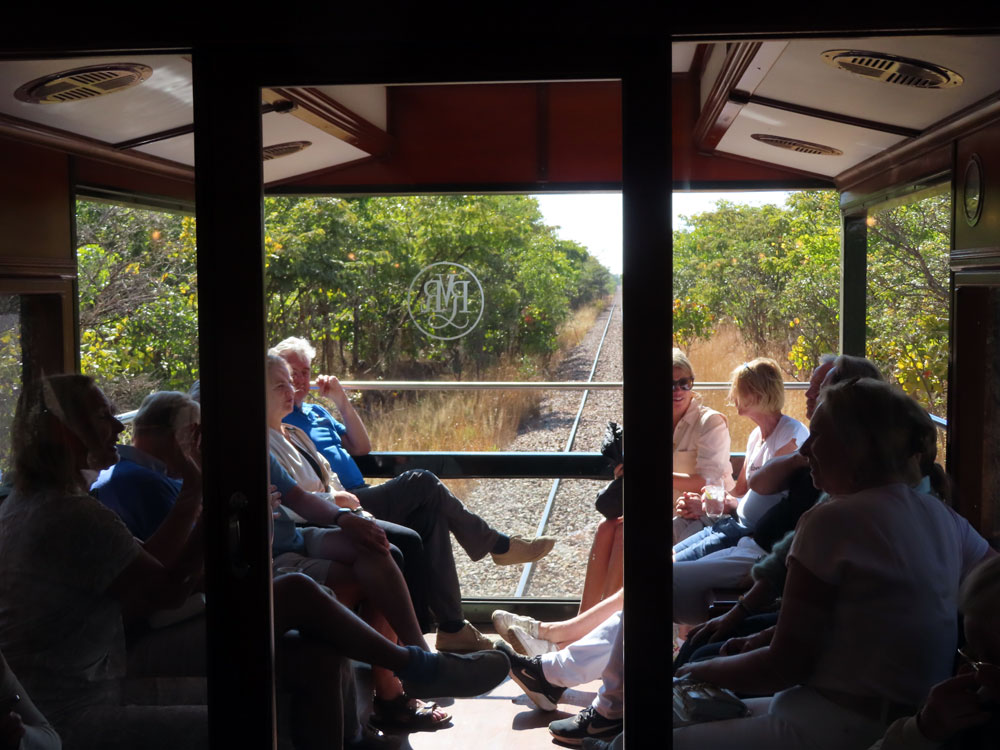
We got up for the earliest breakfast in order to depart at 8 am, and then went to the Observation Car, only to find the The Bastards from the Dutch group had bagged all the outside seats. And they were so noisey. At 1010 when it was announced that that would be a lecture by Tim Butcher at 10:15 in the middle lounge, this a bit too late as it took Chris at least eight minutes to walk to the middle lounge from here but she enjoyed holding up the Bastards group as they could not pass on the narrow train corridor. The Dutch group had six or seven suites on board. Then a really superb lecture by Tim on his travels across the Congo around 2005 and from which he had written a book called Blood River which we have been given a copy of in our cabin. David downloaded an audio copy for me as an audio book during the morning.
After this lunch was at 12:30 so that our delayed tour of Lubumbashi was going to start at 2 pm, although this was only announced at 1:45 pm in the dining car. Rovos Rail seemed to delight in not telling us too much about the future and telling us it all a trifle too late. So at 2 pm, we boarded one of two coaches, making sure we were in that one which contain Tim and not Nicholas,.
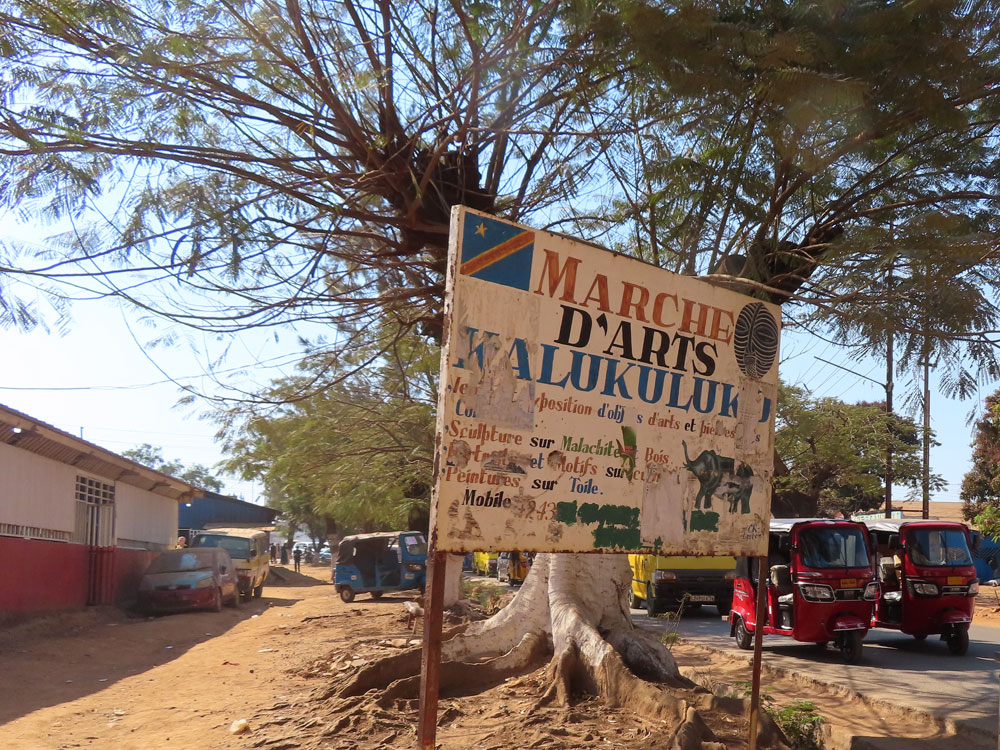
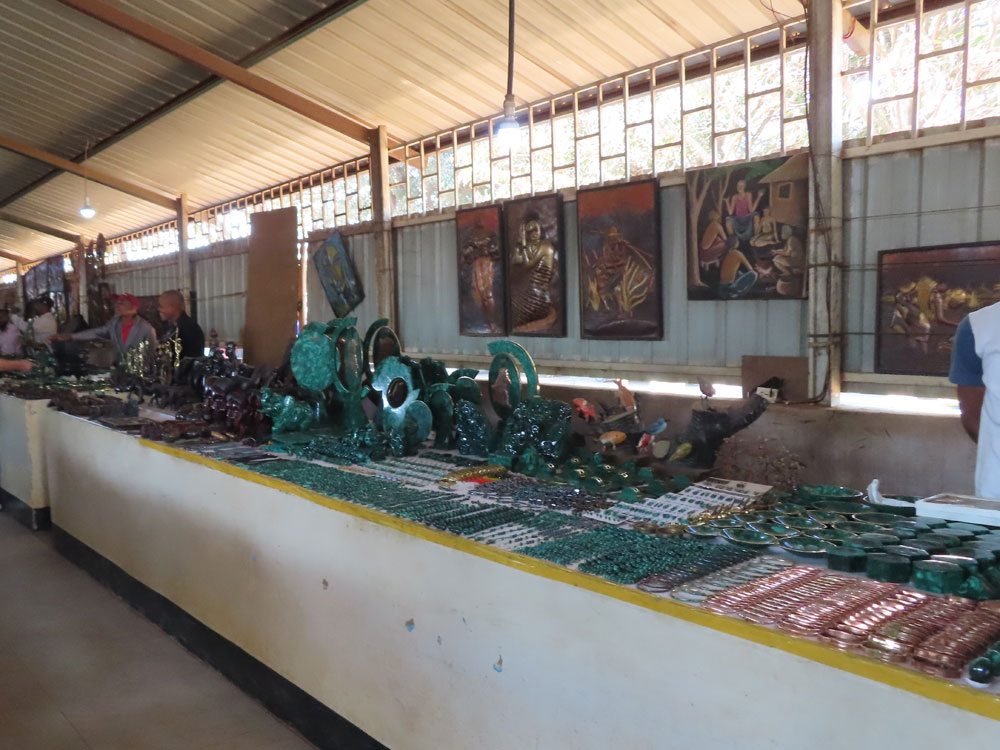
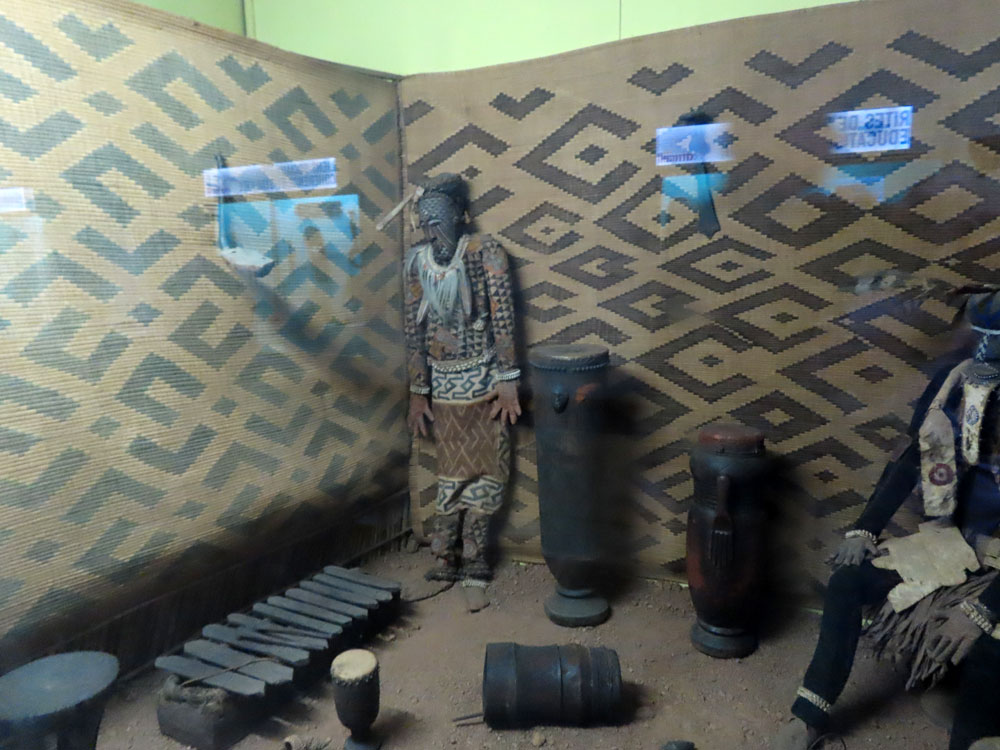
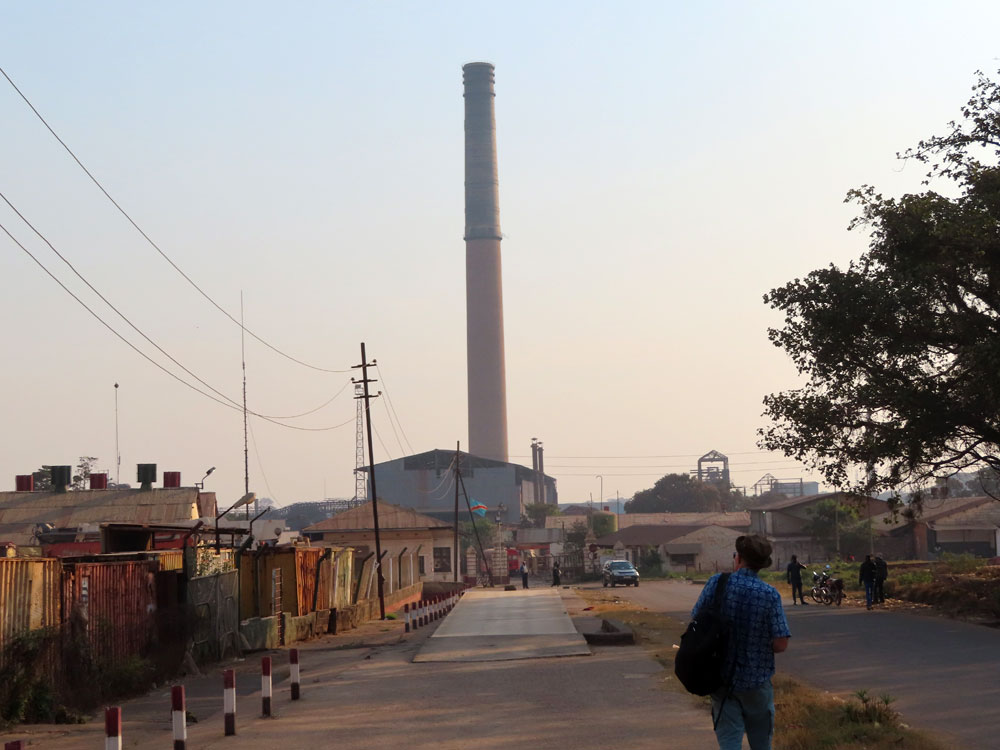
We then had a three hour tour of Lubumbashi. First stop was a "craft market" where there were at least three rooms of trinkets. Some of the guests did buy bangles or samples of rock. Then onto the museum which was a bit antiquated but had the odd thing of interest. From here to the headquarters of the local giant mining company and to the copper mine where there was a huge crater - we never actually saw the crater, but we did see the very tall chimney for waste gases. The traffic was really dense and there were no traffic lights whatsoever, so very interesting!. A sort of Darwinian survival of the fittest
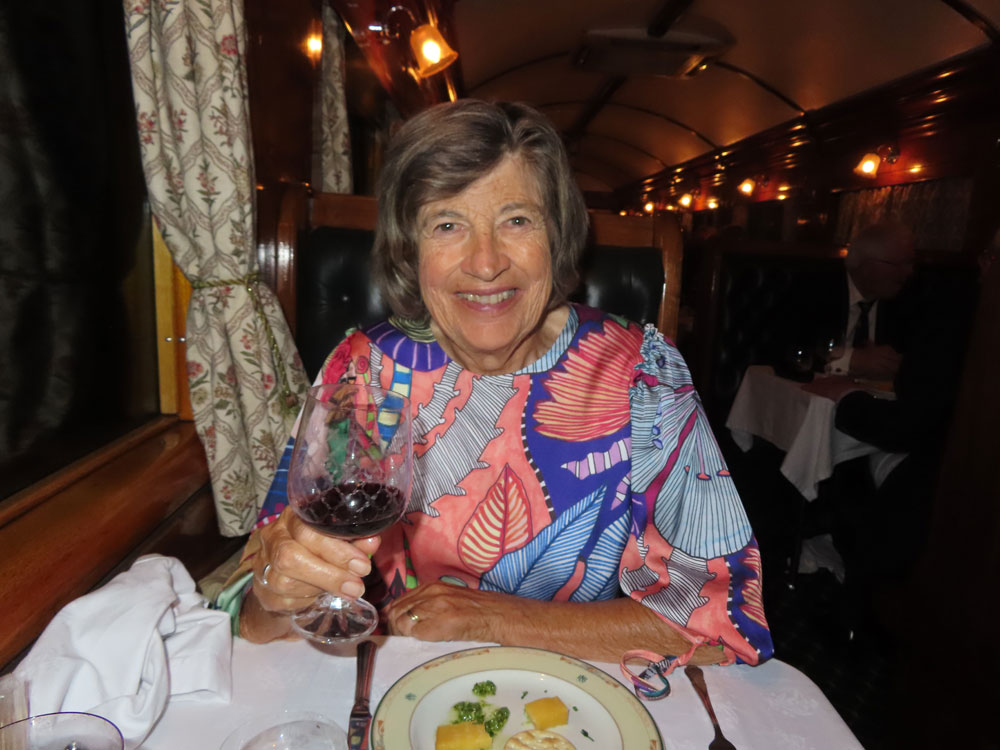
We got back to the train station by around 5 pm, quickly had a shower was the train was still stationary and then went out to the observation lounge for a cocktail and hopefully a read of Tim’s book. But on arriving there it was very crowded and the only table was beside Tim, so we then enjoyed and almost two hour conversation with him, during which we devoured two cocktails. This chat was really really interesting for us. Then on to another pleasant dinner and back to the cabin to do this diary and hopefully start on the book Blood River on audio.
To get a larger photo, click on a thumbnail below
 |
 |
 |
 |
 |
 |
 |
 |
 |
 |
 |
 |
 |
 |
 |
 |
 |
 |
 |
 |
 |
 |
 |
 |
 |
 |
 |
 |
 |
 |
 |
 |