Monday 22nd April . Edfu Temple and on to Luxor
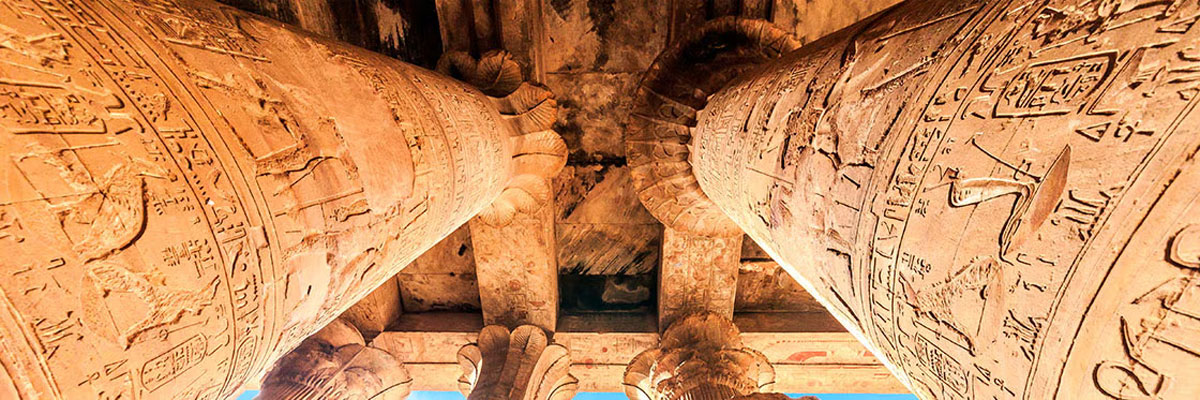
A 6:30 am dis-embark to visit the temple of Edfu. The boat was moored here and we just had a short walk to this impressive temple. It was a magnificent complex which contained, among other delights, a perfume room where recipes for all sorts of perfumes were written in hieroglyphics on the walls. and we were told that Chanel had made use of these perfume recipies- we were a bit doubtful on that though.
 |
 |
We were back on the boat by 8:30 am and had breakfast. There was then talk at 10:30 am on the upcoming days activities and what we were meant to pay in tips at the end of our stay. Egyptians were vary keen on tips. You cannot even go to the loo without having to tip the attendant - but to be fair out tour guides did sort out the loo tipping, so we did not actually have to pay them.
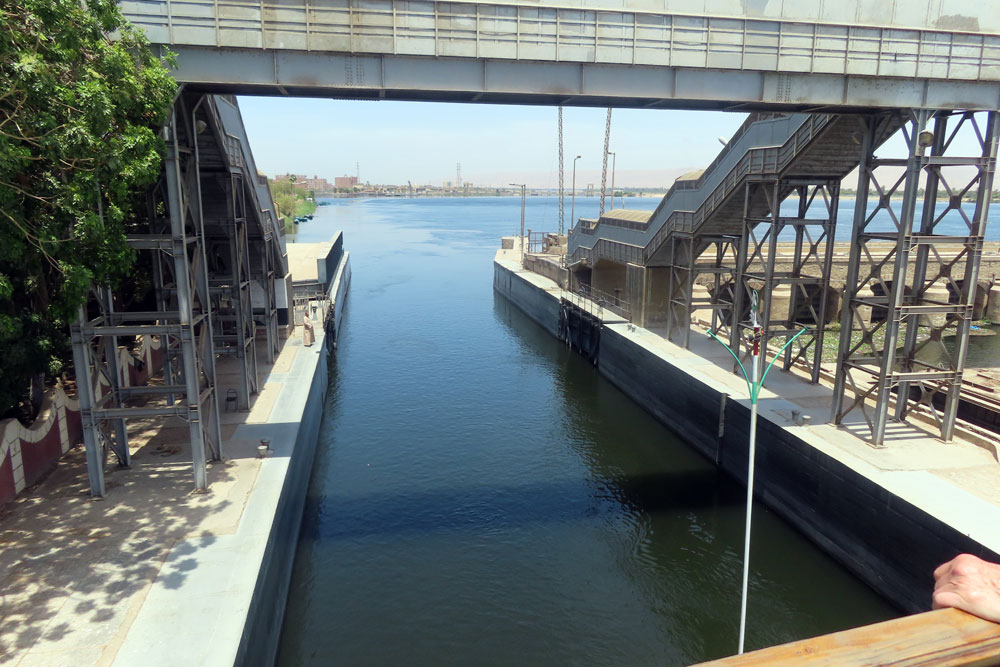
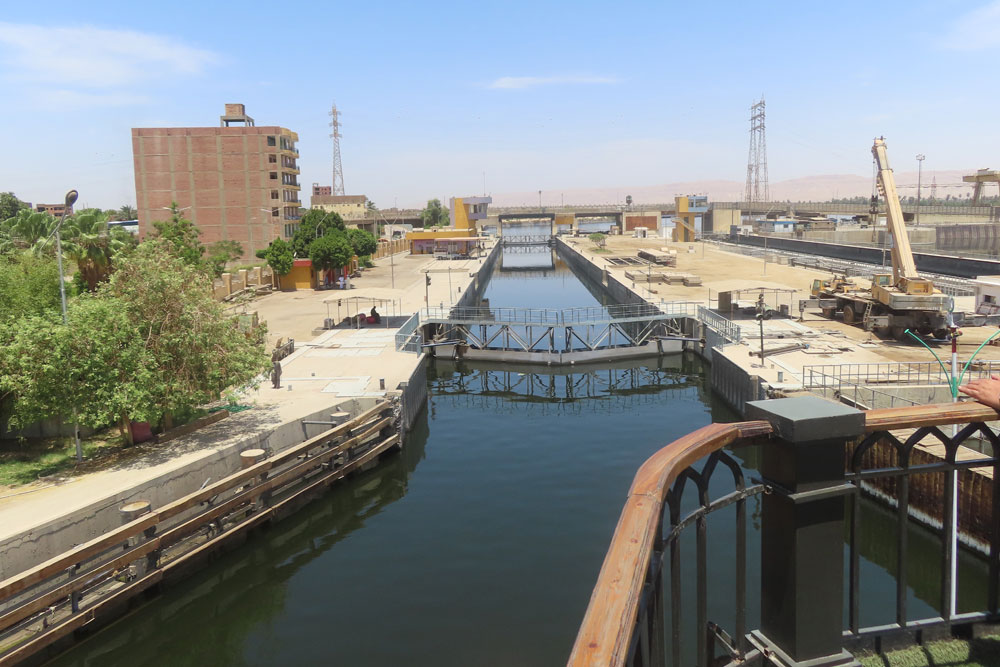
Later in the morning, at 11:30, we went through the Esna Lock: we were delayed a few minutes by the fact that they had no electricity when we arrived. so they could not operate the lock gates. Really interesting bad tempered shouting between ship and shore - Egyptians seem to like bad tempered shouting as it is part of their way of life.
After a lunch of the portion of rare cooked steak offered to us due to the charred offerings of the previous night, Chris had a siesta and then a swim at 3:30 which was very invigorating ,
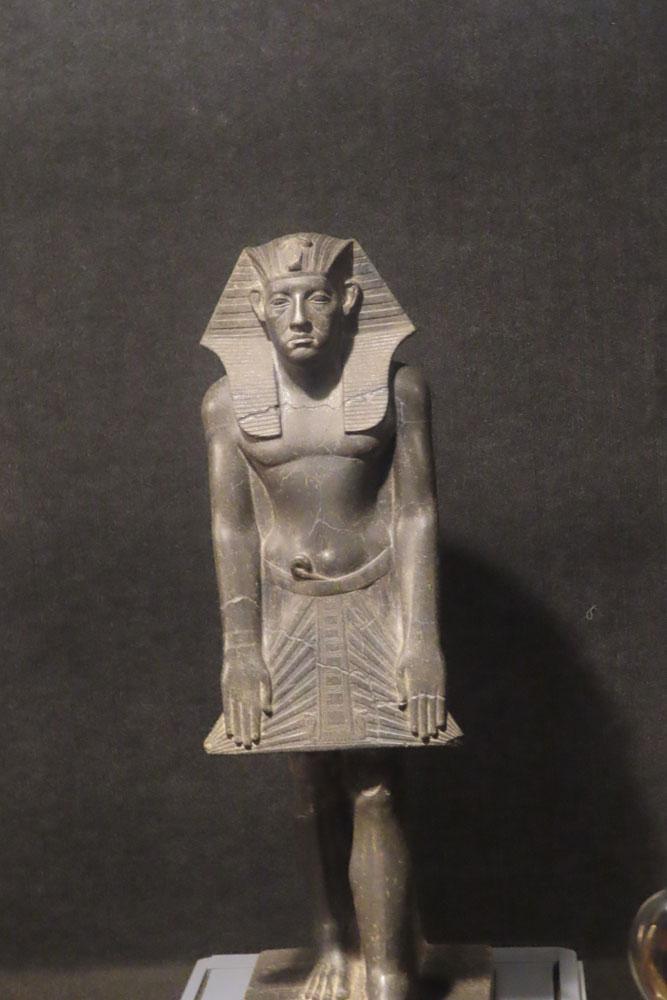
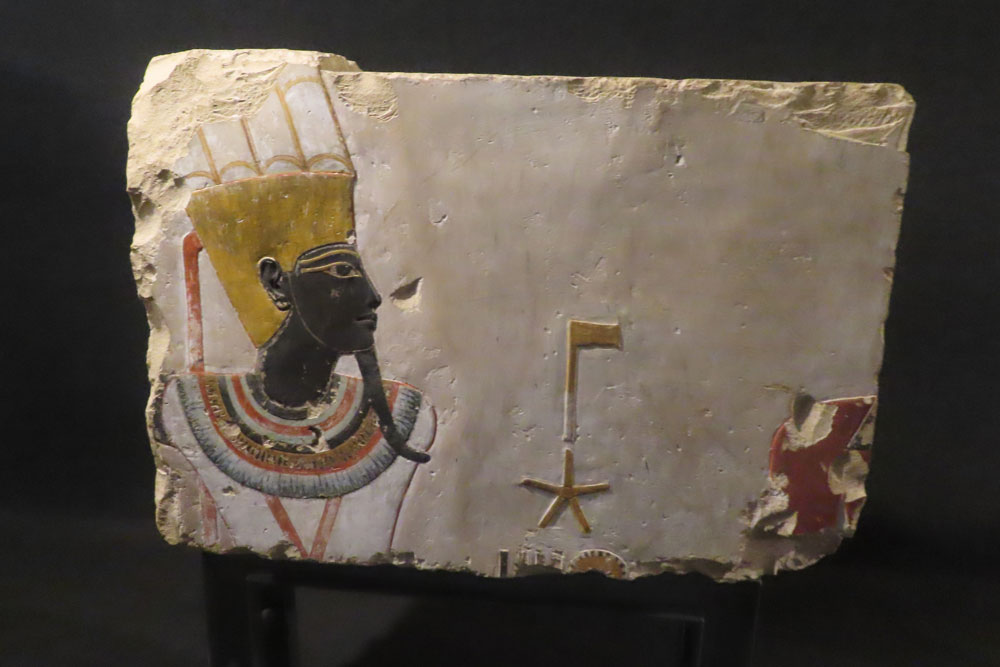
We reached Luxor and we went out again at 4:30 to the Luxor museum which contains the finds of an archaeological dig from 1989, just fantastic. It was a really good museum and it was not overcrowded with artifacts nor with tourists, then back by coach to the ship A very pleasant Moroccan supper followed by, an Egyptian band with audience participation which we left, not wishing to participate. Some of our fellow guests really enjoyed it though. Horses for courses and all that.
Edfu Temple
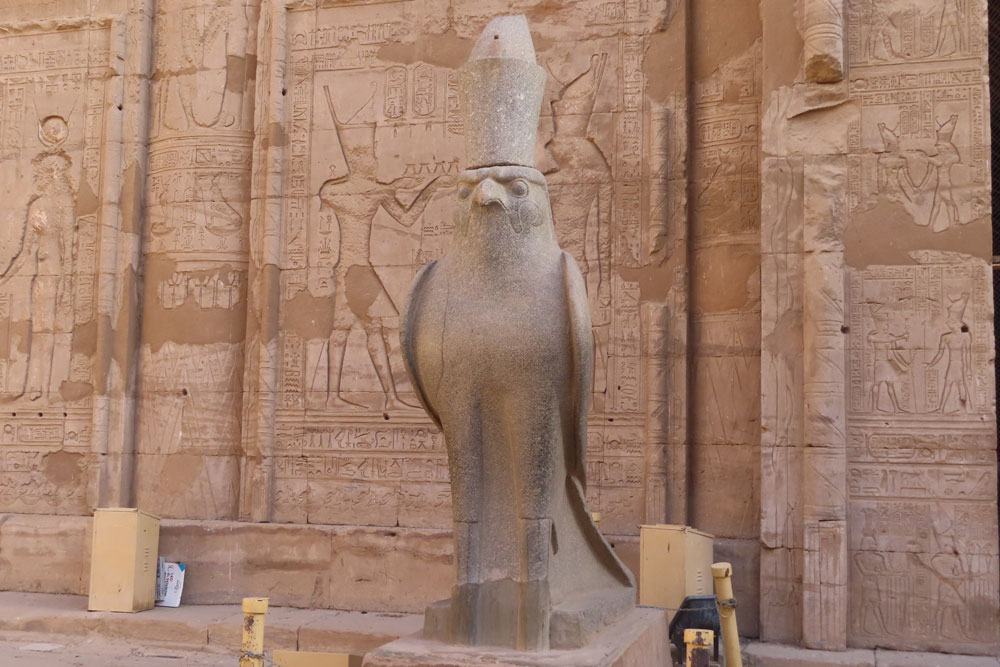
The Temple of Edfu is located on the west bank of the Nile in Edfu. The city was known in Latin as Apollonopolis Magna, after the chief god Horus, who was identified as Apollo. It is one of the best preserved shrines in Egypt. The temple was built in the Ptolemaic Kingdom between 237 and 57 BC. The inscriptions on its walls provide important information on language, myth and religion during the Hellenistic period in Egypt.
In particular, the Temple's inscribed building texts provide details of its construction, and also preserve information about the mythical interpretation of this and all other temples as the Island of Creation. There are also "important scenes and inscriptions of the Sacred Drama which related the age-old conflict between Horus and Seth.
The temple of Edfu is the largest temple dedicated to Horus and Hathor of Dendera. It was the centre of several festivals sacred to Horus. Each year Hathor travelled south from her temple at Denderah to visit Horus at Edfu, and this event marking their sacred marriage was the occasion of a great festival and pilgrimage.
Click on any of the thumbnail photos for a larger version
 |
 |
 |
 |
 |
|
 |
 |
 |
 |
 |
 |
Ensa Lock
In the 20th century, the construction of the Esna lock revitalized the city’s importance. The lock serves as a “water elevator” that allows Nile cruise boats to navigate the 10-meter difference in altitude during their journey. The lock’s structure also functions as a bridge between the two banks of the Nile.
Click on any of the thumbnail photos for a larger version
 |
 |
Luxor Museum
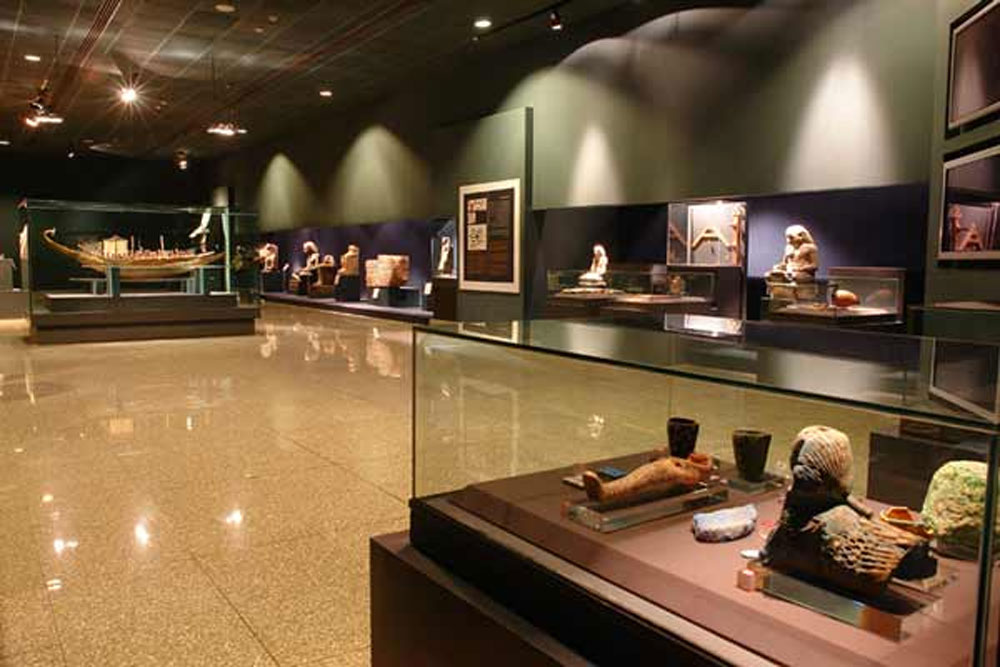
It stands on the corniche, overlooking the east bank of the River Nile. The Museum was opened in 1975. The range of artifacts on display is far more restricted than the country's main collections in the Egyptian Museum in Cairo; this was, however, deliberate, since the museum prides itself on the quality of the pieces it has, the uncluttered way in which they are displayed, and the clear multilingual labeling used.
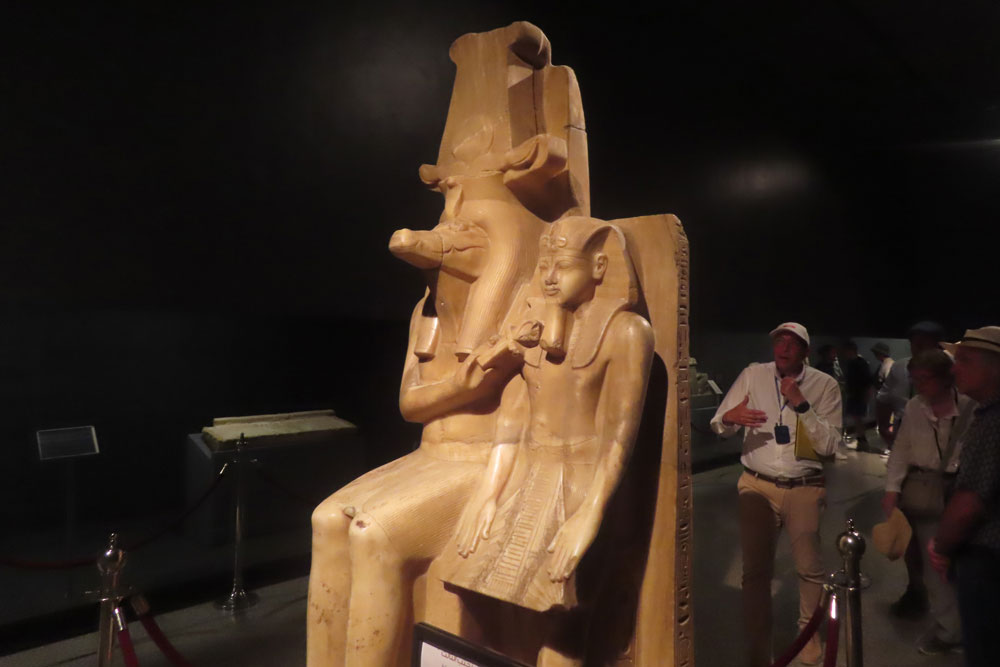
Among the items on display are grave goods from the tomb of the 18th dynasty pharaoh Tutankhamun (KV62) and a collection of 26 New Kingdom statues that were found buried in the Luxor statue cache in the nearby Luxor Temple in 1989. The royal mummies of two pharaohs – Ahmose I and Ramesses I – were also put on display in the Luxor Museum in March 2004, as part of the new extension to the museum. A major exhibit is a reconstruction of one of the walls of Akhenaten's temple at Karnak. One of the featured items in the collection is a calcite double statue of the crocodile god Sobek and the 18th Dynasty pharaoh Amenhotep III.
Click on any of the thumbnail photos for a larger version
 |
 |
 |
 |
 |
 |
 |
 |
 |
 |
 |
 |