
The crammed together, timber-framed houses of Honfleur's delightful waterfront simply beg to be painted, and the waterfront beauty has been immortalised on the canvases of artists like Monet, and Honfleur's celebrated son, Boudin. Located in scenic Normandy, where the Seine opens out into the Channel, this is one of France's - and the world's - most spectacular, historic harbours. Impossibly picturesque, the Vieux Bassin's Norman harbour townhouses are an artist’s dream, reflecting out onto the still water, between bright wooden fishing boats. It may be gorgeous, but it’s also a historically important port, and Samuel de Champlain's epic voyage - which resulted in the founding of Quebec - launched from these waters. Take a stroll back in time, as you wander cobbled streets where flowers spill down walls or sit to indulge in Calvados – brandy made from Normandy's famous apples.
A museum dedicated to Eugene Boudin, the town's influential impressionist artist, displays visions of the harbour and region, as well as paintings of the town's stunning wooden church. Wander to Eglise St Catherine itself, to see the twisting structure, which is France's largest wooden chapel. Constructed from trees taken from nearby Touques Forest, it replaced the stone church that stood here previously, which was destroyed during the Hundred Years War. Out of Honfleur, The spectacular Pont de Normandie cable-stayed bridge loops up over the Seine's estuary, bringing excursions to Le Havre even closer. The pensive, sombre beaches of the D-Day landings stretch out across Normandy's coastline, while the Bayeux Tapestry unfurls within reach of Honfleur's picturesque scenery.
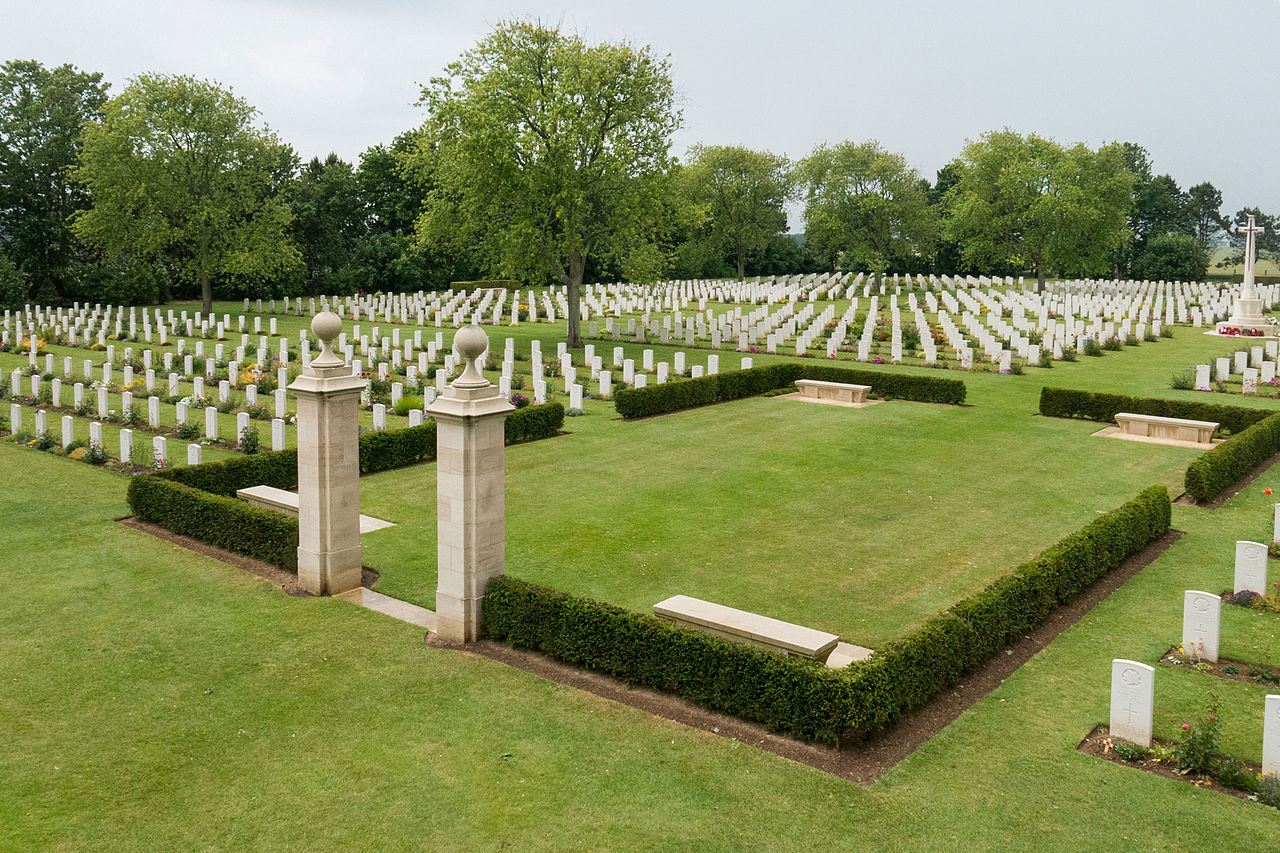
Take a day to visit and honor the fallen D-Day soldiers and be reminded of the somber history of Omaha Beach on this full-day excursion. Departing the pier, drive 1.75 hours to the American Cemetery, where the majority of the nearly 10,000 American soldiers killed at Omaha Beach are buried.The American Cemetery is located on 170acres (69hectares) of land given to the United States by France as a token of her gratitude. Here, 9386 marble crosses and Stars of David are aligned on a plateau above the beach in a striking, sobering display. A memorial contains theTablets of the Missing, and a map outlines the battle sites of the Normandy beaches. Observe a small ceremony in honor of these freedom fighters.
 |
 |
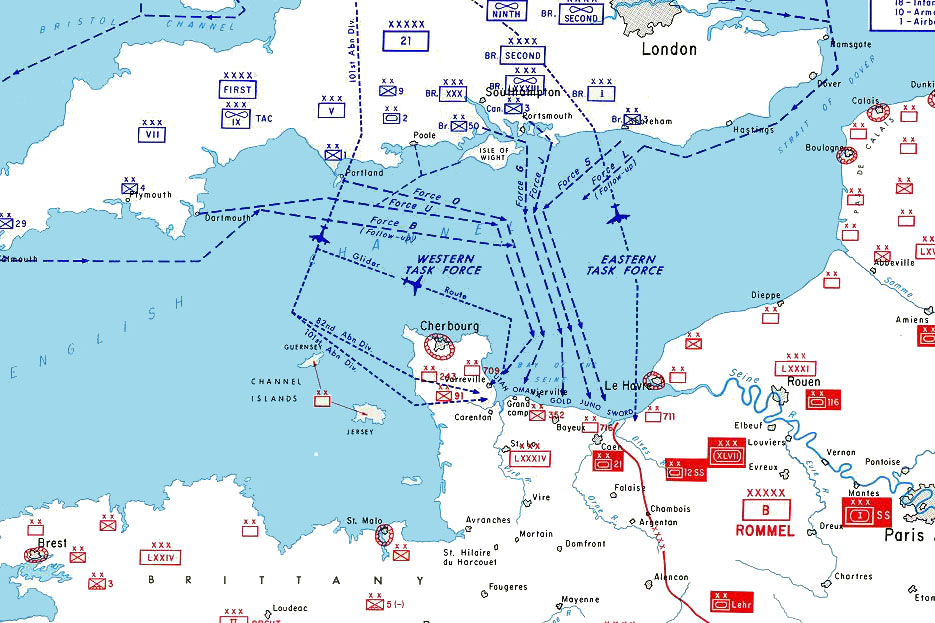
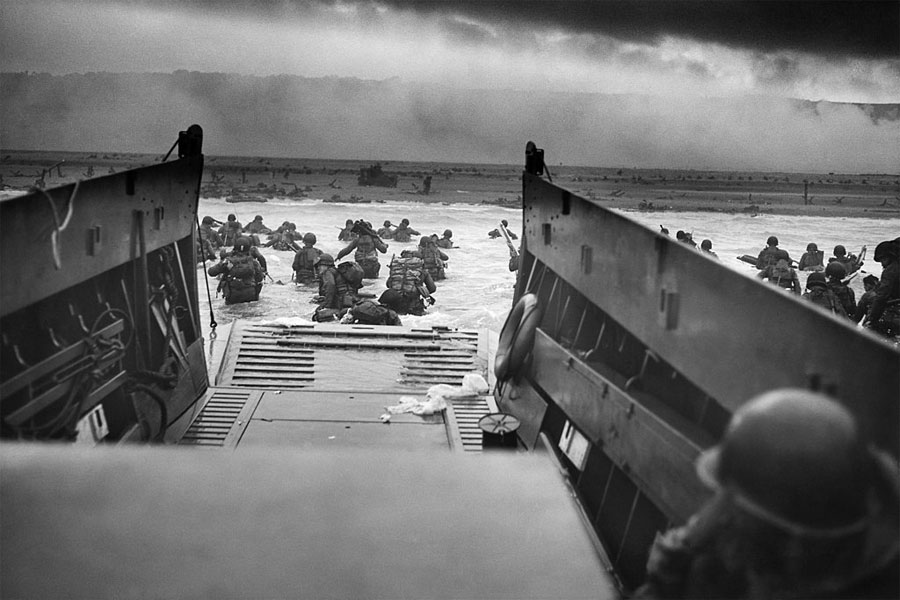
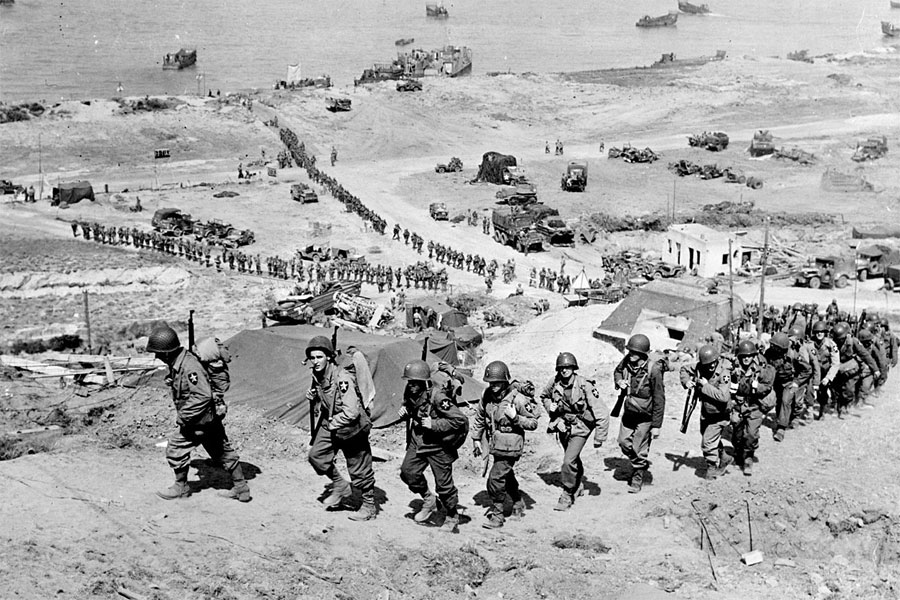
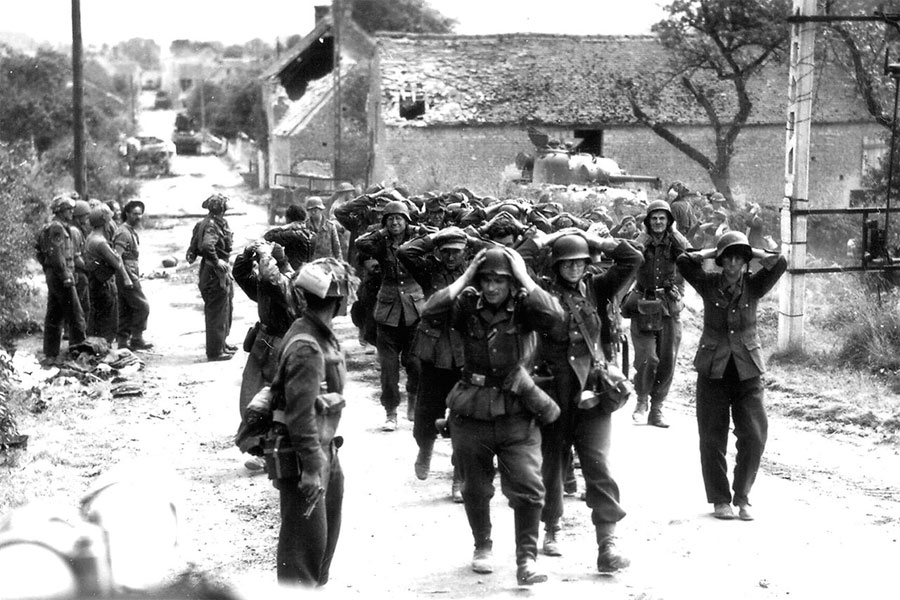
Operation Overlord was the codename for the Battle of Normandy, the Allied operation that launched the successful invasion of German-occupied Western Europe during World War II. The operation was launched on 6 June 1944 with the Normandy landings. A 1,200-plane airborne assault preceded an amphibious assault involving more than 5,000 vessels. Nearly 160,000 troops crossed the English Channel on 6 June, and more than two million Allied troops were in France by the end of August. The decision to undertake a cross-channel invasion in 1944 was taken at the Trident Conference in Washington in May 1943. General Dwight D. Eisenhower was appointed commander of Supreme Headquarters Allied Expeditionary Force, and General Bernard Montgomery was named as commander of the 21st Army Group, which comprised all the land forces involved in the invasion. The coast of Normandy of northwestern France was chosen as the site of the invasion, with the Americans assigned to land at sectors codenamed Utah and Omaha, the British at Sword and Gold, and the Canadians at Juno.
The coastline of Normandy was divided into seventeen sectors, with codenames using a spelling alphabet—from Able, west of Omaha, to Roger on the east flank of Sword. Eight further sectors were added when the invasion was extended to include Utah on the Cotentin Peninsula. Sectors were further subdivided into beaches identified by the colours Green, Red, and White.
 |
 |
 |
 |
Next, proceed to lunch accompanied by wine at a fine Castle restaurant.
Your tour continues with a visit to the Landing Museum of Arromanches. Drive to the small seaside town of Arromanches via the D-Day landing beaches of Sword, Juno and Gold.Visit the Arromanches Landing Museum, dedicated to the largest landing operation in history on June6,1944,when the Allied forces stormed the beaches of Normandy to attack the German lines.At the museum exhibits, see films and models that re-create the entire operation along the D-Day beaches, and illustrate the logistical importance of Port Winston. After the visit, drive back to Honfleur