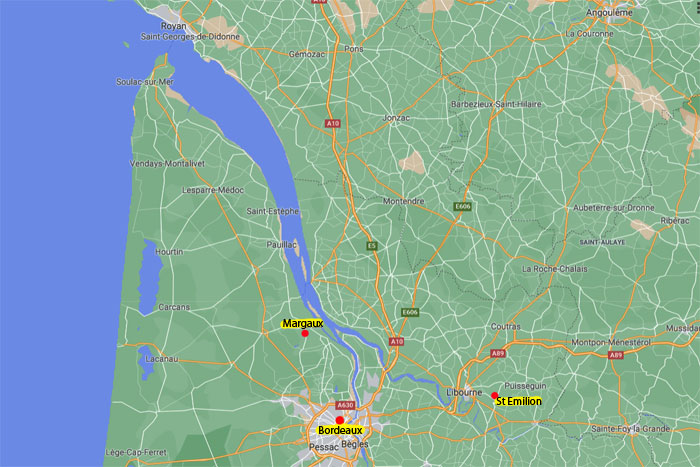
The name alone conjures images of sun-ripened grapes, splashes of refined flavour, and the joy of clinking glasses. Bordeaux is synonymous with quality and prestige, and the promise of endless opportunities to sample the city’s famous, full-bodied red wines makes a visit to this elegant French port city one to truly savour. Sprinkled with scenic, turret-adorned mansion castles, which stand above soil softened by the Atlantic and winding flow of the Garonne River, the vineyards of Bordeaux consistently produce revered wines, enjoyed right across the globe. Explore France’s largest wine region, walking through vineyards where dusty clumps of grapes hang, before descending into cellars to see the painstaking processes that make this region a global wine centre.
The acclaimed, sensory experience of Cité du Vin wine museum lets you put your own nose to the test, learning more about the craft involved in producing world class vintages. Brush up on your wine knowledge, with our blog [insert You’ll Fall in Love with Wine in Bordeaux]. Bordeaux itself is an intoxicating blend of old and new – a fact perfectly illustrated by the Water Mirror. This living art installation has reinvigorated one of the city’s most important historical sites, and it feels as though you’re walking on water, as you step through the cooling mist of Place De La Bourse. The moisture generates a glorious mirrored composition of the 300-year-old elegant palatial architecture in front of you. Water also flows freely from the magnificent Monument aux Girondins statue, where horses rear up to extol the values of the Girondin revolutionaries. Marche des Quais – the city’s lively fish market – is the spot to try this wine capital’s freshest lemon-drizzled oysters and juicy prawns.
Tour 1 - After hours in St Emilion
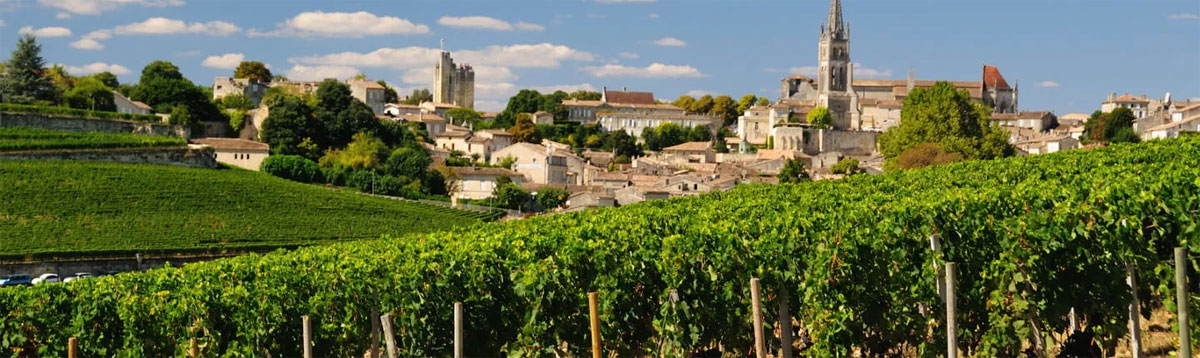
Discover Saint Emilion, heartland of Merlot grape growing that produces delicious, rich, round wines.The vines on the"hill of a thousand chateaux" reach right up to Saint Emilion's 13th-century town walls and the surrounding moat dug out of solid rock. Members of the local wine brotherhood, the Jurats, proclaim the vintage banns in much the same way as their ancestors did during the reign of Richard the Lionheart.
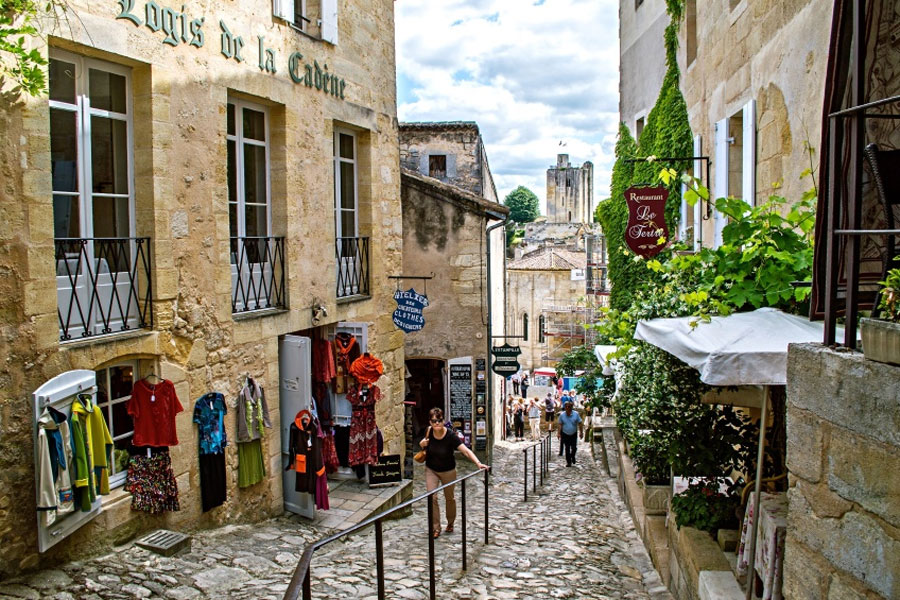
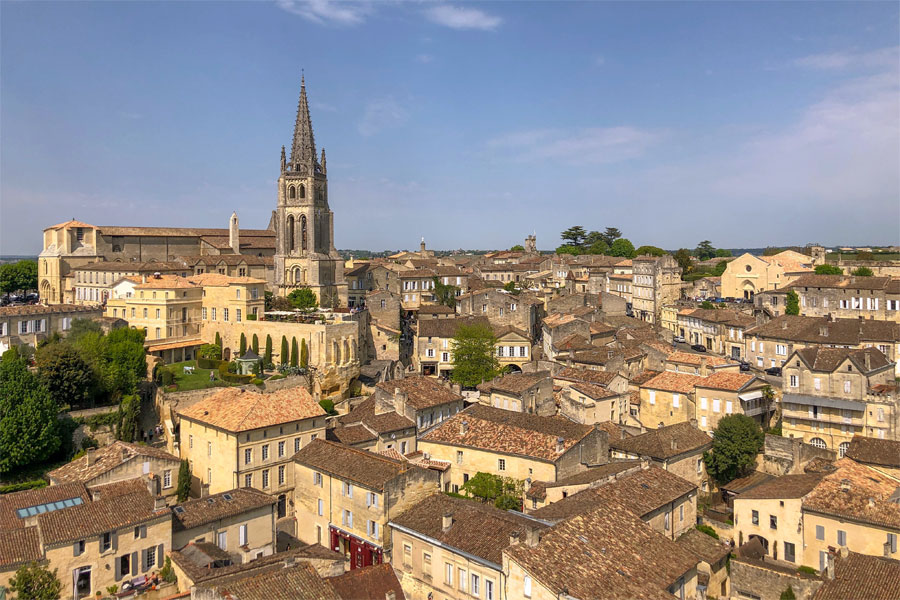
Depart the pier and make the scenic one-hour drive to visit the main monuments of this UNESCO World Heritage Site, includingthe Collegiale Church and its magnificent cloister from the 12th century, the ramparts, the marketplace, and the monolithic church or underground church from the 9th and12th centuries. Consecrated to the holy hermit by the Benedictine monks, this church is unique in Europe for its size. It represents a stunning transformation of the natural caves in thecliff-face that have been used for religious purposes from prehistoric times to the present day. Beside the church, the catacombs include a charnel house and a number of sepulchers from the 11th and 12th centuries. The Hermitage was constructed by transforming a natural grotto.There is some free time for strolling the streets in the evening, passing by the impressive Cadene Gate and the King's Tower. Discover the charming nightlife of tis typical village, and the beauty of the illuminations on the limestone architectural elements all around.
 |
 |
After your guided visit, enjoy dinner in one of the emblematic brasserie style restaurants of Saint Emilion village. Return to the ship
Tour . Walking the vineyards in Margaux
Take a pleasant morning hike in the Margaux vineyards, a stunning landscape best enjoyed on foot. Departing the pier, drive 45 minutes to the southern most part of the Médoc area, starting at the location of the famous "Route des Châteaux." The Médoc wine road, known locally as Route des Châteaux, is situated between the Gironde estuary and the Landes Forest and provides magnificent views of vine-covered hills as far as the eye can see.Médoc vineyards are orderly and well-kept almost to the point of fanaticism,and the region's famous chateaux produce wines that are nothing short of divine: Moulis, Listrac, St.Julien, St.Estèphe, Pauillac, Margaux. View this orderliness from a distance and see the beauty of the many vineyards blending into a tapestry of rows and hills.
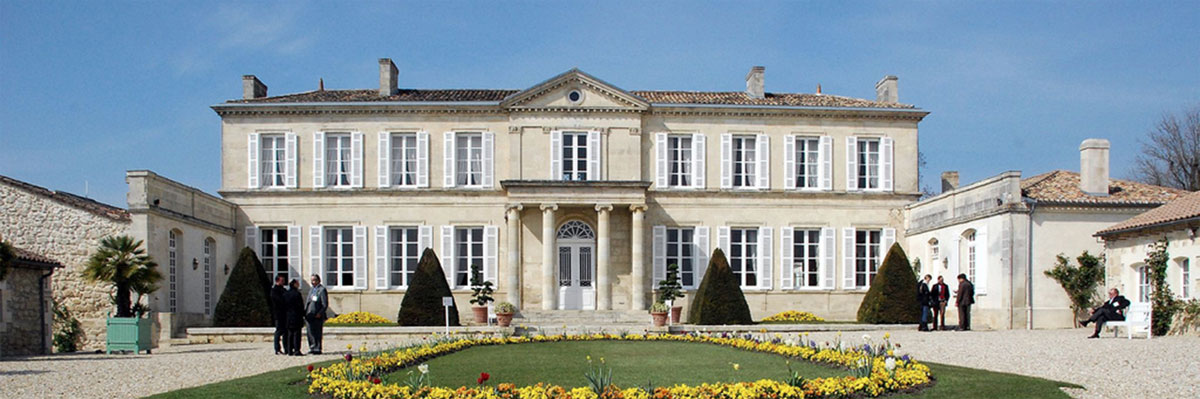
Today,you will start your walk from beautiful Château Marquis de Terme through the vineyards of the Margaux appellation .Your wander through the peaceful vineyards will allow you to see different wine estates such as Château Rauzan-Ségla, Château Rauzan-Gassies, Château Palmer and more before reaching the world-known Château Margaux.Walk back to Chateau Marquis de Terme and stop for a coffee-break served with locals sweet treats, before starting the drive back to the pier
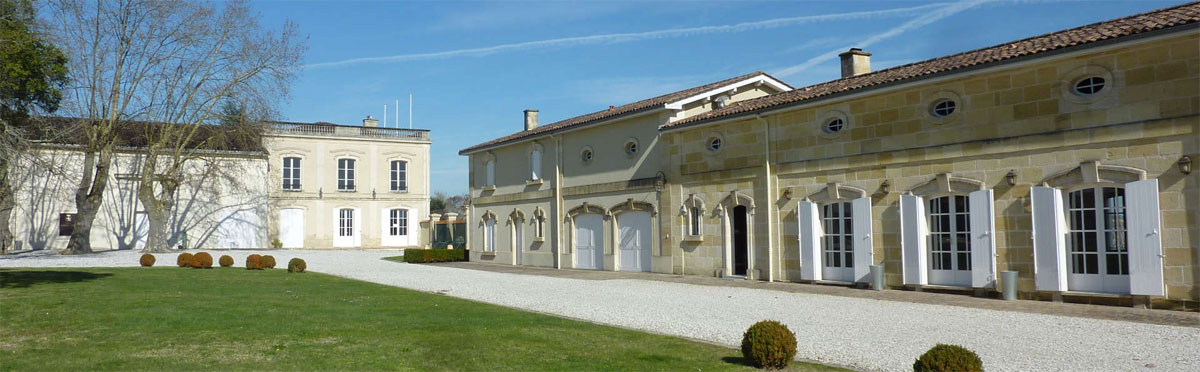
Château Marquis de Terme was once part of the vast Rauzan estate owned by Pierre de Mesures de Rauzan in the mid-17th century. Over time this estate was divided, and by the time of the 1855 Classification, had been separated into the estates of Château Rauzan-Gassies, Château Rauzan-Ségla, Château Desmirail, and Château Marquis de Terme. The château’s history under the name Château Marquis de Terme officially began in 1762. It was created as a marriage dowry when Ledoulx d’Emplet offered the château to François de Peguilhan, Marquis de Terme who was marrying her daughter, Elizabeth de Ledoulx d’Emplet. The château would be classified as a Fourth Growth in the Médoc Classification of 1855. Today the château is still owned by the Seneclauze family, who purchased it in 1935.