Revolving around its golden urban beaches, La Coruna is a bustling, historic city, which luxuriates along the twisted Galician coastline. One of Spain’s most undiscovered, under-the-radar destinations, La Coruna boasts juicy seafood and unbridled relaxation beside the Mediterranean's rustling waves, and is set amid a surprisingly lush and vibrant green landscape. A pilgrimage to Santiago de Compostella’s cultural wonders is also easily within your reach from these shores. The narrow streets of the historic centre open out to the vast Plaza de Maria Pita, which is crowned by the triple domes of the City Hall. Cafes and restaurants spill out around the square, perfect for hunkering down for coffee or a glass of refreshing white Albariño wine. Head to Calle Estrella, to taste the fruits of the Atlantic and La Coruna’s seafood - grilled octopus is a particular speciality.
If you’re in a hurry, grab some empanada pastries, filled with minced beef, or head to the City Market, which is packed with Galician flavours and intrigues. Back at the seafront, the peninsula tempts with strolls out to one of the most storied lighthouses in Spain. Still watching the waves after almost 2,000 years, the Tower of Hercules was built by the Romans in the 2nd century, and this UNESCO World Heritage Site rises 55 metres above the Atlantic - making it Spain's second tallest. The winding Paseo Marítimo coastal path skirts beaches and the city's endless waterfront, and is dotted with colourful artworks.
We are booked on "Lugo & its Roman History"
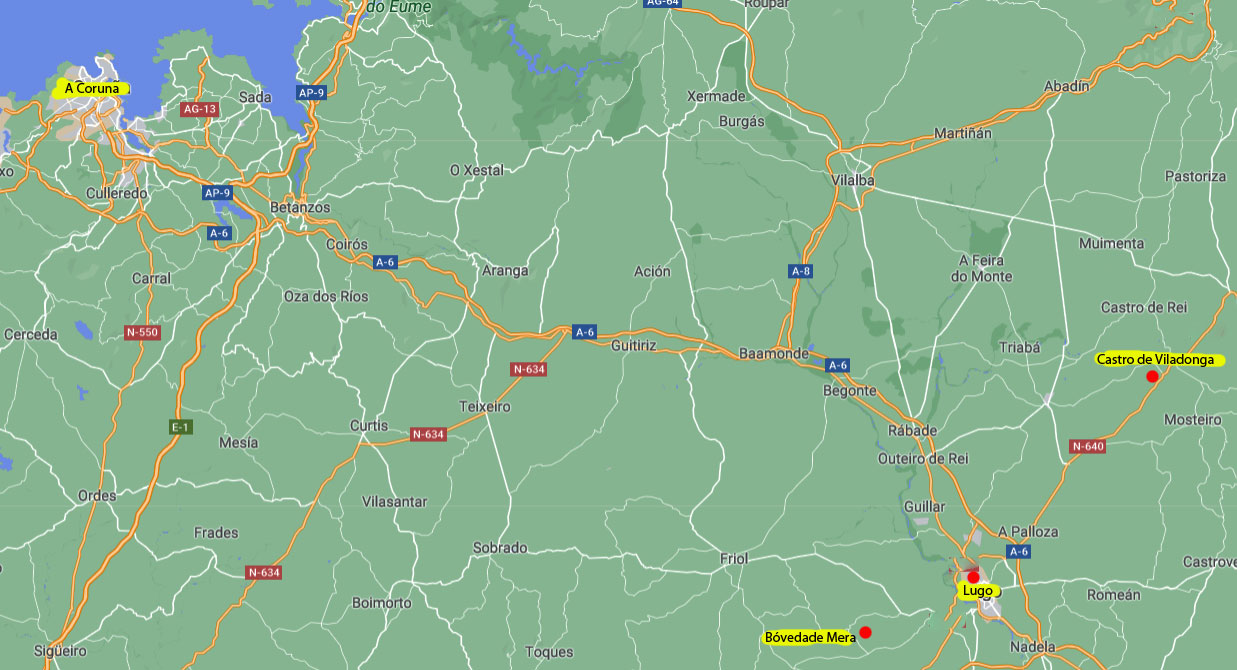
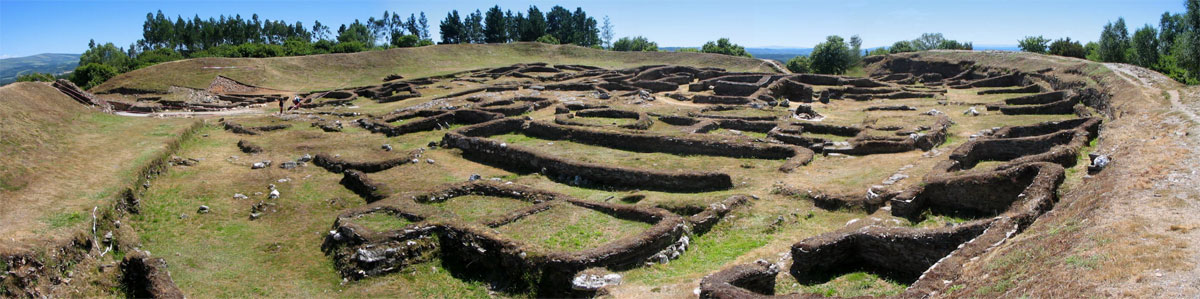
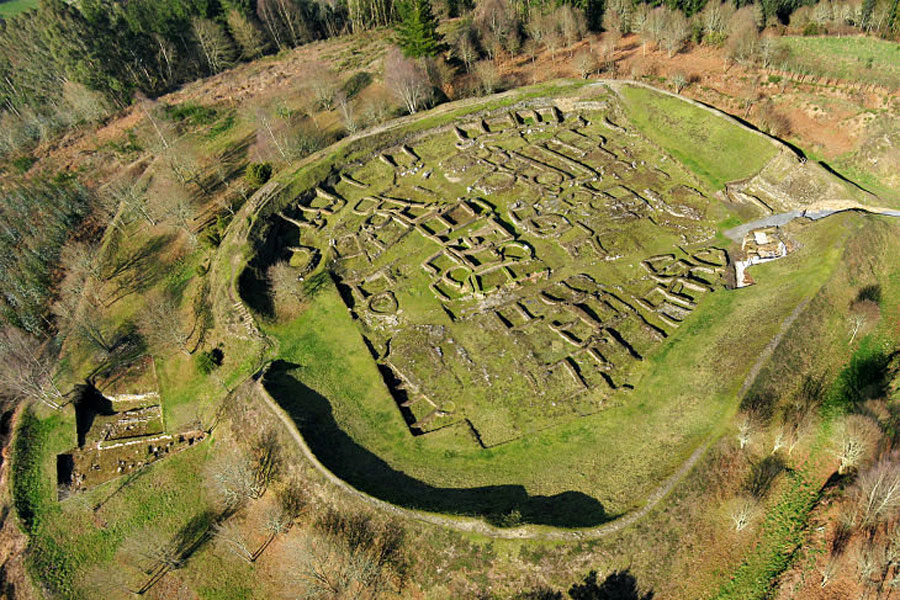
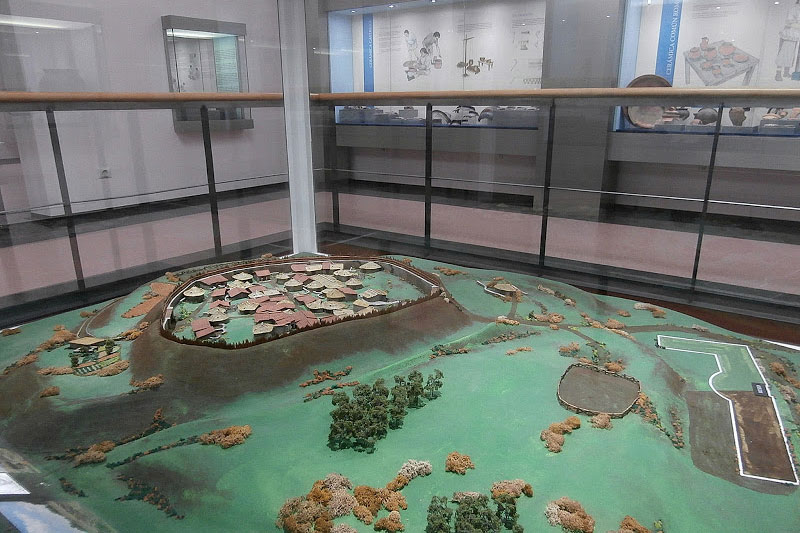
Discover the Roman roots of this region of Spain on this fascinating tour of history that features a classic Spanish tapas lunch.Drive for 90 minutes from La Coruna to visit the Castro de Viladonga. The archaeological and museum complex of Viladonga occupies the peak of a mountain, which also affords a spectacular view of the Terra Chá (FlatLand) of Lugo and the mountain chains o fMonciro, Pradairo and Meira. The archaeological importance and the historical interest of the Castro de Viladonga were showcased after excavations initiated in 1971, due to the monumentality and the diversity of structures discovered and to the quantity and quality of the findings. The site is a remarkable example of settlement, especially between the 2nd and 5th centuries AD of the castros (fortified castles) created as part of the Roman conquest.
 |
 |
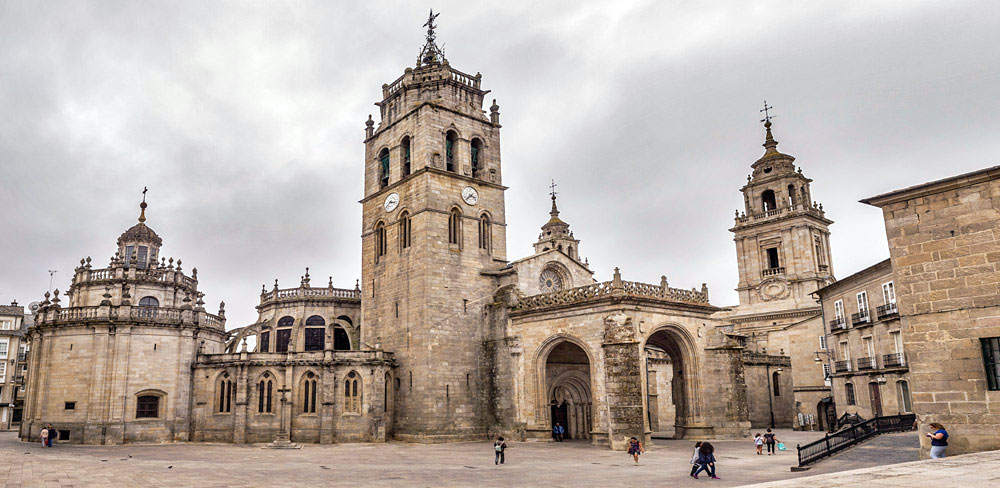
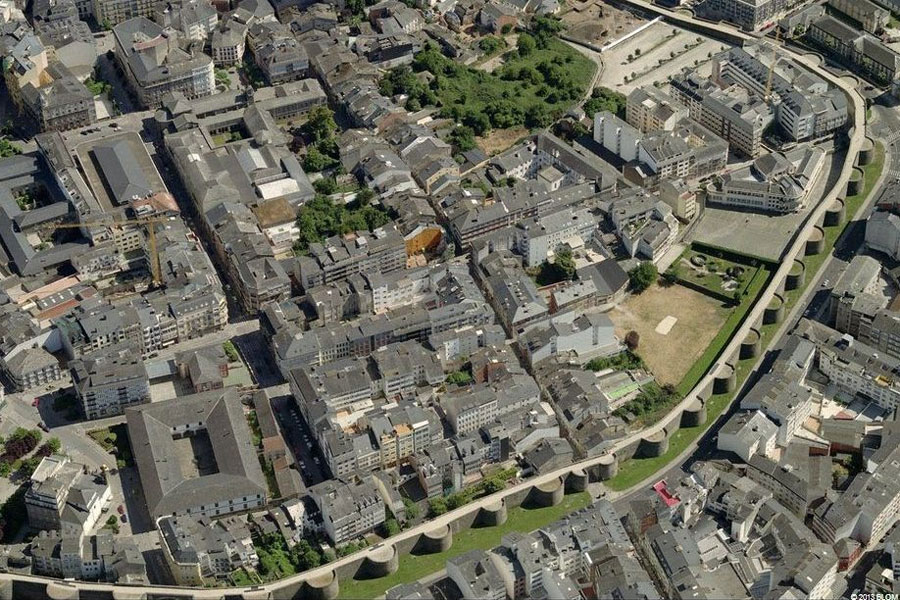
After a museum visit, proceed with a 30 min drive to Lugo, visit and walk of the Roman wall, outside Cathedral and old quarter.The Roman Walls of Lugo (UNESCO) are an exceptional architectural, archaeological and constructive legacy of Roman engineering, dating from the 3rd and 4th centuries AD. The defenses of Lugo are the most complete and best-preserved example of Roman military architecture in the Western Roman Empire. Despite the renovation work carried out, the walls conserve their original layout and the construction features associated with their defensive purpose,with walls, battlements, towers and fortifications.Next ,take a walk in the Old Quarter. Notable landmarks include the Gothic Church of San Francisco ,the cloister of which is a national monument, and the Romanesque cathedral (begun 1129) with Gothic, Baroque, and Neoclassical additions.
 |
 |
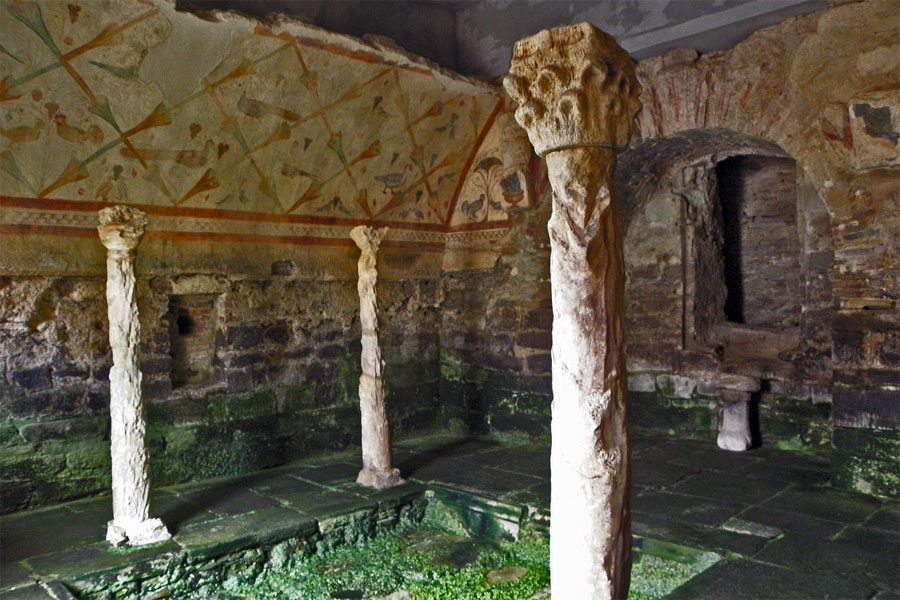
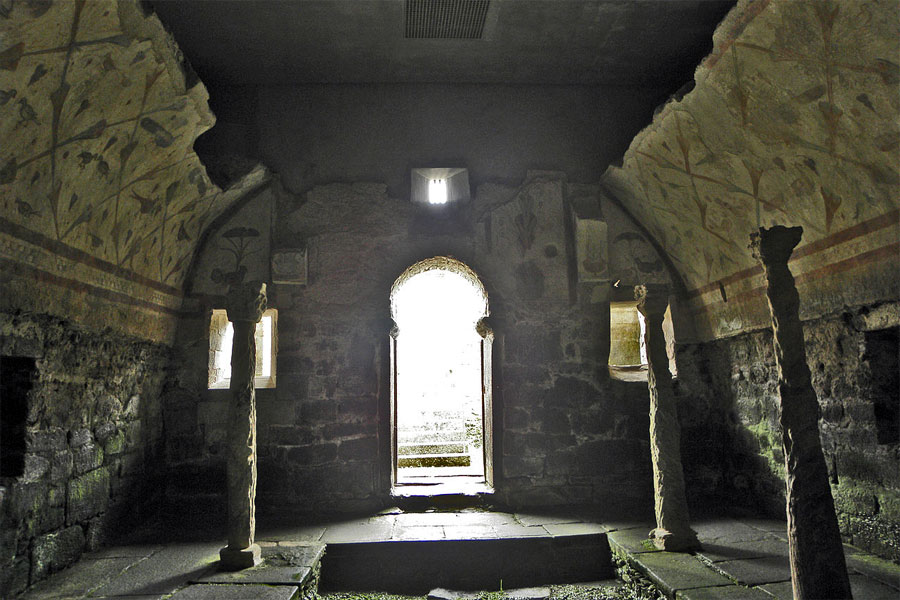
After a classic Spanish lunch of small plates(tapas), continue with a short drive to Bóvedade Mera, a small rural town near Lugo to discover one of the most enigmatic monuments of Galicia's cultural heritage: the underground monument of Santalla de Bóveda. Made public in 1926, this monument was discovered by the local parish priest, José María Penado, after studying the factory books of the present church and digging a hole under the atrium to find the old construction. After several excavations, restorations and studies, it was declared a National Monument in 1931 and an Asset of Cultural Interest in 1985.At the end of your visit, depart for the 90-minjute drive back to La Coruna.
 |
 |
Lisbon to London to London trip