

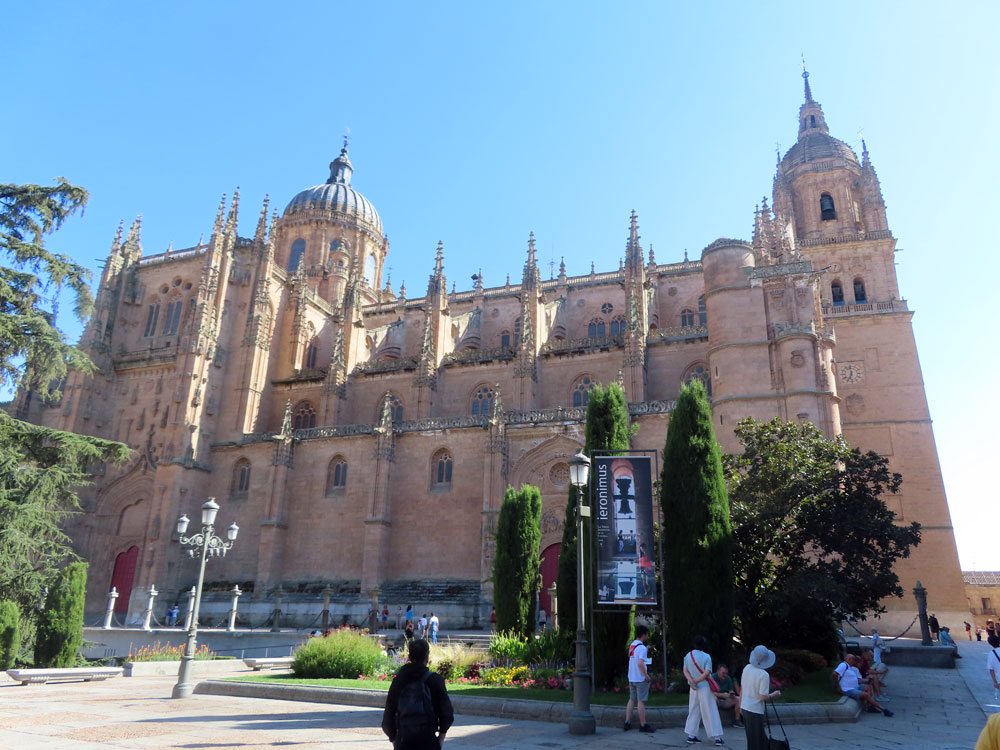
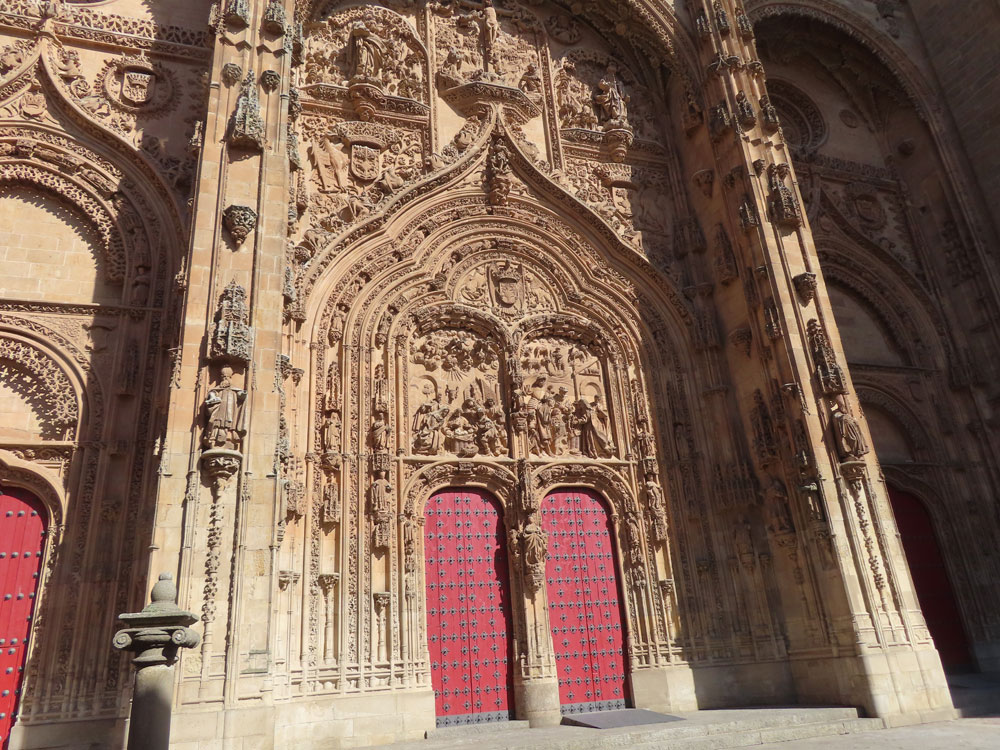
Salamanca, in northwestern Spain, is the capital of Salamanca province, part of the Castile and León region. With a history dating back to the Celtic era, it’s known for its ornate sandstone architecture and for the Universidad de Salamanca. Founded in the 1100s and a key intellectual centre in the 15th-16th centuries, the university continues to add to the city’s vibrancy with its international student population.
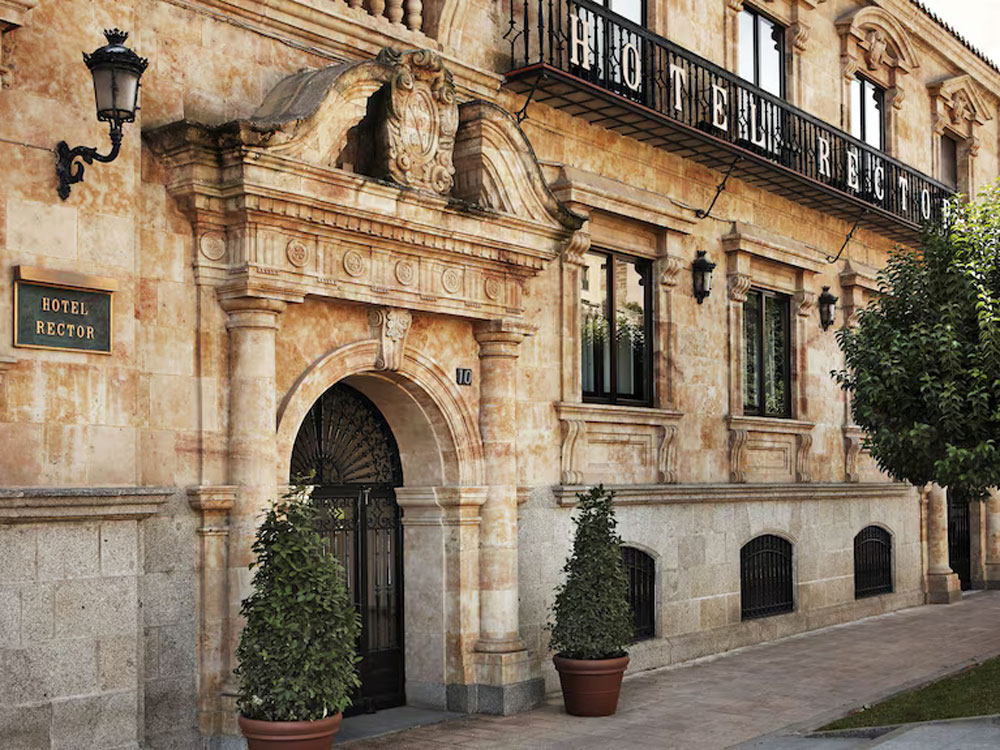
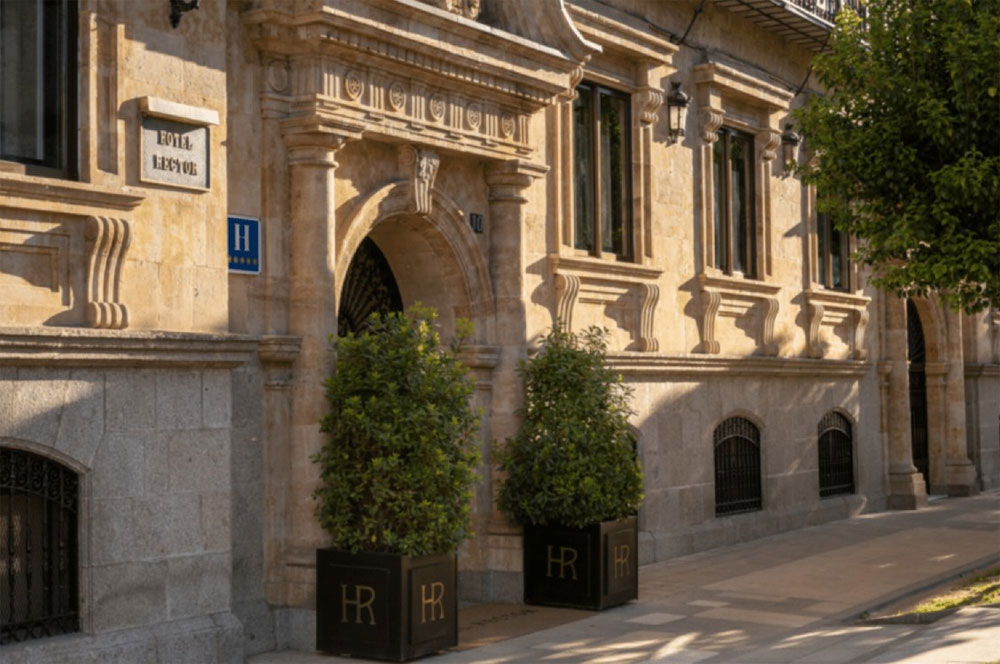
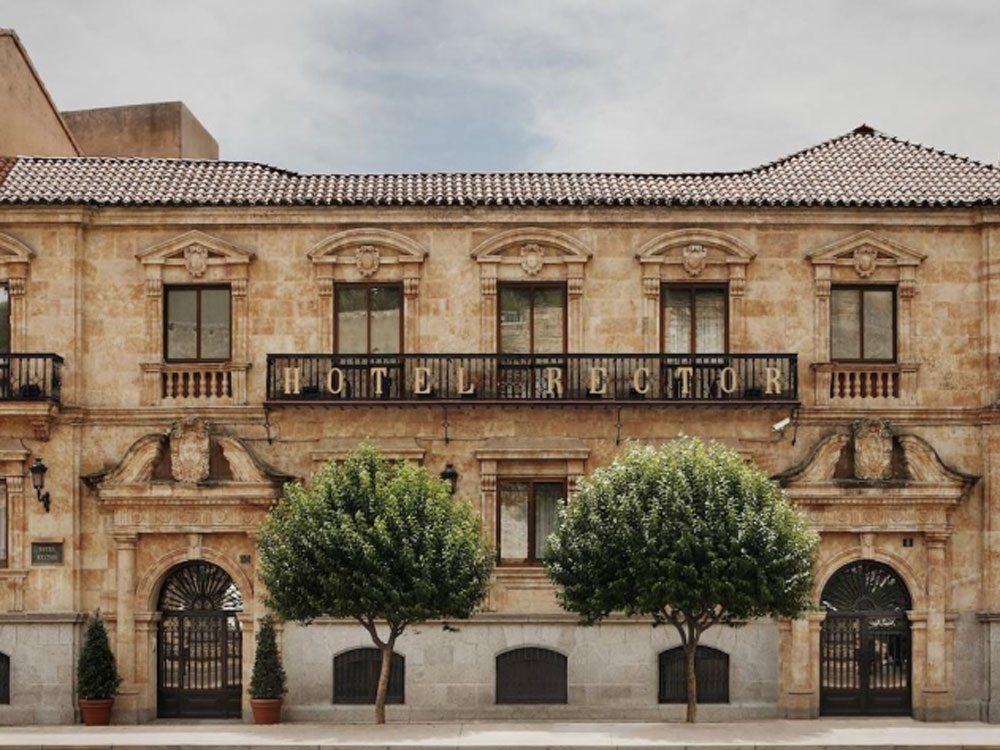
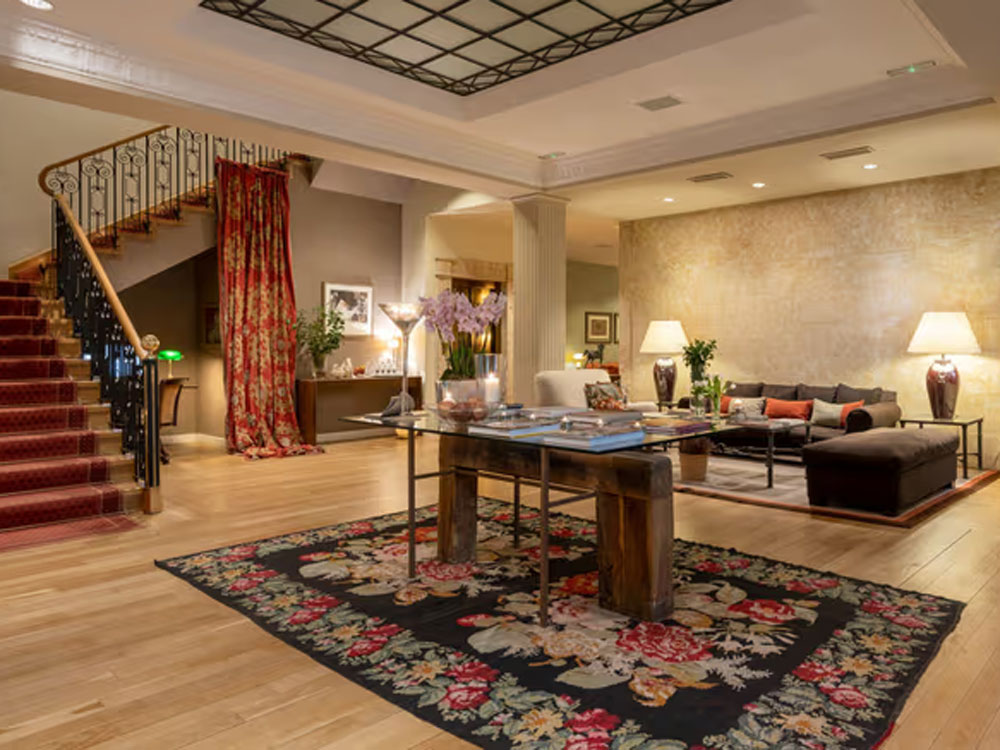
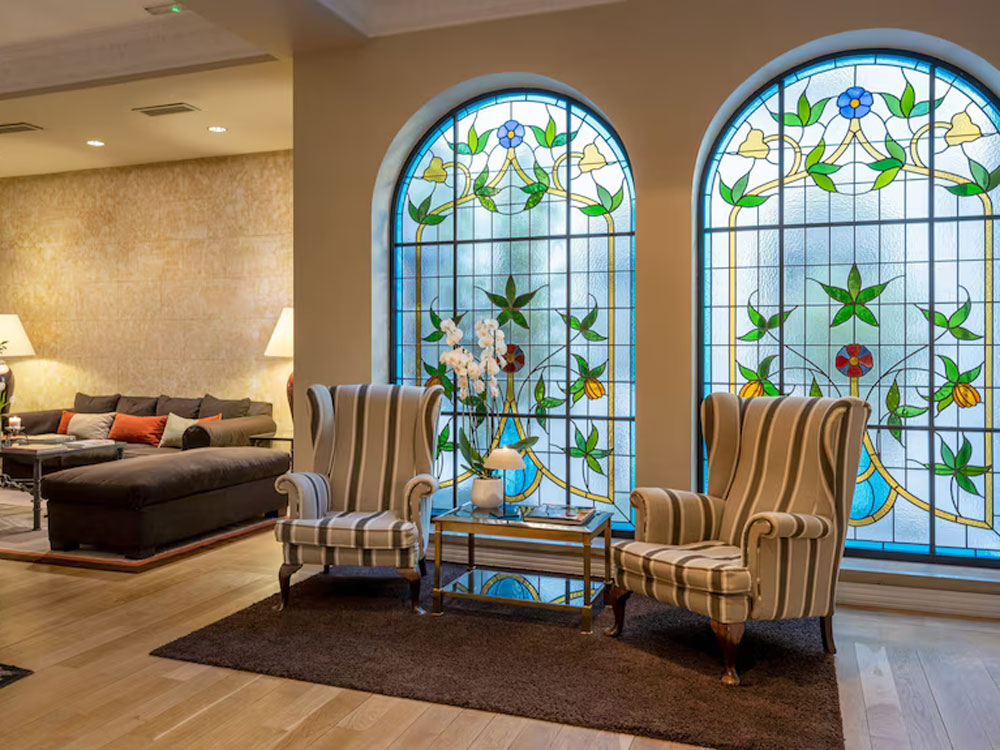
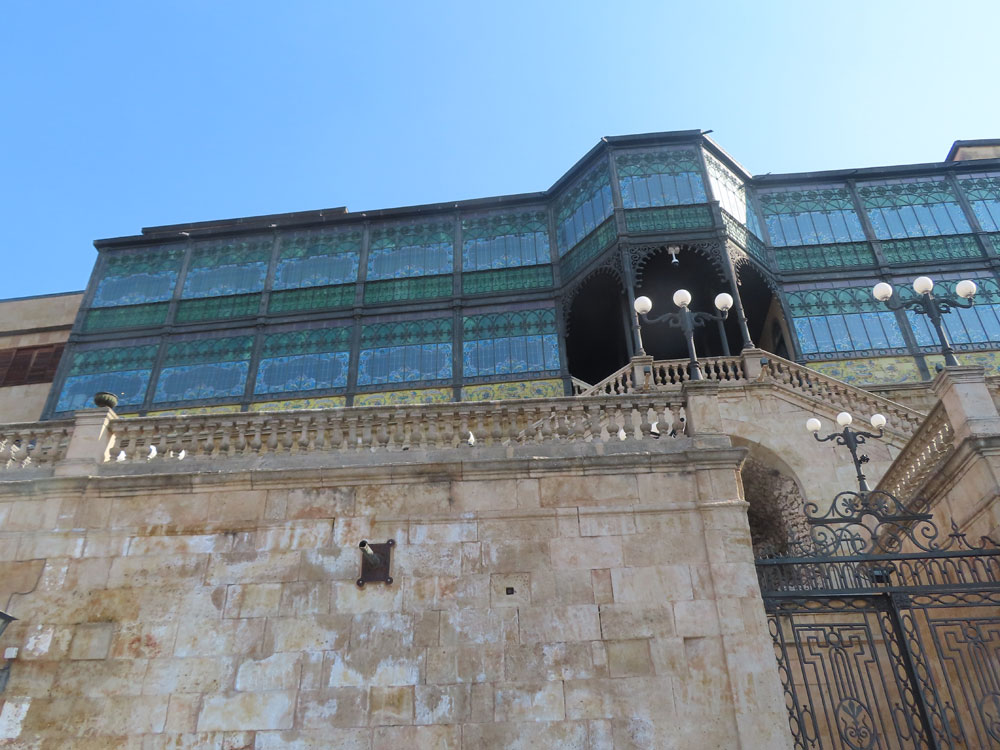
The Hotel Rector is a boutique hotel in the historic centre of the city of Salamanca. The hotel is located in a house dating from 1930, close to Casa Lis (art deco and art noveau museum), Salamanca's Cathedral and the Roman bridge. Hotel Rector has 14 rooms, a private garage for guests and fully equipped gym.
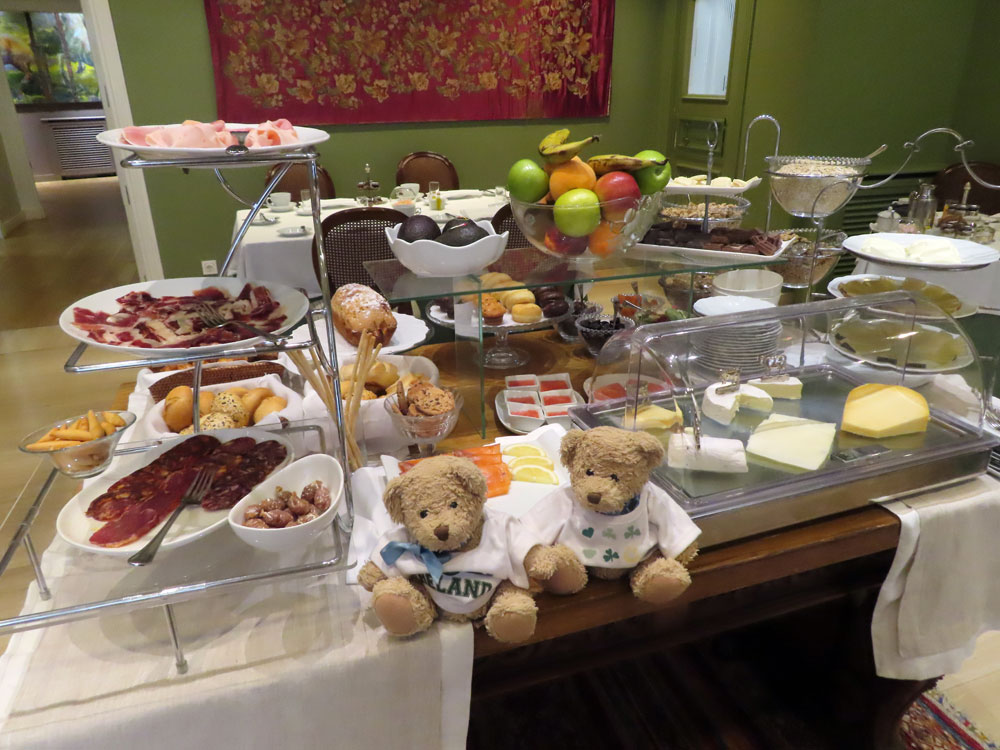
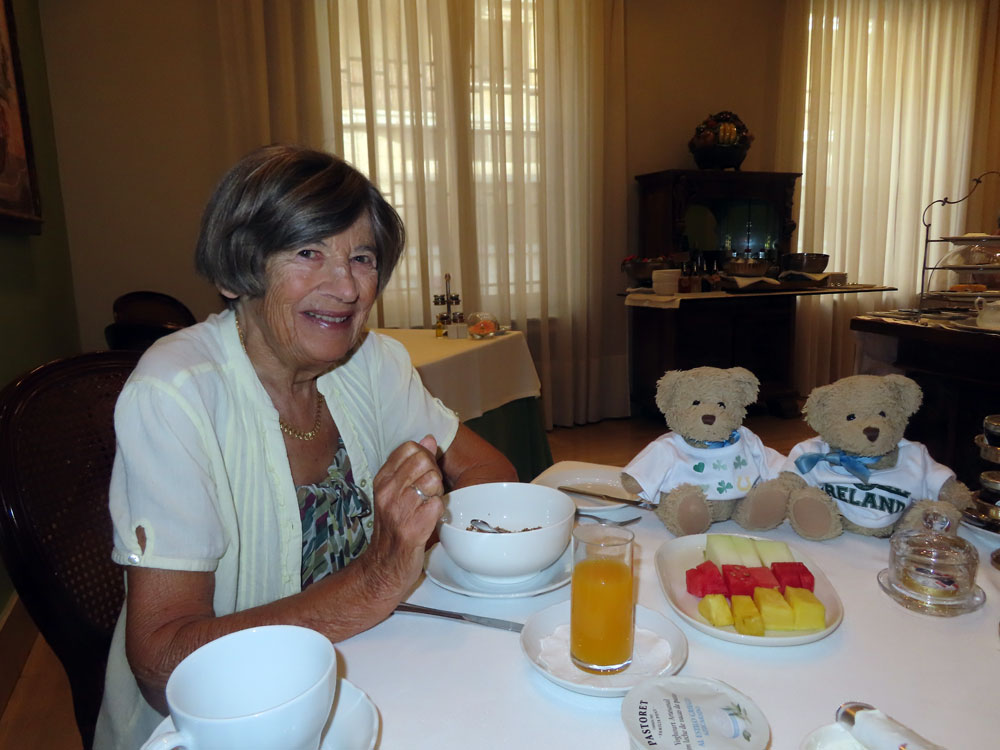
They do not serve dinner, but did a very nice breakfast
Click on a thumbnail below to get a bigger photo
 |
 |
 |
 |
 |
 |
 |
 |
Sunday August 9
A six hour journey from Moraira to Salamanca, stopping twice. Once for a very small bite of something to eat. En route the boys had seen five black bulls so they were very happy. We arrived at the Hotel Rector quite effortlessly, although it had originally taken 10 minutes to get the GPS system to accept its address. Here we parked outside and the hotel parked the car to its garage, which was integrated into the hotel. I had a little panic as I could not find my mobile, but it turned out that it was safely under my seat in the car in the garage.
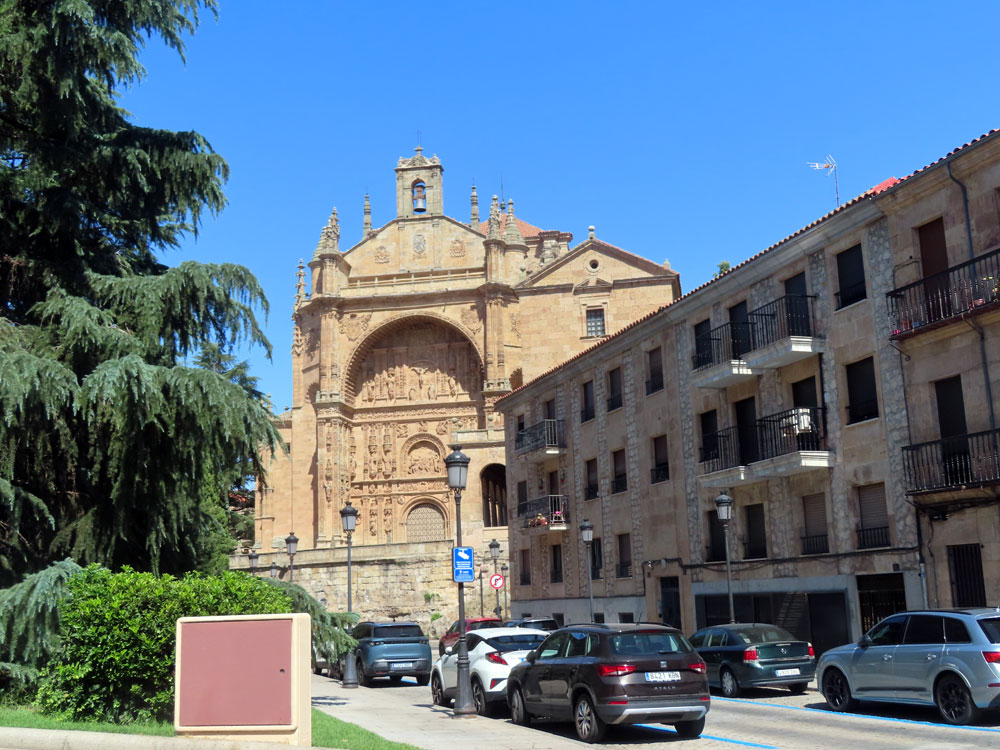
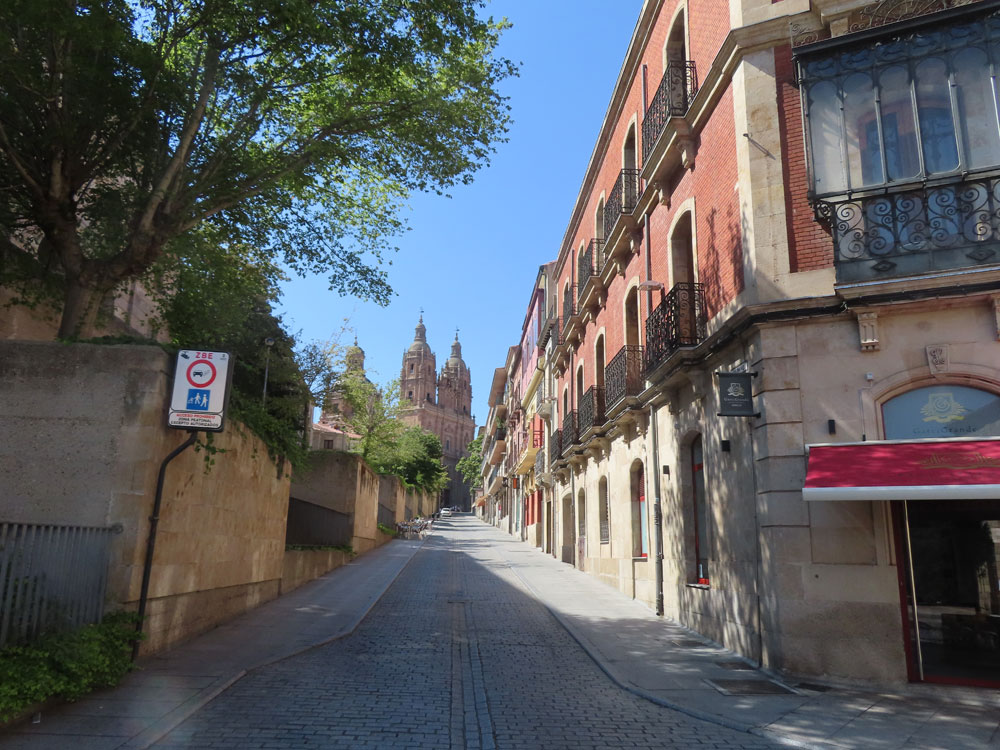
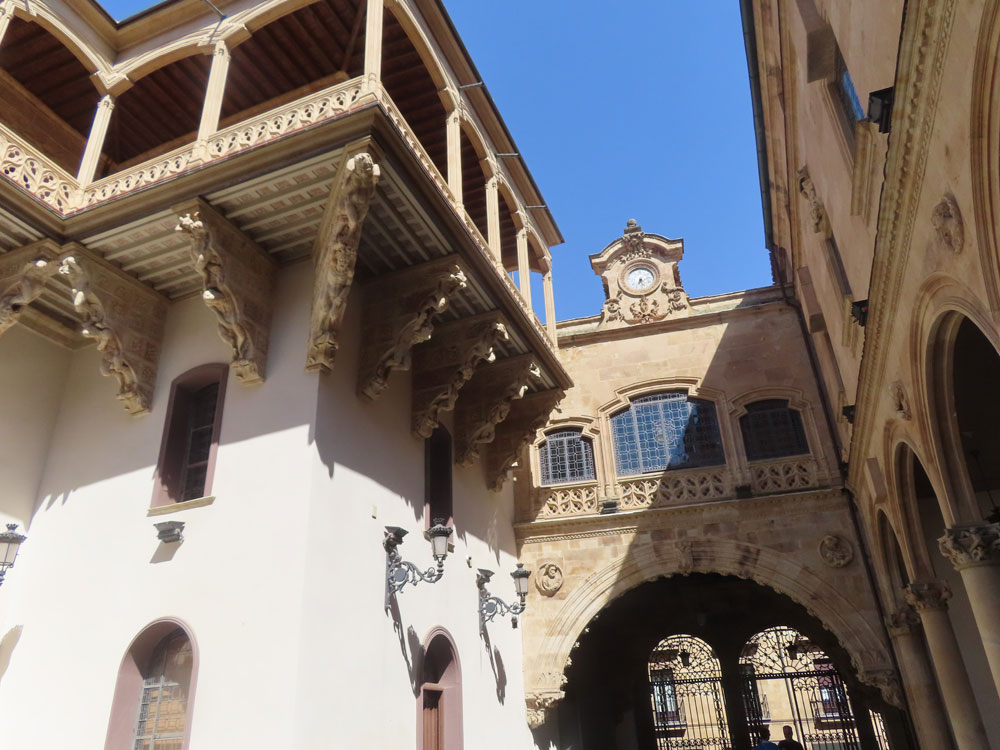
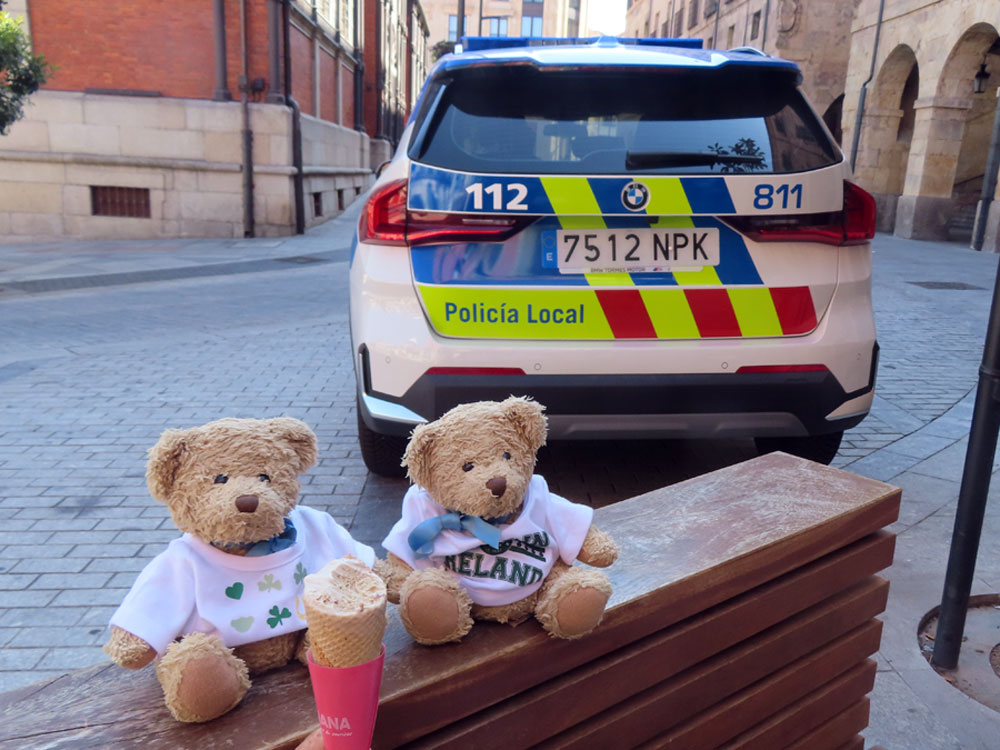
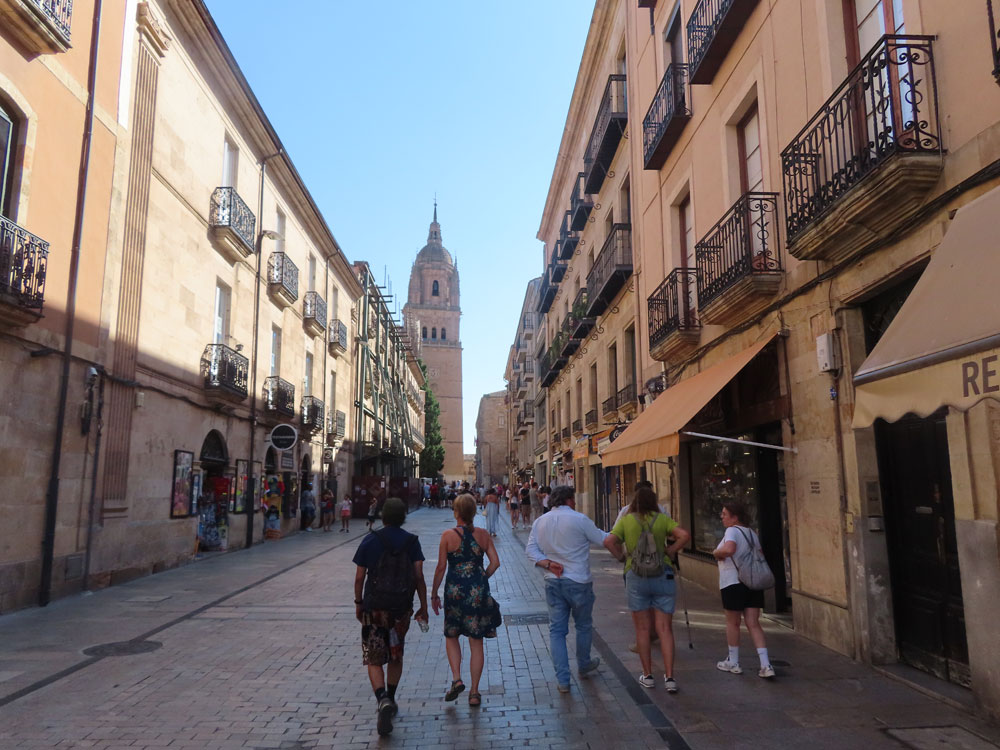
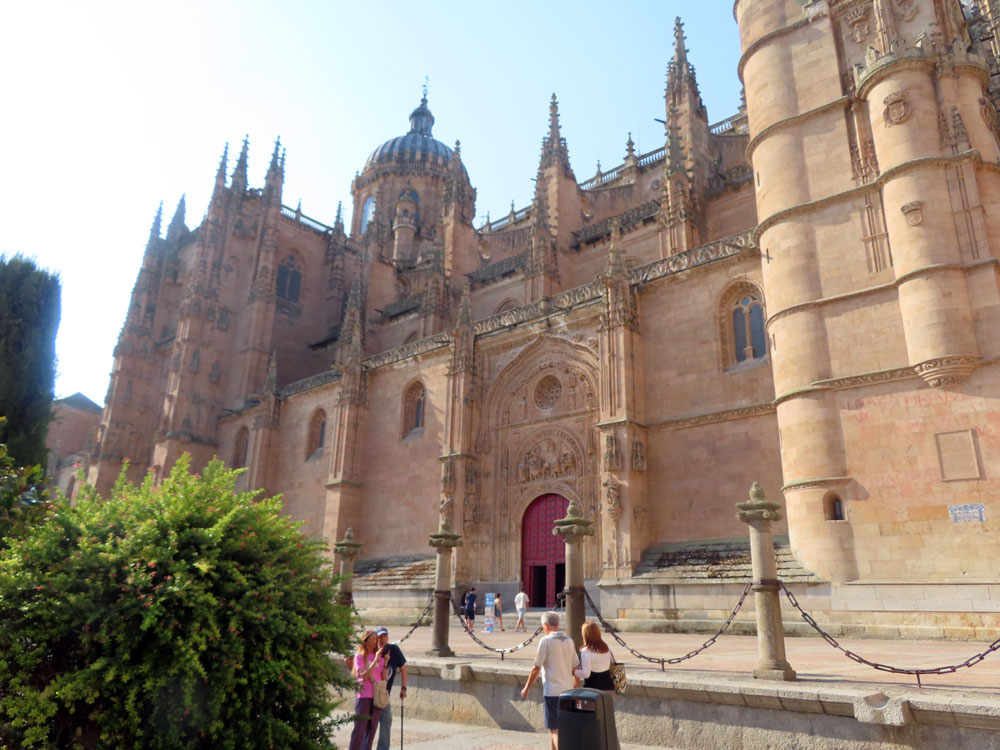
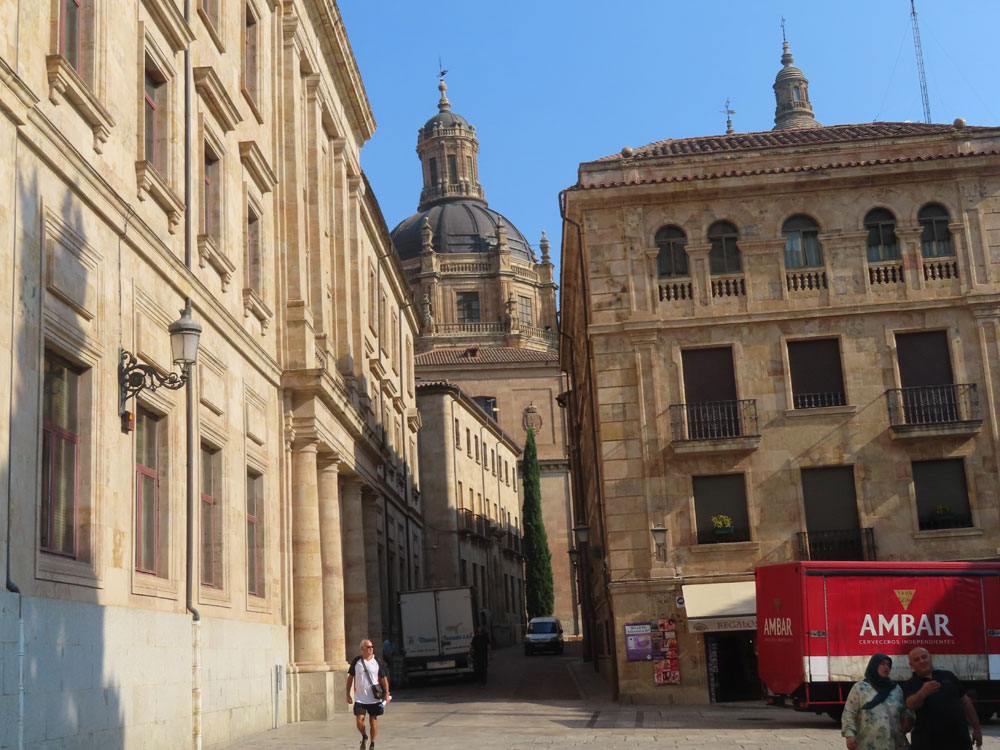
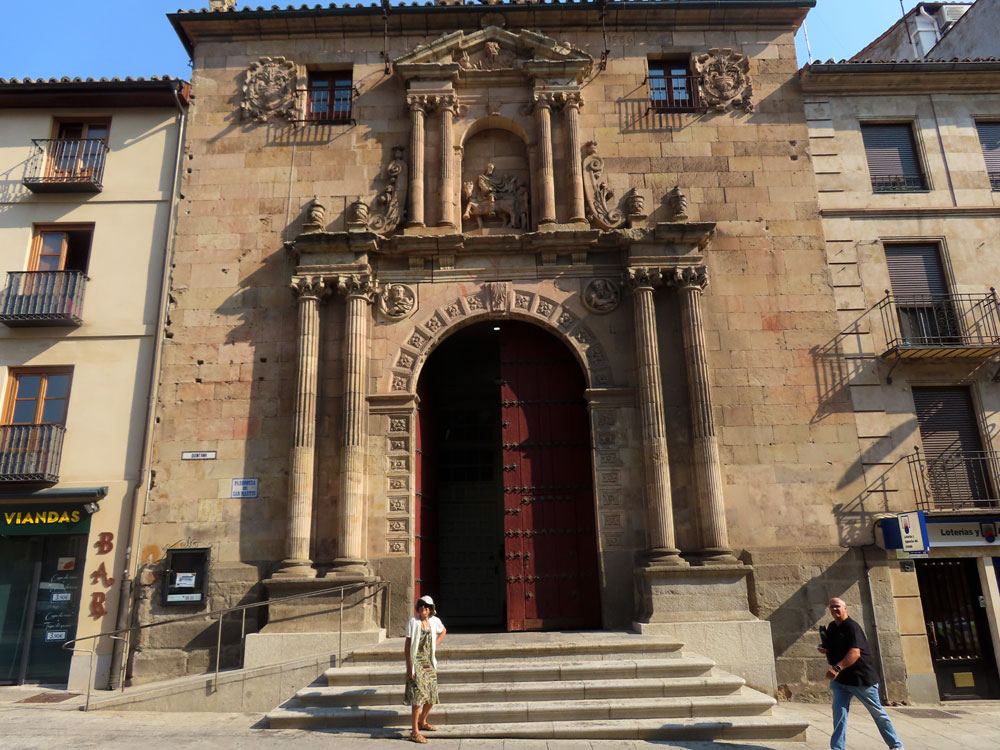
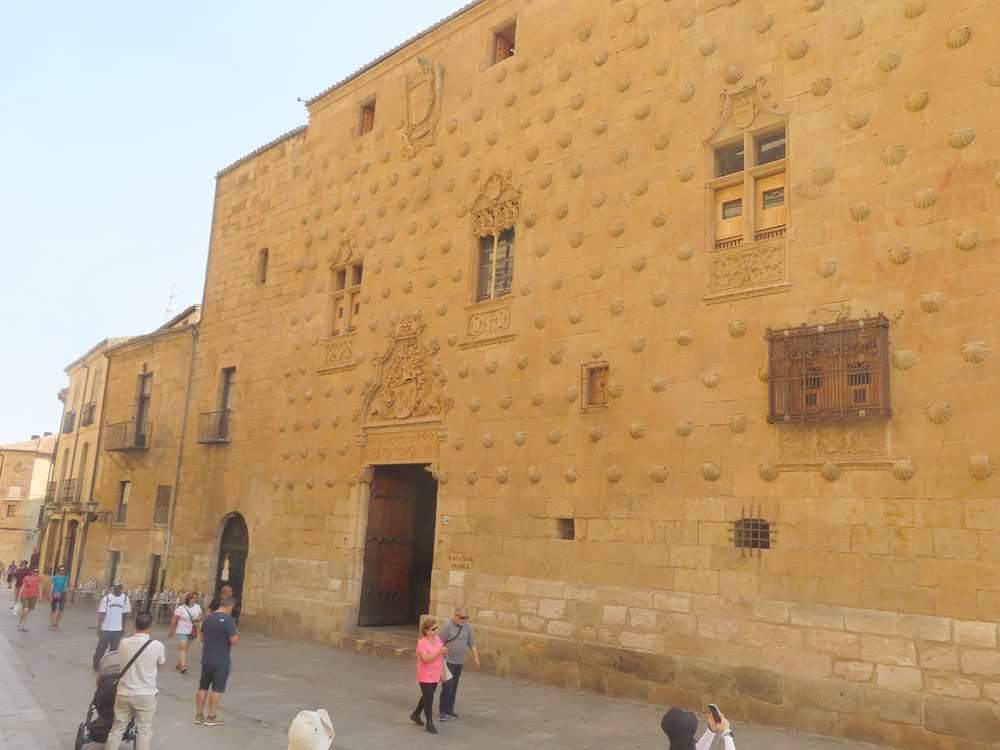
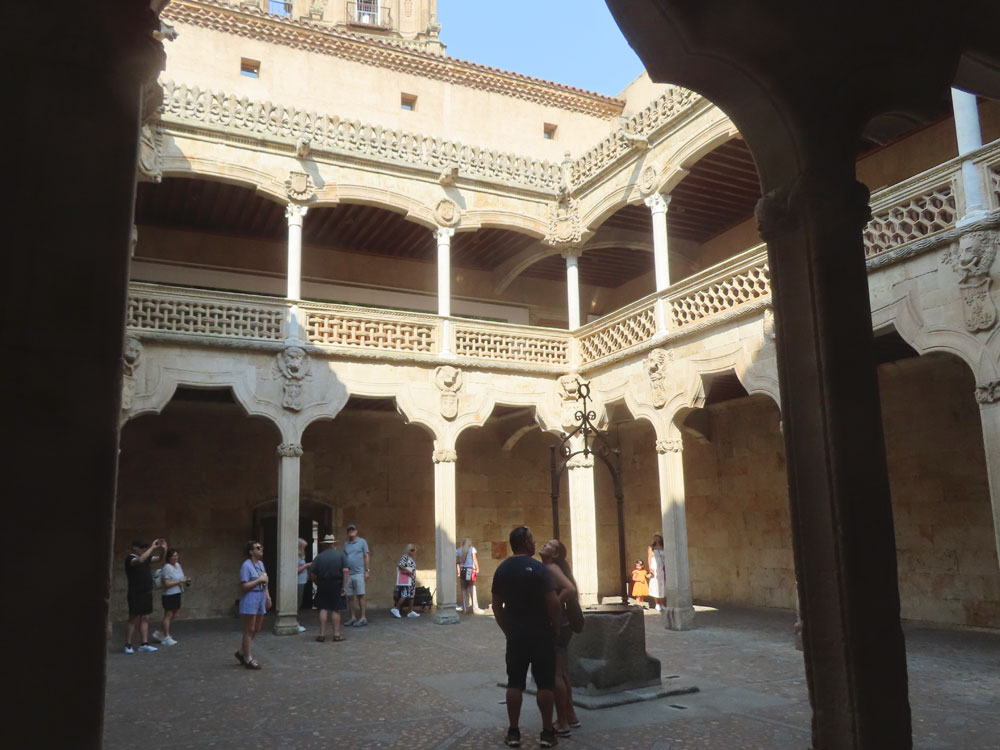
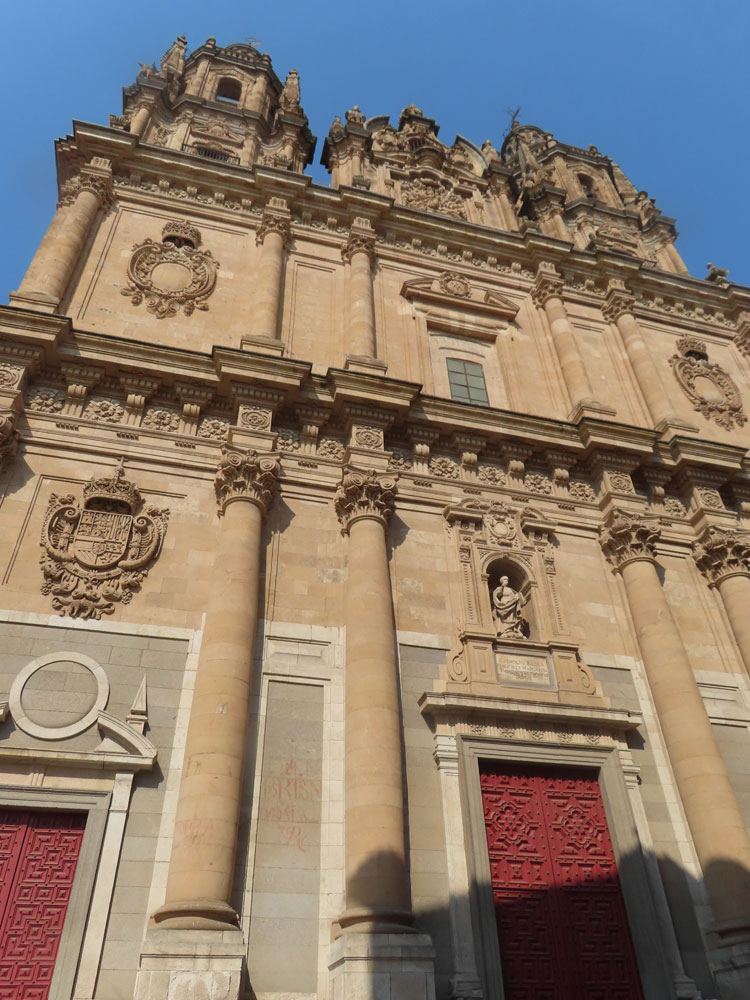
We sorted ourselves out in a very comfortable but soulless room and then went out for a discovery walk of 90 minutes. Despite the heat about 33°, we were most impressed by Salamanca and it’s fabulous buildings. We passed a place where there was an exhibition of quilting but it was closed. David had a Rum & Raison ice cream which he shared with the boys.
Once back in the hotel I attempted to have a siesta, but this was not successful.
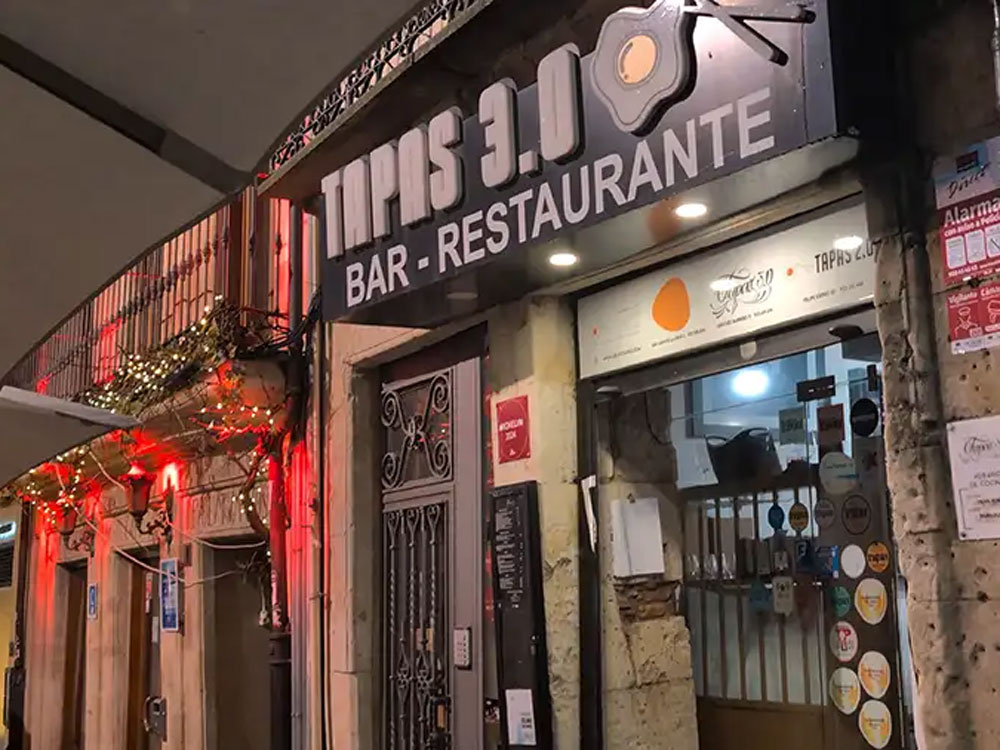
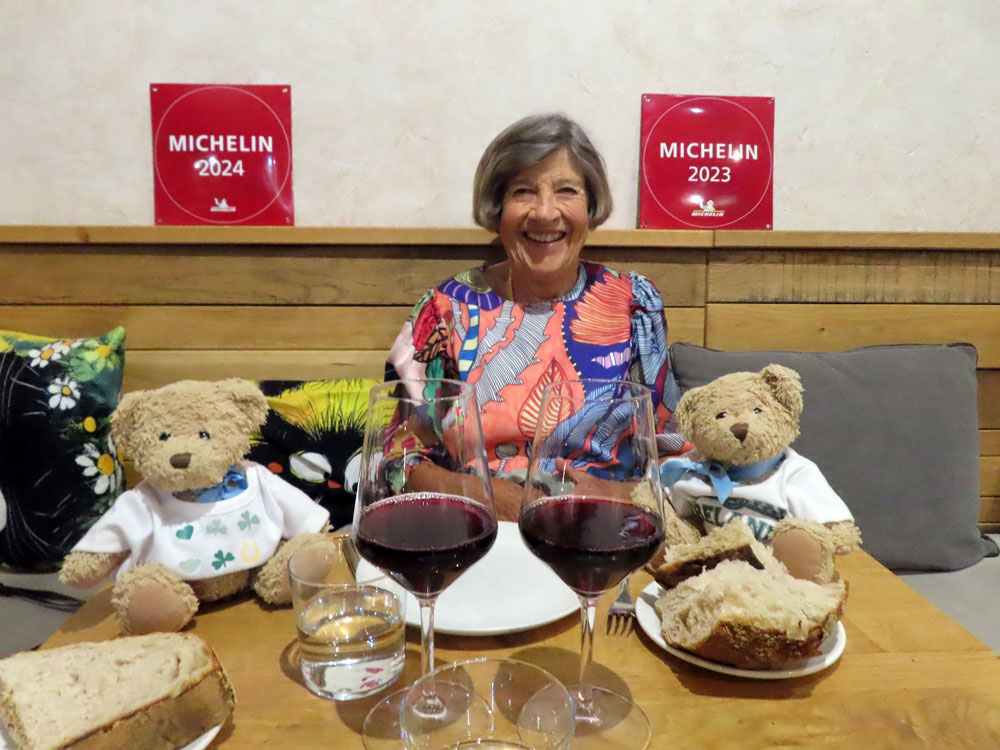
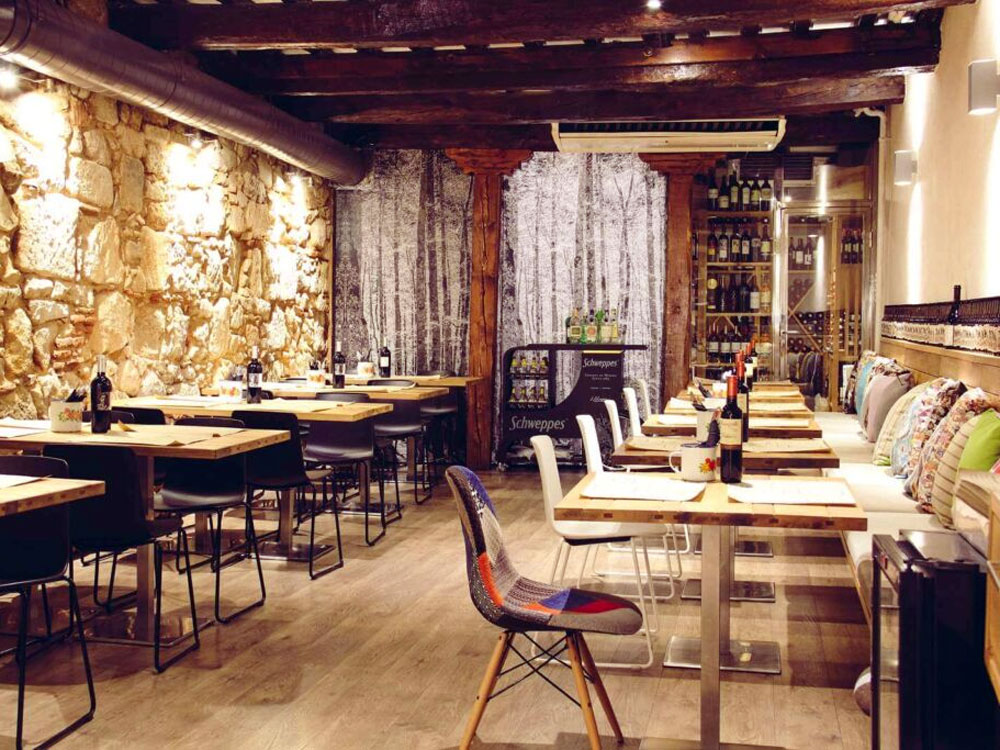
We went out again just before eight and had a very nice supper in Tapas Three - a risotto, some charred leaks, a lamb kebab with a glass of wine and David topped it off with a crème caramel. Tapas 3.0 at C. Sánchez Barbero is in Michelin .
Then a welcome coffee back in the hotel.
Click on a thumbnail below to get a bigger photo
 |
 |
 |
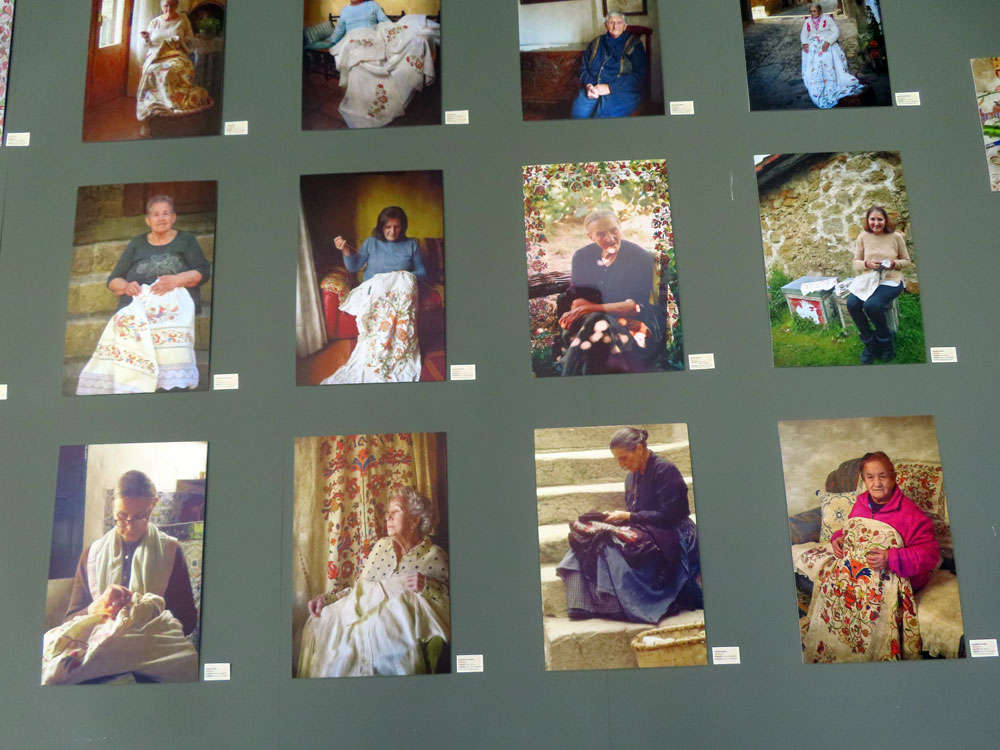 |
| The quilting ladies | |||
 |
 |
 |
 |
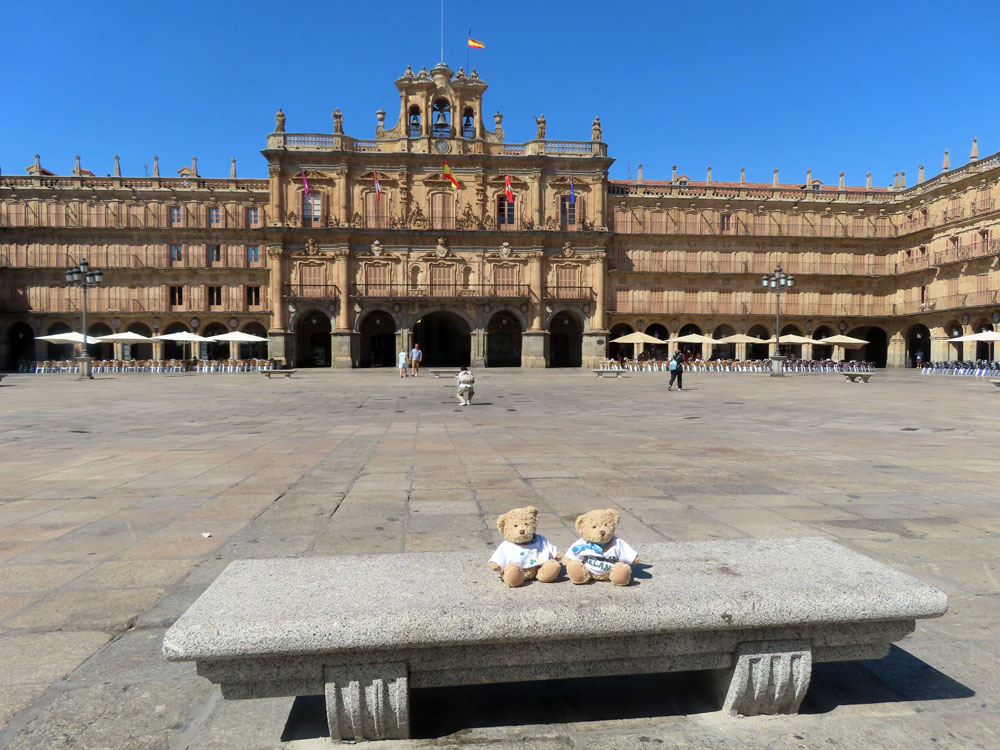
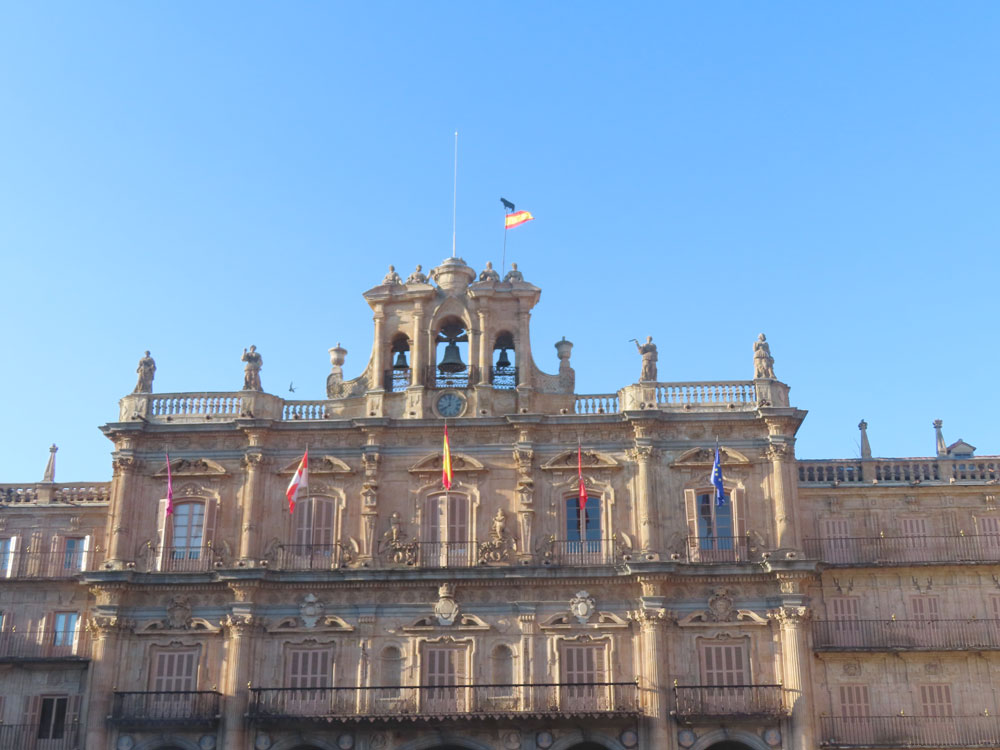
| The central square | The boys pushing their luck - the police and an ice cream | ||
 |
 |
 |
 |
 |
 |
 |
 |
| Tapas 3.0 | |||
 |
 |
 |
 |
Monday August 10
We enjoyed a really good breakfast around 9.00 and went out for a walk again between 10 and 11.15 up through the University Quarter and into the Plaza Mayor. Near here we were able to buy an adapter for one of our chargers which we had left at home. We also bought a new teddy bear who was very colourful.
We left the hotel before noon and had a 3 1/2 hour journey northwards to the north of Asturias to get to our next hotel at Luces.