
Sat 4 November
We had an 8 am start from the train for our scenic panoramic tour of the North Drakensberg mountains. We stopped after two hours for a comfort stop at Simba and then drove another hour or so.
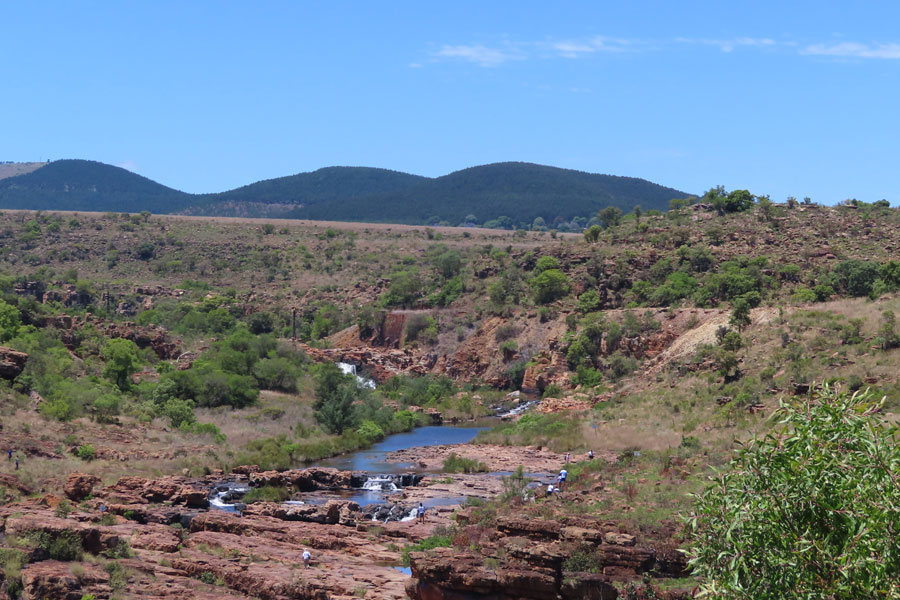
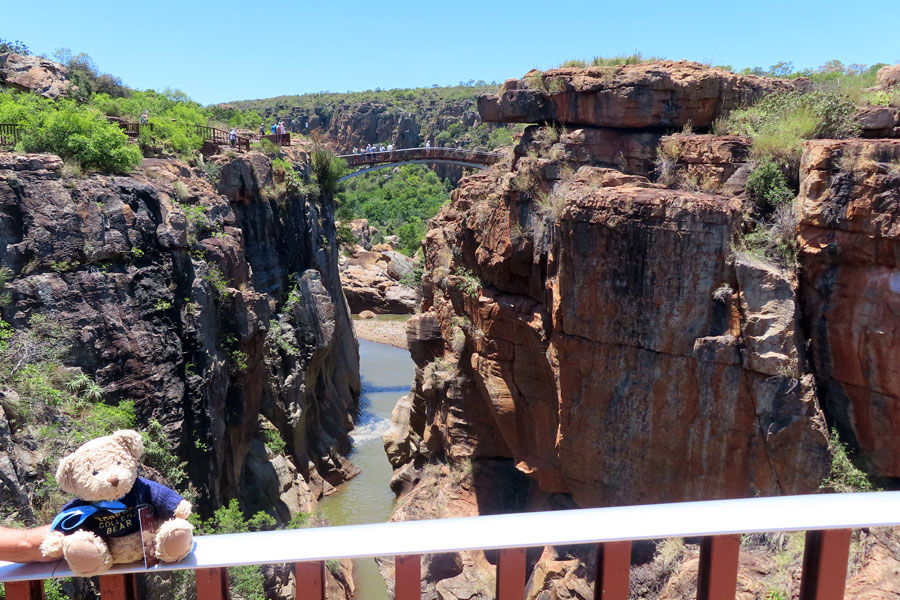
Then to the Bourke's Luck potholes. This was quite a challenging walk, but very enjoyable and scenic. Then on to lunch at an upmarket hotel where we could have swam in a beautiful pool , had they but told us in advance. We sat out in the sunshine for quite a long time after this having had access to the Internet.
The potholes are named after a man named Tom Bourke, who discovered signs of gold in the canyon in the 1880s but misjudged the region. Just further south of where he had first panned for gold, is where many men later “struck gold” and enjoyed the riches of the land. Sadly, Tom Bourke never found gold.
Click on any of the thumbnail photos for a larger version
 |
 |
 |
 |
 |
 |
 |
 |
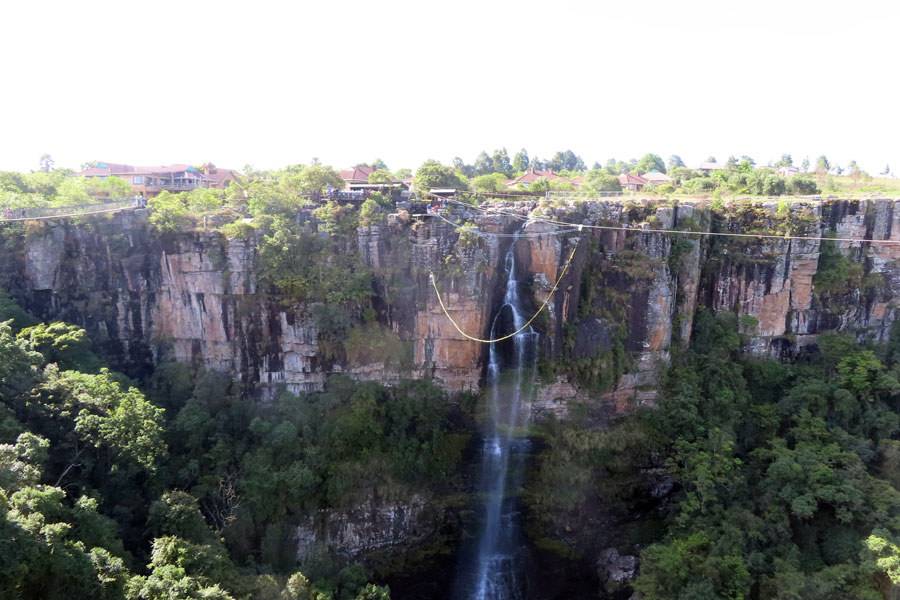
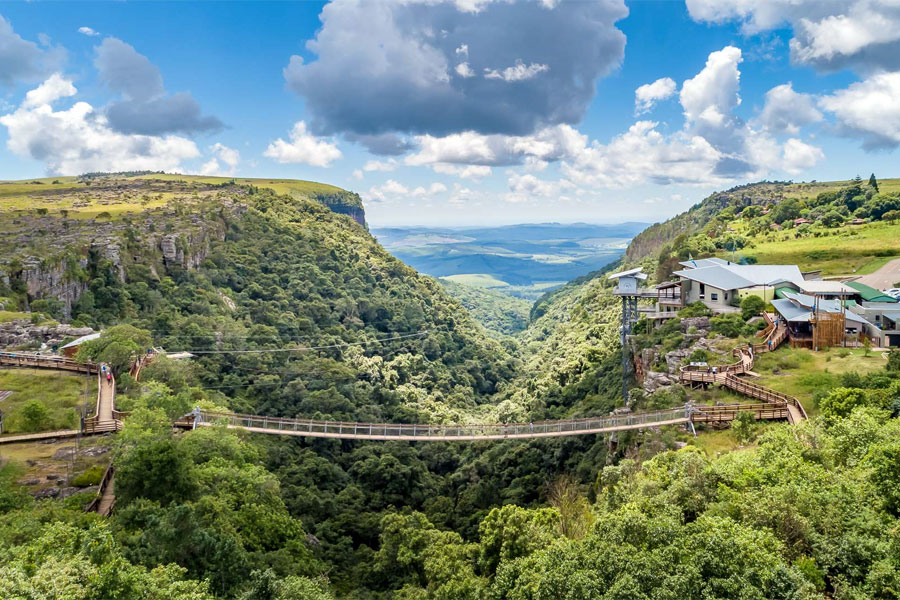
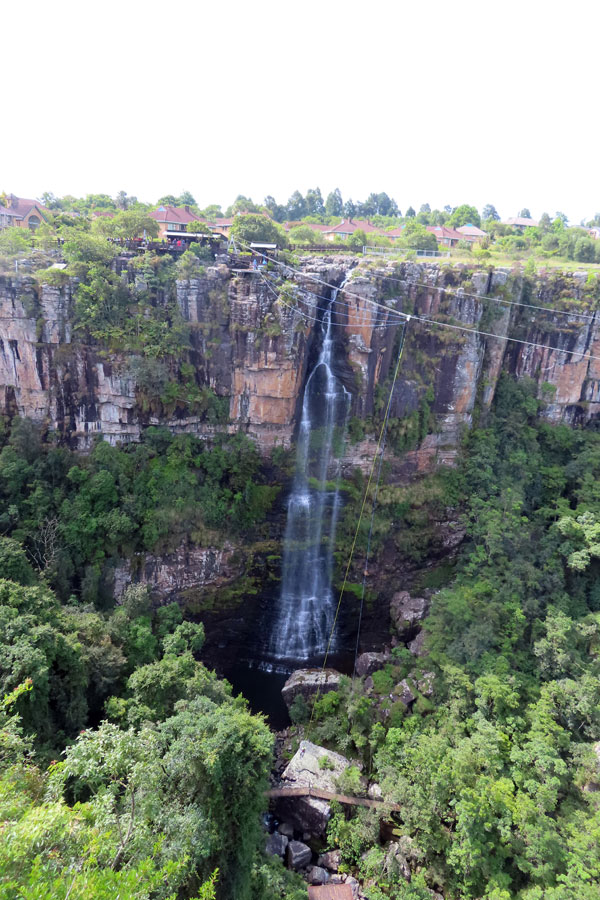
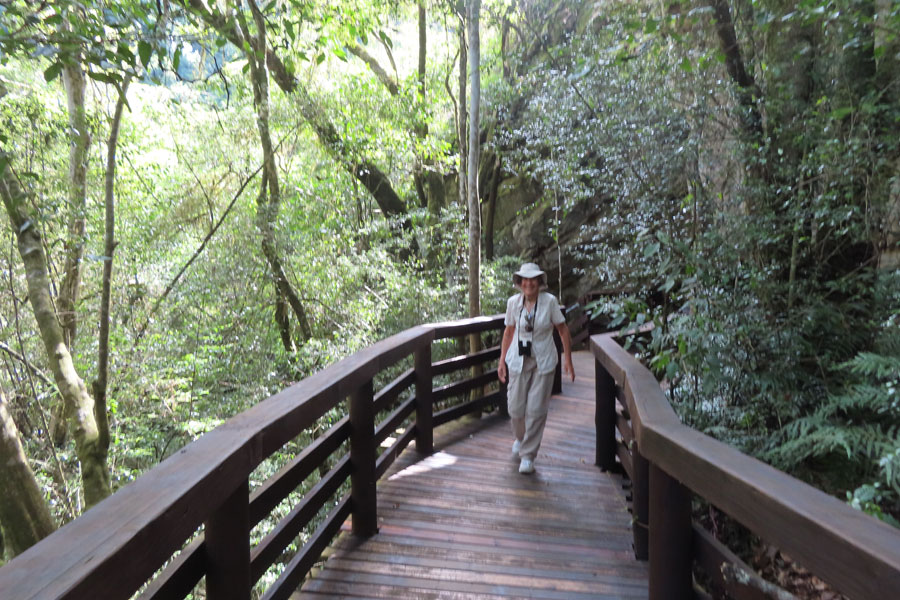
After this on to the Blyde River Gorge where we descended in an elevator to the floor of the gorge and took a very pleasant walk. There was a wondrous waterfall and a bungee jump from above this which was quite spectacular. There was a circular walk through the vegetation which went over several bouncy bridges . We had to get PJ to pay for the elevator as we have not been told in advance that we had to pay for this.
 |
 |
Click on any of the thumbnail photos for a larger version
 |
 |
 |
 |
 |
 |
 |
 |
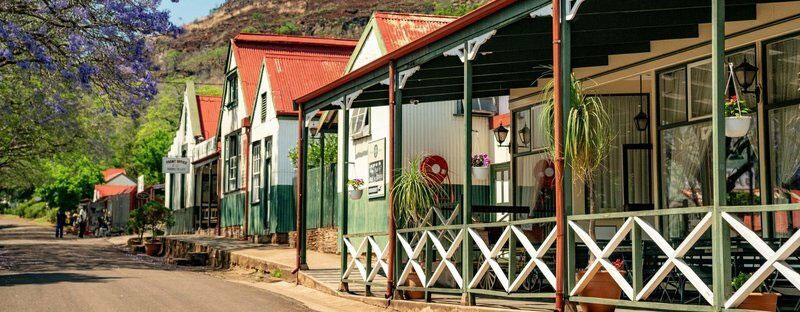
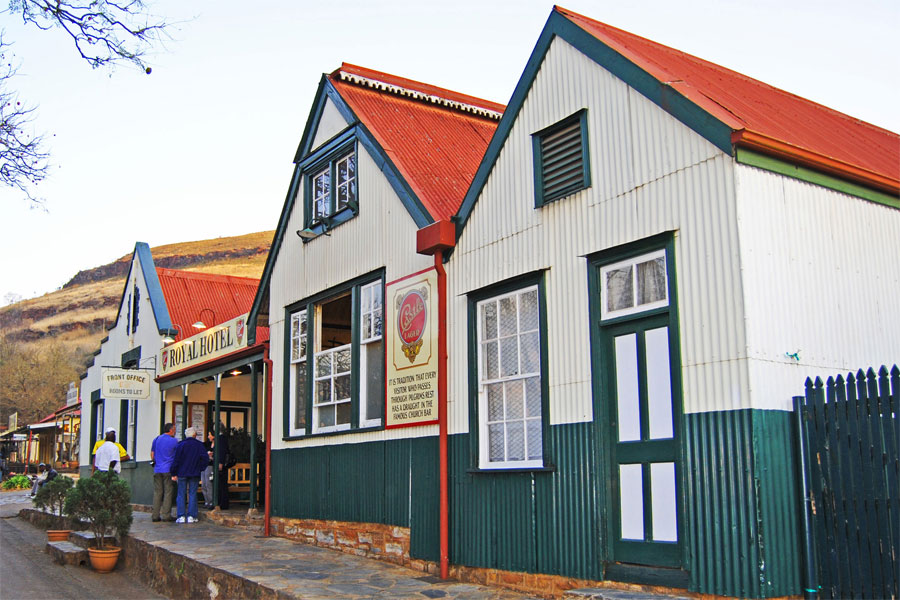
Our final stop was at Pilgrims Rest, a gold mining town turned tourist attraction: this had been badly hit by Covid , was mainly closed up and was not worth a visit.
Pilgrim's Rest is protected as a provincial heritage site. It was the second of the Transvaal gold fields, attracting a rush of prospectors in 1873, soon after the MacMac diggings started some 5 kilometres away. Alluvial panning eventually gave way to deeper ore mining. In the 1970s the town, not greatly changed, became a tourist destination. Mining was closed down in 1971 and the village was sold to the government as a national museum.
Transvaal Gold Mining Estates Limited started mining again in 1998. It is currently owned by Theta Gold Mines Limited, an Australian listed company. The town's original architecture remains largely unchanged since the heyday of the mining era, because the town was declared a National Monument. It became a provincial heritage site in 1986. The village is a cultural heritage site and living museum with a variety of village museums, tours, accommodation, restaurants and shops.
Click on any of the thumbnail photos for a larger version
 |
 |
 |
 |
We then headed back to link up with the train which had not moved since the morning due to the theft of overhead cables which is quite common in South Africa. he theft of overhead cables and vandalism of railway property has reached unprecedented levels, says Transnet Freight Rail (TFR), revealing more than 1,000km of copper cable was lost between January and October. The company has recorded an average of 600 theft and vandalism incidents monthly.
Eventually, as dusk was falling, we found the train after driving down a small track and boarded it across the rails. Surprisingly, the staff emerged onto the rails with trays of drinks which I thought very peculiar.

Click on any of the thumbnail photos for a larger version
 |
 |
 |
 |
After this. David had to fill in loads of forms for future countries . We managed to get to the bar and I had a pre dinner drink of whisky sour. A very pleasant meal and then drinks in the bar again before an early bed.