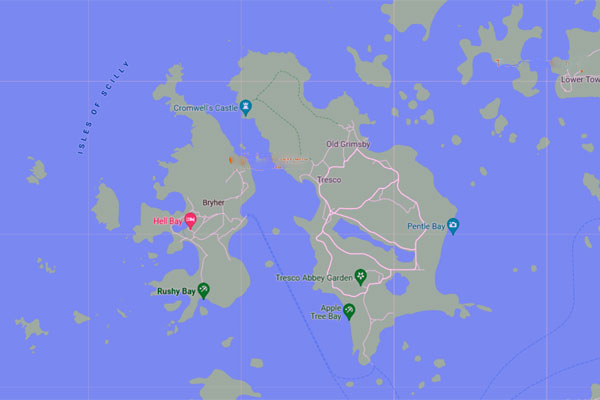
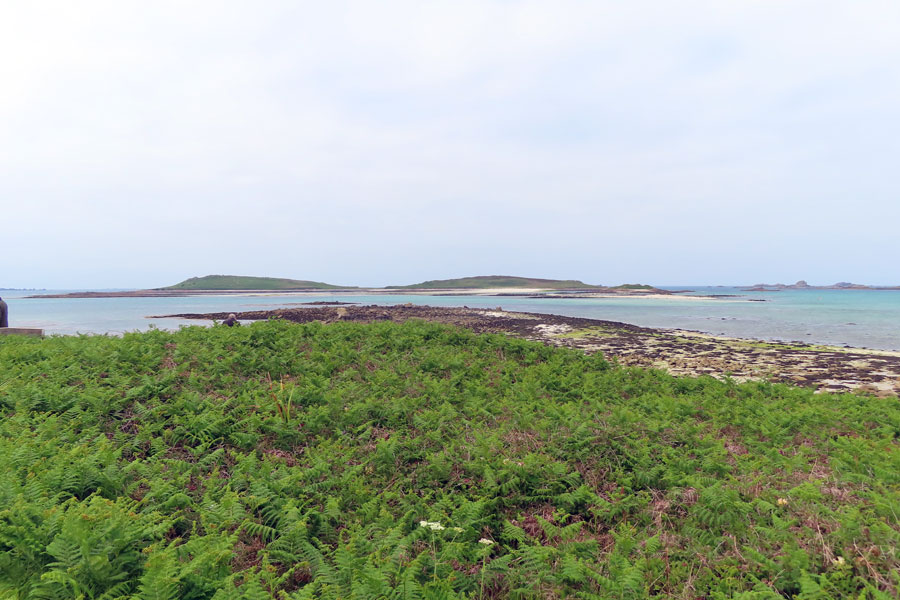
Scattered 30 miles offshore from England’s most south-westerly point – Land’s End – the Isles of Scilly are home to rich wildlife, and green land sloping to powdery white beaches. The Isles of Scilly’s biggest island harbours around 1,600 people – roughly three-quarters of the total population - and is one of five occupied islands. Isolated and serene, life here hums along at its own pace in this archipelago's bubble, which enjoys the UK’s mildest climate, and some of its most spectacular beaches.
June 2nd
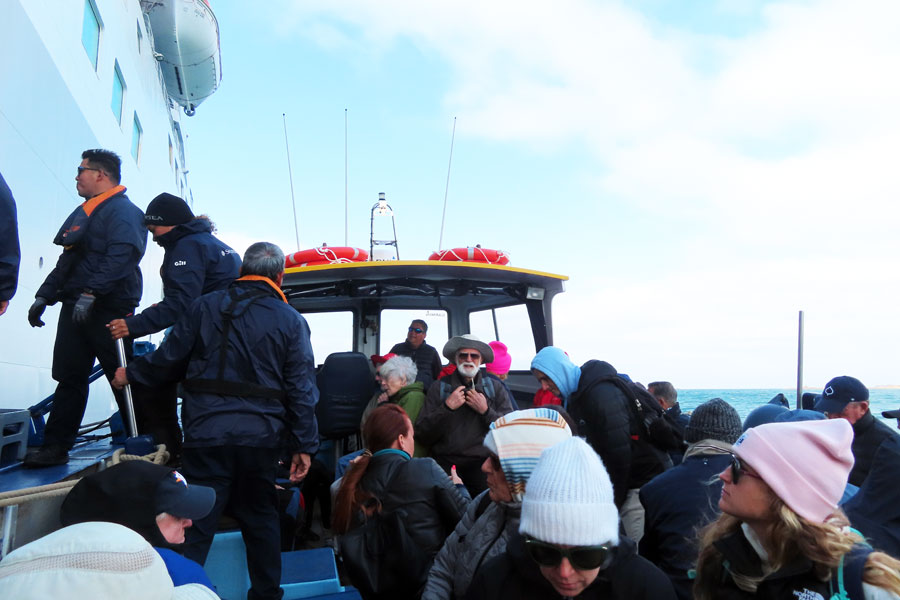
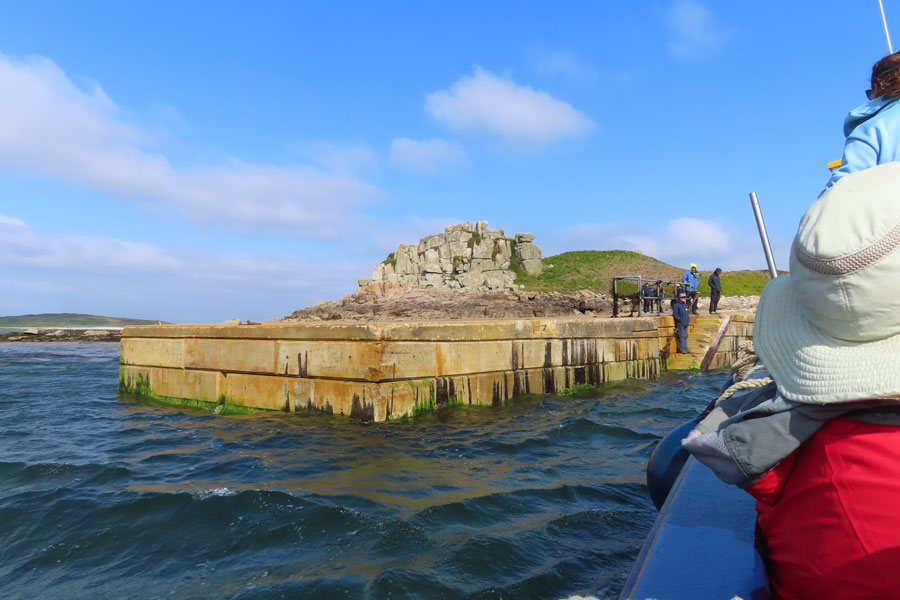
Anchored off Tresco by 7am. Off on three packed tenders around 9 am. - locals insist on providing transport to shore.
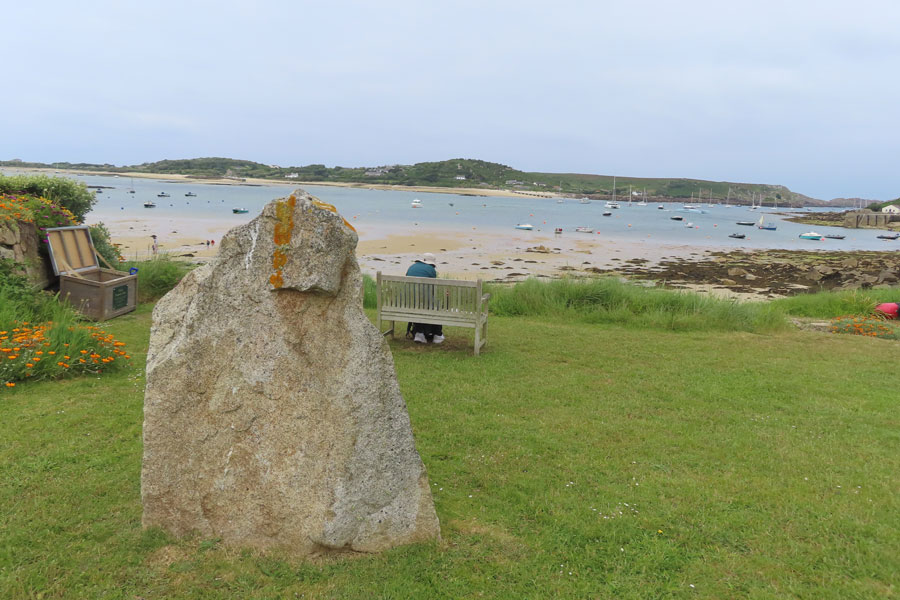
We walked to the village of Grimsby, quite busy as it was half term week. Incredibly beautiful and not so cold and windy as we had feared, But the walk from the pier to the gardens entrance was bitter .
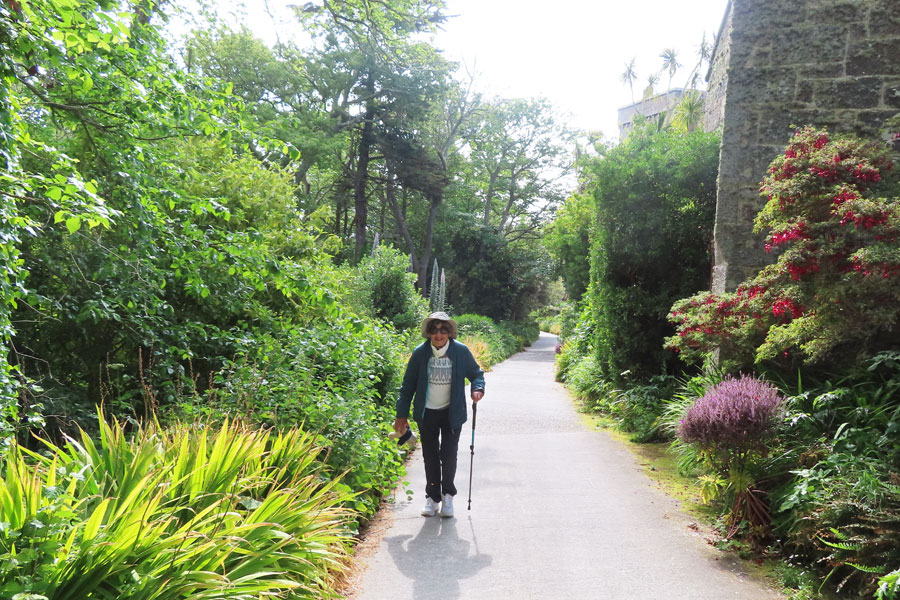
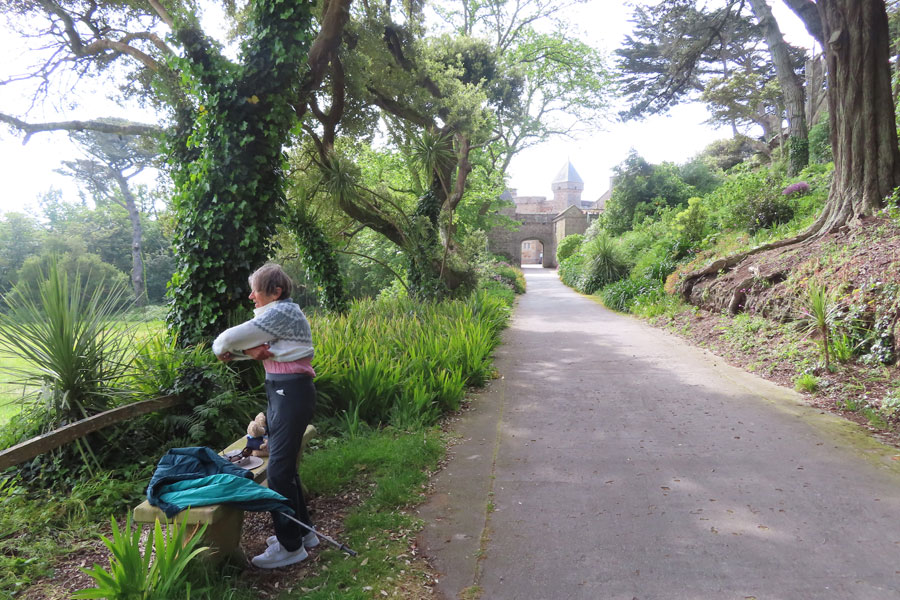
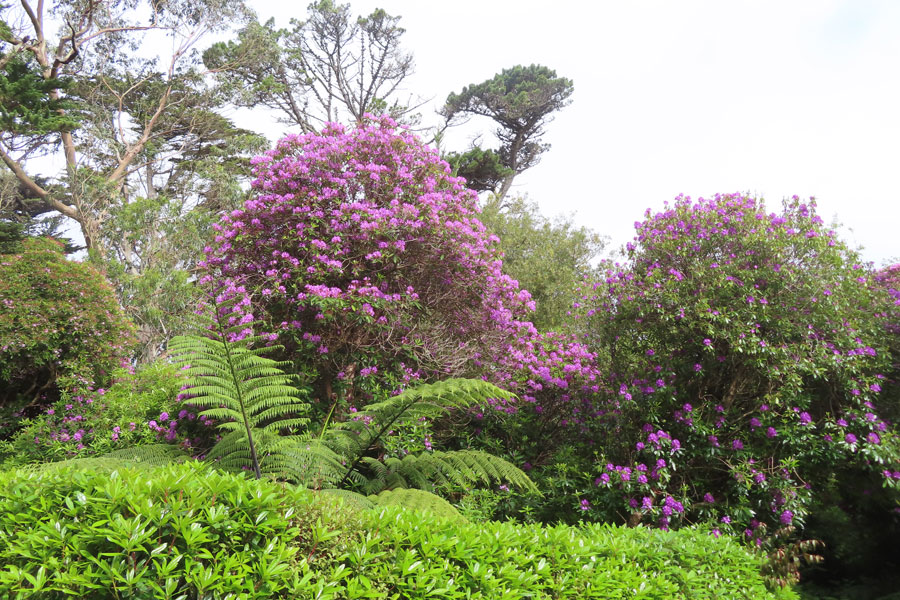
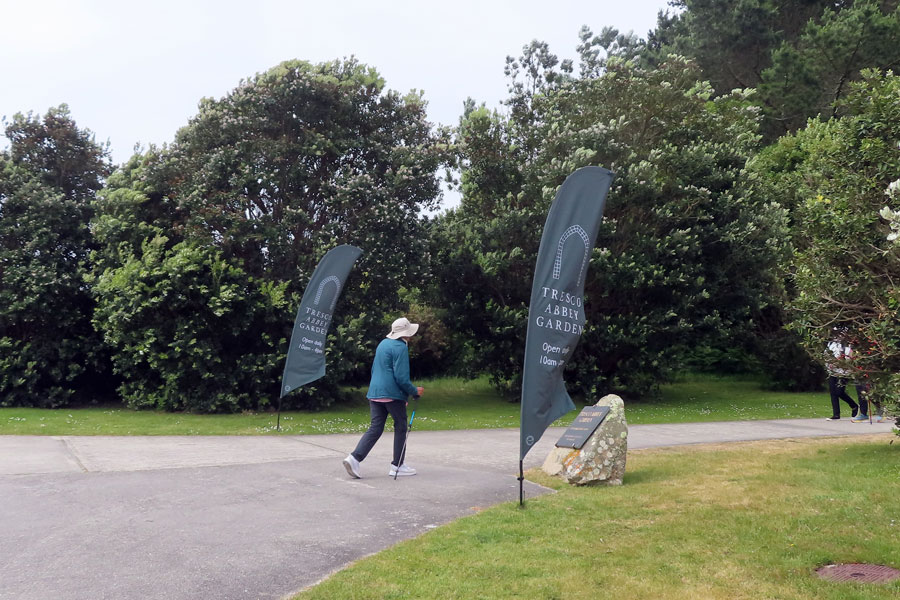
We got back to the gardens with 35 minutes to spare so had a brief stroll round the magnificent gardens.
Tresco, Isles of Scilly
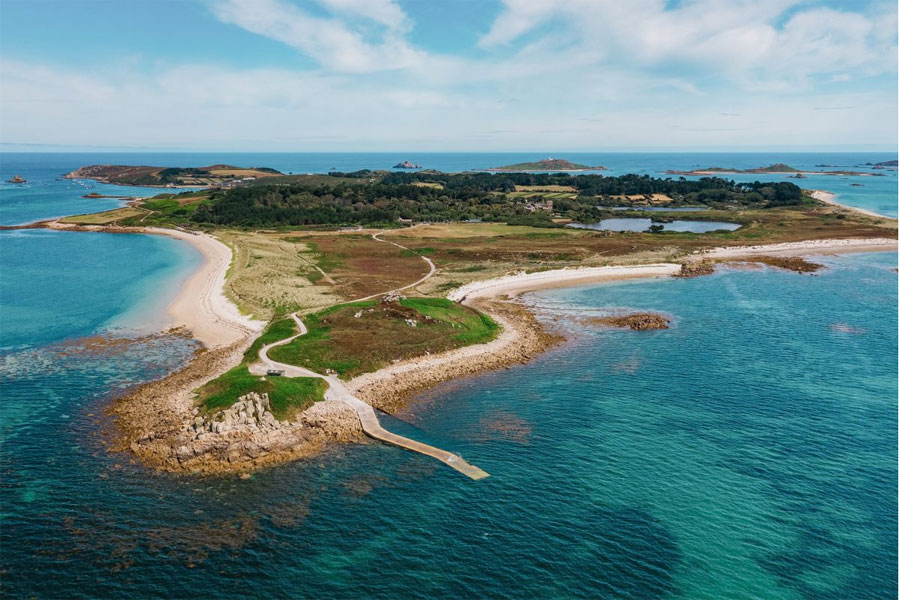
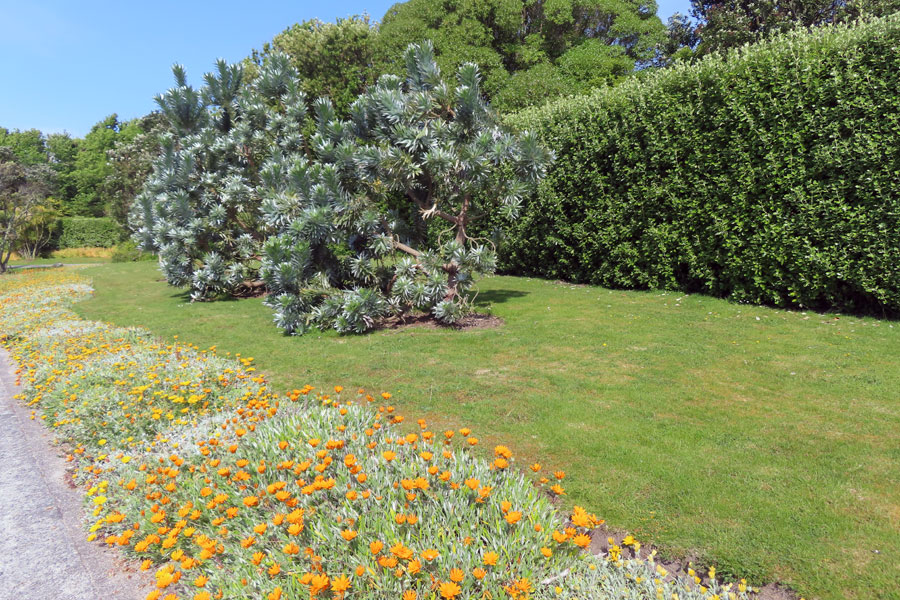
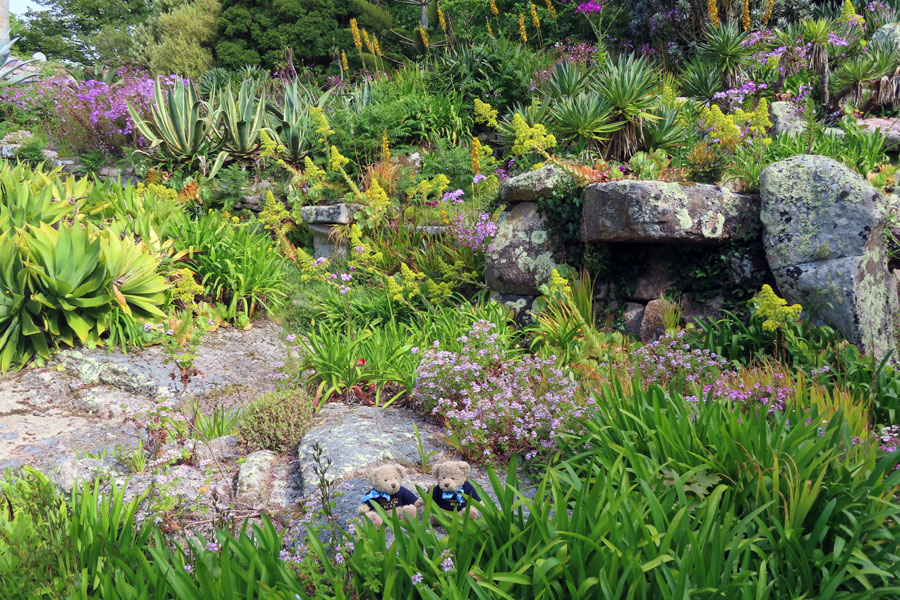
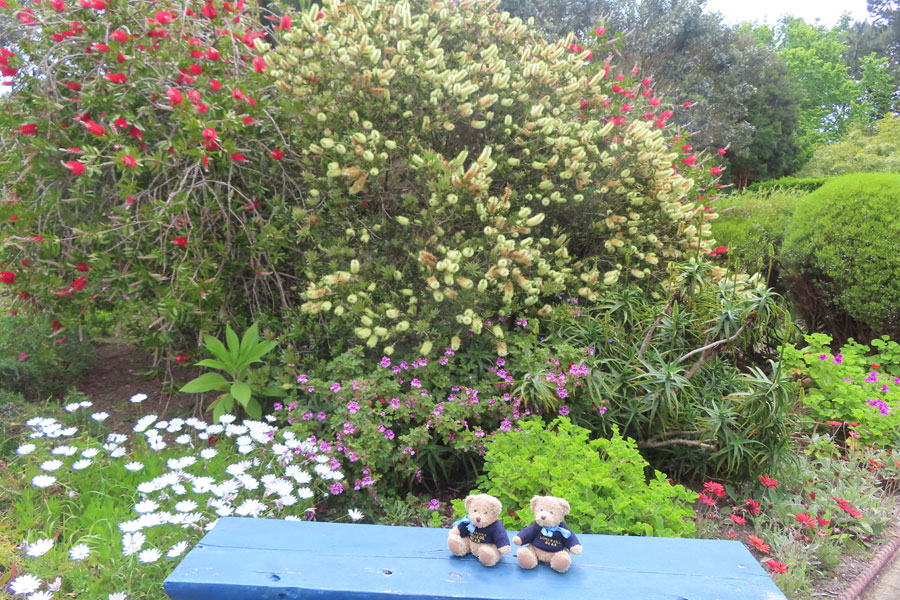
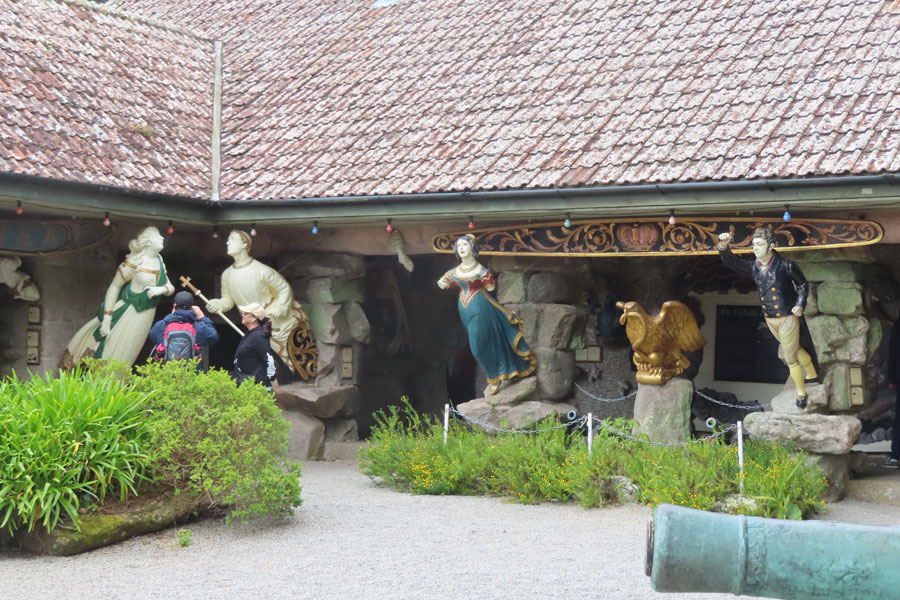
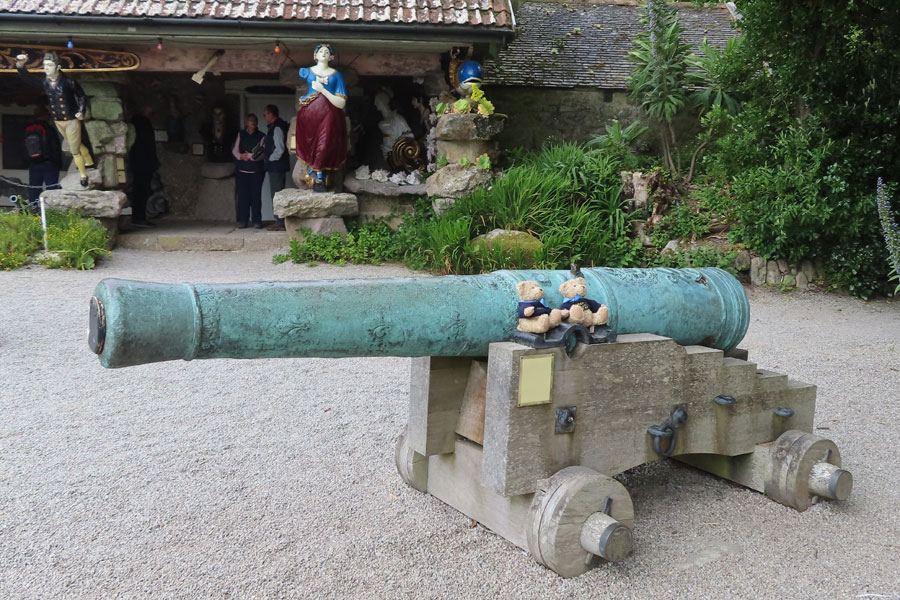
Tresco is the second largest of the Isles of Scilly. measuring about 2 miles by 1 mile. For many visitors Tresco is the most attractive of the Isles of Scilly. This is especially due to its Abbey Garden, which is home to thousands of exotic plant species from around 80 different countries. Plant collector Augustus Smith began the gardens in the 1830s on the site of an old Benedictine Abbey by channeling the weather up and over a network of walled enclosures built around the Priory ruins. He had three terraces carved from the rocky south slope and maximised Tresco’s mild Gulf Stream climate. Even in mid-winter there still are hundreds of plants flowering here. Another surprising attraction at the Abbey Garden is the collection of figureheads from ships that wrecked among the Isles of Scilly.
The island is administered for the Crown by the Duchy of Cornwall and is leased to the Dorrien-Smith estate which runs it as a timeshare business. The Dorrien-Smith family (descended from Augustus Smith) held the position of Lord Proprietors of the Scilly Islands between 1834 and 1920.
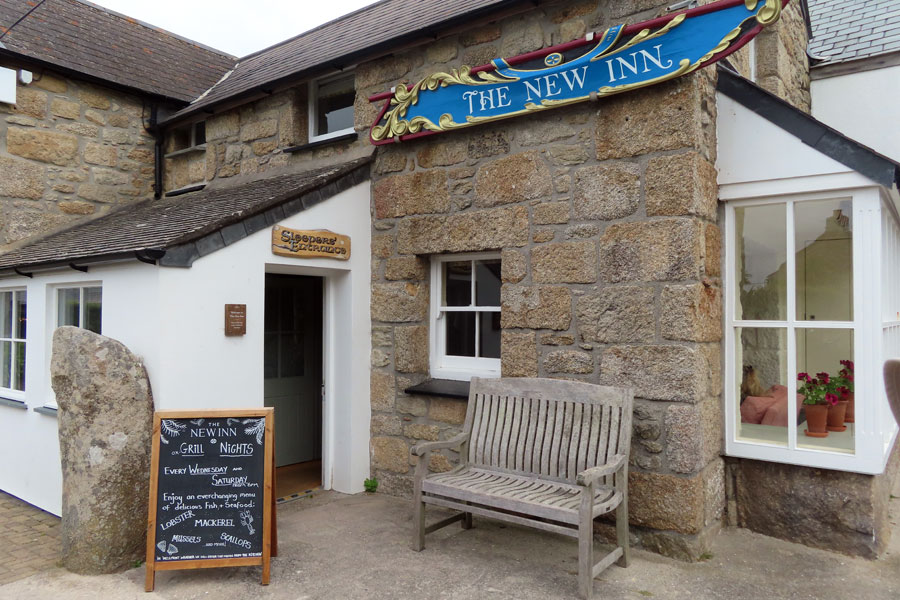
The main settlements are New Grimsby and Old Grimsby in the central part of the island. Combined, their facilities include a convenience store (with a post office sub-branch), an art gallery, a pub, and two café/restaurants, all of which are owned and run by the Tresco Estate. At the south of the island are the sub-tropical Tresco Abbey Gardens, including the Valhalla Figurehead Collection, and Tresco Heliport. To the north of New Grimsby are King Charles's Castle and Cromwell's Castle.
Tresco is a car-free island. Farm tractors with passenger trailers are used to transport overnight visitors to and from Tresco Heliport and from the various quays, and a few golf carts are available for disabled visitors.
The 17 acre Tresco Abbey Gardens were established by the nineteenth-century proprietor of the islands, Augustus Smith, originally as a private garden within the grounds of the home he designed and built. The gardens are designated at Grade I in the Register of Historic Parks and Gardens.
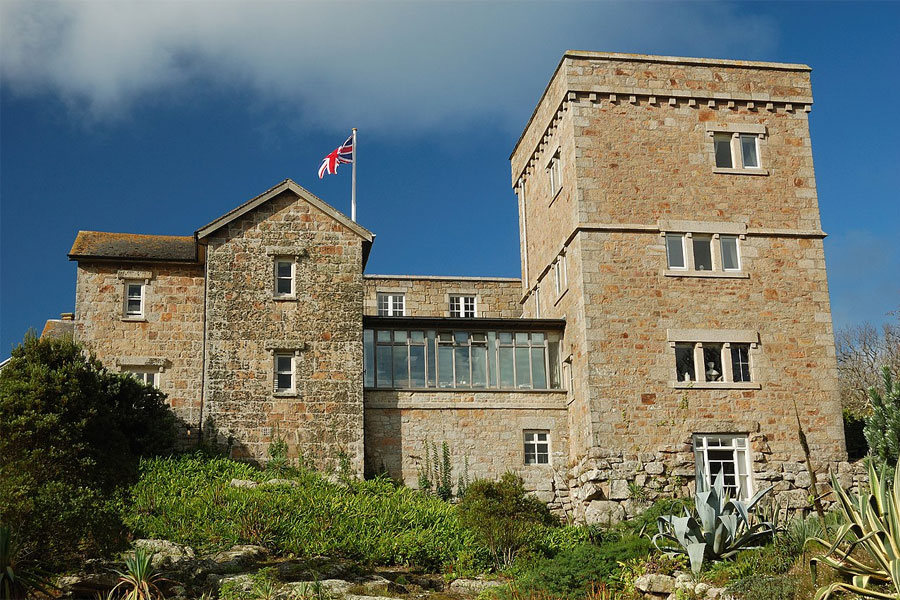
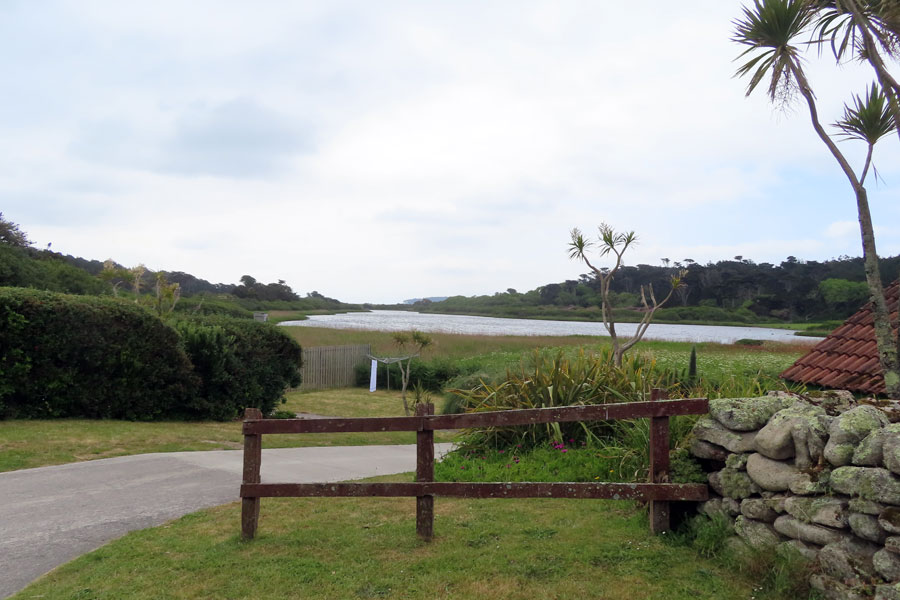
Augustus Smith chose Tresco as the site of his home because the site was more or less central in relation to the rest of the islands. It is also close to the original abbey ruins, is near a fresh water pool and overlooks the sand dunes and beach at Carn Near. The area at the time was barren land and the original building, designed by Smith and started in 1835, was small in comparison to the current building. He made additions to the house in 1843 and 1861. The Grade II listed house consists of roughly coursed granite with ashlar dressings and a slate roof. Some of the timbers from the 1861 wreck of the Award were used for the paneling and roof of the new dining room, as well as paneling of the rooms. His successor, Thomas Algernon Smith-Dorrien-Smith added the tower in 1891.
Within the gardens are the remains of a Benedictine abbey founded in 964 AD, although the majority of what remains today comes from the Priory of St Nicholas founded by monks from Tavistock Abbey in 1114. There were hardly any trees on the island and the gorse did not provide enough protection so he planted shelterbelts. The first were mainly deciduous trees such as, elm , sycamore , oak ) and poplar , and later he planted Monterey cypress and Monterey pine which are fast growing and suited to coastal conditions.
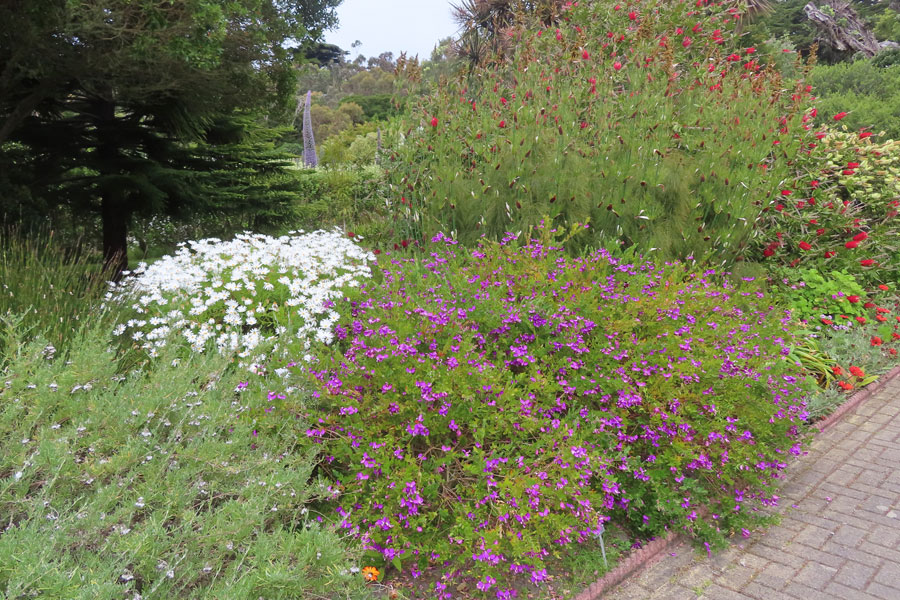
A large expansion to the collection was undertaken by Arthur Algernon Dorrien-Smith in the early years of the 20th century. He made many trips to South Africa looking for suitable trees and plants. He went on the 1907 Sub-Antarctic Islands Scientific Expedition, which had as its primary object magnetic observation in the Auckland and Campbell Islands. Following the expedition he travelled widely in New Zealand, as well as making a shorter visit to Australia. In 1909 he again visited Australia, New Zealand and the Chatham Islands. By this time he had amassed a total collection of plants and seeds of about 2280 specimens. Because of the mild winter climate, the long hours of summer sunshine, and the high walls and hedges around the garden protecting it from the Atlantic winds, the garden is now home to exotic plants from all over the world: the Mediterranean, South America, South Africa and Australasia.
click on a thumbnail to get a bigger photo
 |
 |
 |
 |
 |
 |
 |
 |
 |
 |
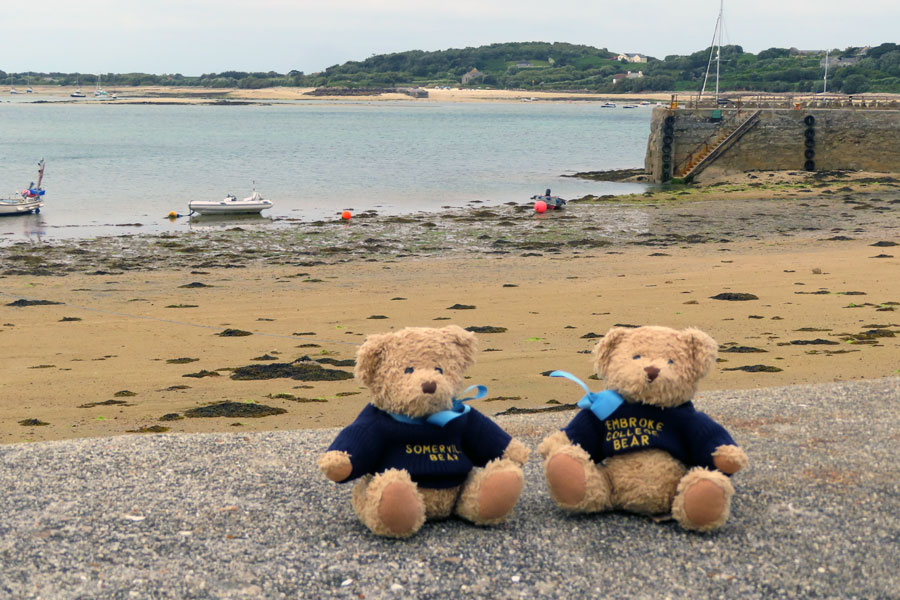 |
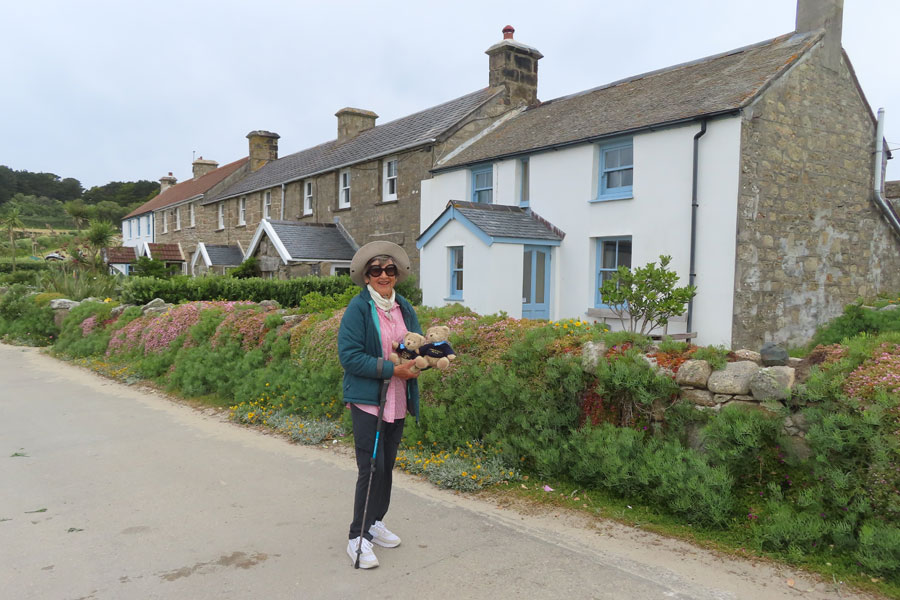 |
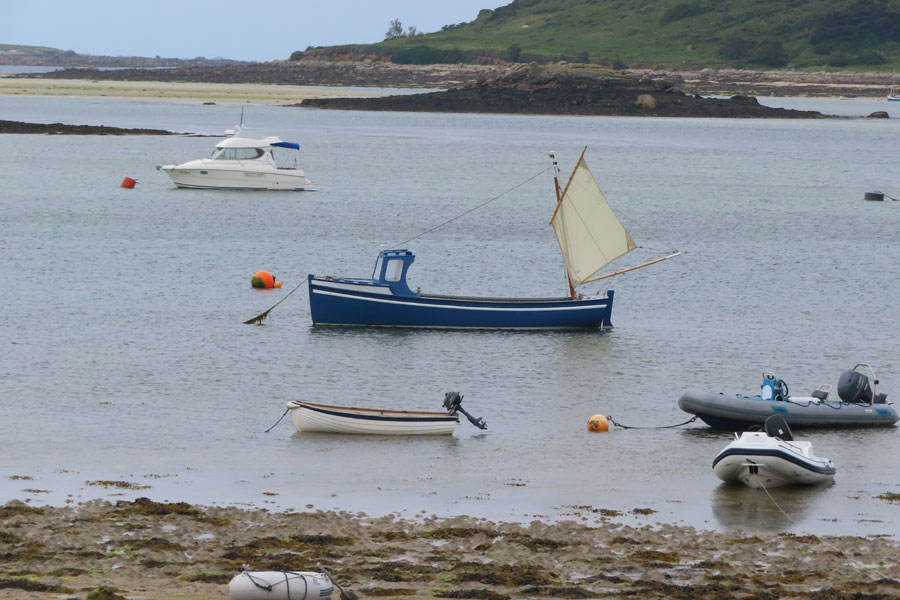 |
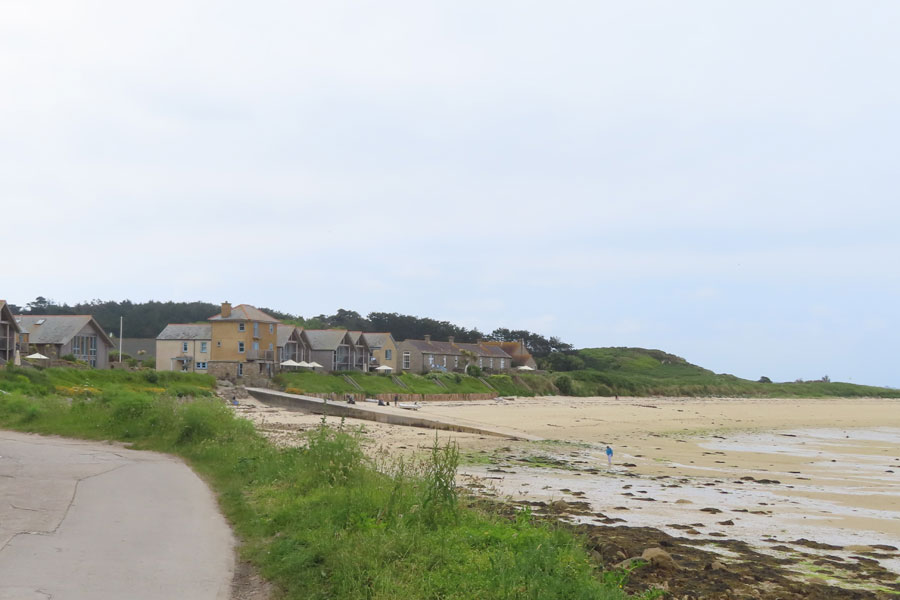 |
 |
 |
 |
 |
 |
 |
 |
 |
 |
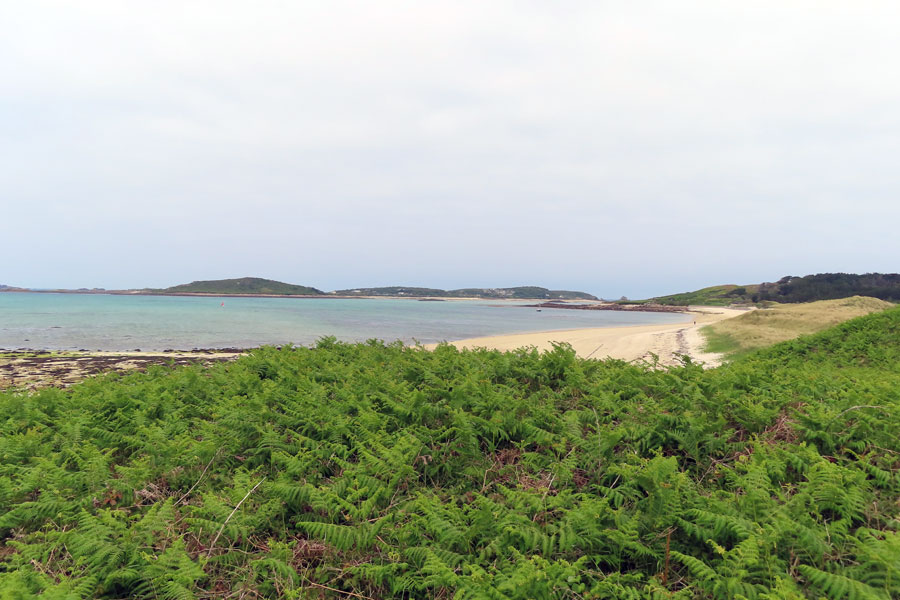 |
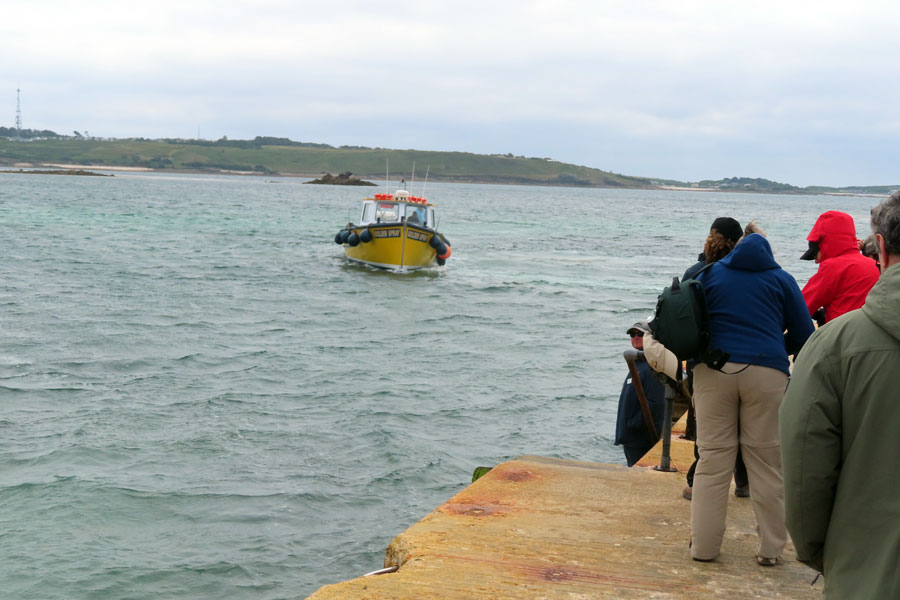
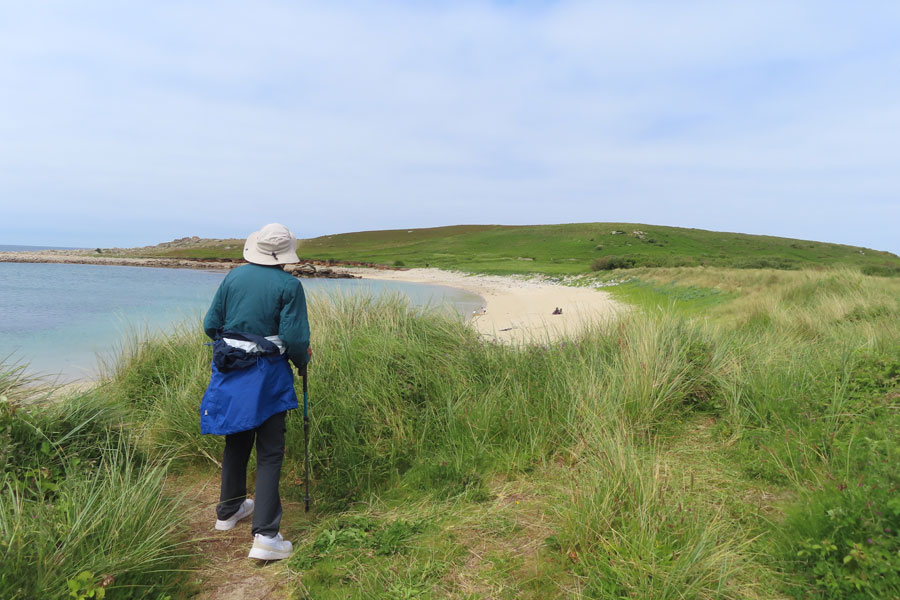
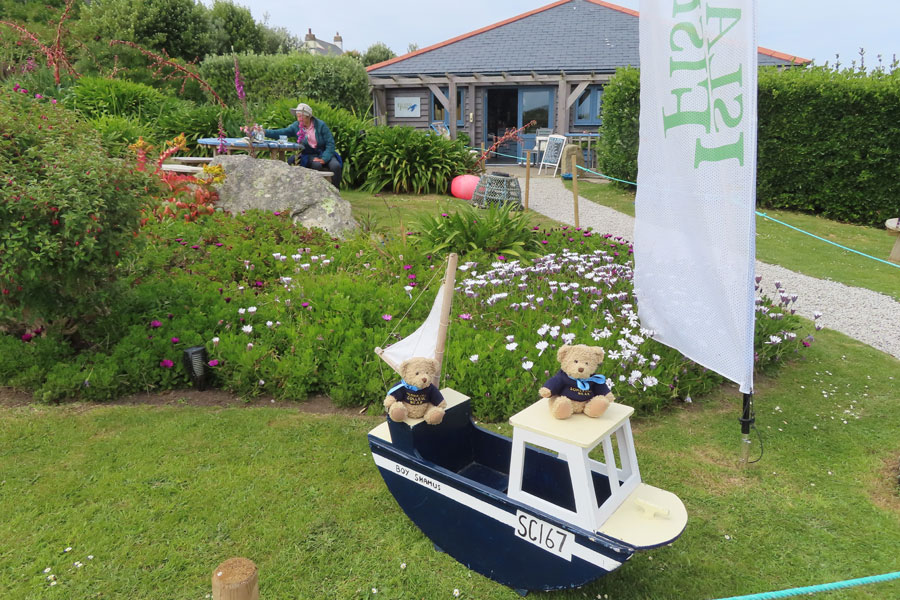
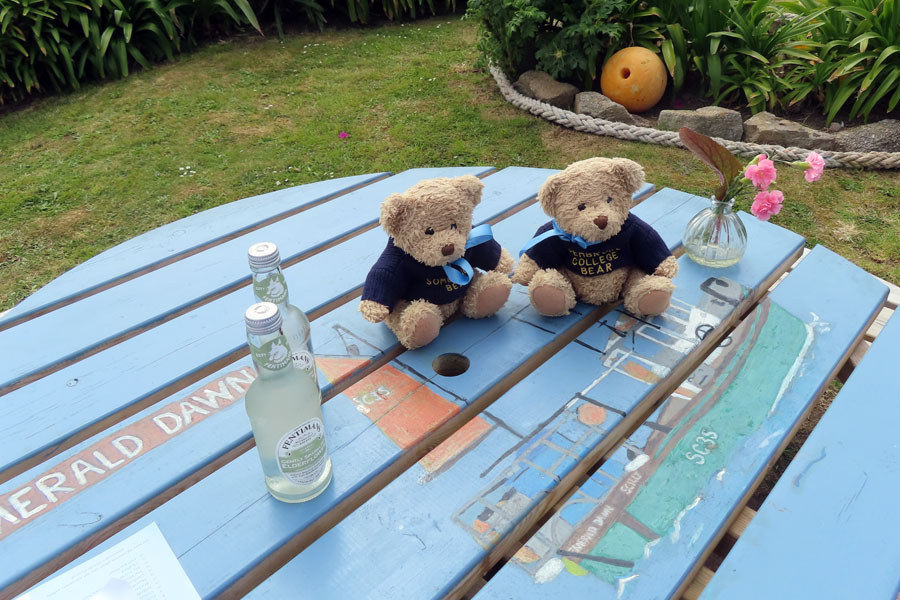
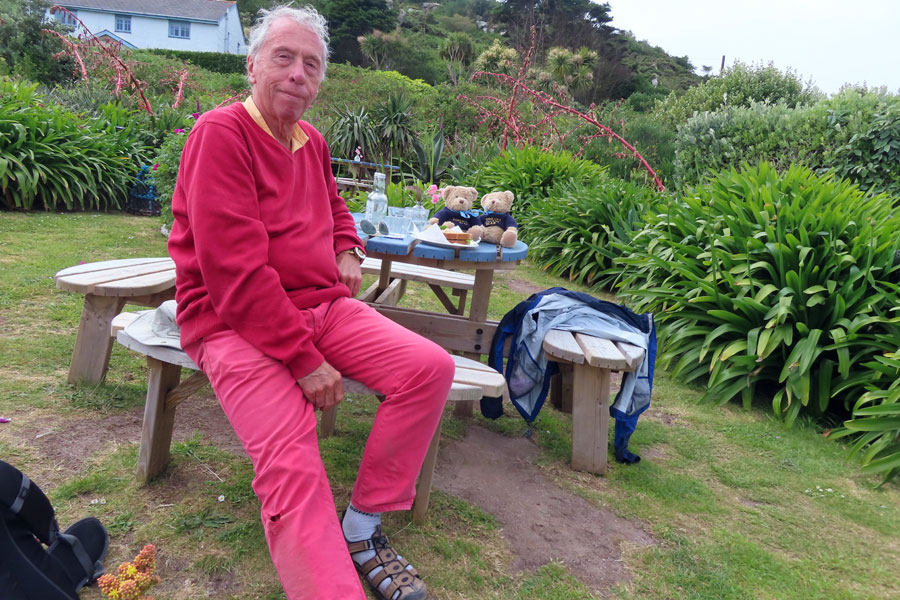
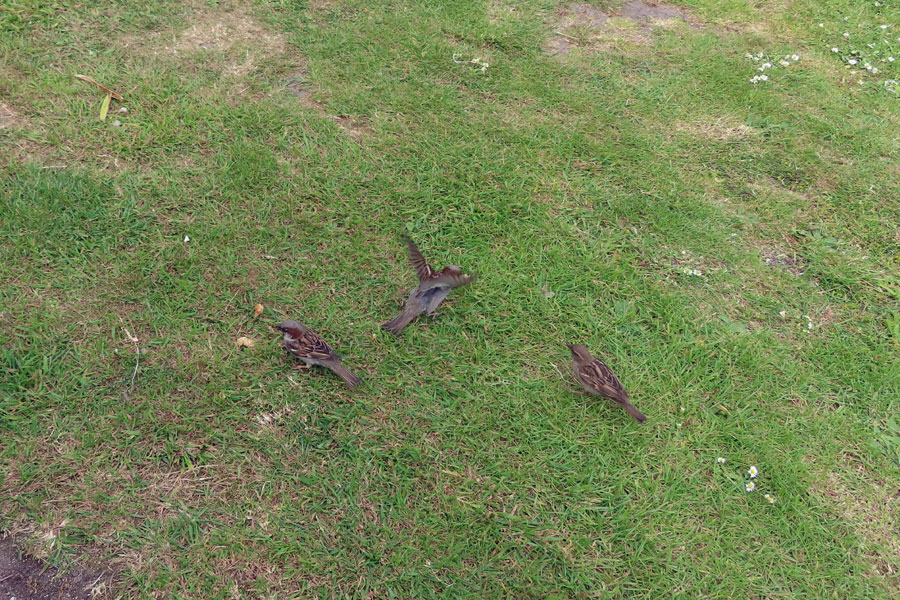
Lunched outside at the Terrazza and enjoyed a Cosmopolitan cocktail, un asked for!. Then to Bryher, here we had a good walk by ourselves and then stopped at the same cafe as last year and enjoyed a lobster sandwich, two cakes and elderflower juice , alongside many sparrows!.
Bryer
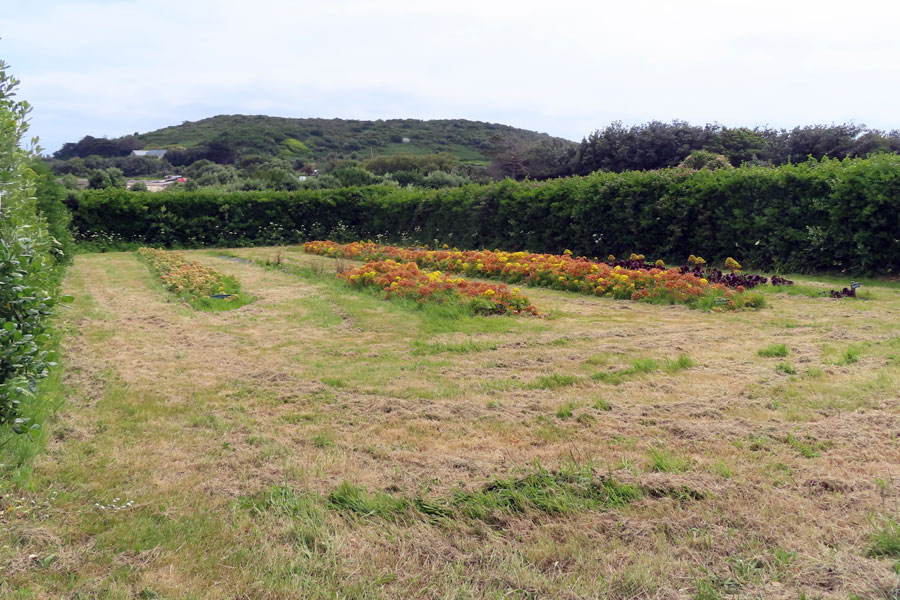
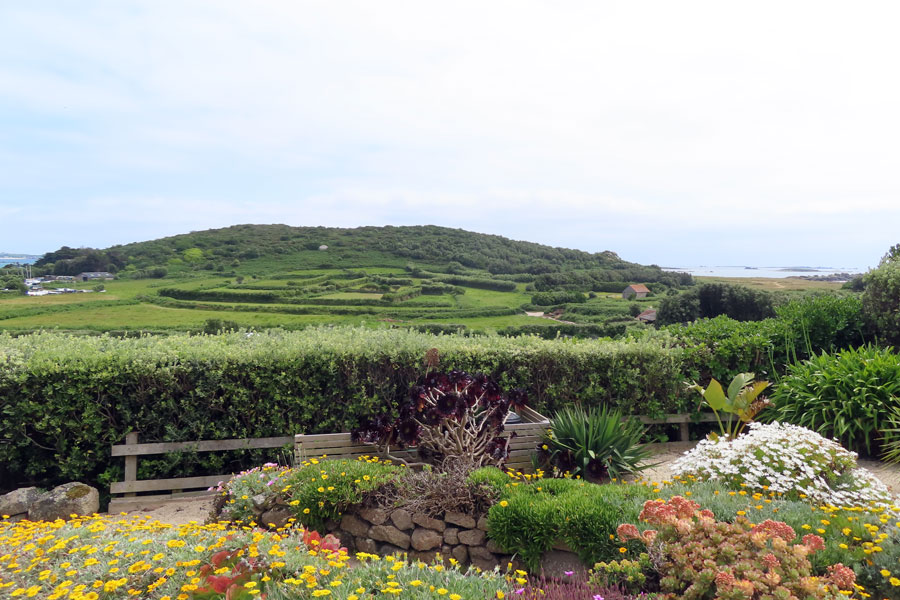
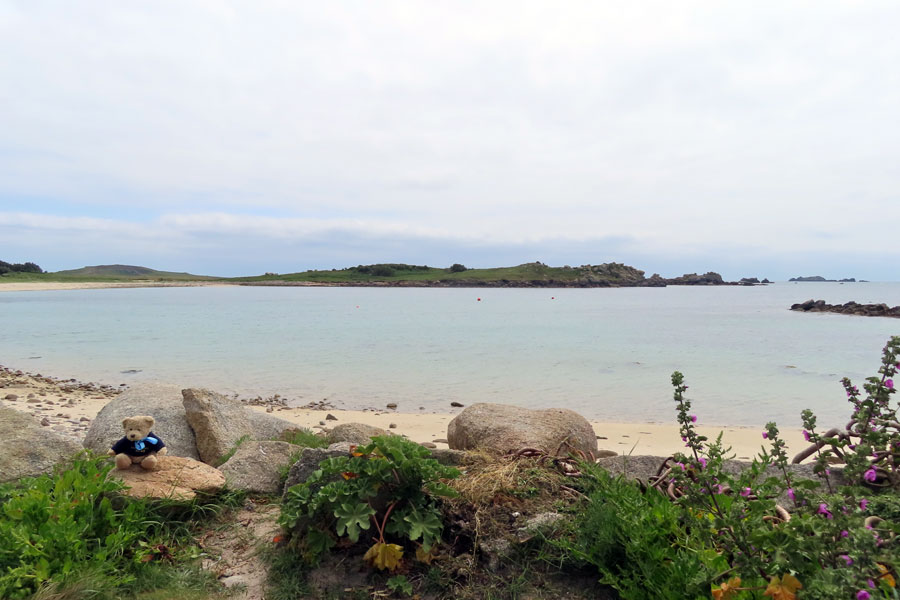
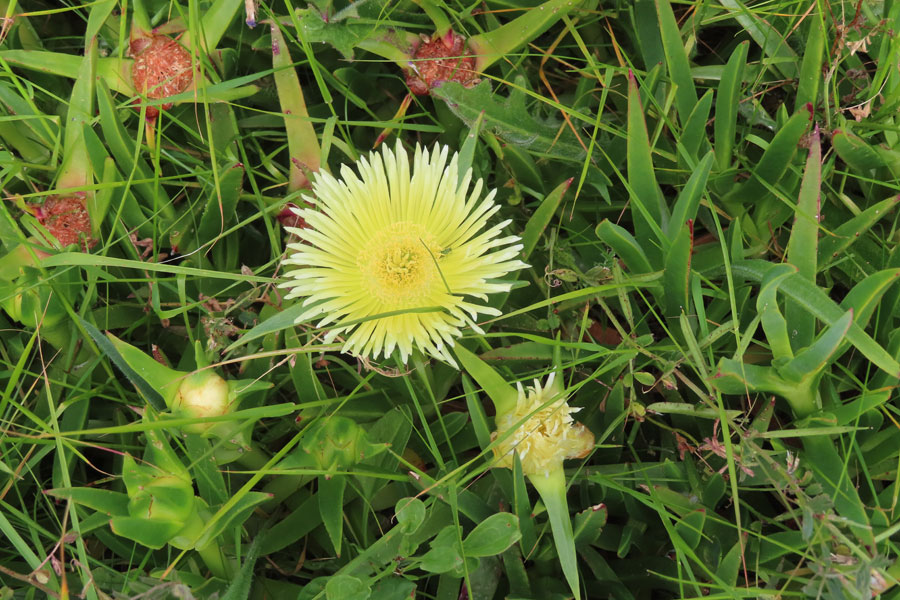
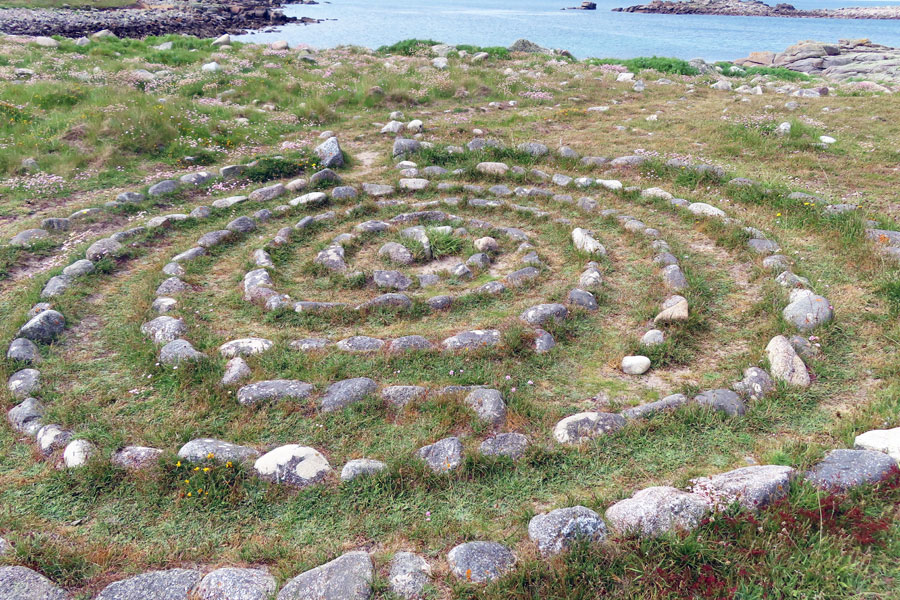
The Atlantic swells hit and shape the western side of Bryher (bre-her), the smallest of the inhabited islands of the Scilly Isles. Bryher means ‘land of hills’ and the island has five hills of granite, linked by sandy necks. The flatter land is more fertile and habitable and is where the 80 or so inhabitants of the island live. A progression of people have sought to make a home on the Scilly Isles from the Bronze Age onwards. Many were religious figures seeking isolation from the mainstream of society. Bryher visitors often have that same idea today, even if only temporarily. Walking provides ready access around the island which is only 2 kilometres (1.2 miles) long, with a maximum width of 1 kilometre (0.6 miles) and an area of 134 hectares (330 acres). Hells Bay, to the north east, is a rugged coast where waves have shaped the granite coastline. Beaches of fine sand are found in the south. Shipman Head on the northern-most point supports seven types of breeding seabirds including three gull species. Bryher is washed by the Gulf Stream, a warm current that travels all the way from the Caribbean. This keeps the coastal waters and climate of the Scilly Islands mild and able to support plants not often seen in Britain. Many garden flowering species from sub-tropical climates around the world have been planted in gardens or near pathways. A local plant on Bryher to look for is the pretty Sea Thrift or Sea Pink which favours coastal conditions and can form carpets of pink flowers in summer.
 |
 |
 |
 |
 |
 |
 |
 |
 |
 |
 |
 |
After the Briefing the recaps by Roselea, Colin and Lisa incensed us, the former so long and completely incomprehensible. And Colin obviously did not understand the subject of tides. Enjoyed Daniel's show, Forever Frank, but he only had an audience of around 30.