 |
 |
 |
 |
 |
 |
With more than 270,000 inhabitants Sousse is Tunisia’s third-largest city. Located on the coast and bordering the Gulf of Hammamet, it is about 140 kilometers south of Tunis. Sousse’s origin goes back to Hadrumetum, a Phoenician settlement in the Tunisian Sahel. It was later used by Romans, Vandals and the Byzantine Empire, but eventually destroyed in the 7th century during the Muslim conquest of North Africa. By the year 800 a border defense was set up at present day Sousse and it became an important commercial and military port under the Aghlabids. Located next to the port, several of Sousse’s old structures are still well-preserved and are listed as “Historic Monuments”, among them the Kasbah, the Medina of Sousse with the Great Mosque, the Bu Ftata Mosque and the Ribat, the most ancient and best-preserved fort and religious building. This complex has been considered to be a unique prototype of military coastal architecture of the first centuries of Islam and one of the best examples of seaward-facing fortifications built by Arabs by UNESCO. This harmonious example of Arabian-Muslim urbanism was given World Heritage status. Although olive oil manufacture has been one of the main economic activities, tourism has played an important role since the 1960s. A harbor and beach promenade running for some 10 kilometers along fine sandy beaches and hotels is used by visitors and locals alike. The Archaeological Museum houses important Roman mosaics and artefacts from the Roman Christian catacombs.
tour 1 Treasures of Thysdrus
|
|
|
|
|
|
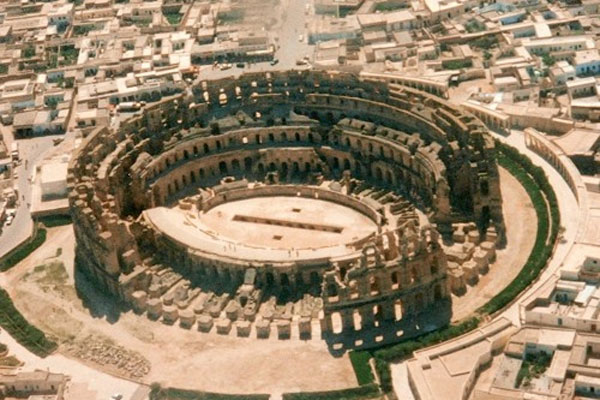
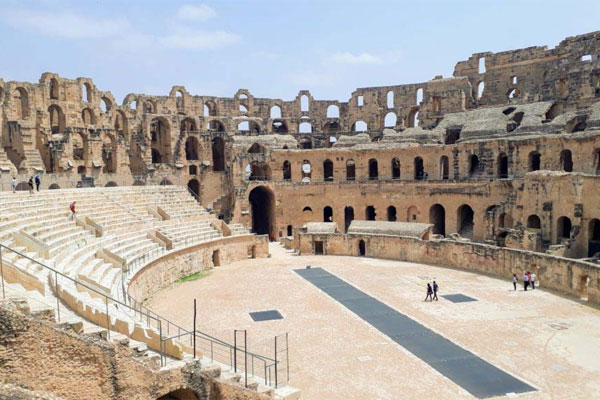
Discover the history of the ancient Roman city of Thysdrus, near modern-day El Jem and north of Hadrumetum (modern Sousse). On this full-day excursion, explore what are considered some of the most impressive Roman remains in Africa. Originally influenced by Carthaginian civilization, Thysdrus probably received Julius Caesar's veterans of the Punic Wars as settlers in 45BCE. Embark on your adventure from the dock with a one-hour drive to the El Jem Amphitheater, a UNESCO World Heritage site since 1979. Listen to an exclusive lecture by our specialist detailing the history of the most imposing Roman monument of Africa. Capable of seating 35,000, this colosseum's huge, round shape rises from the desert plain to be seen from a great distance. It is one of the best conserved buildings of its kind, despite the vicissitudes of the time and battle.
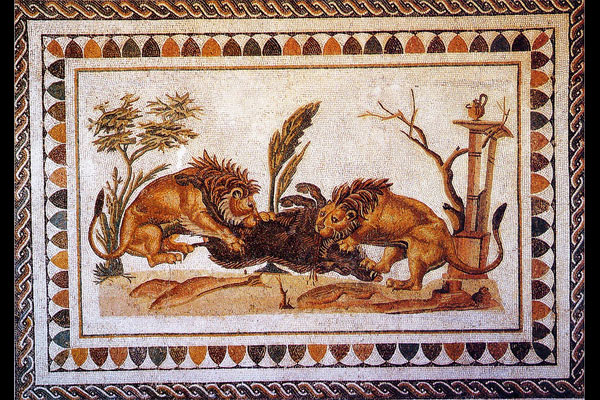
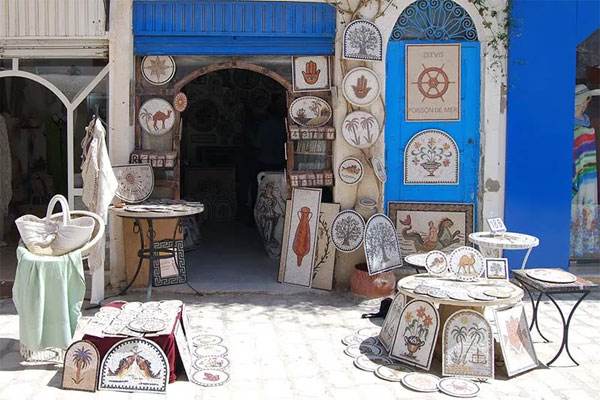
Next, reboard your coach for a drive to the El Jem Museum. See the museum's collection of architectural elements that once decorated the city's superb villas and public buildings, most especially the sumptuous mosaic floors, among the finest of Roman antiquity. Reboard your coach and drive to a local hotel where you will enjoy a leisurely lunch of Tunisian and international cuisine. After lunch, make a visit to Dar el Jem where you will learn the intricacies of mosaic techniques from local artisans, and, if you wish, create your own mosaic as a memento of your time in El Jem. Your coach will return you to the dock.
tour 2 Islamic Kairouan & Thysdrus
|
|
 |
 |
 |
 |
Discover the history of the ancient Roman city of Thysdrus and Islamic Kairouan. On this full-day excursion, explore what are considered some of the most impressive Roman and Islamic antiquities in Africa. Embark on your adventure from the dock with a one-hour drive to Thysdrus, near modern-day El Jem and north of Hadrumetum (modern Sousse). Although it was originally a native community influenced by Carthaginian civilization, Thysdrus probably received Julius Caesar's veterans as settlers in 45BCE. It did not become a municipium, or settlement with partial rights of citizenship, until the reign of Septimius Severus (AD 193-211). In Thysdrus, explore the El Jem Amphitheater, a UNESCO World Heritage site since 1979. Listen to an exclusive lecture by our specialist detailing the history of the most imposing Roman monument of Africa. Capable of seating 35,000, this colosseum's huge, round shape rises from the desert plain to be seen from a great distance. It is one of the best conserved buildings of its kind, despite the vicissitudes of the time and battle. Next, drive to the El Jem Museum. See the museum's collection of architectural elements that once decorated the city's superb villas and public buildings, most especially the sumptuous mosaic floors, among the finest of Roman antiquity.
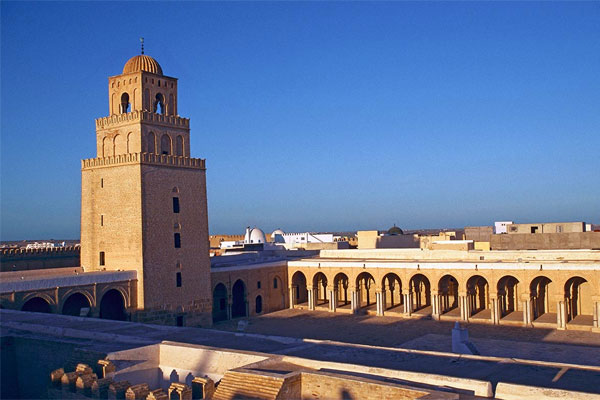
Reboard your coach for the seventy-five-minute drive to Kairouan, where you will enjoy a Tunisian lunch at a local hotel. After lunch, explore Kairouan, considered the holiest city of Tunisia. Discover the oldest Islamic settlement and place of worship in North Africa. Visit the impressive mosque, featuring a prayer room with 17 naves and a three-story minaret, thought to be the world's oldest. Next, learn about traditional pre-Islamic carpet-making techniques. Kairouan is the capital of the ancient rug industry in Tunisia. Experience the Aghlabid Basins, an impressive example of medieval hydraulic engineering. Due to the semi-arid climate, droughts are common in the region and have been for more than a thousand years. The basins were built to collect rainwater for bathing and emergency drinking water; two out of an original 17 survive. Board your coach for the return drive to Sousse.
tour 3 Thysdrus & Berber Villages Adventure by 4*4
|
 |
 |
 |
 |
 |
 |
 |
Begin your full day excursion as you board your 4x4 for the one-hour drive to Thysdrus (modern El Jem). In Thysdrus, discover the El Jem Amphitheater, a UNESCO World Heritage site since 1979. Listen to an exclusive lecture by our specialist detailing the history of the most imposing Roman monument of Africa. Capable of seating 35,000, this colosseum's huge, round shape rises from the desert plain to be seen from a great distance. It is one of the best conserved buildings of its kind, despite the vicissitudes of the time and battle.
Next, take a 75-minute scenic drive in your 4x4 to Takrouna, a historic site that played a decisive role in the end of World War II in Tunisia. Takrouna was the site of the last major action by New Zealand troops in North Africa during World War II, before the surrender of Italy and Germany. Following the Battle of the Mareth Line (16-31 March 1943), Axis forces were driven back into Tunisia. On 19 April New Zealand forces prepared for an assault on Takrouna, then held by the Italian CCLXXXV Paratropers Battalion "Folgore" and one German platoon. At dawn on 20 April, Lance-sergeant Haane Te Rauawa Manahi led a platoon on an attack up the hill, and successfully overran the Italian defenses. Manahi then left to locate reinforcements, returning with a section of C Company and another platoon, successfully resisting an Axis counterattack. Manahi and his section descended from the hill, but despite the reinforcements the New Zealand forces lost the hill to a second Axis counterattack on 21 April. Manahi returned in the afternoon and, with artillery support, retook first the ledge and then the village on the summit, taking 300 prisoners. Over 550 New Zealanders lost their lives in the battle.
Stretch your legs on a guided walking tour of the village, where families of Berber origin still live off agriculture and the weaving of Alfa and Berber carpets. Enjoy the intimacy and charm of the old Berber villages as you explore Takrouna, which offers, along with the villages of Jradou and Zriba, a historical window onto traditional Berber architecture - stone houses, vaulted rooms and interior courtyards. Its beauty is matched only by its simplicity. Discover the distinct homes and listen as your guide explains the Berber lifestyle. Visit the local museum and sample typical mint tea as you get a taste of the Berber experience.
Reboard your 4x4 for the drive to Zriba Al Alia, an abandoned Berber village built in the seventeenth century, but deserted in the 1960s. Savor a typical lunch with locals at a local restaurant. Explore the ruins as you hike through many of the buildings and their rooms. Conclude your visit with a one and one-half hour drive back to the dock in Sousse.
tour 4 Sousse City Exploration
 |
 |
 |
 |
 |
 |
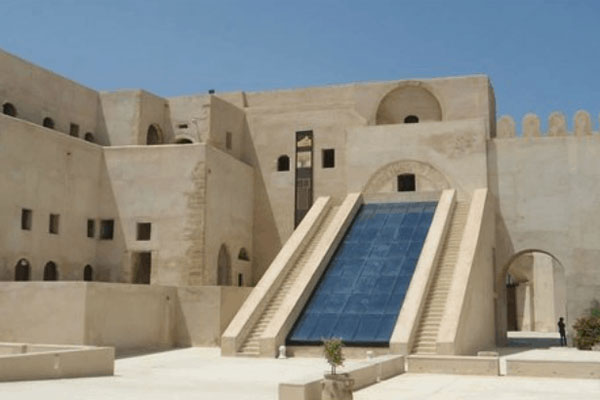
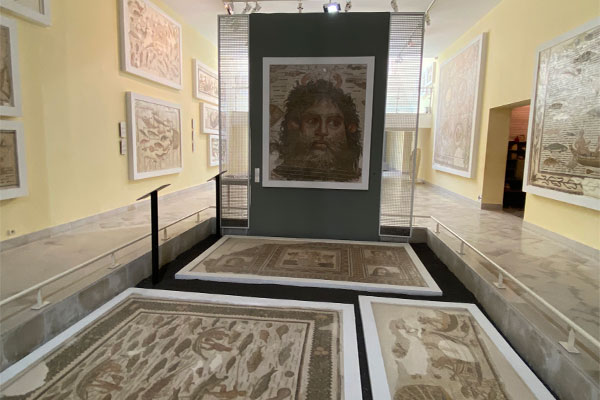
From the dock, board your coach and take the short drive into the ancient city of Sousse to begin this half-day excursion. Visit to the Archeological Museum of Sousse and feast your eyes on room after room of ancient mosaics, the second largest collection in Tunisia after the Bardo Museum in Tunis. Learn about the artisan workshops where mosaics were made in the ancient coastal province of Byzacene in Roman proconsular Africa. Experience this cultural beacon and tourist destination, known not only for the value of its collections, but also its location within the ramparts of the Kasbah. Wander the Kasbah and see its tower that overlooks the medieval city. Built at the dawn of the Islamic era (mid-9th century AD), it now is a UNESCO World Heritage Site, designated in 1988.
Next, explore the Ribat of Sousse. Built at the end of the 8th century, the ribat is one of the finest and best conserved "fortress-monasteries" that dotted the North African coastline. Ribats served both as defenses against assailants from overseas and as places for spiritual retreats. Take in the architecture of the Sousse Ribat, broadly inspired by the style of the Byzantines who preceded North Africa's Arab conquerors. Note the building materials reclaimed from antiquity that were used extensively in the construction of this monument. Explore the walled medina, or ancient Arab quarter, built to protect against frequent pirate attacks throughout the city's history. In your free time, browse the bustling market here before the 15-minute return journey to the port.