
The capital of the Cape Verde archipelago, Praia on Santiago Island might be in African in body, but it is European in soul. In fact, when the Portuguese colonised the islands in the 15th century they found no human inhabitants. Thus Cape Verdeans have evolved with a highly unique blend of European and African ancestry, conversing in a sing-song language of Creole, African dialect and Portuguese. The islands only gained independence in 1975 (after a 15-year war), so Portuguese influence is rife and to some, relatively recent.
At almost 300 miles off the coast of mainland west Africa, the remoteness of the islands has allowed the archipelago’s natural wildlife to flourish. Naturalists consider Cape Verde as a mini Galapagos, with many endemic species. That, along with astounding landscapes, warm climate and clear waters is reason enough to visit. Add the liveliest market in all of the islands and you’ll soon fall in love with Praia’s shabby grandeur.
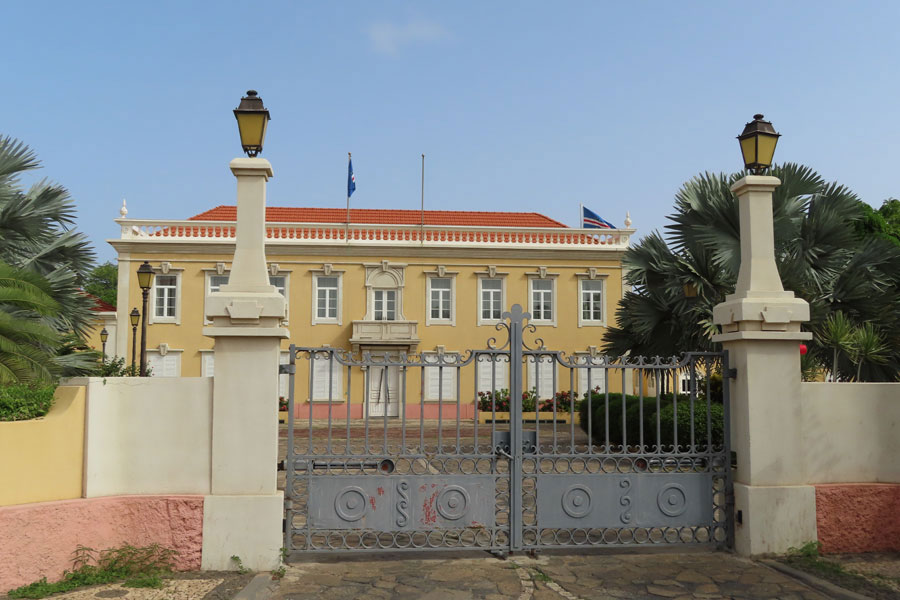
Originally named Praia de Santa Maria when it was first settled in 1615, the city is nation’s capital. The city is built on a plateau near the beach Santa Maria beach, the town centre still has monuments that attest to its rich history. Due to Santiago’s location between Africa, the soon-to-be-discovered America and Europe, Praia became a slave central for merchants returning to Europe. Buildings built for the slave trade are still visible – including those with balconies overlooking the square where owners would negotiate the price of human property.
Our afternoon tour took us to Praia and Cidade Velha, a UNESCO site.
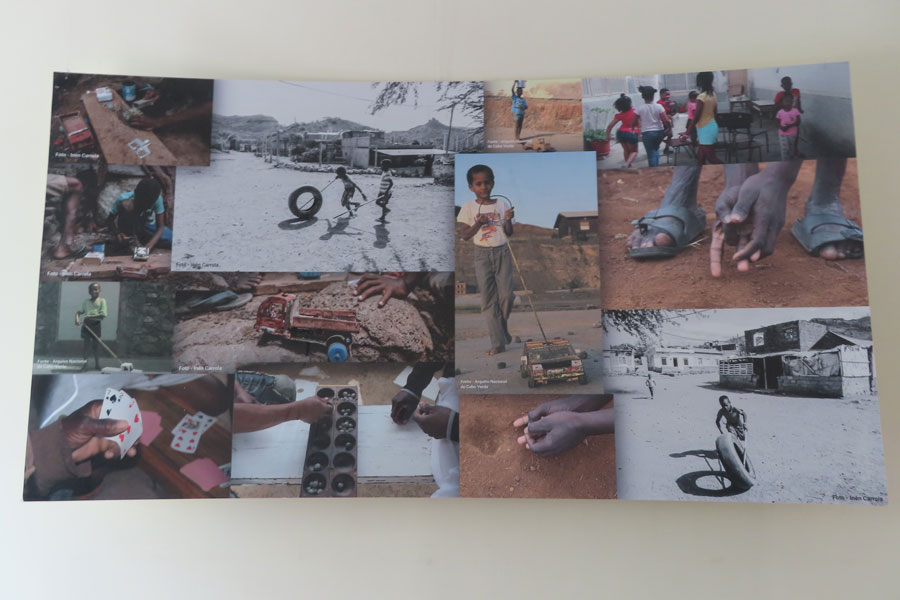
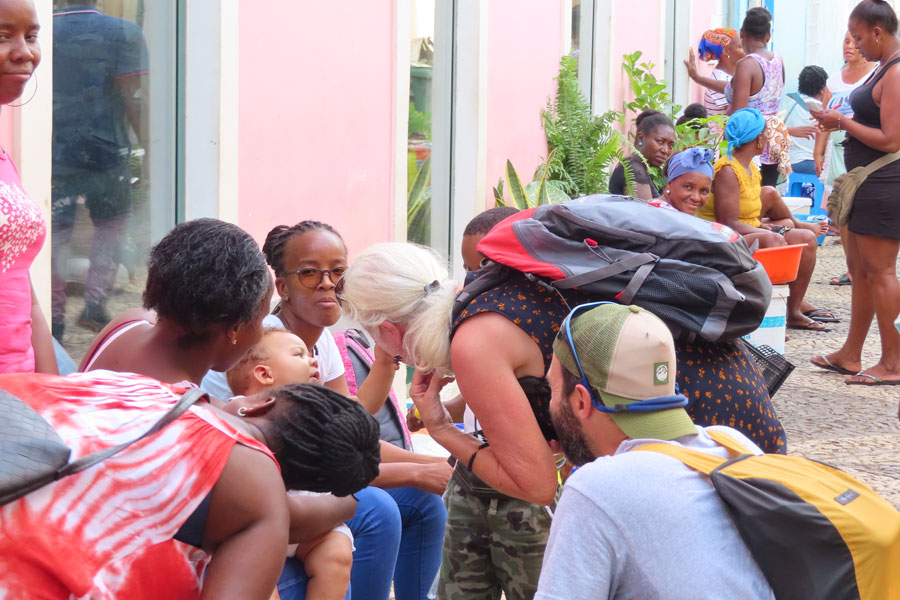
Praia was pleasant. We stopped at the quaint Ethnographic museum, then a walk through the market and around town
Click on any thumbnail photo and get a larger photo
 |
 |
 |
 |
 |
 |
 |
 |
 |
 |
 |
 |
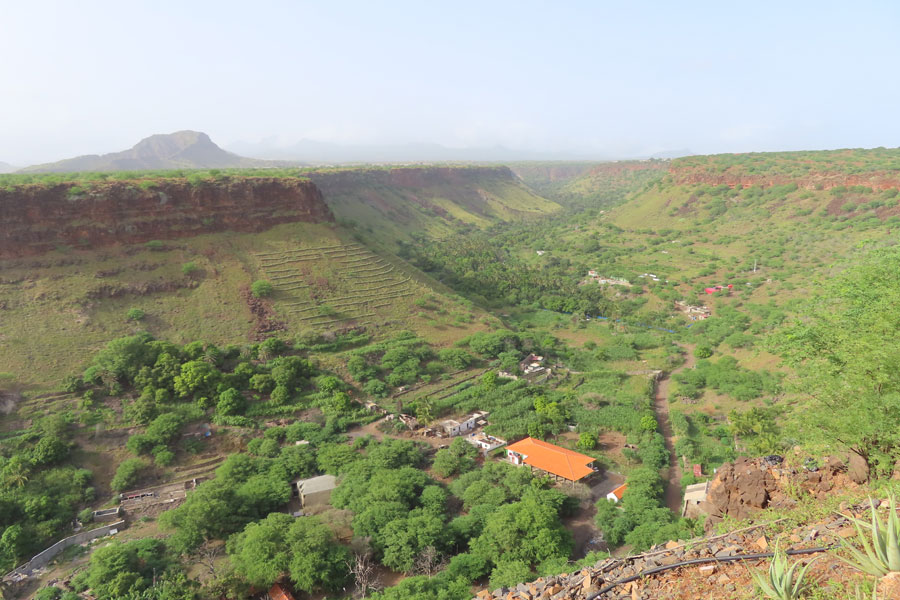
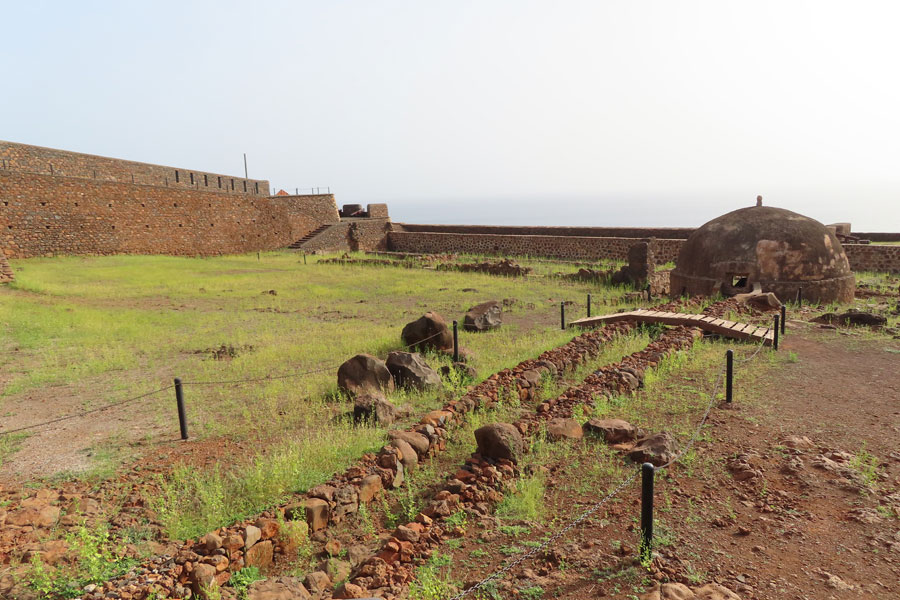
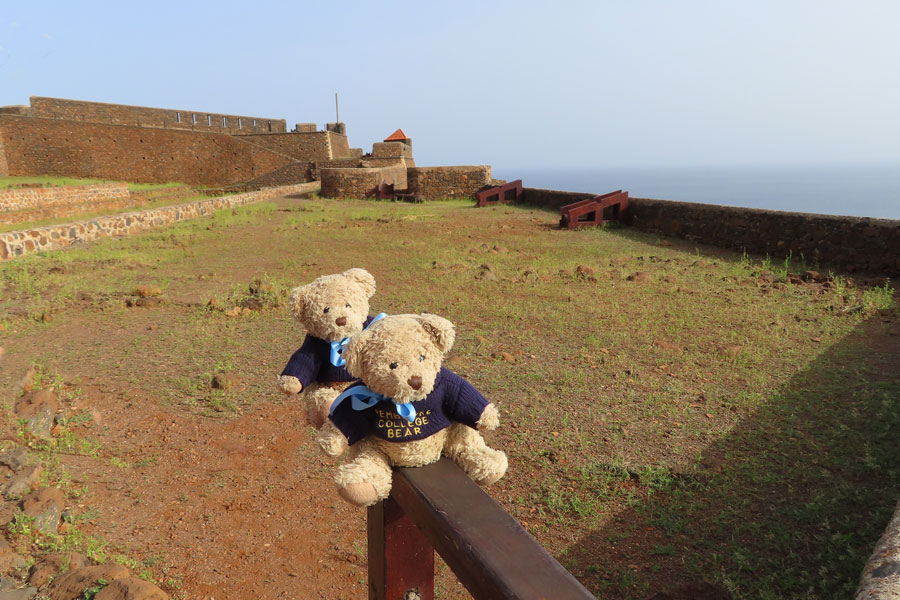
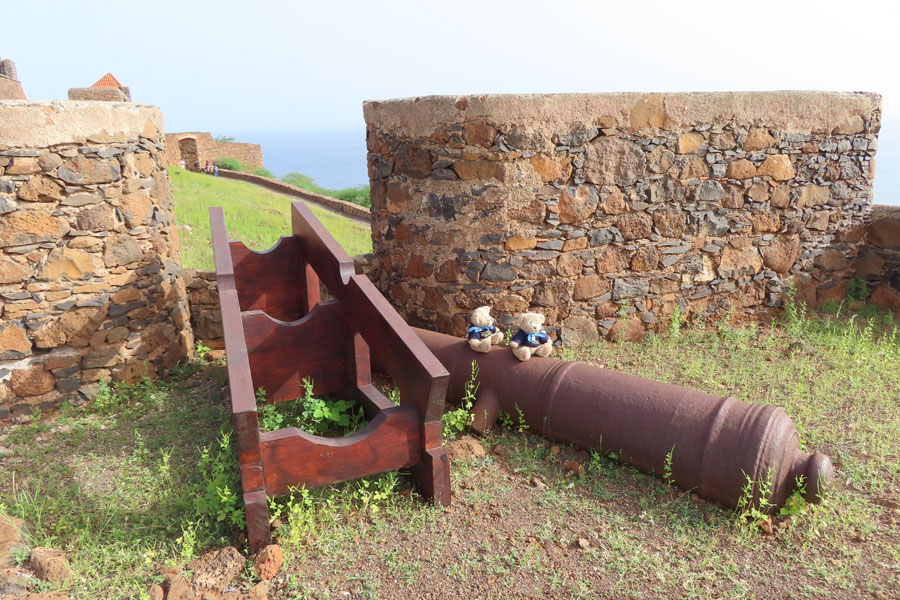
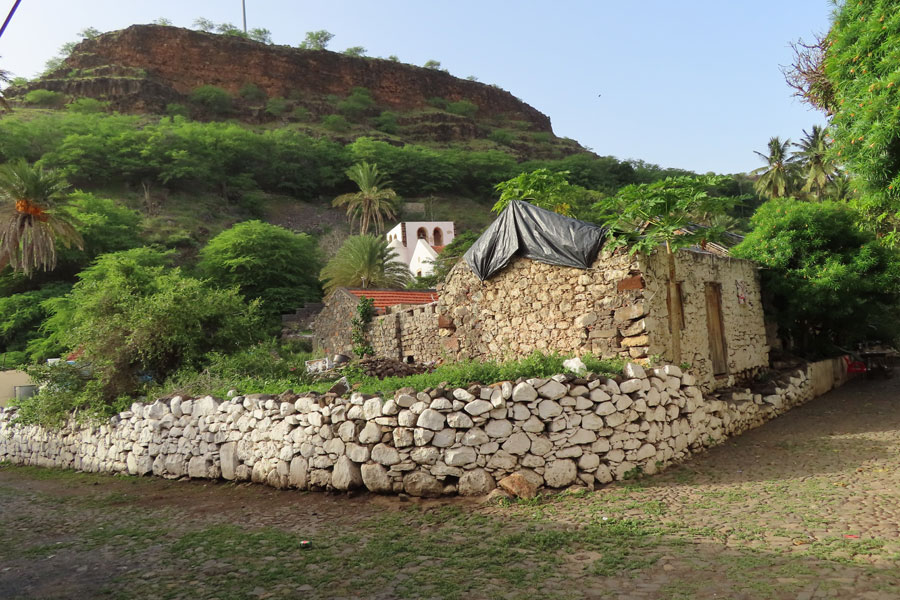
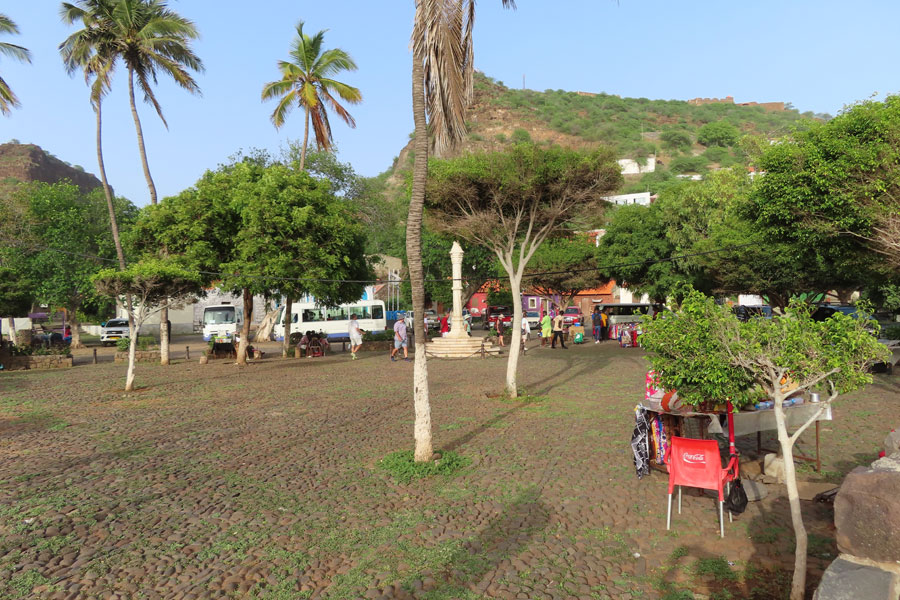
We drove to Cidade Velha, a lovely old world village by the sea. Rich in history and today a UNESCO World Heritage Site, "Cidade Velha", the former capital, was once the center of the slave trade. We explored the old castle there, Fort of Sao Felipe , then walked down the charming Banana Street to the old church. Then back to a cafe on the front where we watched the women's Banake dancing and had a cold drink

Click on any thumbnail photo and get a larger photo
 |
 |
 |
 |
 |
 |
 |
 |
 |
 |
 |
 |
 |
 |
 |
 |
 |
 |
 |
 |