
Bad weather prevented our planned stop at La Gomera, so we got to visit Tenerife instead. It turned out more interesting than I had feared.
Our tour took us to the Botanical Gardens and La Laguna (a UNESCO World Heritage town) . Then in the afternoon on a Wine Trip to a wine maker
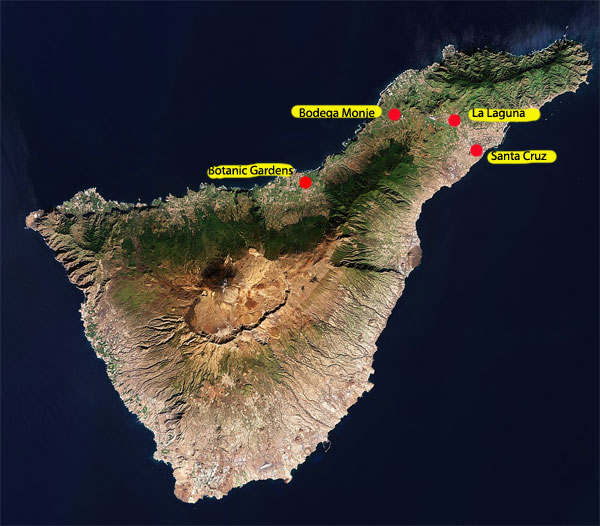
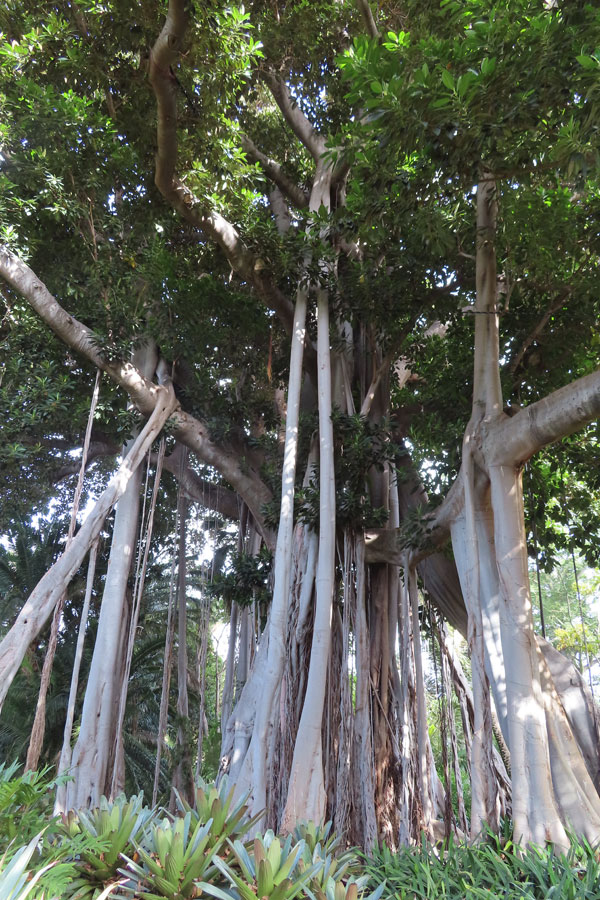
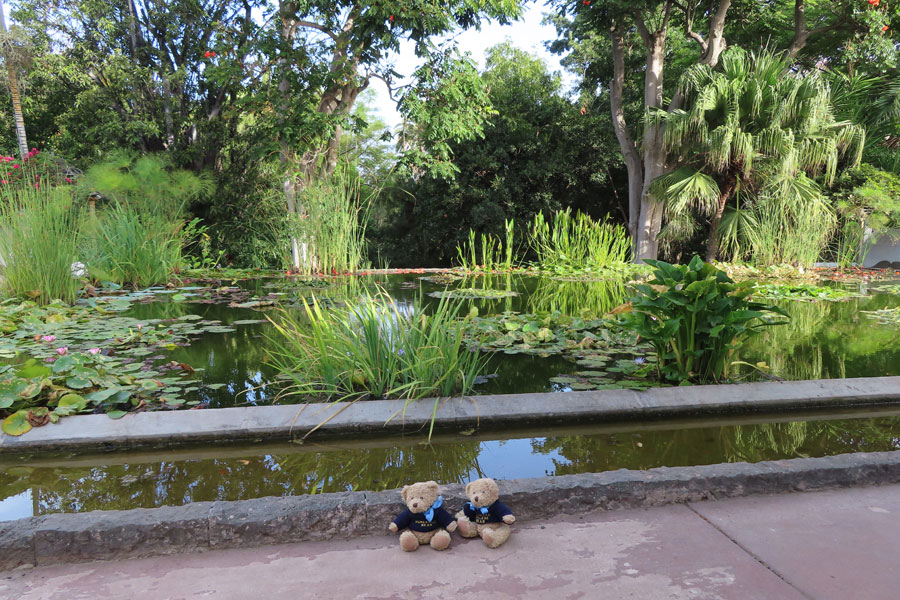
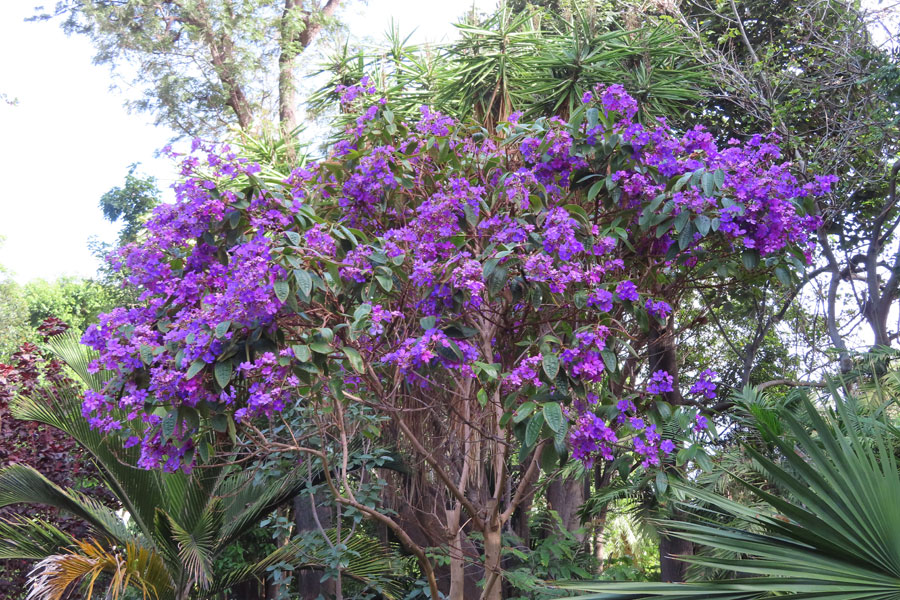
Set out to the Botanical Gardens and La Laguna tour. Had an hour to wander around the gardens, created in four acres 150 years ago, not so impressive as Tresco. The garden project was born with the idea of bringing exotic plants from the New World – America – and that Tenerife would serve as a climatization centre before their journey to the Iberian Peninsula – hence its official name. However, the project didn’t work as planned due to the differences in climate between the Canary Islands and Iberian Peninsula. Even so, the Garden continued to function and still stands today, where it is one of the most spectacular botanical gardens throughout all of Spain. It certainly has a lot of different plants, but they are squeezed into quite a small urban area
Click on any thumbnail photo and get a larger photo
 |
 |
 |
 |
 |
 |
 |
 |
 |
 |
 |
 |
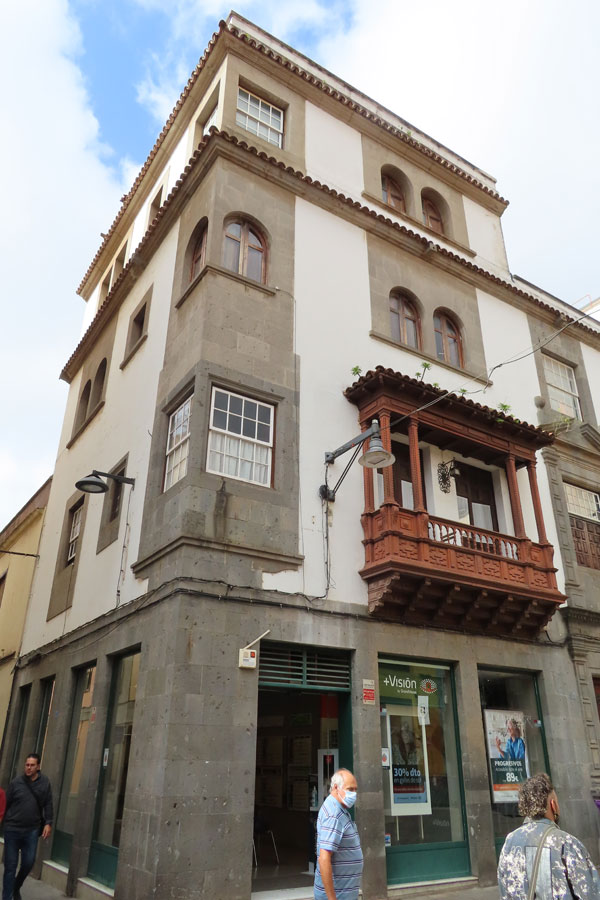
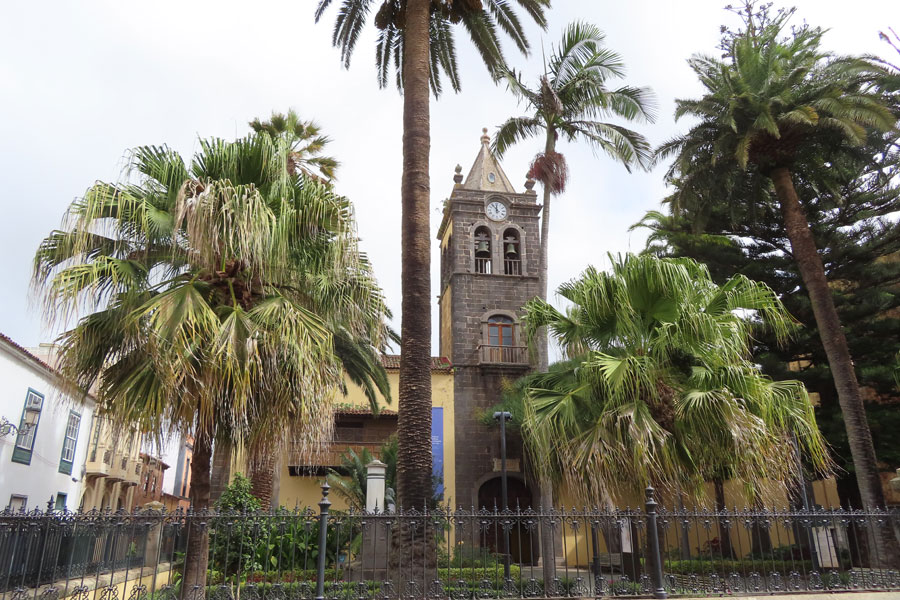
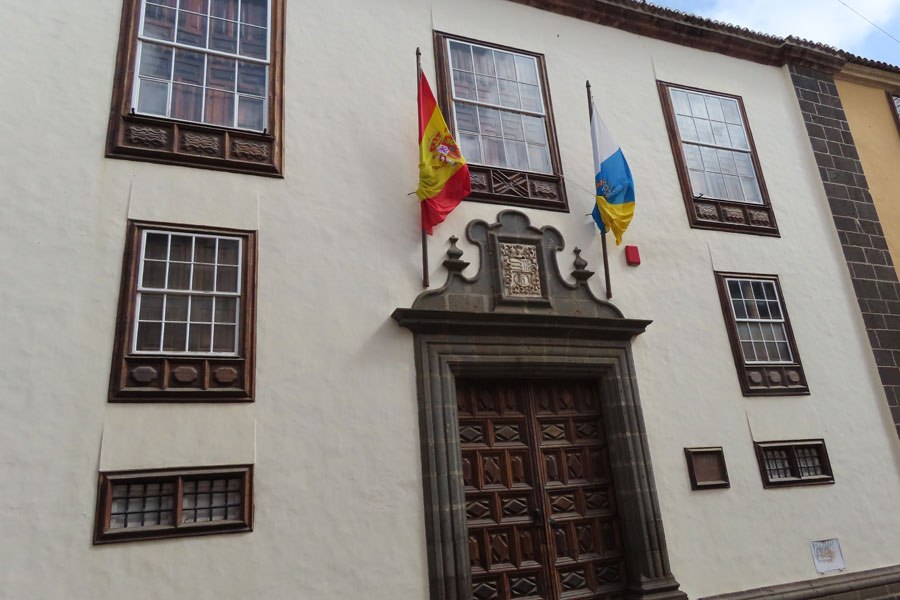
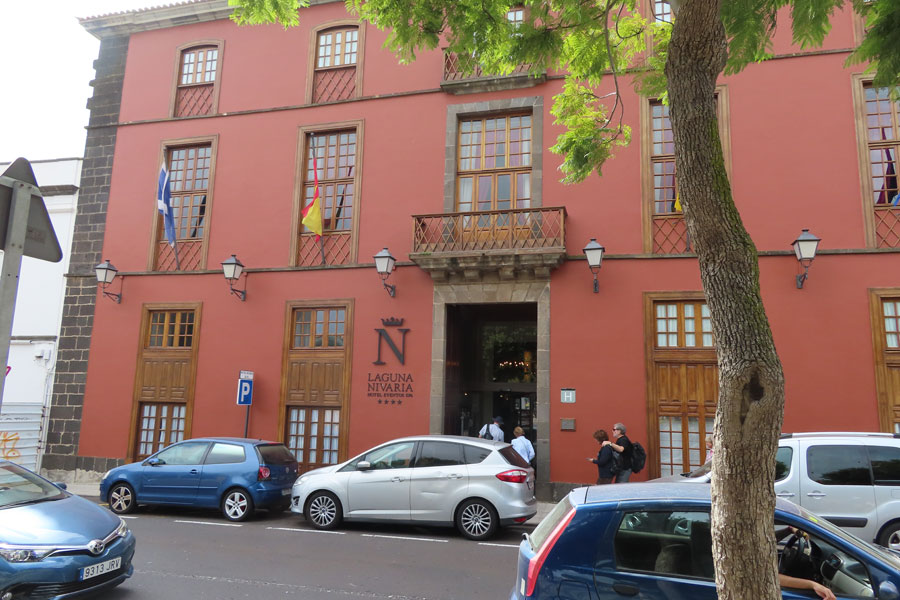
La Laguna's historical centre was declared a World Heritage Site by UNESCO in 1999. In 2003 the municipality started an ambitious Urban Plan to renew this area. The city was the ancient capital of the Canary Islands. And La Laguna lies right alongside the city of Santa Cruz de Tenerife; thus, the two cities and municipalities form a single large urban centre.
The layout of the city is shared with colonial cities in the Americas and Old Havana in Cuba, Campeche in Mexico, Cartagena de Indias in Colombia, or San Juan de Puerto Rico, among others used its street plan.
A declining population and economy in the 18th century resulted in the transfer of the capital to Santa Cruz de Tenerife in 1723. Santa Cruz has since been the capital of the island of Tenerife. La Laguna was declared a World Heritage Site in 1999. Several streets of historical significance have been closed off to traffic. La Laguna has often been called the «Florence of the Canary Islands», this is due to its large number of churches and convents, as well as its old town and historic buildings.
Bizarrely we ended the tour in a cafe that was not very keen to serve us, and as we were next back to the ship, quite an unnecessary stop
Click on any thumbnail photo and get a larger photo
 |
 |
 |
 |
 |
 |
 |
 |
 |
 |
 |
 |
 |
 |
 |
 |
Then back to the ship for lunch
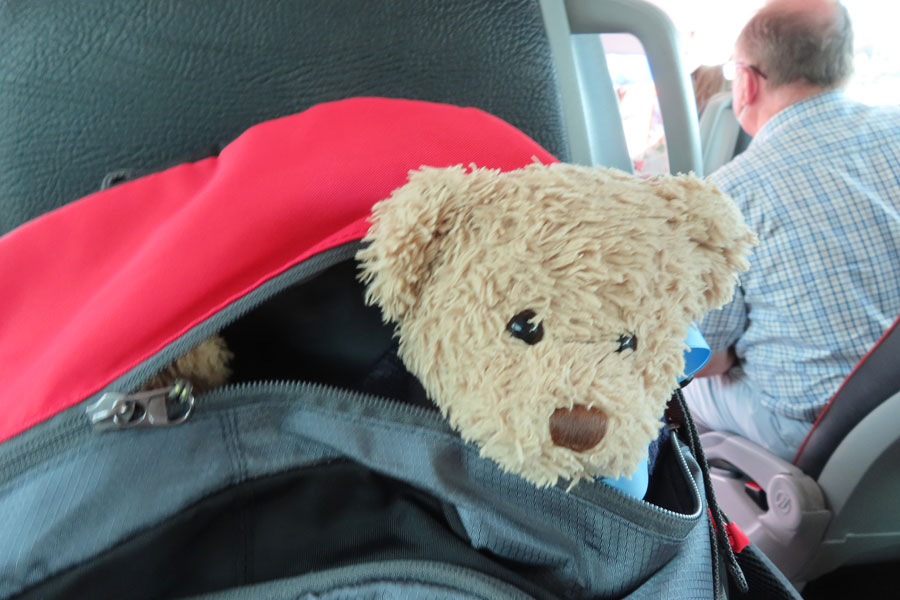
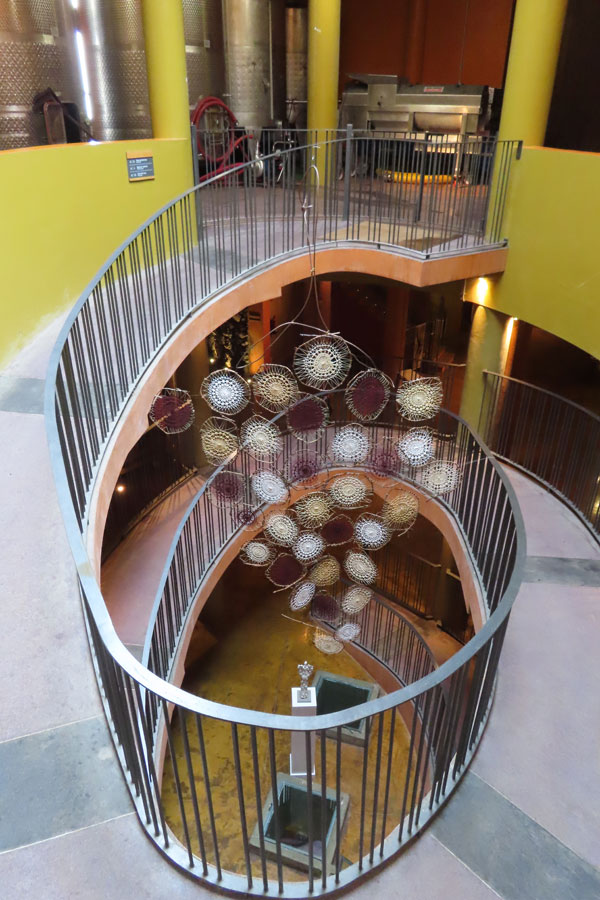
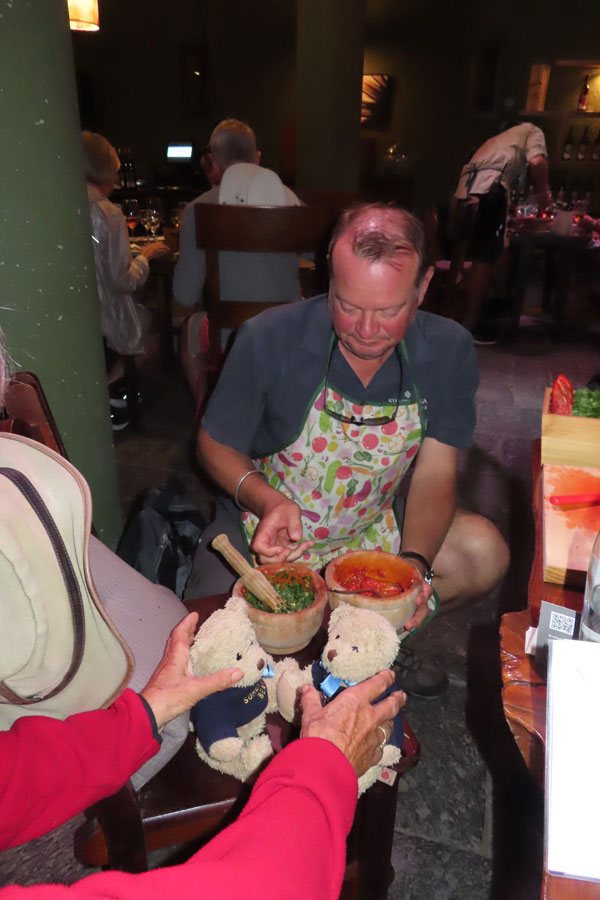
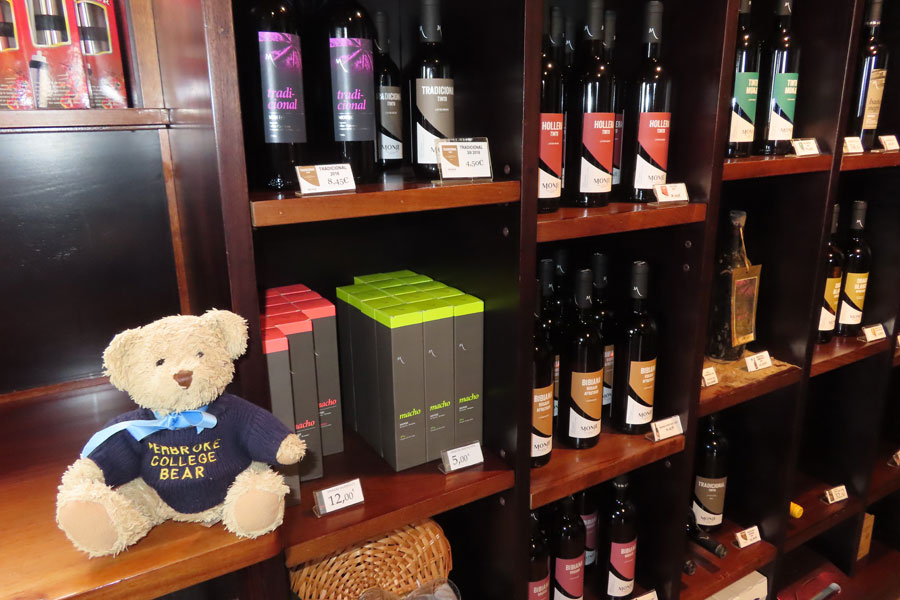
Then out again for the Wine in Tenerife with Mojo workshop. Mojo sauce sauce is apparently typical of the Canary Islands and can be red or green; made using coriander, parsley or pumpkin.The venue, Monje Bodega, was very much a tourist trap, and the Mojo Workshop not really my idea of fun, but turned out ok in the end although the talk about the vineyard's wine and the demonstration were poorly done. Conrad did a good job in getting us involved in making the Mojo Sauce and Michelle helped him . We enjoyed the entertainment and had some local cheese and their red wine.
Click on any thumbnail photo and get a larger photo
 |
 |
 |
 |
 |
 |
 |
 |
 |
 |
 |
 |
 |
 |
 |