Britain controlled the Gambia from 1758. Initially the Gambia was under the jurisdiction of the British Governor-General in Sierra Leone. In 1888, the Gambia became a separate colony. Independence followed in 1965
The first President, Sir Dawda Jawara, was re-elected five times until a coup overthrew him in 1994. The coup leader, Jemmah, became President from 1994 until 2016, when he was defeated in presidential elections. Initially he refused to stand down, but, after some time, he agreed to leave Gambia and go into exile abroad.
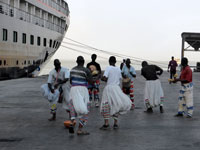
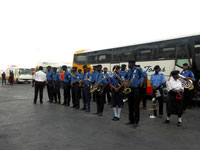
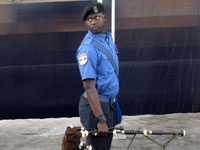
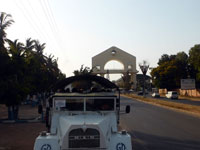
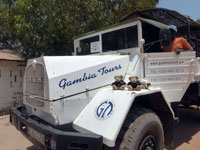
The police band welcomed the ship into Banjul, there was even a bagpiper. Our tour here was reminiscent of Thompson's package holidays at their worst. Our transport was in "Monster Trucks" . We stopped at
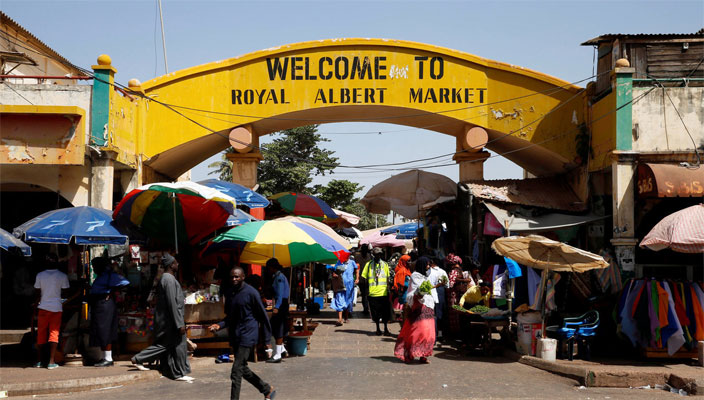
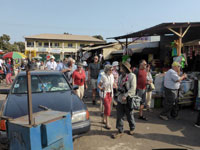
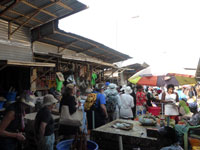
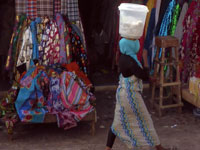
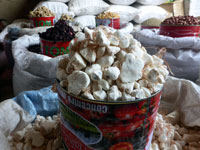
The thing that we carried away as a memory was the massive number of flies around the market - far more than in other markets. The market itself was, well, a market
Click on any of the thumbnails to get a bigger version of the picture
 |
 |
 |
 |
 |
 |
 |
 |
 |
 |
 |
 |
 |
 |
 |
 |
 |
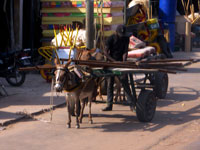 |
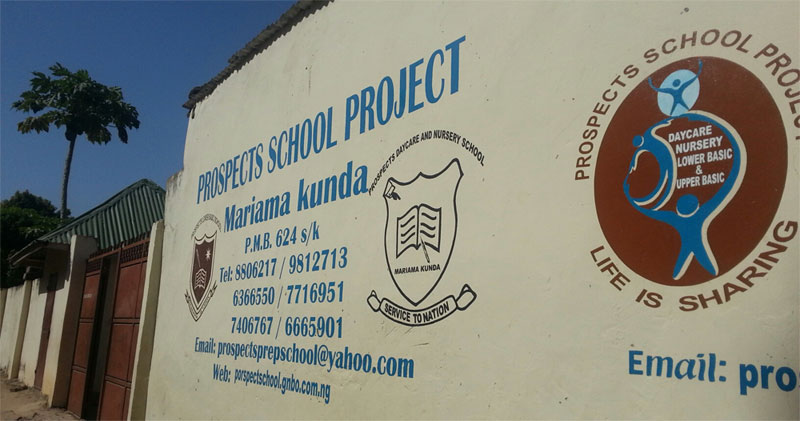
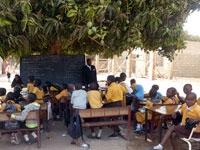
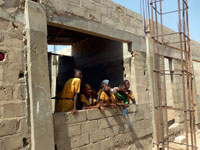
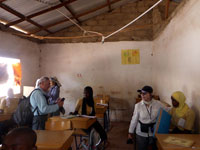
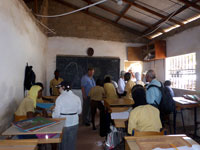
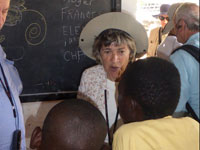
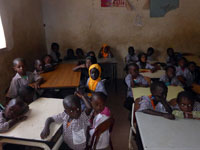
Our tour took us to this school. It would appear that the tour goes to the school around 100 times a year, and they collected over $500 from our group alone. Multiply that up over a year and you can see that this is a big business. The "headmaster" opened the donation box and counted the money before we had even left. I suspect that the tour company get a cut for bringing tourists there. The tours have been going to the school since 2002 and there is little sign of any investment on the scale that tourists appear to be donating to them. The small number of classrooms have little money spent on materials, and any building work seemed to have stopped many years ago. The children have a well oiled performance for their lessons on blackboards. Begging is rife. I was not impressed and I think Silversea should investigate the donations to the school. Actually I don't think Silversea should be doing this sort of mass tourism tour at all. Chris spoke to Nicky about the begging, and she seemed to just shrug her shoulders and say 'well this is Africa'
Click on any of the thumbnails to get a bigger version of the picture
 |
 |
 |
 |
 |
 |
 |
 |
 |
 |
 |
 |
 |
 |
 |
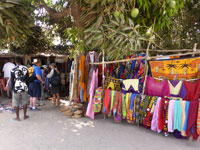
Another tourist rip off. There was not even a demonstration of palm tapping, jut a small sample given to each of us in a small plastic cup.The bulk of the time was supposed to be spent shopping in the tawdry souvenir stall conveniently set up in the location.
It is extracted from the "palm nut " tree, by palm wine tappers, most often Bainunka men who climb the trunk using a strap made from rope or leaves called a kajandak. They tap the tree just below the flower-stalk of the male inflorescence and attach a gourd there for a while. The juice is fast fermenting and contains glucose and sucrose. After tapping the palm tree, they stick a bottle in, and wait eight hours or so for the container to fill with wine. The alcoholic drink comes from the tree fully fermented, with a yeasty taste that can range form very sweet to fairly sour.
The sweetest comes from a tree tapped for the very first time—men often call it the drink of females due to its low alcohol content and sugary tang. It is locally known as 'Sengga' and the Jolas have a dance which represents Cassa-tappers in their daaka, brewery production. Stronger liquor is had by trees that have been tapped many times. Don't buy bottle-loads, because it gets stronger and sourer with time, spoiling totally within a few days.
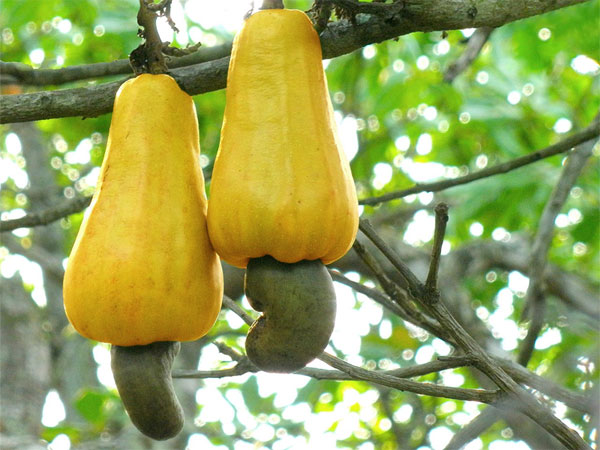
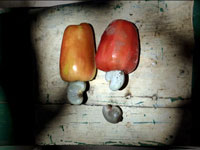
What I did learn was how cashew nuts grew
Click on any of the thumbnails to get a bigger version of the picture
 |
 |
 |
 |
 |
 |
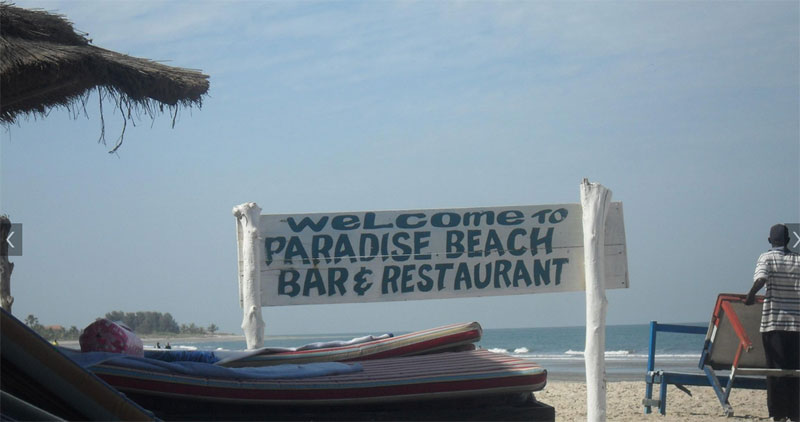
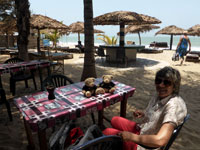
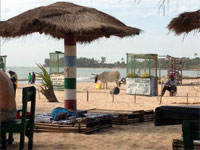
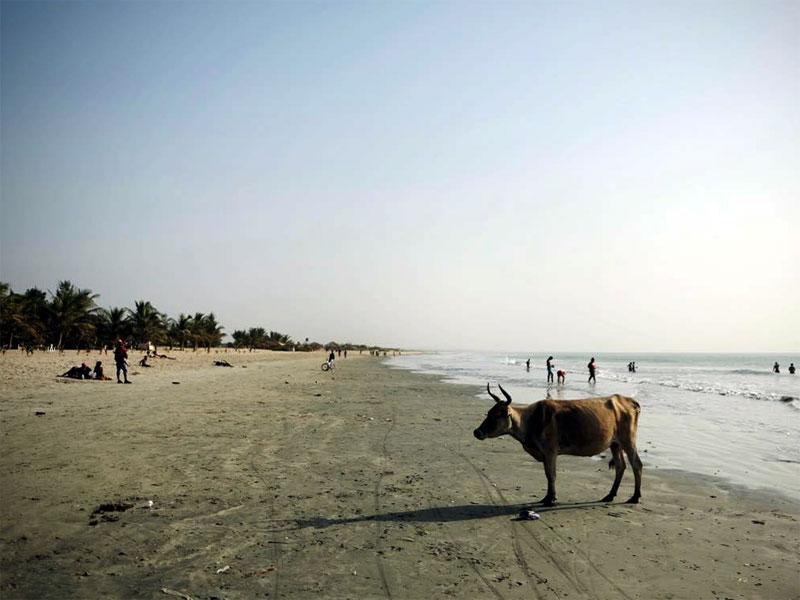
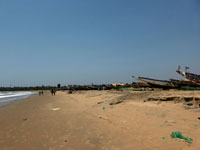
Paradise Beach Bar, where we stopped for lunch, was not the most modern of restaurants, but was a real place and the food was surprisingly good, and the service attentive. We sorted out a table with a view, enjoyed a glass or two of beer, then had a walk along the scenic and empty beach.. I would not like to spend a two week holiday here, but for lunch and a chance to "feel" the country, it was ideal.
Click on any of the thumbnails to get a bigger version of the picture
 |
 |
 |
 |
 |
 |
 |
 |
 |
 |
 |
 |
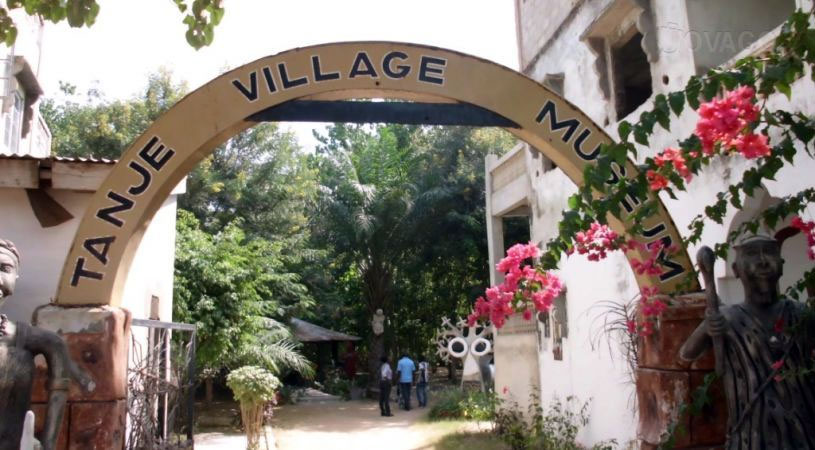
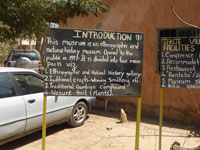
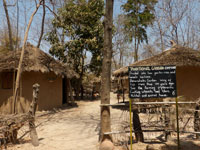
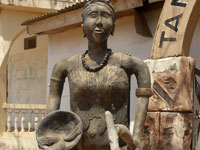
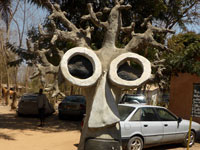
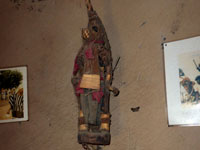
The next stop was at the Tanje Village Museum. The words that come to mind are "tired" and "run down". They clearly need to invest more money in the place, as it appears to have been deteriorating over the years to have reachrd the sad place it is today. I think that they get most of their trade from tours that are padding out a day tour, and are including a stop at the nearby fishing village. Nul points.
Click on any of the thumbnails to get a bigger version of the picture
 |
 |
 |
 |
 |
 |
 |
 |
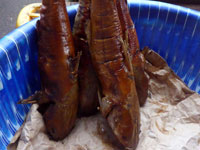
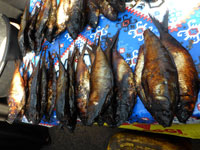
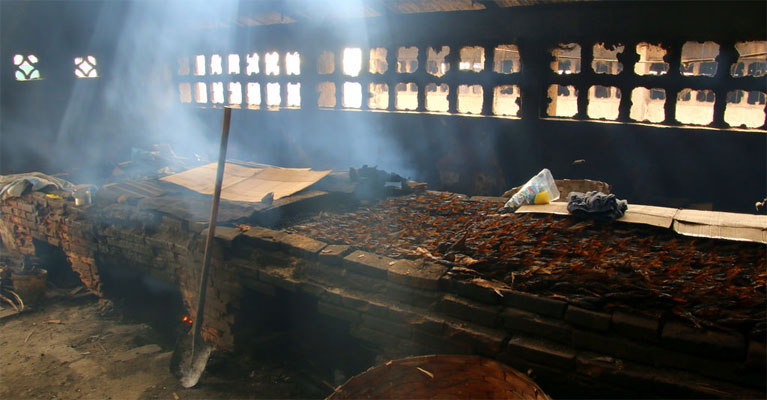
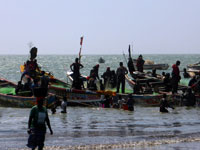
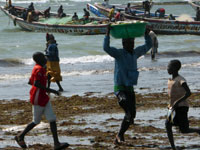
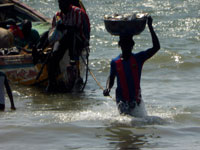
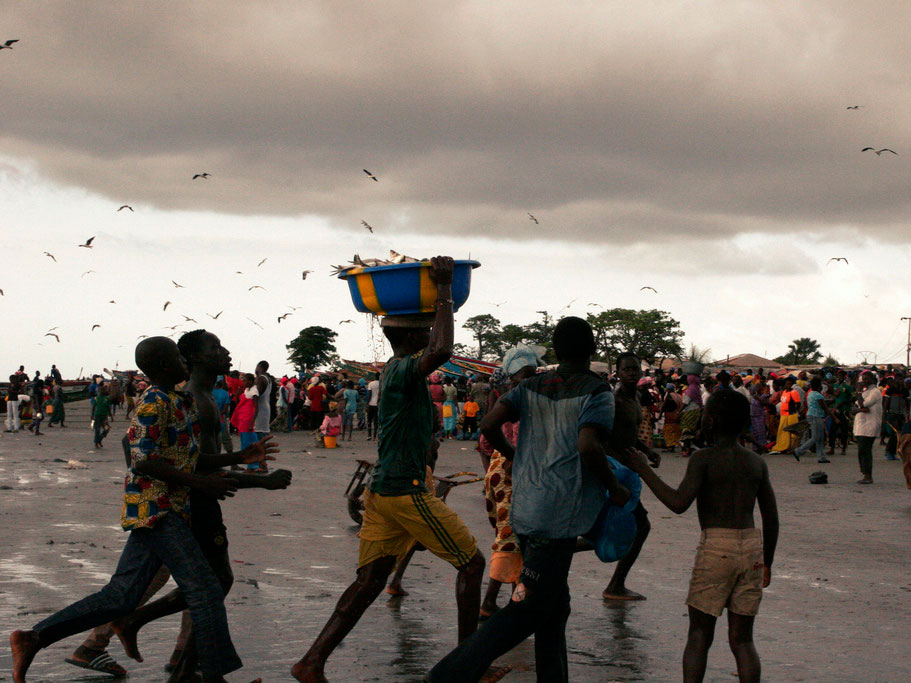
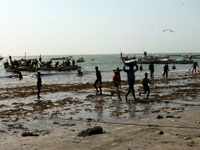
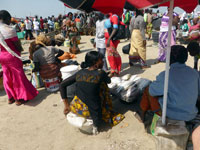
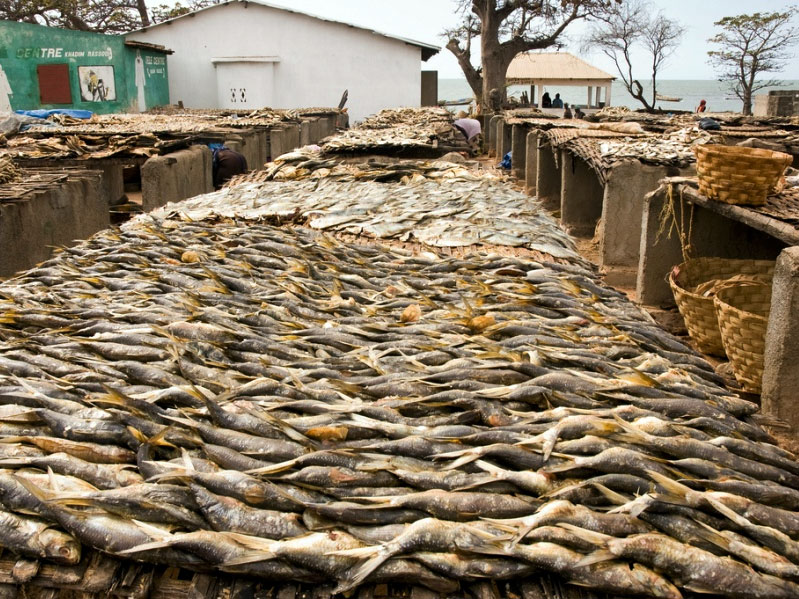
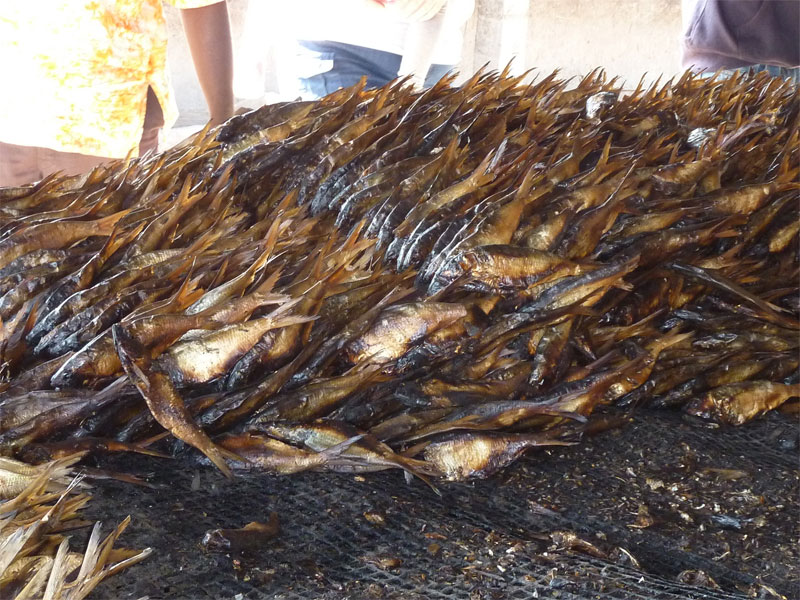
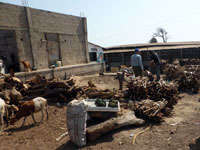
Our final stop in the Monster Trucks was to Tanji (as in the museum) fishing village. This was genuine - it heaved with people, it was dirty, it was noisy and it was West Africa. We saw them take the fish off the boats, and store it. The beach directly in front of the fishing village is their fish landing site. Because it's a very active, working beach, you'll find it scattered with old, shredded gillnets, sea snail shells, malodorous rotting seafood, plastic bags and bottles, and other flotsam and jetsam, floating on the water or resting on the shore. The air is filled with the odour of smoked fish; an unimaginable number of flies swarm around fresh or discarded seafood, seagulls hover overhead looking for scraps, fishermen land their afternoon catch from long African pirogues, passing buckets of catch onto the heads of local women, who then ferry it to the shore. Activity is frenzied and messy, but surprisingly efficient. We did enjoy htis end part of the day.
Click on any of the thumbnails to get a bigger version of the picture
 |
 |
 |
 |
 |
 |
 |
 |
 |
 |
 |
 |
 |
 |
 |
 |
 |
 |
So that was our day in Gambia, packaged and processed like real tourists.