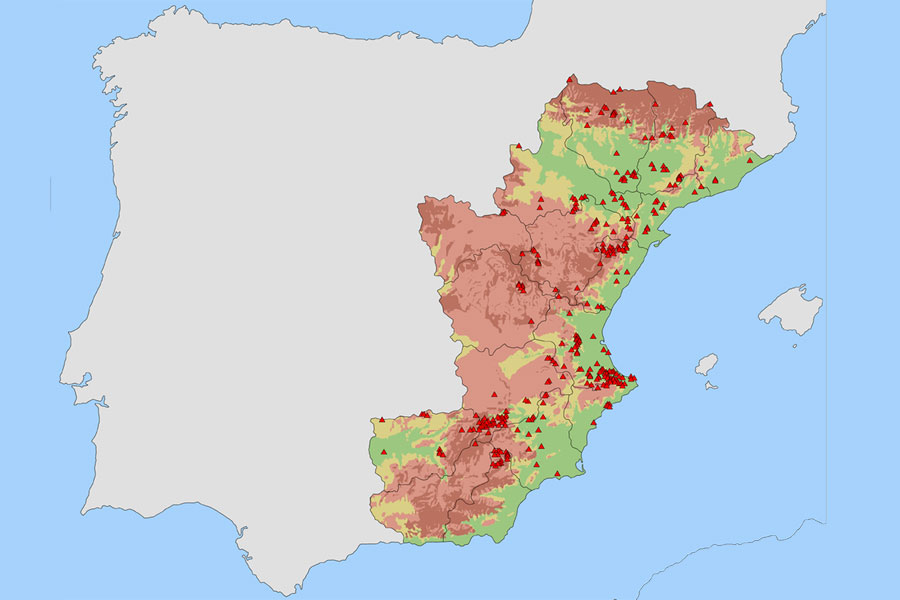
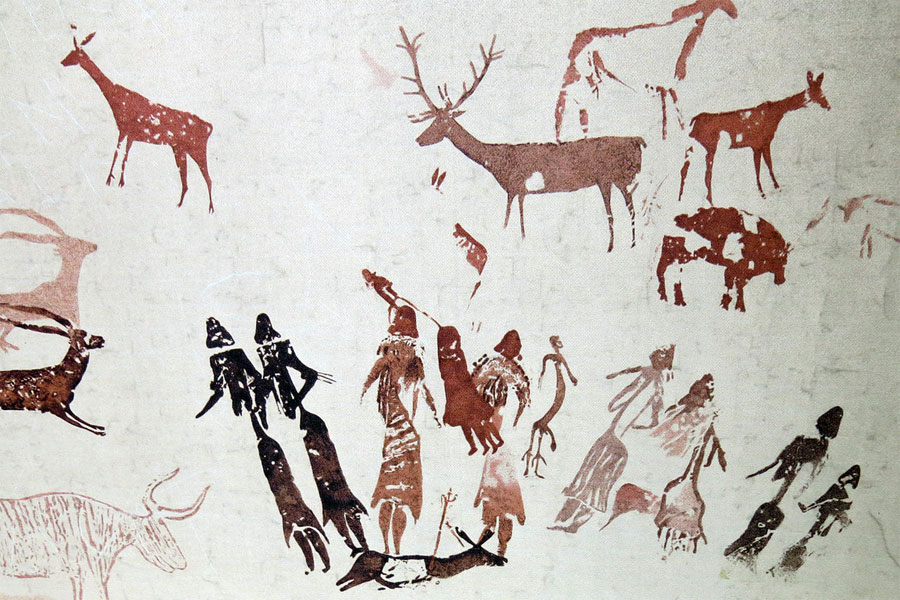
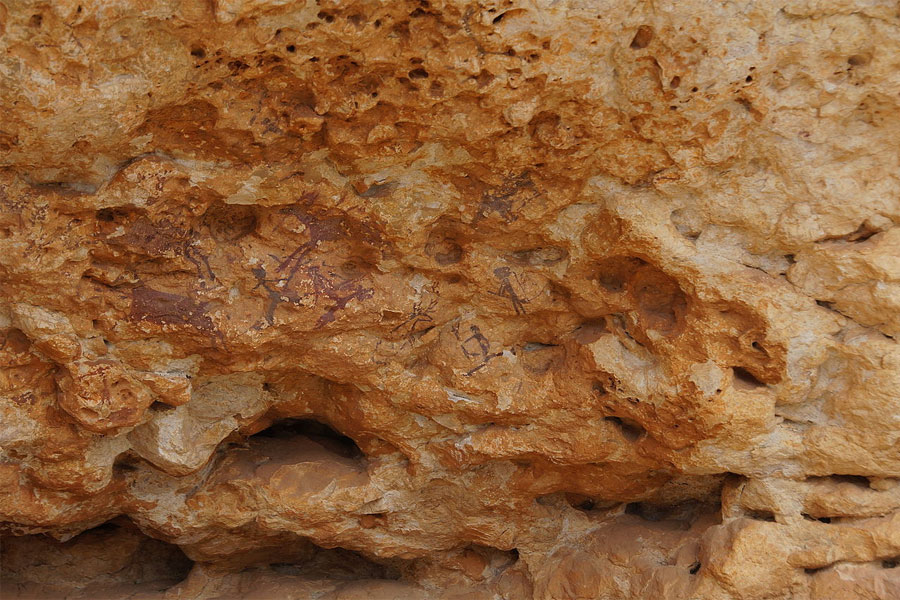
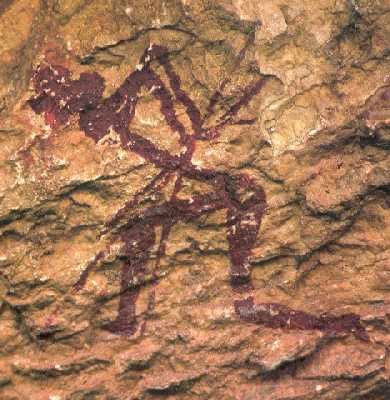
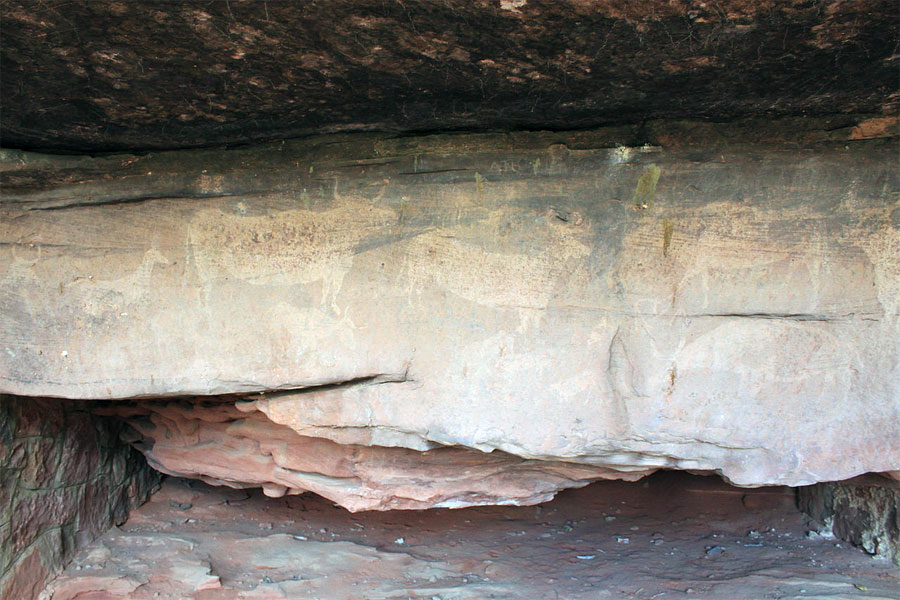
The late prehistoric rock-art sites of the Mediterranean seaboard of the Iberian peninsula form an exceptionally large group. Here the way of life during a critical phase of human development is vividly and graphically depicted in paintings whose style and subject matter are unique.
Prehistoric Levantine rock art sites are found in the coastal and inland mountain ranges of the Mediterranean Basin of the Iberian Peninsula over 1,000 kilometres of coast, from Catalonia to Andalusia. The Unesco site includes 758 sites distributed across six Autonomous Communities - Andalusia, Aragón, Castilla-La Mancha, Catalonia, Murcia, and Valencia - located in scarcely populated areas with high ecological and landscape values.
Aragon
The caves and rock shelters in the Río Vero Culture Park in the province of Huesca are well worth a special visit. In Colungo you'll find a visitor centre which arranges guided tours of the site. In the province of Teruel you should also make a point of visiting the cultural parks of Albarracín and Río Martín, which are home to a large number of sites. Among the most important are the Prado del Navazo rock shelter (Albarracín) and the rock shelters at the gorge of Val del Charco del Agua Amarga (Alcañiz).
Catalonia
The province of Lleida contains two prime examples: the cave of Els Vilars (Ós de Balaguer) and the Roca dels Moros (El Cogul). This last cave is particularly significant as it contains 260 etchings and 40 painted figures, and was inhabited for a period of 5,000 years. In the province of Tarragona, you'll find the Muntanyes de Prades Visitor Centre in Montblanc, containing a fine display of the 15 rock sites found throughout these mountains. In Ulldecona you can also drop in at the Abrigos de L'Ermita Visitor Centre, which is dedicated to the 386 painted figures discovered at the site in the Sierra de Godall mountains, depicting mainly images of archers and animals.
Region of Valencia
One of the most important sites is located in the interior of the province of Castellón in the region of El Maestrazgo, and is home to the rock shelters of the gorge of La Valltorta. The most famous paintings from this site were found in the caves of Remigia (Ares del Maestre), Cavalls de Valltorta (containing a stag hunting scene) and Civils (Tírig). The interior of the province of Valencia is also particularly rich in rock art. There are splendid paintings in the cave of la Araña (Bicorp), with its famous scene showing honey collecting. And don't go away without visiting the rock shelters of La Sarga (Alcoi) in the province of Alicante.
Murcia and Castile-La Mancha
The region of Murcia, together with the province of Albacete, is particularly outstanding for the number of representations of schematic art it contains. A good example can be found at the sites of Barranco de los Grajos gorge (Cieza), Cañaíca del Calar (Moratalla), El Milano (Mula) and Monte Arabí (Yecla).
In Castile-La Mancha, the province of Albacete is home to several interesting sites. Among others the paintings and etchings in Solana de las Covachas (Nerpio), the archaeological park of El Tolmo de Minateda (Hellín) and the rock shelters of Alpera, and particularly the cave of La Vieja. You should also make a note in your travel plans to see the paintings in the caves of La Batanera and Peña Escrita, in the municipal district of Fuencaliente (Ciudad Real), and the site of La Peña del Escrito in Villar del Humo (Cuenca).
Andalusia
Finally, in the land of Andalusia you'll find another three very fine examples. The first is in the province of Almería: this is the cave known as the Cueva Chiquita de los Treinta (María). To see the other two we have to go to the province of Jaén, where we'll find the Tabla de Pochico (Aldeaquemada) and the rock shelters of Cañada de la Cruz (Santiago-Pontones).
Click thumbnail for a larger photo
 |
 |
 |
 |
 |
 |
 |