


When the Muslims captured the area in 714, they soon realized the value of this strategic location and they built a fortress (called Kunka) between two gorges dug between the Júcar and Huécar rivers, surrounded by a 1 km-long wall. Cuenca soon became an agricultural and textile manufacturing city, enjoying growing prosperity. It changed hands between Arabs & Christians a number of times until eventually the Spanish king reained final control in 1177
During the 18th century the textile industry declined, especially when Carlos IV forbade this activity in Cuenca in order to prevent competition with the Real Fábrica de Tapices (Royal Tapestry Factory), and Cuenca's economy declined, thus losing population dramatically (5,000 inhabitants). During the independence war against Napoleon's troops the city suffered great destruction, and it made the crisis worse. The city lost population, with only around 6,000 inhabitants, and only the arrival of railroads in the 19th century, together with the timber industry, were able to boost Cuenca moderately, and population increased as a result to reach 10,000 inhabitants.
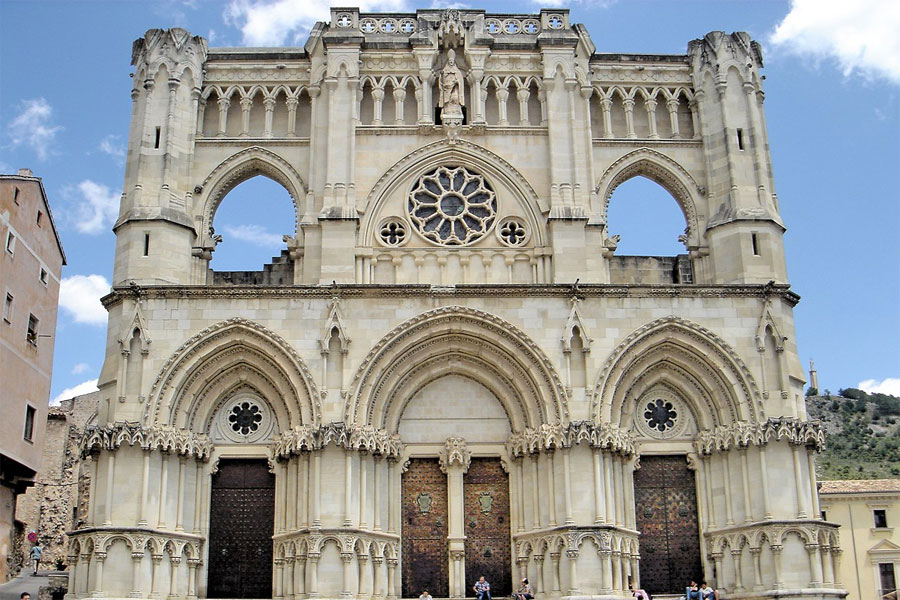
In 1874, during the Third Carlist War, Cuenca was taken over by Carlist troops, supporters of Carlos María Isidro as king instead of the ruling Isabel II, and the city suffered great damage once more. The 20th century began with the collapse of the Giraldo cathedral's tower in 1902, which affected also the façade. It had to be rebuilt by Vicente Lámperez, with two new twin towers at both ends of the façade, which have remained unfinished without the upper part of them. The first decades of the 20th century were as turbulent as in other regions of Spain. There was poverty in rural areas, and the Catholic Church was attacked, with monks, nuns, priests and a bishop of Cuenca being murdered.
During the Spanish Civil War Cuenca was part of the republican zone (Zona roja or: "the red zone"). It was taken in 1938 by General Franco's troops. During the post-war period the area suffered a major economic decline, causing many people to migrate to more prosperous regions, mainly the Basque Country and Catalonia, but also to other countries such as Germany. The city started to recover slowly from 1960 to 1970, and the town limits went far beyond the gorge to the flat surroundings.
In recent decades the city has experienced a moderate growth in population and economy, the latter especially due to the growing tourism sector, and both of them fuelled by improvements in road and train communications. Cuenca has strongly bet on culture and as a result of this it was declared a World Heritage Site in 1996.
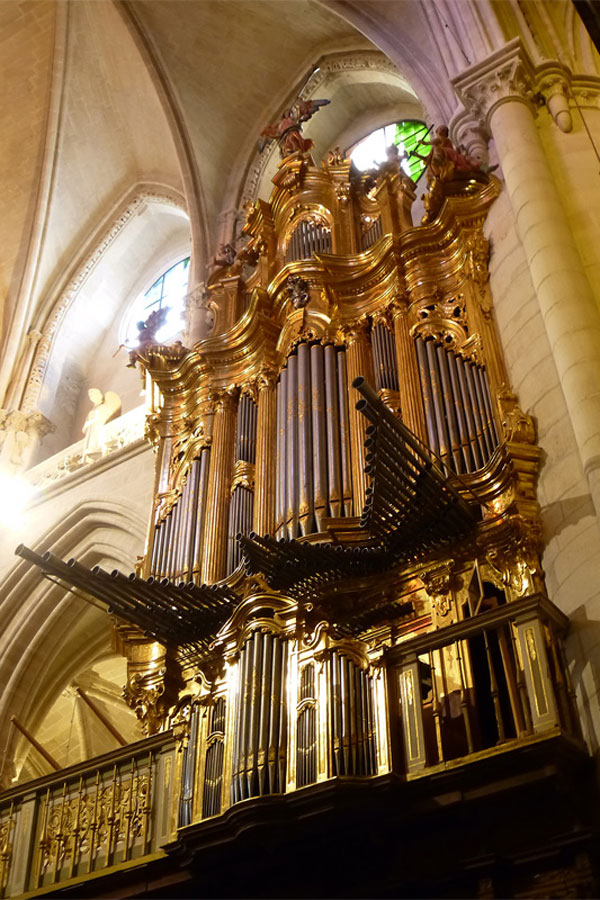
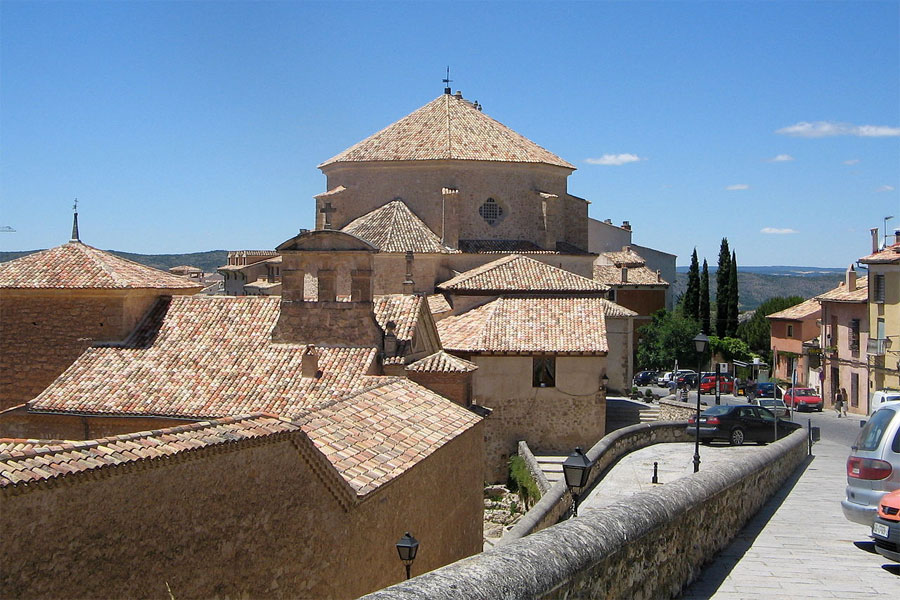
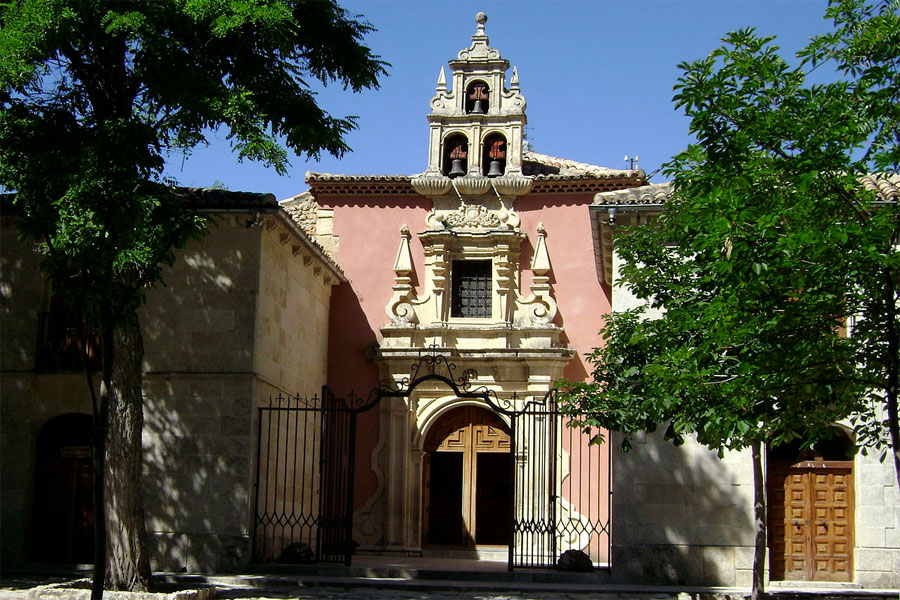
Tourist sights
Click thumbnail for a larger photo
 |
 |
 |
 |
 |
 |
 |
 |
 |
 |
 |
 |
 |
 |
 |
 |
 |
 |
 |
 |
 |
 |
 |
 |
 |