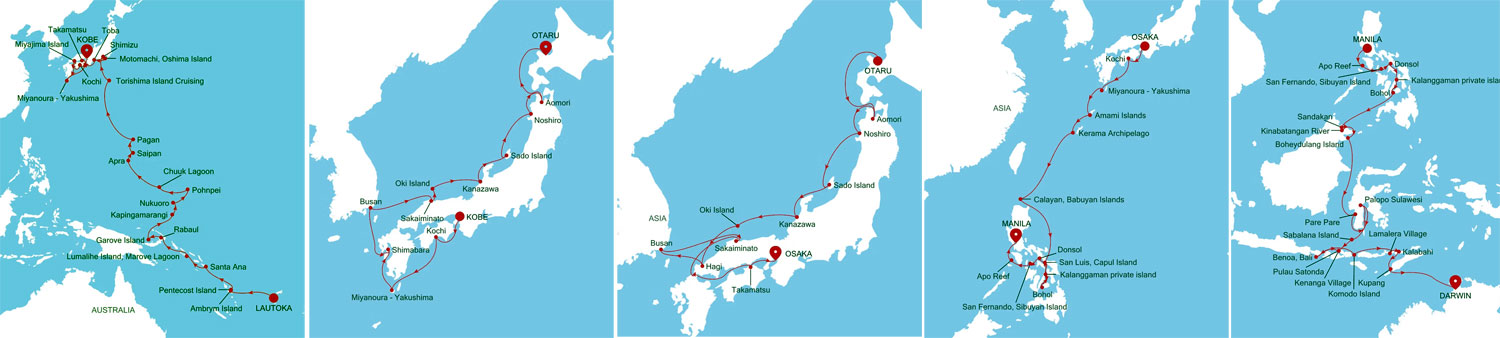
After Cape to Cape we have 580 nights
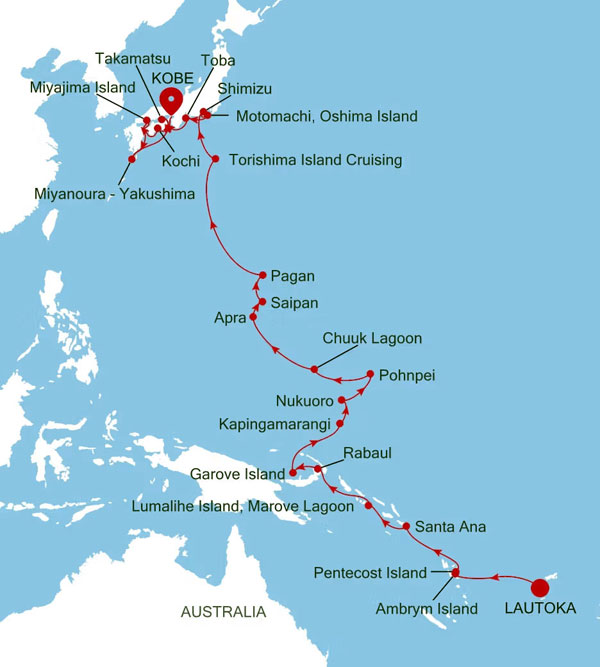
Fiji - Kobe on 14 Apr for 32 days Arrive Kobe 16 May
Kobe - Otaru on 16 May for for 12 days
Otaru - Osaka on 28 May - Osaka for 12 Days
Osaka - Darwin on 9 Jun for 35 days for
Manilla- Darwin is booked 23 Jun to Jul 14 for 21 nights
So just Fiji to Kobe
| Wed 14 Apr | Lautoka, Fiji | 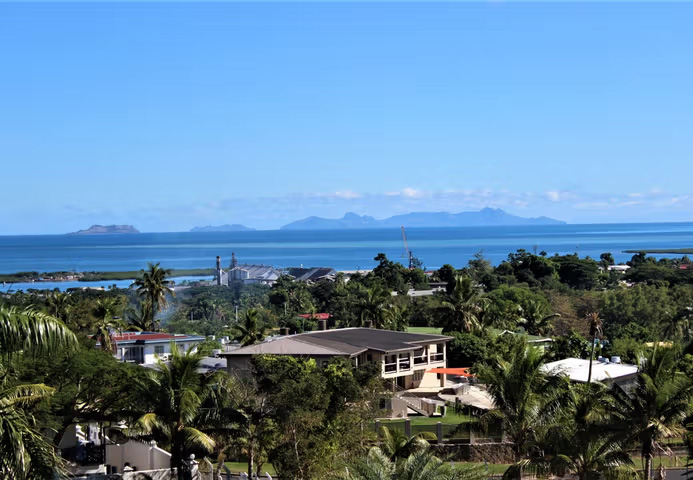 |
Legend says the city took its name after two chiefs faced each other in a duel. A spear pierced one of the chiefs, leading to the shout of 'lau-toka!' or 'spear hit!' Sugar is Lautoka's main trade, but its botanical gardens are a sweet insight into the tropical plant life that thrives here - from pearl white lilies to tall, fragrant orchids. Explore temples, charming cafes, and mills - or barter for some of the juiciest mangoes you'll ever taste at the city's lively market. |
| Thurs 15 Apr | Day at Sea |  |
|
| Fri 16 Apr | Ambrym Island, Vanuatu | 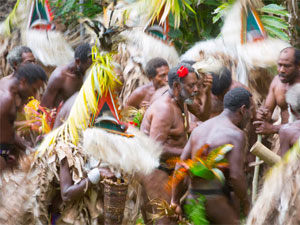 |
Unlike Espiritu Santo, with its raised coral reefs and white sand, Ambrym is a volcanically active island with dark sand beaches. Ambrym is known as the island of magic and is the source of five local languages that all evolved on Ambrym. This handful of languages contributes to the well over 100 languages of Vanuatu. Some of Ambrym’s magic takes place in the lush greenery of the local community of Ranon. Here the people perform a very special and traditional "Rom" dance. Participants prepare their masks and costumes in secrecy and the dance is reserved for special occasions. |
| Sat 17 Apr | Pentecost Island, Vanuatu | 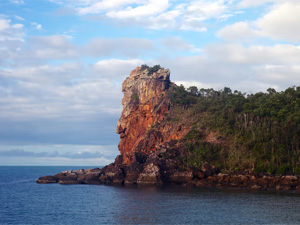 |
Pentecost Island is a lush tropical island stretching over 37 miles from north to south. It was named after the day on which the first European, Louis Antoine de Bougainville, sighted it in 1768. There are no towns on Pentecost - most of the islanders live in small villages and grow their own food in small gardens. Local traditions are strong, including the age-old ritual of land diving. This unique ritual was first given international exposure by David Attenborough in 1960. Later, in the 1980s, New Zealander AJ Hackett used the idea to invent bungee jumping. Every harvest season from April to June, the people of southern Pentecost construct the towers around a lopped tree, using saplings and branches held together with forest vines. It can take up to five weeks to complete. Each young man who jumps must carefully select his own liana vine. Men and boys as young as seven jump from platforms at different heights (between 30 and 90 feet) with only those vines attached to their ankles. The intention is to touch the ground with their heads or shoulders. This ceremony is believed to ensure a good yam harvest. It is also a fertility rite for men. |
| Sun 18 Apr | Day at Sea | |
|
| Mon 19 Apr | Santa Ana, Solomon Islands | 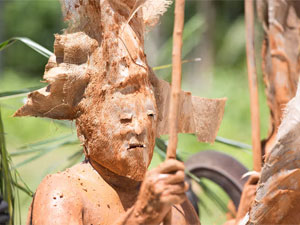 |
Port Mary is the name of the bay adjacent to Ghupuna, the main village in Santa Ana. A bright white sand beach with huge shade-giving trees runs along the shoreline in front of the tidy village. The houses here are made with local materials and most are built on stilts. Islanders generally welcome visitors with traditional songs and dances performed by members of the three different villages in Santa Ana. Some local people will also set up stands offering souvenirs for purchase. The Solomons are best known for strings of traditional shell money and elegant carvings based on local stories and legends. |
| Tues 20 Apr | Marove Lagoon, Solomon Islands | 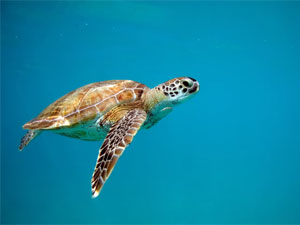 |
Marovo Lagoon is one of the world’s largest saltwater lagoons. Described by American author James A. Michener as, “one of the seven natural wonders of the world,” Marovo is home to a double barrier reef system, and is one of two sites in the Solomon’s currently under consideration for UNESCO World Heritage Site status. Residents of Marovo Lagoon make elegant woodcarvings that are often for sale on the shoreline. Marovo is also renowned as one of the best diving and snorkeling spots on the planet. |
| Wed 21 Apr | Day at Sea | |
|
| Thurs 22 Apr | Rabaul, Papua New Guinea | 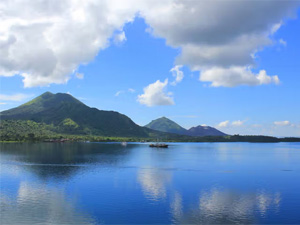 |
Found on the north eastern tip of New Britain Island (the largest island off mainland PNG) Rabaul, the former provincial capital, has quite a remarkable location. The town is inside the flooded caldera of a giant volcano and several sub-vents are still quite active today! The lively city was almost entirely devastated by Mount Tavurvur in 1994, covering the city in ashfall, but thankfully costing no lives. Since then, thanks to Rabaul’s deep-water port, commerce has been on the up, and a few shops and hotels have managed to find an audience. However, Rabaul’s remote location together with the volcano still being one of the most active and dangerous in Papua New Guinea means tourism is not rife. Rabaul has an impressive WWII history which includes a 300-mile network of tunnels dug by Japanese POWs designed to conceal munitions and stores. After Pearl Harbor, the Japanese used Rabaul as their South Pacific base for the last four years of WWII, and by 1943 there were about 110,000 Japanese troops based in Rabaul. Post war, the island was returned to Australia, before it was granted independence in 1975. |
| Fri 23 Apr | Garove Island, Papua New Guinea |  |
The volcanic island of Garove is part of the Witu Islands and once had a 5-kilometer-wide (3.1 miles) caldera. The island was historically used to produce copra and cocoa, and in fact, still is today. Most of the villages are located around the exterior of the volcano. Steep cliffs explain why there is only one area settled on the inside. A promontory at the entrance’s southwestern corner is taken up by the school and the catholic church of the village of Widu, the only village inside the caldera. |
| Sat 24 Apr | Day at Sea | |
|
| Sun 25 Apr | Kapingamarangi, Micronesia | 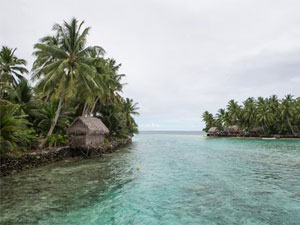 |
A ring of beauty, almost lost in the immense South Pacific, this low-lying atoll on the frontiers of the Pacific is one of the world’s most remote inhabited atolls. White sands circle a transparent lagoon of irresistible snorkeling, watched over by reams of palm trees, with traditional villages nestled among them. Guests are welcomed ashore with warm Polynesian hospitality and flair, inviting you to explore an authentic culture that’s uniquely Polynesian — and thriving here in the heart of Micronesia. Time-honored customs remain alive, from wooden canoe carving and navigation to a distinct local language. Wander with local guides to identify tropical botany and rare, colorful birds calling overhead on walks through the island’s natural beauty. Once you feel at home, slip into the jewel-blue waters, where tropical fish dance among reef sharks and angelfish — an authentic and unforgettable encounter with far-flung Pacific Island bliss. |
| Mon 26 Apr | Nukuoro, Micronesia | 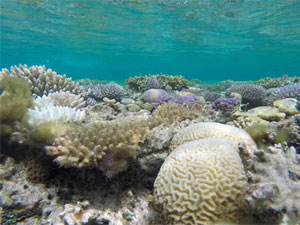 |
Mysterious, authentic, and elusive, Nukuoro is South Pacific exploration at its most evocative. Feel an immediate connection with the people of this distant atoll as you’re welcomed ashore with a stirring and warm cultural performance. It’s a privilege to be immersed in such a fascinating, deep-rooted Polynesian culture — enriched with its own language, crafting traditions and fishing wisdom, and expressive dances. Visit the villages within the welcoming community and allow local experts to introduce the flamboyant birdlife and diverse flora and fauna on captivating nature walks. Soak in the island’s beauty on the hoop-shaped reef, where islets and palms cluster around tranquil seas. Snorkel among biodiverse coral reefs in the sheltered lagoon, or trek to ancient stone ruins and tikis. Experience profound isolation and enduring community in the secluded beauty of Nukuoro — a true Pacific outpost. |
| Tues 27Apr | Day at Sea | |
|
| Wed 28 Apr | Pohnpei, Micronesia | 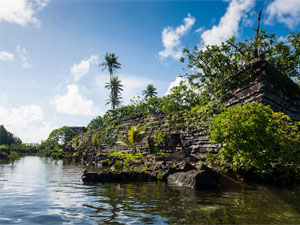 |
A lost Pacific city of unknown origin — walk the ruins of one of the great enigmas of the Pacific. Wild but welcoming, Pohnpei is at once magical and mysterious. The iconic Nan Madol ruins are a UNESCO World Heritage Site of Pacific legend — a labyrinthine stone city constructed atop a coral reef platform, known as the “Venice of the Pacific.” Renowned for its extraordinary basalt columns and megalithic structures, the site is slowly being reclaimed by the jungle, its origins still shrouded in mystery. One of the Pacific’s great archaeological wonders, it lies enmeshed in an island of lush greenery, fed by abundant rainfall that powers torrents and rivers through the interior. Sheer cliffs rise from tangled forests — an almost intimidating display of natural power, steeped in folklore. Hike along forest trails to discover waterfalls concealed among the rainforest. Local culture thrives through sakau rituals, oral storytelling, and intricate carving — traditions deeply rooted in the spirit of the island. |
| Thurs 29 Apr | Day at Sea | |
|
| Fri 30 Apr | Chuuk Lagoon, Micronesia | 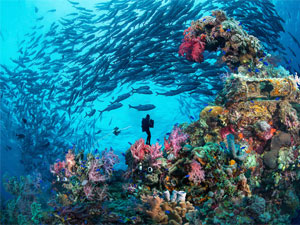 |
From above, Chuuk Lagoon is swooningly beautiful — with emerald islands bursting from turquoise seas — but it’s what lies beneath that makes this such an extraordinary vision. The ghosts of World War II lie submerged just below the tranquil waters. Now reclaimed by coral and tropical life, the iconic Japanese aircraft and battleship wrecks rest peacefully, swirling with reef fish. Dozens of sunken ships and planes lie scattered across the lagoon bed, waiting to be glimpsed and explored in one of the world’s finest sites for diving and snorkeling. The lagoon’s protected waters are crystal clear, offering an unobstructed view into a fascinating intersection of Pacific history and biodiversity. Glimpse a living memorial to the Pacific War — both historic and haunting, it’s a sight you’ll never forge |
| Sat 1 May | Day at Sea | |
|
| Sun 2 May | Apra, Guam | 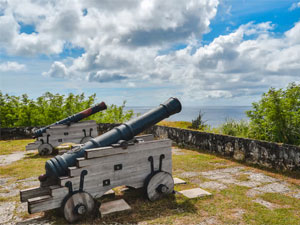 |
Apra Harbor is a deep-water port located on the western side of the island. The island is part of the Mariana Islands and near the Mariana Trench, which is the deepest part of the earth’s oceans. The port serves both as a U.S. naval station and Guam’s main commercial port. The harbour, formed by the Orote Peninsula to the south and Cabras Island in the north, is considered to be one of the best natural ports in the Pacific. Guam’s unique culture has remained intact despite European imperialism and wars. Archaeological evidence suggests that the indigenous Chamorros of Indo-Malayan descent migrated from the Southeast Asian islands and settled throughout the archipelago. They flourished and built unique houses and canoes suited to the region. As a matriarchal society and through the prestige of the women, much of the Chamorro culture and traditions were able to survive. Since the 16th century, a wave of foreigners have arrived on Guam’s shores, including Ferdinand Magellan in 1521 who remained on the island for three days to restock his small convoy. Americans, Asians, Europeans, Micronesians and other visitors have since left their imprint on the island’s pastimes and tastes. |
| Mon 3 May | Saipan, Northern Mariana Islands | 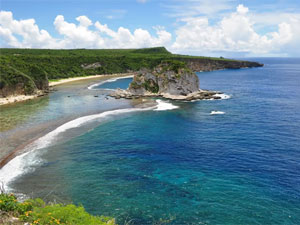 |
The Northern Mariana Islands are a chain of 15 tropical islands about 120 miles (193 km) north of Guam. At 12 miles in length and 5 miles wide (19 x 8 km) Saipan is the largest of the 15 islands and site of the CNMI capital. Settlement of Saipan and its neighbouring islands occurred circa 2000 BC by the Chamorro people who arrived via similar routes as their cousins in Guam. Ferdinand Magellan first sighted the Mariana Islands in 1521 and claimed “Las Islas de las Velas Latinas” for Spain. In 1668 the islands’ name changed to the present one in honour of Mariana of Austria the widow of Spain’s king Philip IV. In 1986 President Ronald Reagan proclaimed the Northern Marianas a United States Commonwealth and its residents U.S. citizens. Today Saipan has a well-developed tourist industry which is concentrated around Garapan the capital. In addition to beaches and colourful marine life American World War II relics overgrown Japanese bunkers and mangrove swamps can be seen around the island. Garapan located on the western side of the island is home to major hotels and the American Memorial Park which honours American soldiers who died during the Battle of Saipan. |
| Tues 4 May | Pagan, Northern Mariana Islands | 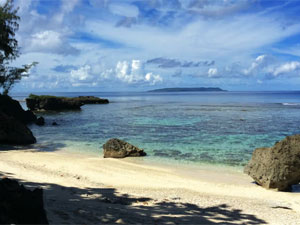 |
Among the 15 islands of the Northern Marianas, Pagan Island is one of Micronesia’s finest. Biologically diverse, volcanically active (the last major eruption was in 1981. Pagan is in fact two islands, joined by an isthmus. Archaeological finds put human habitation on the islands several centuries pre-AD, and it is believed that the island was settled in 1,500 BC by Micronesian people, who practiced agriculture and cultivated plants. Official discovery dates it to the 17th century by Jesuits, however, it is possible that European deserters from the first Magellan expedition set foot on the island a century earlier. Nearby Guam island has geological proof dating back to 30-million years. Current population is just seven. Numerous volcanic eruptions have left Pagan swathed in sloping sheets of lava and almost bereft of ecological richness. There is some light broadleaf forest (endemic), scrub grasslands and swamps. The Marianas are given ecoregional status on the basis of its bird fauna. Seven species are native the archipelago, including the critically endangered Mariana crow and Rota bridled white-eye and the endangered Micronesian megapode. |
| Wed 5 May | Day at sea | |
|
| Thurs 6 May | Day at sea | |
|
| Fri 7 May | Torishima Island Cruising, Japan | 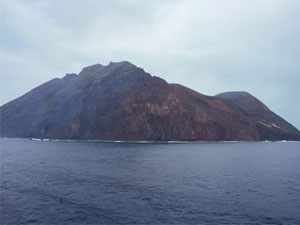 |
Rising dramatically from the Philippine Sea, 300 miles south of Japan's main islands, the emerald-green form of Torishima — or "Bird Island" — is a striking and remote sight. This uninhabited volcanic island, roughly circular in shape, is actually the peak of a submerged volcano whose sheer cliffs and slopes plunge directly into the ocean. A protected sanctuary and significant breeding ground for the critically endangered short-tailed albatross, it is a designated Important Bird Area. Landing is prohibited to preserve the ecosystem — which also supports colonies of shearwaters and storm petrels — but from the ship you can observe the dramatic coastline and witness the birdlife from the water. These waters also attract bottlenose dolphins and migrating humpback whales. |
| Sat 8 May | Shimizu, Japan | 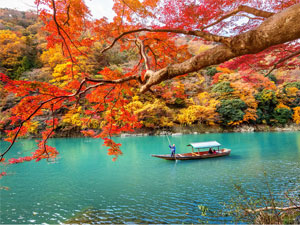 |
Without doubt one of Japan's most beautiful ports, Shimizu offers a stunning gift on arrival — the iconic symmetrical cone of Mount Fuji rising majestically. The ultimate Japanese view, it’s a breathtaking vision of grace and volcanic power, with the snow-capped peak soaring larger than life. Beyond the drama of Fuji, Shimizu's scenic coastline and UNESCO World Heritage landscapes are layered with traditional beauty. Historic Shinto shrines stand amid pine groves, while green tea fields ripple across nearby hills. The port is also a gateway to some of Japan's finest sushi, prepared with dedicated artistry. Shimizu invites you to explore at your own pace, experiencing the soul of Japan through landscapes, cuisine, and tradition. |
| Sun 9 May | Motomachi, Oshima Island, Japan | 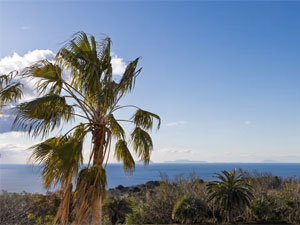 |
Motomachi, the largest town of Oshima Island, is Tokyo's closest island escape. On the island’s western shore, it lies beneath the green slopes of Mount Mihara, an active volcano that dominates the island. Stunning views roll out from the caldera rim, sometimes stretching as far as Mount Fuji, while geothermal energy fuels soothing hot springs. Soak in misty outdoor waters, or step beneath the torii gates of Omiya and Hajikama shrines — passing into sacred spaces among dense forest. In spring, camellia flowers bloom, forming the island’s famous natural display. A local museum tells volcanic history, while a summer festival explodes with fireworks. Elsewhere, hike across lava fields, explore the blackened Urasabaku Desert, and see volcanic cliffs layered with natural patterns. |
| Mon 10 May | Toba, Japan | 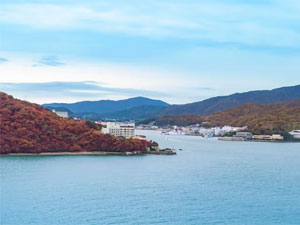 |
A true pearl of Japan, Toba is renowned for its jewels and the extraordinary women who harvest them. For over 2,000 years, the ama — female free-diving fisherwomen — have plunged into these clear waters to collect oysters and pearls. Located on the scenic Shima Peninsula in Mie Prefecture, Toba sits at the gateway to Ise-Shima National Park — a landscape of etched coastline, crystal-clear waters, and forest-clad islands. The region is also home to the revered Ise Grand Shrine, one of Japan's most sacred sites, nestled among ancient cedars. Take in panoramic views of the bay from hillside lookouts, wander traditional fishing villages, and hike through coastal beauty. Toba’s vast aquarium is one of the few places in the world where dugong can be seen, alongside more than 1,000 other species. |
| Tues 11May | Takamatsu, Japan | 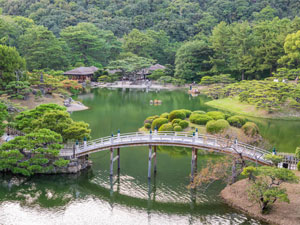 |
Takamatsu, the elegant capital of Kagawa Prefecture, sits on the shores of Japan's tranquil Seto Inland Sea — and is a gateway to cultural treasures and island-studded waters. The city is home to the celebrated Ritsurin Garden, one of Japan's most exquisite landscaped gardens. Wander between calm ponds filled with koi, as seasonal blooms add bursts of color. Shaded pathways lead to traditional teahouses, where you can pause for quiet tea rituals, gazing over still waters, pines, and stepping stones. Beyond the garden, Takamatsu offers the atmospheric ruins of a historic castle, contemporary art museums, and sweeping views across the Seto Inland Sea toward its scattered islands. The city is also known for its exceptional seafood — pulled fresh from the surrounding waters. |
| Wed 12 May | Kochi, Japan | 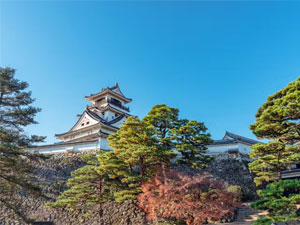 |
Kochi Castle, with its elegant black and white tiered roofs, is one of only twelve of the original castles remaining in Japan. Step inside to explore authentic feudal architecture and admire sweeping views over the city and mountains. The surrounding landscape is dotted with temples and forested hillsides, where the historic Shikoku Pilgrimage route winds. Beyond the castle, the Makino Botanical Garden guides visitors through pathways and greenhouses of diverse flora. The Shimanto River — Shikoku’s longest — draws outdoor enthusiasts with peaceful hiking trails and a serene backdrop for reflection. Facing the vast Pacific on Shikoku's southern coast, Kochi is celebrated for its katsuo no tataki — lightly seared skipjack tuna — and thriving sake-brewing tradition. |
| Thurs 13 May | Miyajima Island, Japan |  |
|
| Fri 14 May | Miyanoura - Yakushima, Japan | 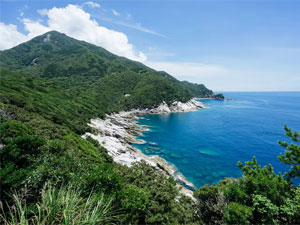 |
Gloriously green, tangled, and otherworldly, the primeval forests of Yakushima are a portal to another universe. This subtropical island off the southern coast of Kyushu is famed for its towering Yakusugi cedars — ancient giants, with thousands of years of history. Gnarled roots and mossy boughs and rocks form landscapes so mythic they inspired the forests of Studio Ghibli's Princess Mononoke. In 1993, Yakushima became Japan's first UNESCO World Heritage Site. Among the wettest places in Japan — the rains feed cascades and rushing mountain streams, as well as forests of endemic birds and wildlife. Misty trails wind through dense forest and along rugged coastlines toward hidden hot springs and secluded golden beaches. Along the way, you may encounter wild deer and Japanese macaques. |
| Sat 15 May | Day at Sea | |
|
| Sun 16 May | Kobe, Japan | 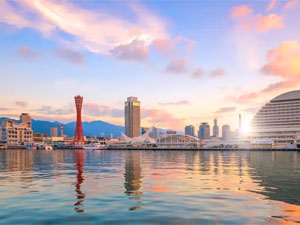 |
The Japanese city of Kobe The name is synonymous with its homegrown superstar. We are not talking of its stunning shrines, cherry trees laden with blossom during sakura, or effervescent city, buzzing with life 24/7. We are of course talking of a much more grass roots hero - its eponymous beef. The delicacy might have put the city on the map, but there is far more to Kobe than its meat.Its port history has given it a gastronomy that is quite different from its neighbors. Seafood and sushi is naturally some of the freshest and most diverse you can find, but Kobe's multi-cultural nature (the city is home to 98 different nationalities) means that it has one of the most diverse gastronomic cultures in Japan. Bread and bakeries are also an (unexpected) delicacy. Additionally, Sake is taken very seriously - Kobe even has its own museum dedicated to the national spirit Kobe's location on the calm Inland Sea between Osaka and Kyoto has proven to be pivotal in Japanese history; it is mentioned in famous literary works such as The Tale of Genji (late 9th century) and the Taiheiki (14th century). The city and region are home to many attractions including the Himeji Castle (widely considered to be Japan's most beautiful feudal castle), a short ride away. |
| Mon 17 May | |||
| Tues 18May | |||