
Aggius
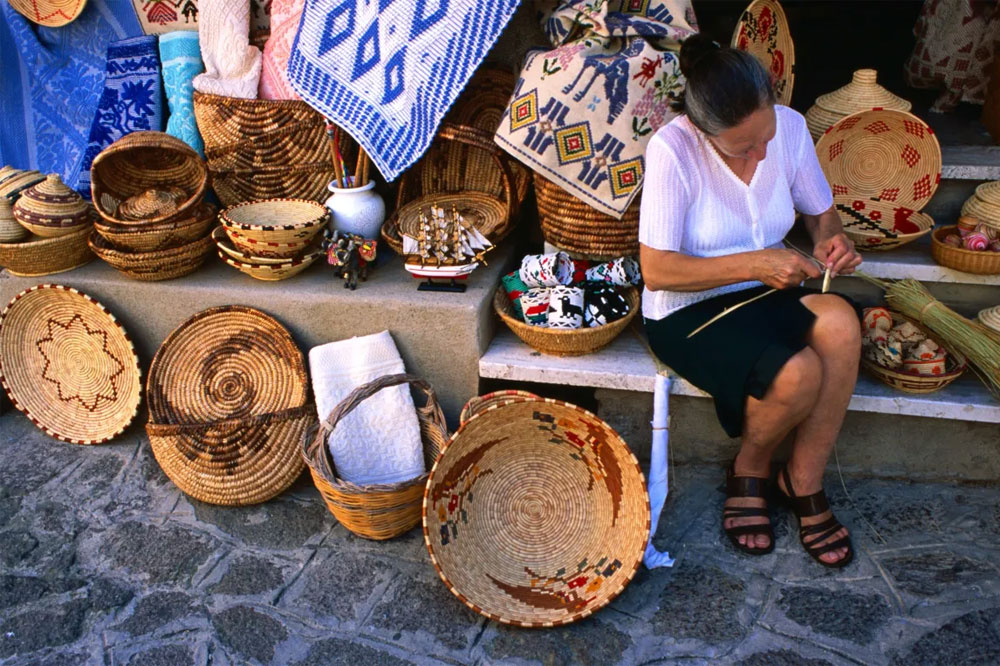
Tradition runs strong in Sardinia, and several towns and villages have artisans who continue to preserve yesteryear heritage that has long died out elsewhere. The hilltop village of Aggius has cobbled streets and a fascinating Ethnographic Museum, but it’s also a place renowned for its weavers. Visit a workshop to watch a weaver at a centuries-old handloom — a colourful rug or wall-hanging makes a perfect memento
Alghero
Gazing west across the Mediterranean toward Spain, charming Alghero feels equal parts Iberian and Sardinian. The city’s official language is Catalan, while its golden-hued 16th-century ramparts hearken back to the days of Aragonese rule. Climb the Campanile next to the cathedral for panoramic views of the cobbled streets and Gothic palazzi of the historic center, backed by the shimmering waters of the Riviera del Corallo.
To fully appreciate Alghero’s easygoing vibe, take an early evening stroll along its sea walls, framed by a trio of picturesque towers and lined with open-air restaurant terraces. At sunset, it’s the perfect spot to watch the world go by over a bottle of vermentino and a plate of aragosta alla catalana (lobster with olive oil, tomatoes, onions and lemon juice).
Asinara island
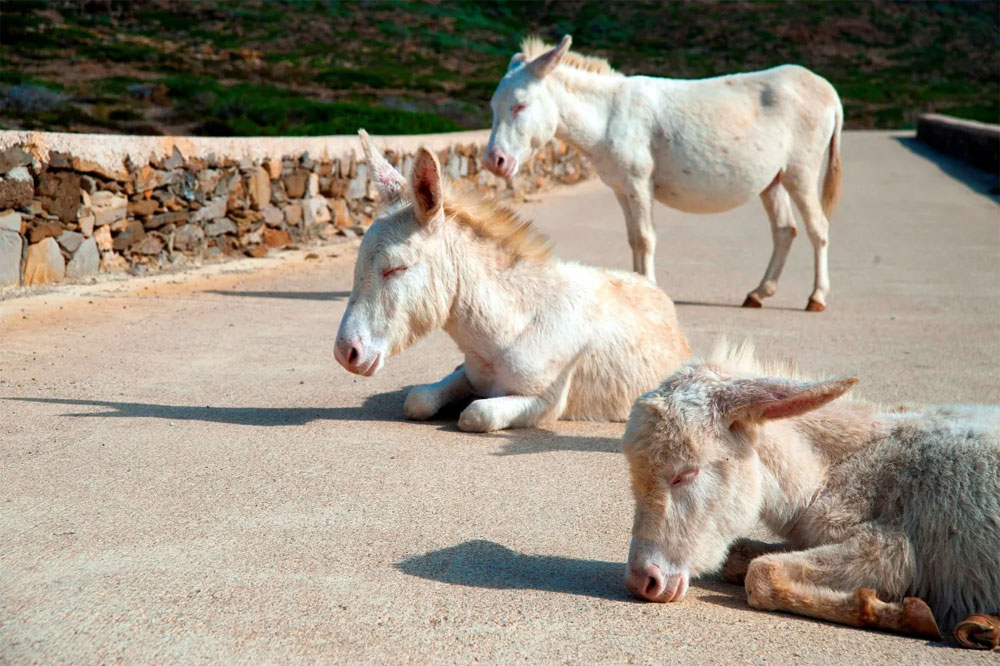
The uninhabited Asinara island — a ferry ride from Porto Torres or Stintino in the northwest — is famous for prisons and donkeys. Known as Italy’s Alcatraz, the island was a place of detention for captured soldiers during the Second World War, and later for criminals (including mafia members). Since 1997, though, it has been a national park, a popular place for hiking, cycling and enjoying weird and wonderful wildlife (including free-roaming albino donkeys). No private cars are allowed, but you can hop on a tourist train or arrange a Jeep tour in advance.
Beaches
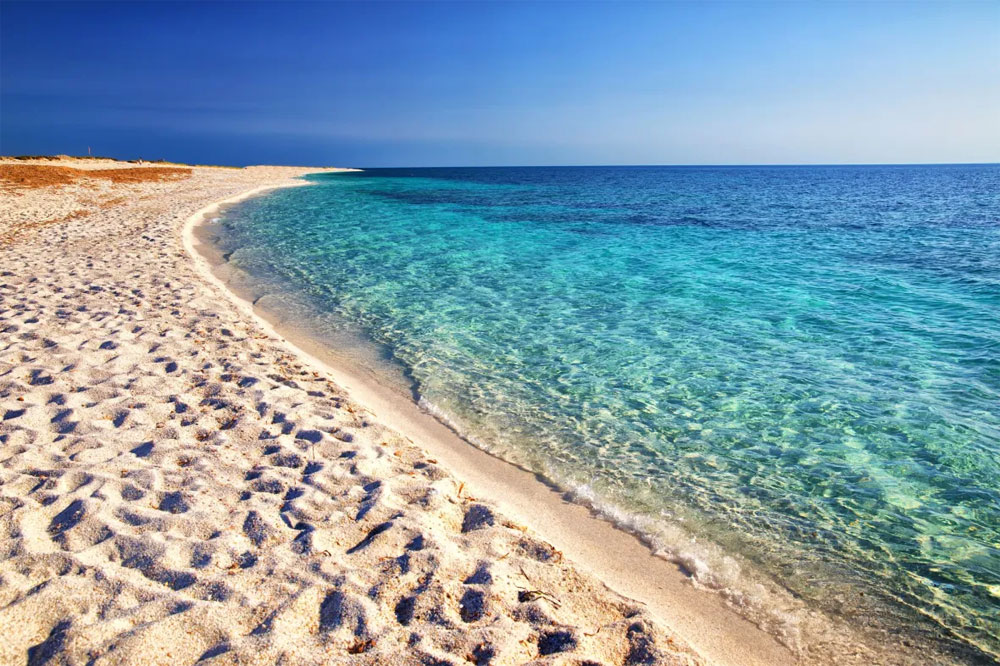
Yes, it’s the obvious one — the beach is a way of life here. There are hundreds of beaches around the coast of Sardinia, from pancake-flat expanses of white sand to hidden coves where the kids can go rockpooling. I could suggest you try Punta Molentis near Villasimius in the south or Lido di Orri at Tortoli to the east. In the west, you’ll find a white pebble beach called Is Arutas near Oristano and in the north the buzzy watersports beach at Porto Pollo. But these are spots plucked almost at random — you’re sure to find your own favourites.
Bosa
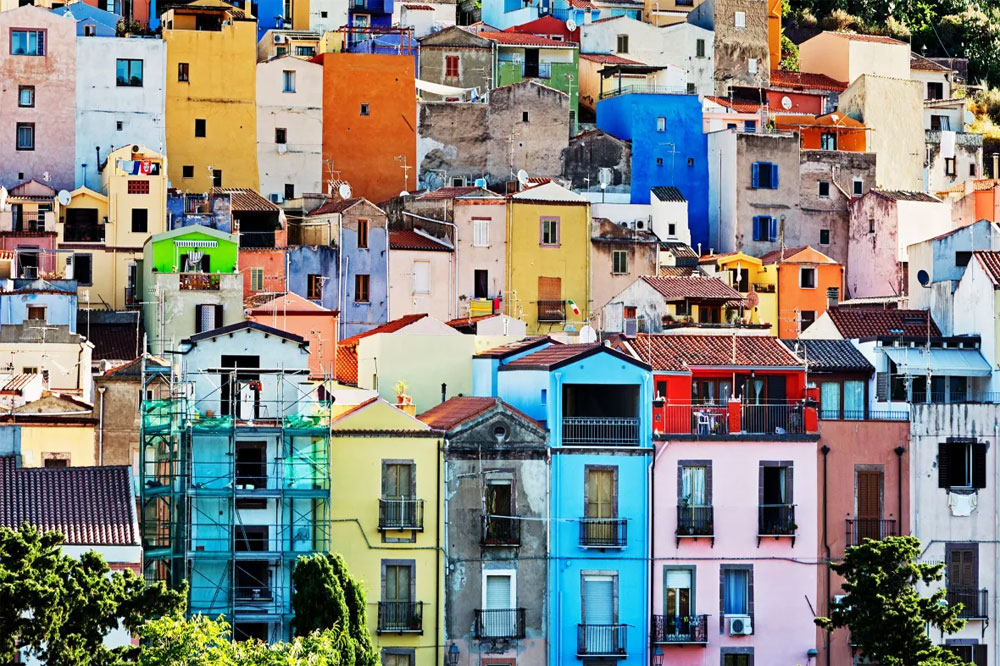
The pastel-coloured houses of Bosa, near Alghero.
Cagliari
Cagliari is where most tourists arrive, but it shouldn’t be viewed simply as a springboard to places elsewhere. Sardinia’s capital deserves some time in its own right. The historical city centre is a great spot to stroll. The Castello quarter, a citadel set high above the sea, has narrow alleys, characterful medieval architecture and a pair of 14th-century watchtowers (which you can climb). Among the city’s standout attractions are its 2nd-century Roman amphitheatre, striking cathedral and National Archaeological Museum, the latter rich in finds dating to the Bronze Age Nuragic civilisation.
Sardinia’s capital and largest city is an ideal place to begin or end any trip to the island. Stroll through the narrow lanes of Il Castello, Cagliari’s medieval hilltop citadel, to admire the dizzying mix of architectural styles at Cattedrale di Santa Maria and the far-reaching views from the top of Torre dell’Elefante. Get a feel for Sardinia’s millennia-long, multilayered history at the magnificent Museo Archeologico Nazionale, then ogle the artwork at the Galleria Comunale d’Arte. For shopping, dining and nightlife, head for the bustling Marina district by Cagliari’s palm-fringed waterfront. When you’re ready for something more tranquil, escape to the fountains and gardens of the Orto Botanico, or hop a bus out to the sweeping sands of Poetto Beach.
Capo Testa rock formations
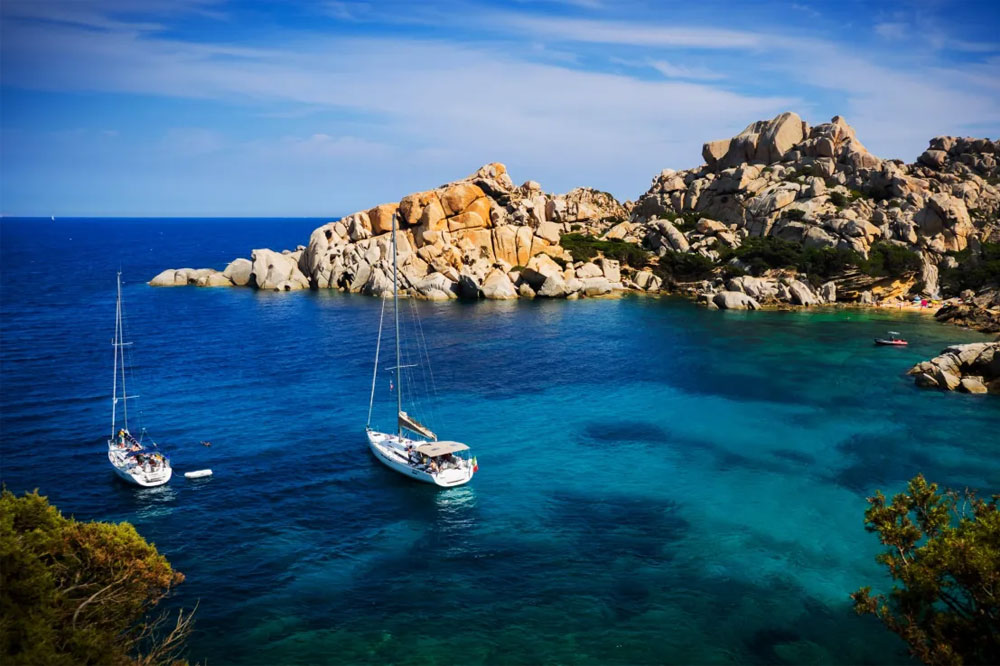
Intriguing rock formations are common around the coast of Sardinia, but king of the outcrop can be found at Capo Testa, at the island’s northwestern tip. Rocks are criss-crossed with deep lines that seem carved by a giant hand or piled into unusual shapes. The Romans once quarried stone here, but the marks are actually caused by natural erosion. The rocks around the Il Faro di Capo Testa lighthouse (which has operated here since the 1840s) offer superb panoramic views — come at sunset for the best of them.
Castelsardo
Alternatively, head to the picturesque town of Castelsardo, where you can not only tour the medieval citadel but also pick up a beautifully crafted traditional basket.
Coast Roads
The coast of Sardinia is quite something. One way to enjoy it is by touring the coastal roads, which take you past beaches of white sand and granite rock formations that seem to be from another planet. Try the SP71 from Porto di Teulada to Chia, a road that snakes for 25km around the very southern tip of the island. Be sure to make a stop at the Capo Spartivento lighthouse, which offers beautiful vistas. Or move westwards to the SP83, which charts a course along the Iglesiente coast and takes in mountains, beaches and former mining villages.
Costa Smeralda
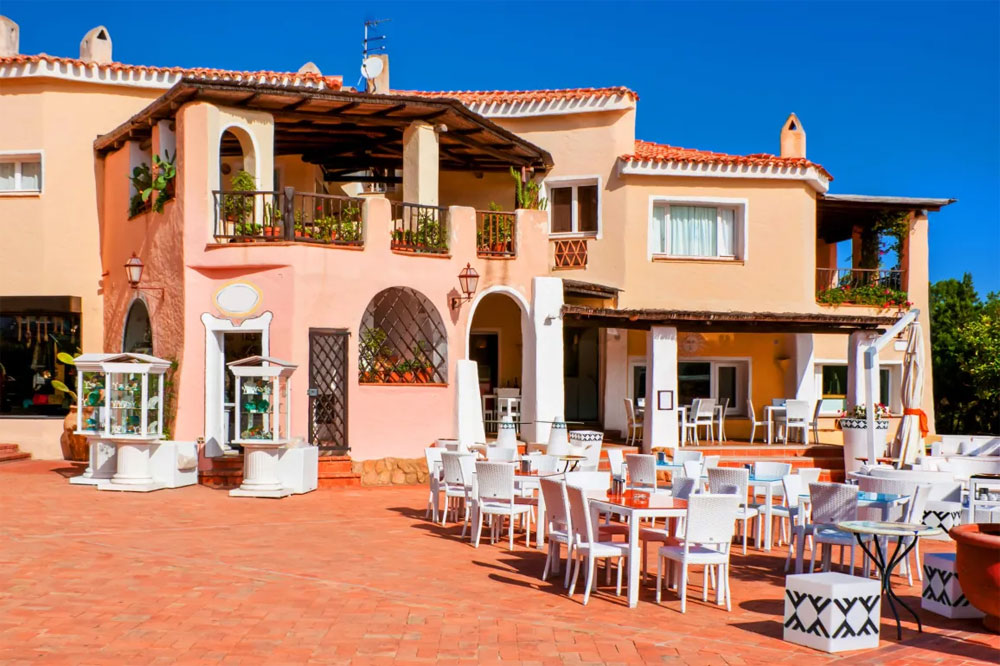
Running around the northeastern part of Sardinia, Costa Smeralda — the Emerald Coast — is the island’s most glamorous stretch. This region between the Gulf of Arzachena and the Gulf of Cugnana has the glitzy wine bars and nightclubs, and the high-end moorings. Porto Cervo is the pack leader, a seaside resort that attracts the rich and famous, and whose marina is worth a stroll to admire the eye-boggling luxury yachts. Porto Rotondo also attracts the jet-set, and both towns have sleek boutiques and sophisticated drinking spots.
Garibaldis Home
From La Maddalena, a long bridge brings you to the island of Caprera, which has hiking trails through pine forests, excellent beaches such as Cala Serena and the fjord-like Cala Coticcio, and panoramic views from the peak of Mount Teialone. The celebrated Italian general Giuseppe Garibaldi lived and died on Caprera, and there’s a museum in his “white house”, where you can see everything from his medals and swords to the bed where he died in 1882 (moved beside the window so that he could cast his eye on the sea for one last time).
Gorropu Gorge hike
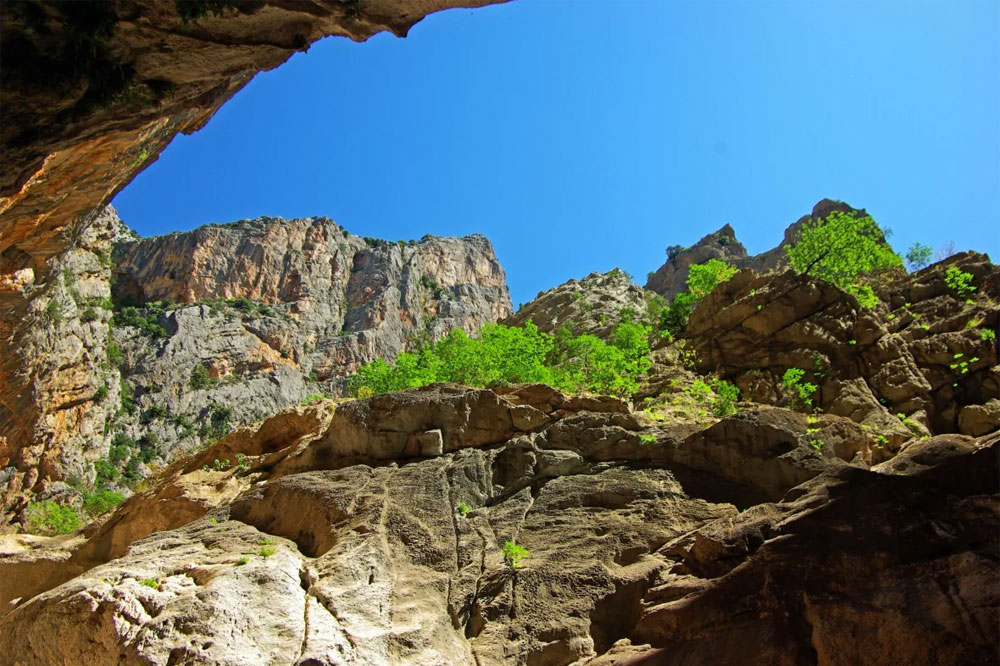
The Gorropu Gorge — in the Gulf of Orosei National Park to the east — is a seriously striking place for a hike. This is probably the island’s wildest region (it was here that fighters resistant to Roman rule used to hide out). The limestone canyon, carved by the Flumineddu river, is one of the deepest in Europe, and runs through an area of ancient yew trees and oak forests, and wildlife including golden eagles and mouflon. A hike will take approximately five hours and requires a moderate level of fitness. There is a charge to access the gorge, and part of it can only be hiked with a guide.
Maddalena Day Trip
A day trip to La Maddalena is a must. This archipelago and national park — made up of seven islands — offers some of the region’s best nature, hiking, diving and beaches. The “capital” of La Maddalena is your gateway, a half-hour ferry crossing from the port of Palau, and a graceful town with good restaurants and shops. From here, you can take boat trips to the more remote outcrops, including the wild coves of Spargi, and the famously pink-sanded beach of Spiaggia Rosa on the on the minuscule island of Budelli.
Mirto drink
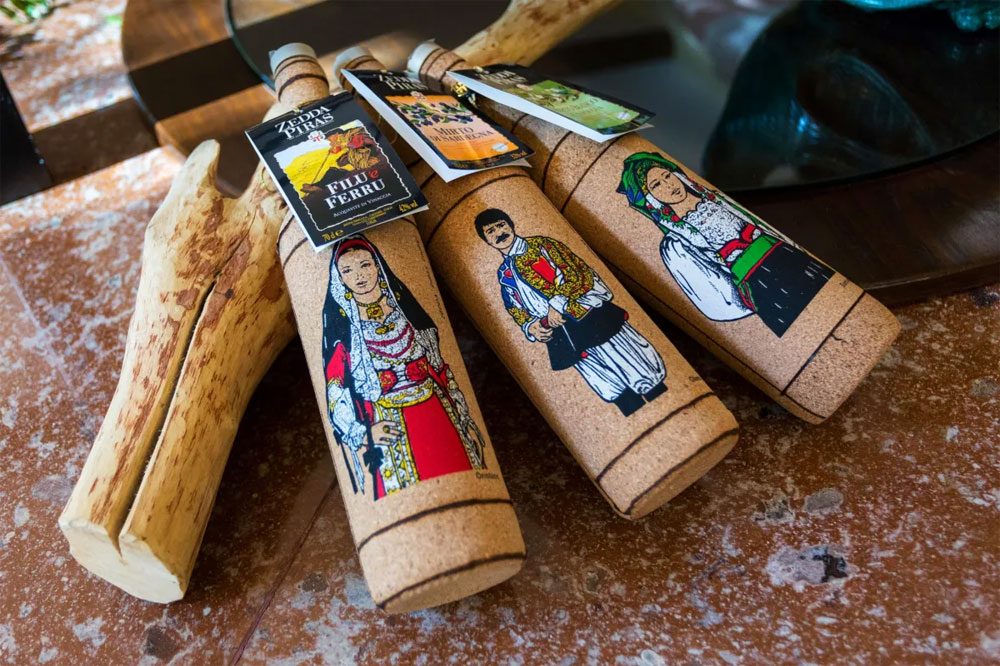
If you’re after a traditional local drink to settle your meal as you watch the sun go down, ask for a glass of mirto. This liqueur is popular in both Sardinia and Corsica (it is said to have been exported to the latter by Sardinian outlaws), and is made from the fruit and leaves of the myrtle bush. You might have it served straight or on crushed ice, and it comes in two varieties: the sweet mirto rosso (made from black myrtle berries) and mirto bianca (using the white berries and sometimes myrtle leaves).
Nora Roman City
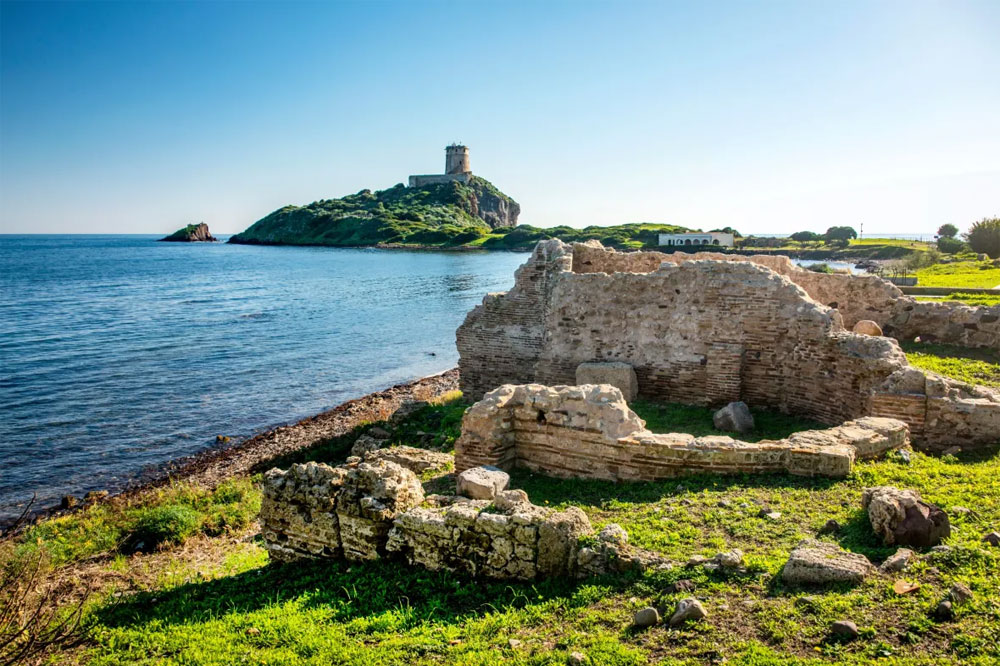
Sitting on a rugged sliver of land that juts into the sea from the south of the island, the remains of the ancient 5th-century Roman city of Nora rank among Sardinia’s finest archaeological gems. Built on earlier Nuraghic and Punic settlements, the city became a thriving colony of nearly 10,000 inhabitants under the Romans, and you can stroll among the ruins of their private villas, temples, thermal baths and a well-preserved theatre that held more than 1,000 spectators. It’s possible to visit independently (a shuttle bus runs from Pula), but better is to arrange a guided tour to get a proper understanding of the weight of history in the stones.
Nuraghes
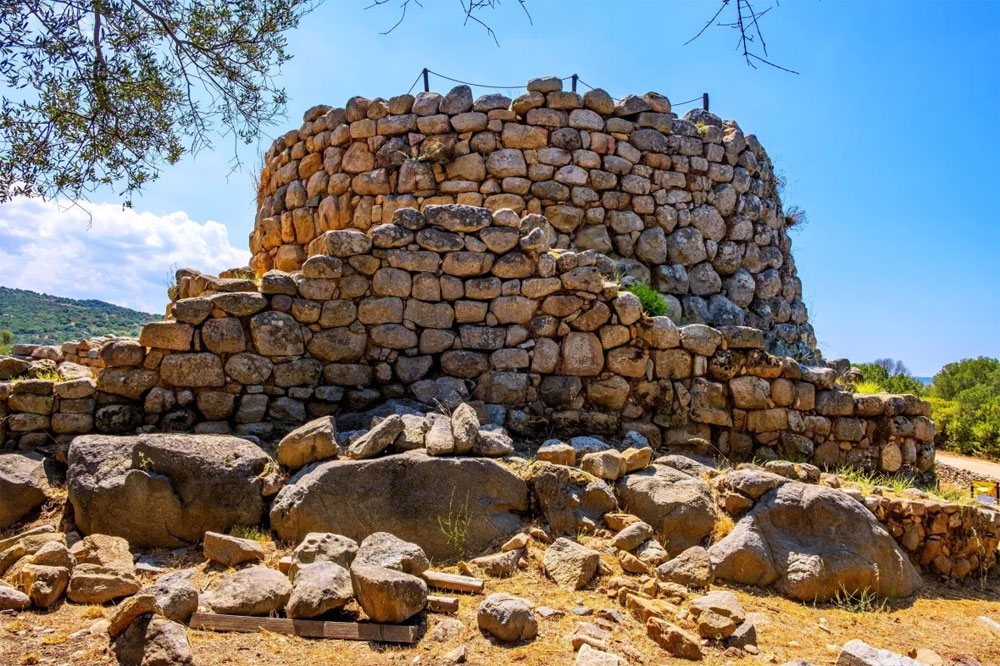
Sardinia has some extraordinary archaeological sites, including thousands of Bronze Age structures built by the Nuragic people from around 1,500 BC. At the heart of many of these sites you’ll find a mysterious tower called a nuraghe that looks something like a stone beehive, and which was probably used as a stronghold against attack or a home for the village leaders. Unique to Sardinia, such nuraghes are scattered across the landscape, but some of the best examples are the Nuraghe La Prisgiona at Arzachena and the Nuraxi Nuraghe in Barumini (the island’s only Unesco-listed monument).
Oristano
Soak up the atmosphere in Oristano, a town whose grand piazzas and impressive medieval architecture speak of a rich and prosperous history.
Porto Flavia tour
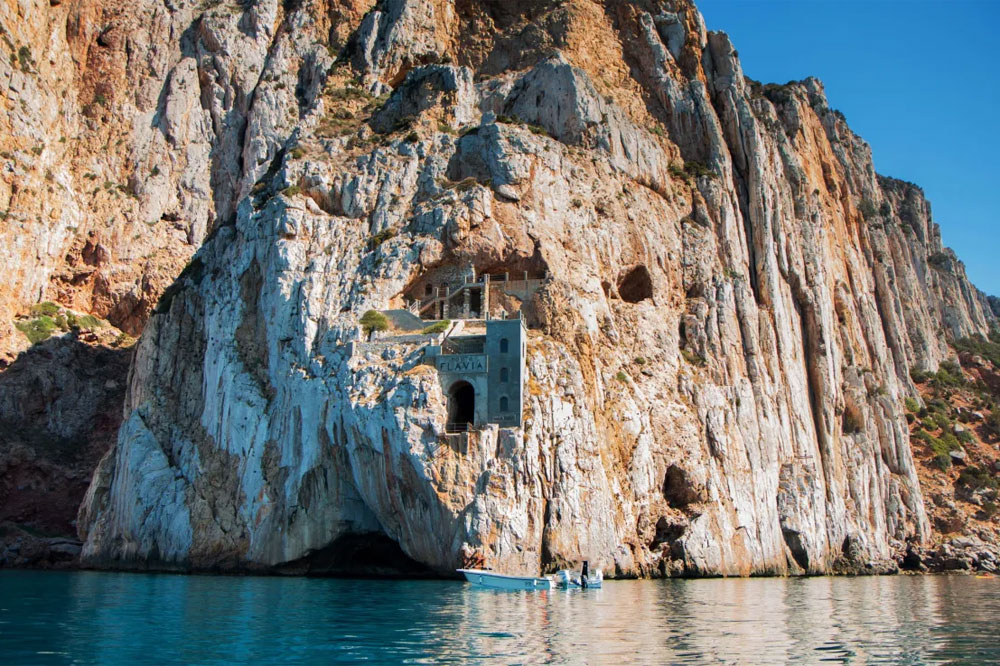
Set into a cliff on the Iglesiente coast is an elegant tower and archway that conceal one of the great feats of engineering. For centuries, ore dug from nearby mines had to be transported from Manua beach by small boats. It was time consuming and dangerous. But in the 1920s, the engineer Cesare Vecelli built a pair of tunnels into the cliff along which the ore could be carried before it was dropped into cargo ships anchored below. He called it Porto Flavia, after his daughter, and it was in use until the 1990s. Tours must be booked in advance, and last two hours. To find it, head towards Masua's beach from where a road leads back uphill and around the coast for about 2.5km. Visits are by guided tour only; it's best to book through the tourist office in Iglesias. Tickets
San Pantaleo,
with its lovely sandstone square stationed with blossom trees, and rambling alleyways where artisans sell jewellery and craftwork
Tharos & the Sinis Peninsula
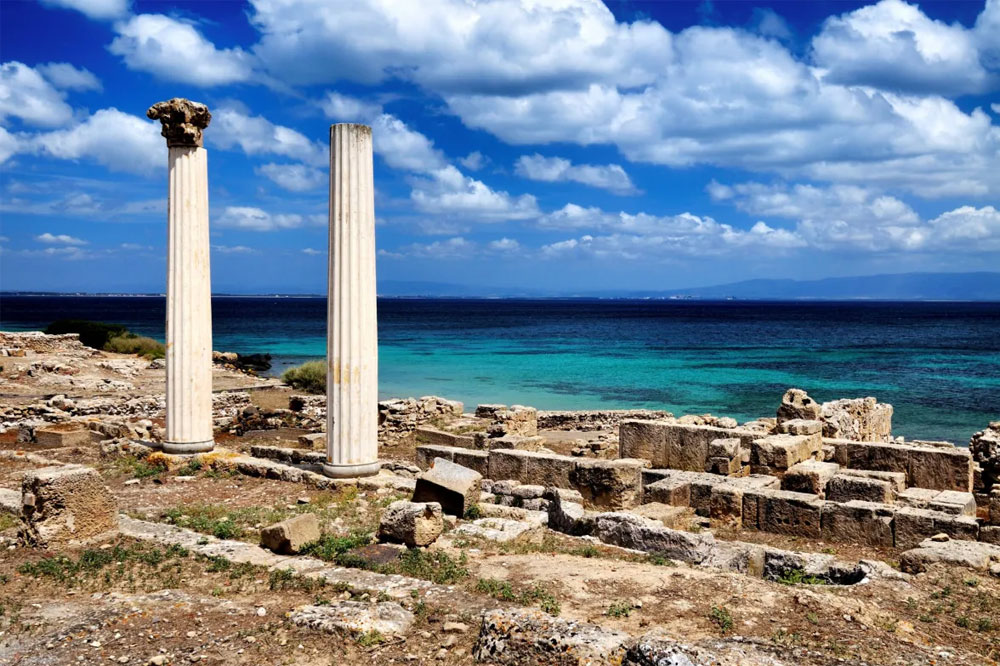
The Sinis Peninsula is a marine protected area, and has habitats including sand dunes, lagoons and salt marshes that harbour a range of wildlife. In its wetlands, you might see herons, kingfishers and flamingos. Here too is one of the island’s most important archaeological sites. Tharros was a harbour town founded by the Phoenicians in the 8th century BC, and was occupied until the 11th century AD. Its heyday was during the Roman period, however, and you can walk among remains of temples and bathhouses dating back 2,000 years. A shuttle bus runs from the entrance to the archaeology itself, although an alternative is to tour the peninsula by bike.
Tempio Pausania
wander along the graceful granite buildings and into the evocative churches