Lalique, France’s leading light in crystal production, is celebrating its 130th anniversary this year, and it continues to expand and reinvent itself through fragrances, contemporary design and hotels.
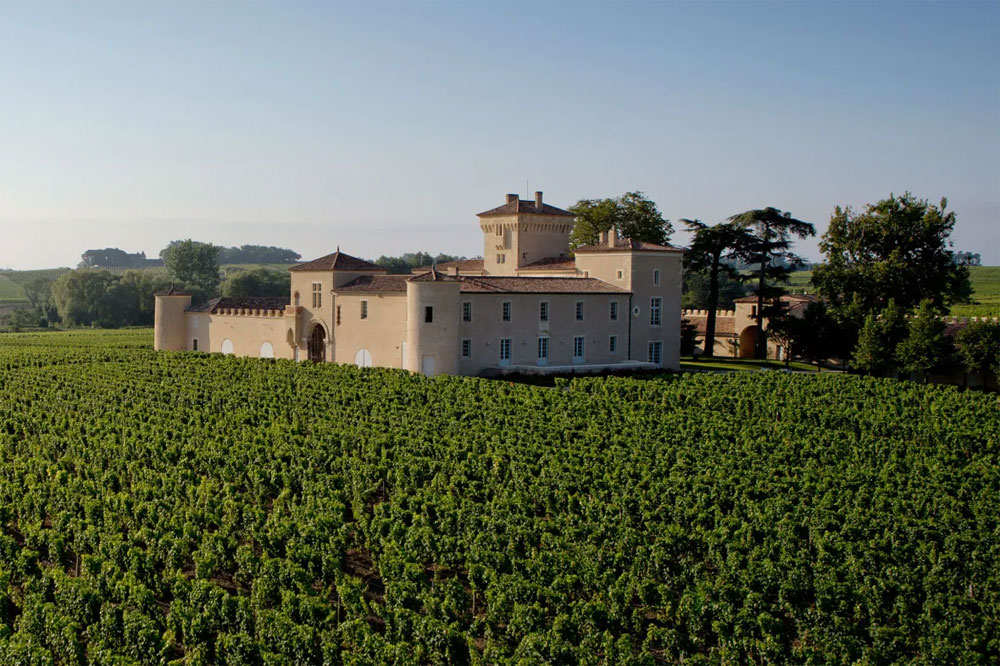
Building on the success of its two hotels in Alsace, opened in 2015 and 2016 and neighbouring the Lalique museum, it chose a property in Sauternes for its third. All are small, luxurious showcases for the crystal, but the honey-coloured Château Lafaurie-Peyraguey, with 13th-century gatehouse and wall towers, is the first time a sumptuous Lalique hotel has been created within a château’s ancient walls.
Silvio Denz, the chairman and chief executive of Lalique, which owns Lafaurie-Peyraguey, has gone one step farther here, combining “four worlds: wine, crystal, gastronomy and hospitality”. Denz has long been a fan of Sauternes and with this hotel is hoping to bring the area and the sweet wine — classified as a premier grand cru classé in 1855 — back into fashion, extending its traditional appearance as a bedfellow of foie gras and desserts by serving it as an aperitif diluted with a mix of orange zest and ice.
Pressed up against the hotel walls are 90 acres of vines: 93 per cent semillon, 6 per cent sauvignon blanc and 1 per cent muscadelle, which form their sauternes. Achingly labour intensive, each grape — not cluster of grapes — needs to be picked by hand when botrytis, or “noble rot”, has spread its hairy blanket over the smooth skins, puncturing them to allow the water content to evaporate to leave a concentrated golden nectar.The unique microclimate needed for sauterne production is provided by the region’s location along the Ciron, a cold tributary of the warmer Garonne River. At the end of summer the temperature difference between the two bodies of water meeting results in a mist that cloaks the grapes overnight, creating the climate for botrytis.
That is only one of the four worlds at Château Lafaurie-Peyraguey, however. Hand in hand with the wine goes the food, delivered impressively by the chef Jérôme Schilling, who worked previously at Villa René Lalique in Alsace. I found his soft cauliflower with vintage caviar (from nearby Aquitaine) and vodka “beluga” a triumph of senses and textures, enclosing a briny oyster under popping caviar and within velvety cauliflower. Sublime too was the harlequin and bergamot sea bass, coloured peppers forming a striped skin on the delicate fish.
The restaurant, designed by the architect Mario Botta, places you firmly in the vineyards, its stark glass walls a stage for the sunset to perform on each night, adding a real lustre to an already gilded experience played out between the Lalique crystal. On the table it comes in the 100-point glasses with their elegant frosted, finely ribbed stems, on the Christofle napkin rings encrusted with crystal panels of grapes, in the Peugeot Saveurs salt and pepper shakers, replicas of the ones created by René Lalique and Peugeot in 1924, and the tiny, crystal swallow knife rests made this year to celebrate Lalique’s anniversary.
The fairytale walls and towers, square and circular, that can be seen across the vineyards from the grand dame of Sauternes, the beautiful Château d’Yquem on the neighbouring hill. Well worth a walk through its rose-filled gardens, a tasting here (€75, or £68) needs to be booked at least four months in advance.