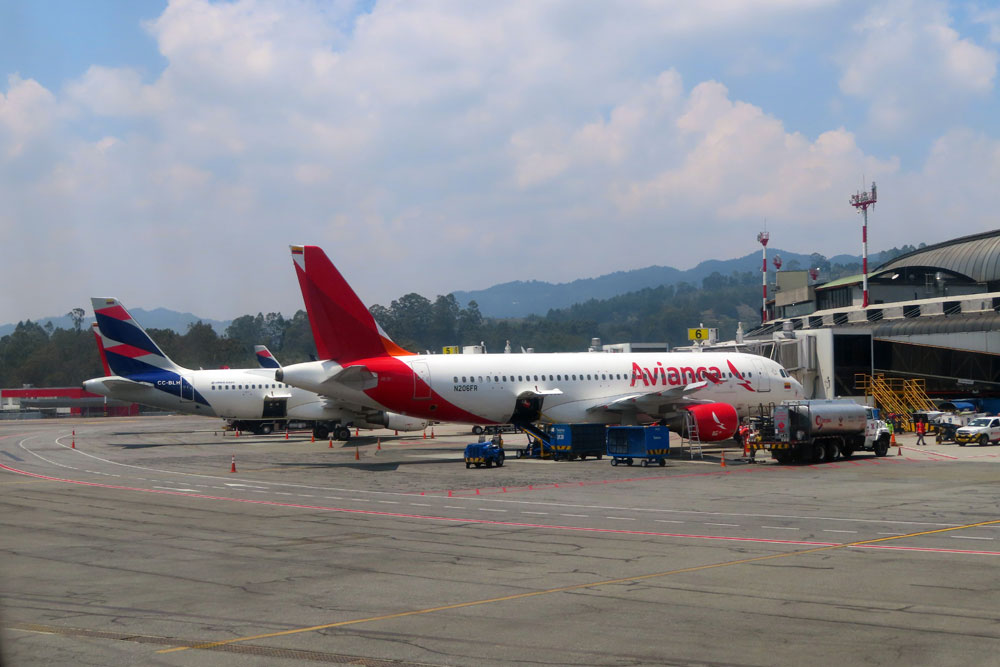
We enjoyed a really good, late breakfast just before nine and then went out for a wander round the town and up to the cemetery, before being picked up at 11 am: the same strange driver that had brought us from Popayan. He said it was a five hour journey, but we got to Medellin by 3 pm, but he did not offer us a stop at all: strange.
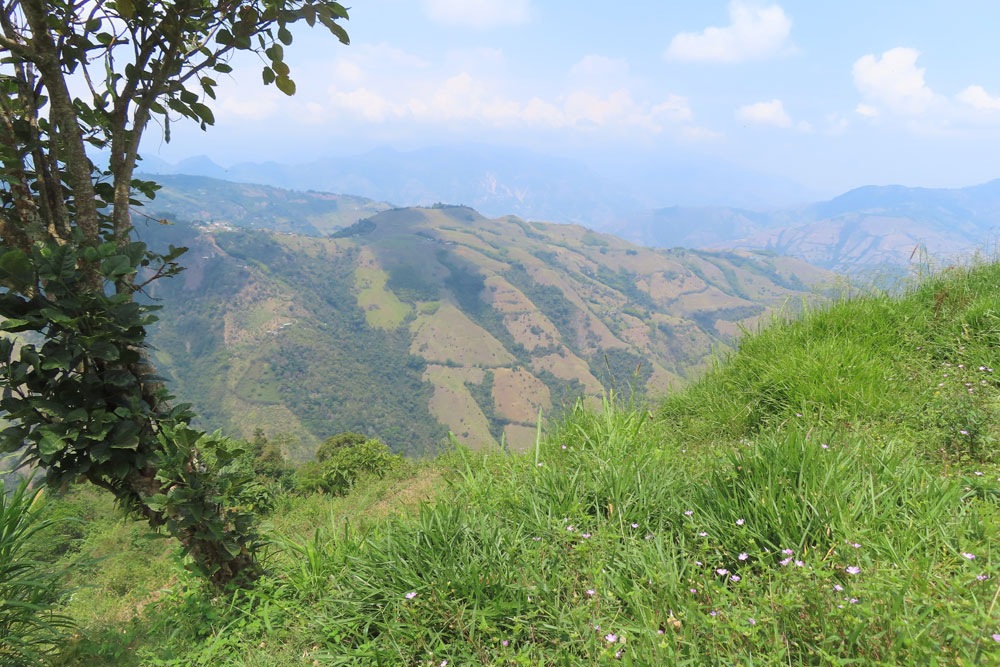
The scenery en route, especially for the first 90 minutes, was spectacular, and the road surface during that part was quite another thing. We then got on the Pan-American highway and drove along it for an hour or so before, strangely, leaving it: the Pan-American highway actually goes very near to Medellin.
Click on any of the thumbnail photos for a larger version
 |
 |
 |
 |
 |
 |
Patio Del Mundo Hotel
Reception at the Patio Del Mundo Hotel was very poor and then we were shown to a room without a view. We asked if there was another one available and the bimbo came back and with no emotion or apology just stated no. So we said we would ring Neptuno the Colombian agency and move to another hotel. She then decided that she had another room that was more expensive and who was going to pay the difference. It turned out that the difference was just €15 per night, on €168 per night room.
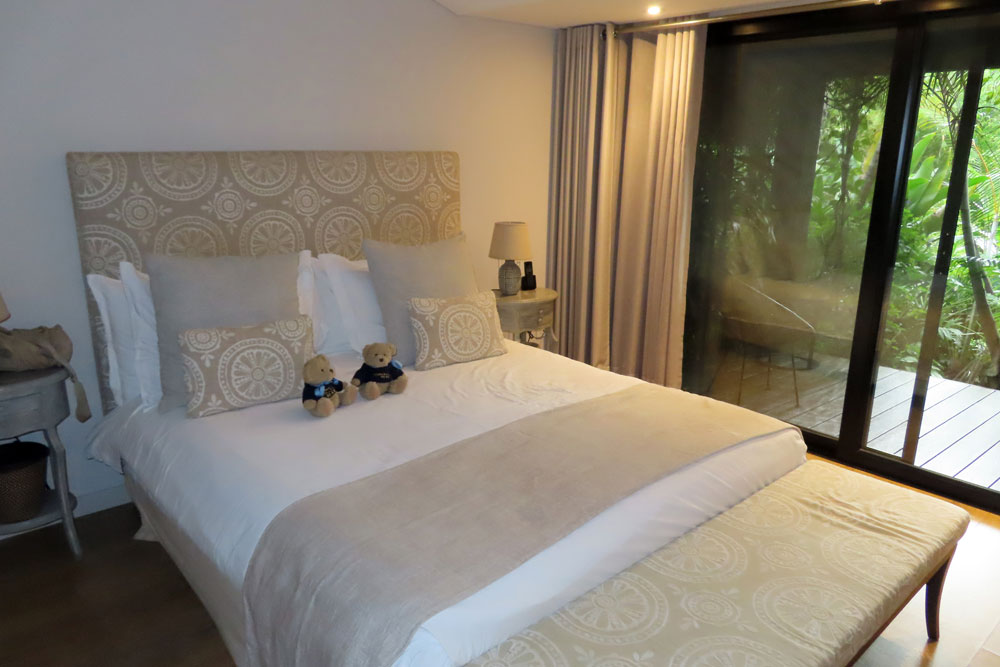
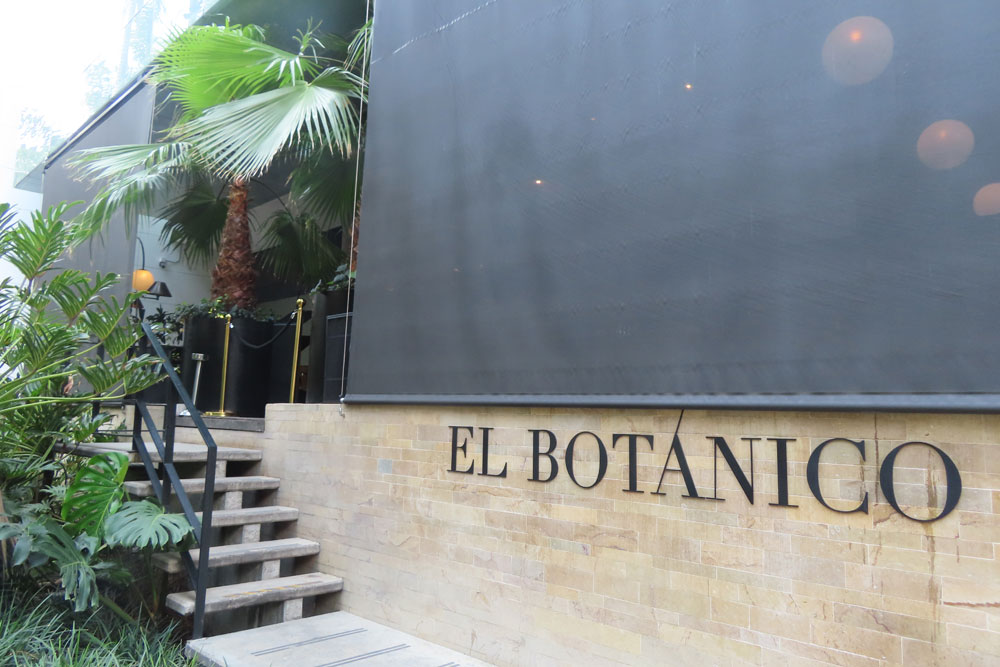
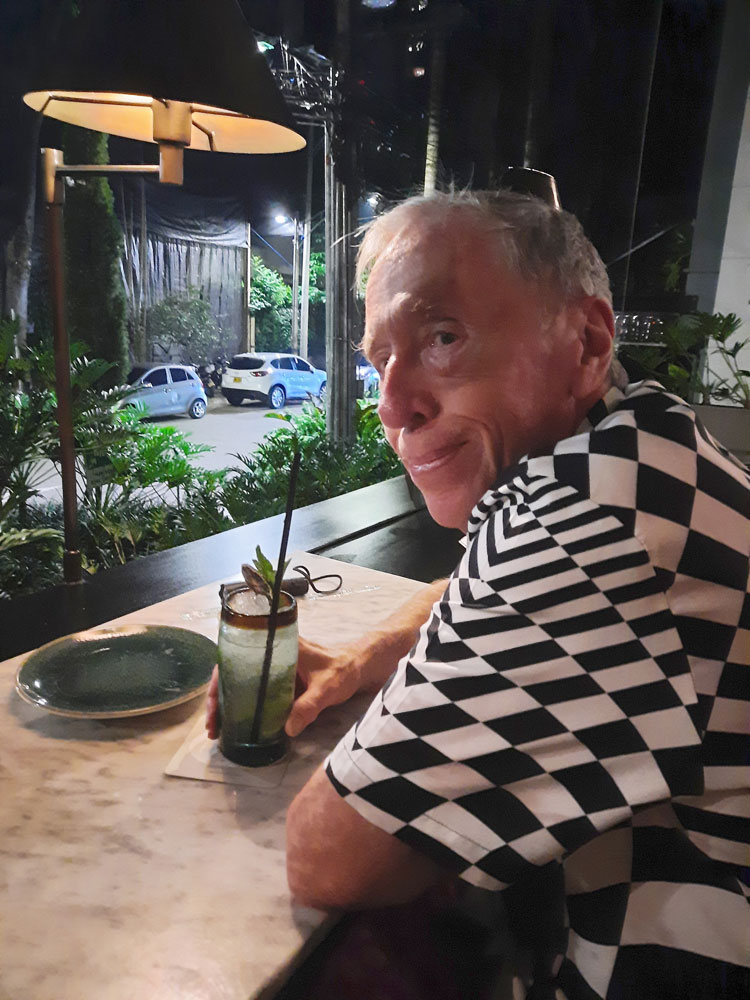
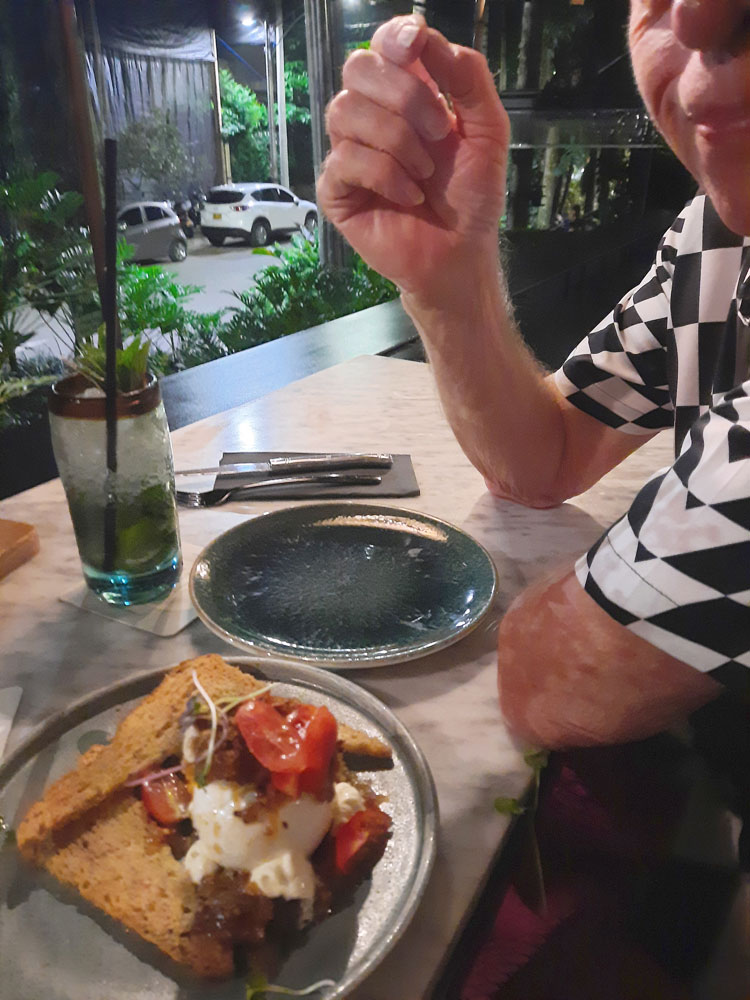
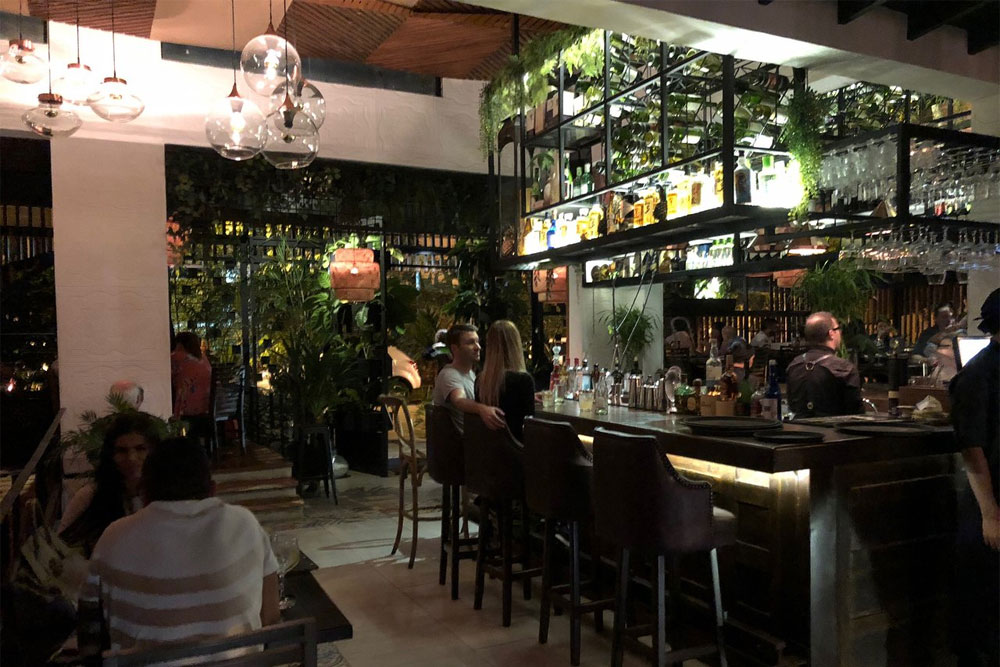
Anyway, eventually she let us have it and it did indeed have a nice terrace and view , although the room itself was not nearly so spectacular and had no armchair. We sat on our terrace for a couple of hours and then went off down the road to the restaurant zone. We had a very nice meal with a good view over tropical vegetation at Botanico. Back to the hotel, and we sat in the armchairs outside our room reading for a while .
Let us not beat about the bush. This is not a hotel , it is an up market B&B. They only serve breakfast, and the staff are difficult to find at other times.
As befits an up market B&B , the bedrooms are well and tastefully decorated. But many of the rooms face the road, and do not give the guests in these rooms the benefit of the greenery at the other side of the house shown in PR photos
Also, as with a B&B, there is little service outside breakfast. To get a drink or a coffee borders on the impossible. They really do not want you sitting in the public areas in the evening.
The breakfast is reasonable, without being outstanding (one would expect an outstanding breakfast at this end of the market). Whatever the theory is on choice offered, in practice the staff serve what they wish to serve. Service is slow
It really is the staff (or perhaps the lack of them) that let this place down. Young staff, poorly trained, find it easier to avoid guests , rather than serve them. And when they do come face to face with a guest, are unable to cope with whatever situation they are expected to cope with.
I note on TripAdvisor that these are not just my views, and most 2024 reviewers have reached the same conclusion. I would hope that the management (wherever it is hiding) takes note of the 2024 reviews and remedies the deficiencies before their business disappears
Click on any of the thumbnail photos for a larger version
 |
 |
 |
 |
 |
 |
 |
 |
 |
 |
 |
 |
Eating out in the Restaurant District
Click on any of the thumbnail photos for a larger version
 |
 |
 |
 |
 |
 |
 |
 |
Medellin day tour
Very good, breakfast outside, but with little empathy from the server. We left for a four hour trip of the city at 9 am, guide being Oinda: He spoke well, too much, too many diversions, but in the end, we managed to come to terms with this.
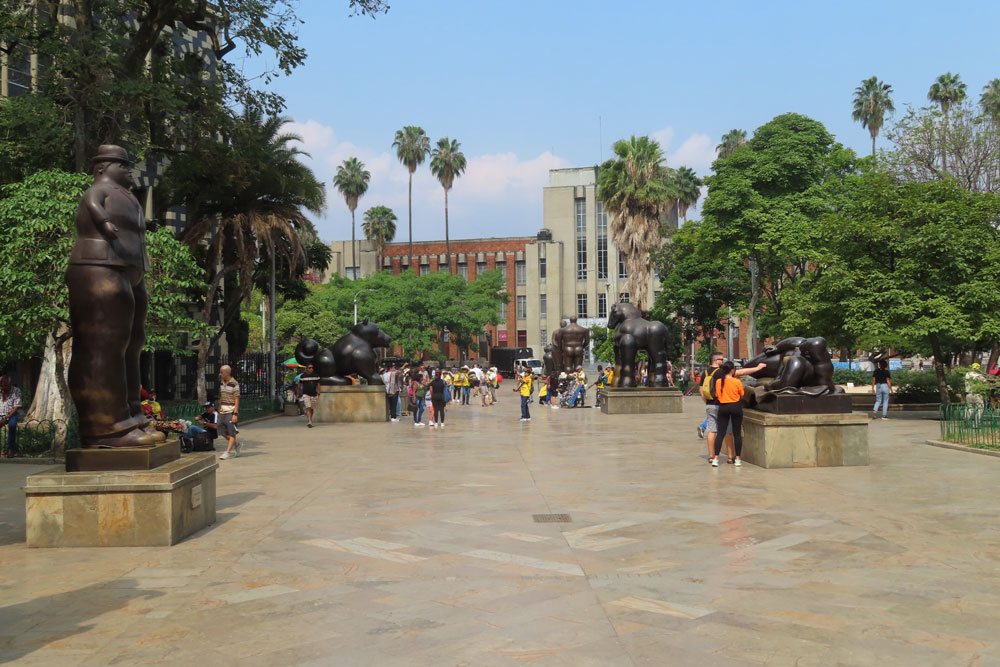
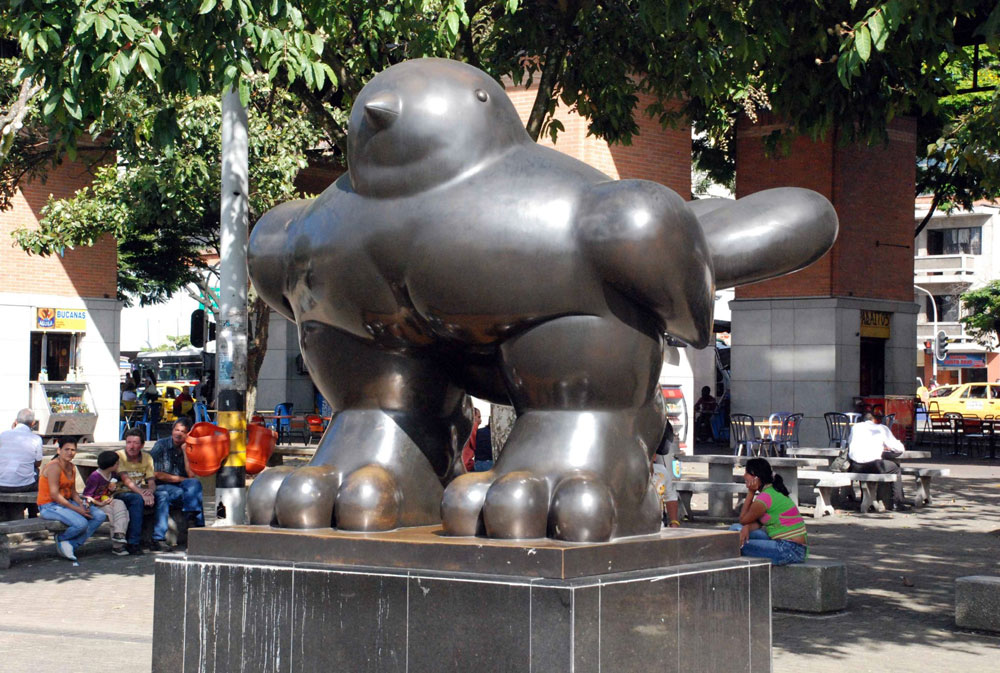
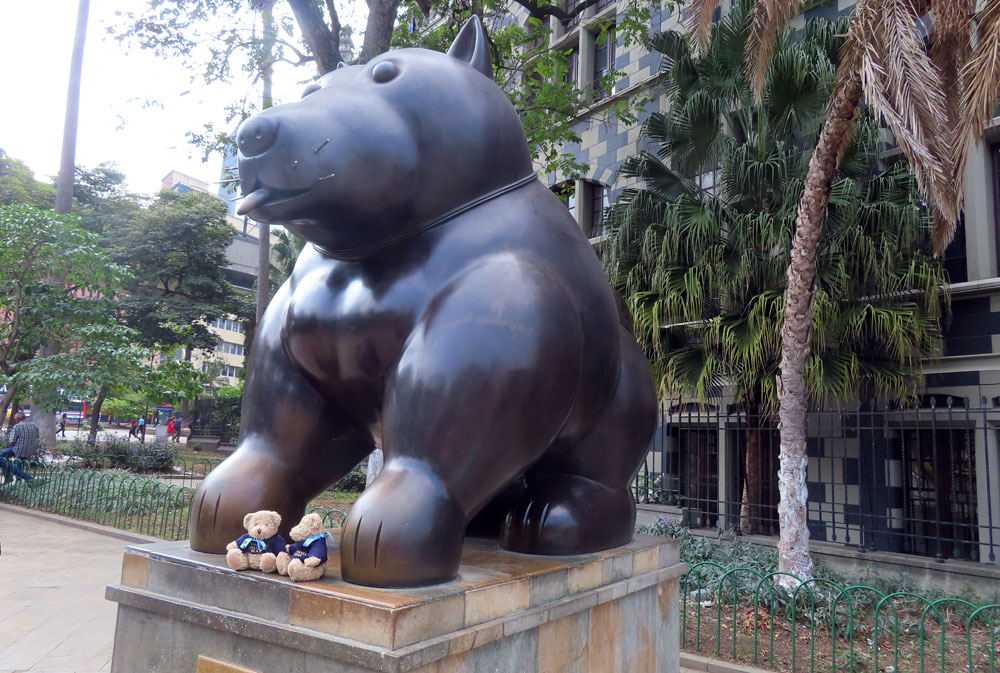
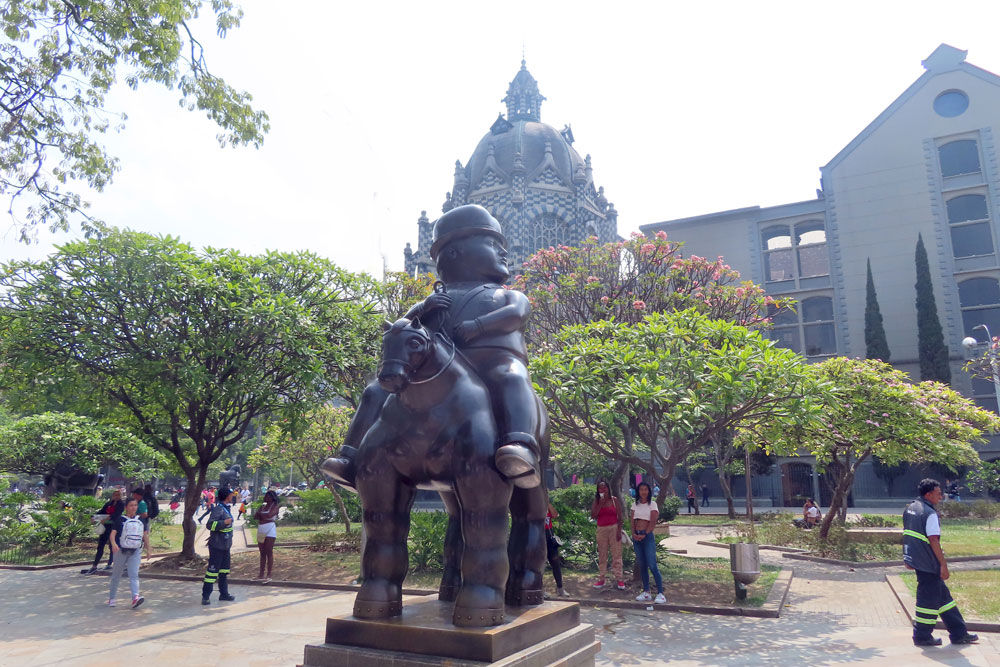
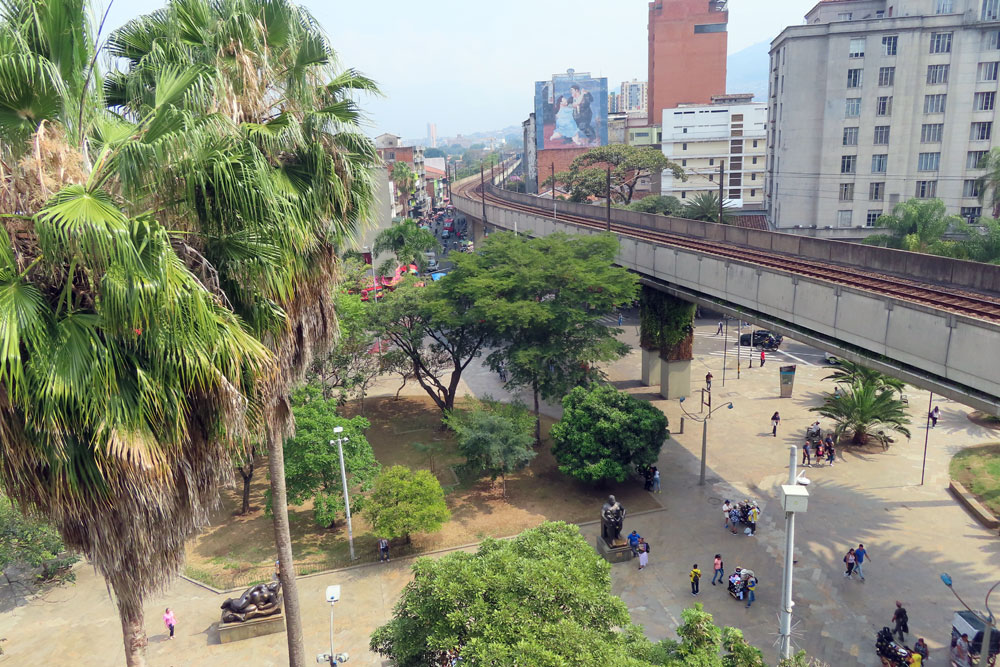
We drove to the city centre , where the park contained 24 statues sculpted by a famous son of the city, Botero. Fernando Botero Angulo (1932 – 2023) was a Colombian figurative artist and sculptor. His signature style, also known as "Boterismo", depicts people and figures in large, exaggerated volume, which can represent political criticism or humour, depending on the piece. He was considered the most recognized and quoted artist from Latin America in his lifetime, and his art can be found in highly visible places around the world, such as Park Avenue in New York City and the Champs-Élysées in Paris.
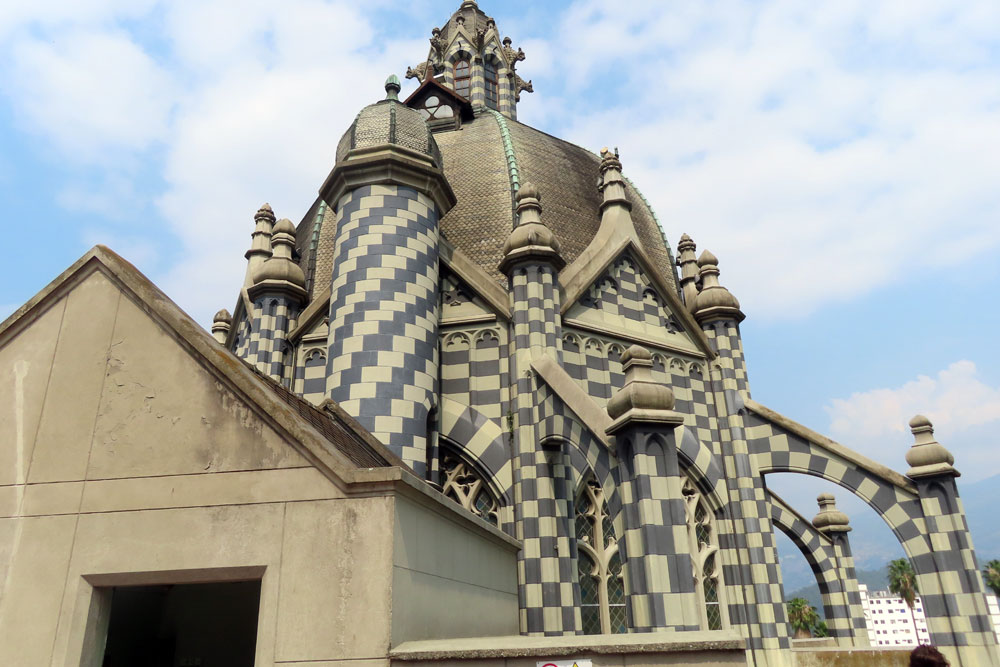
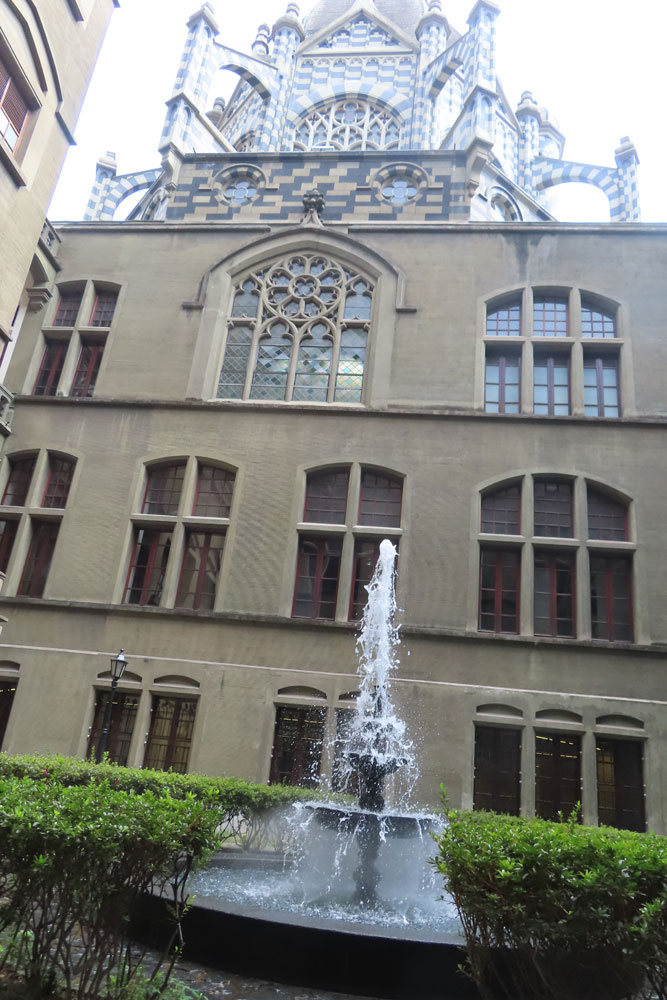
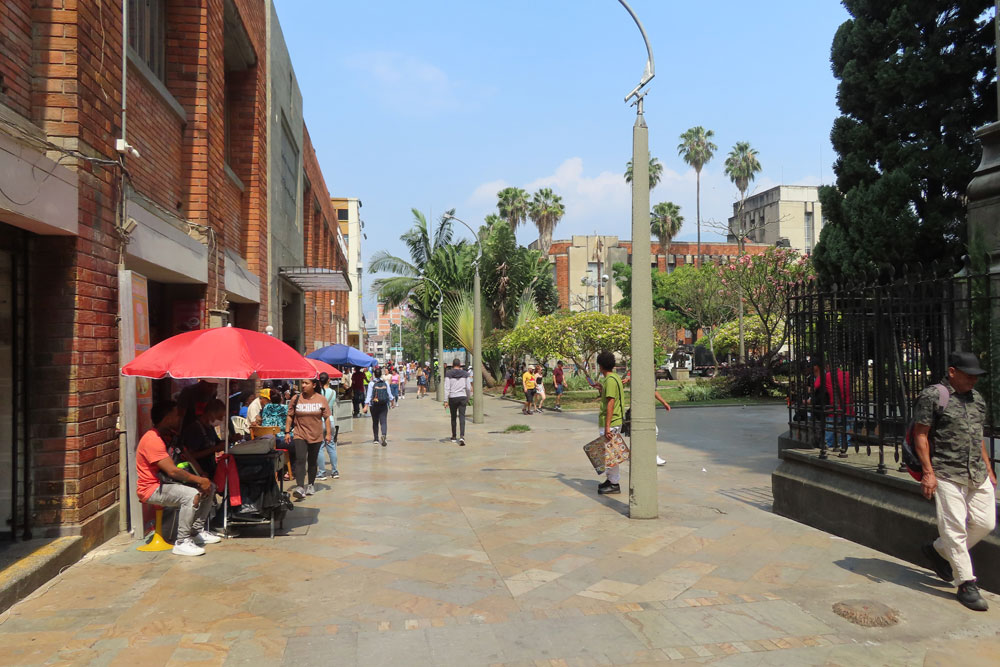
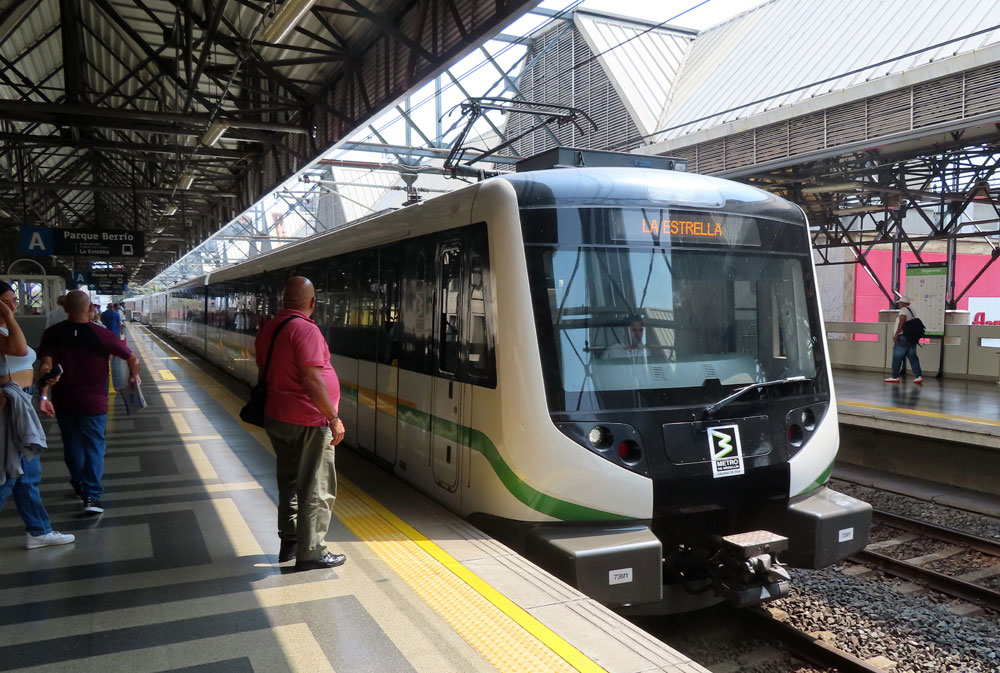
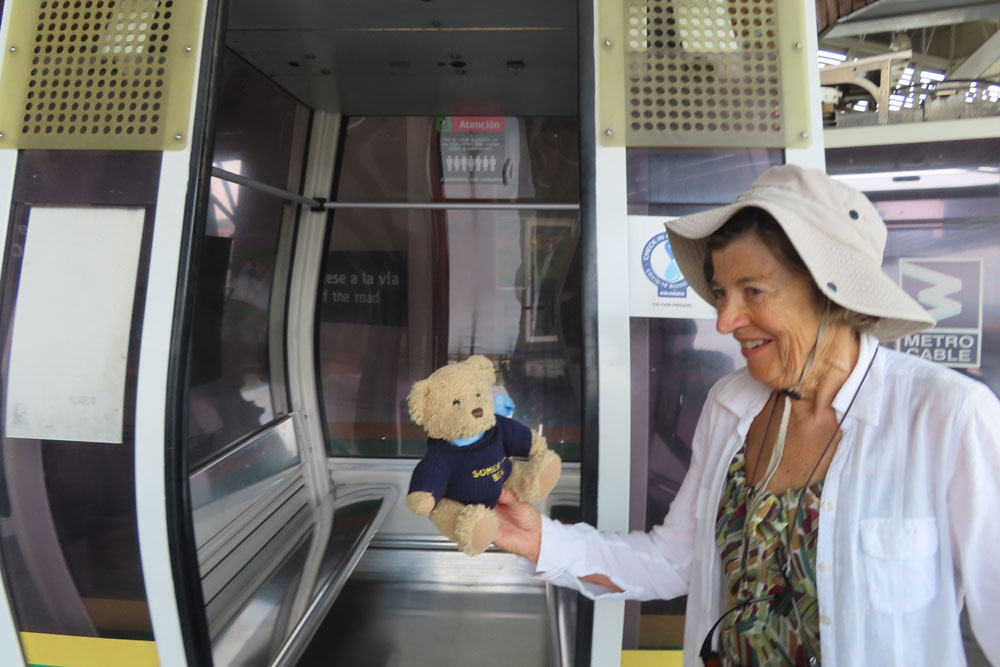
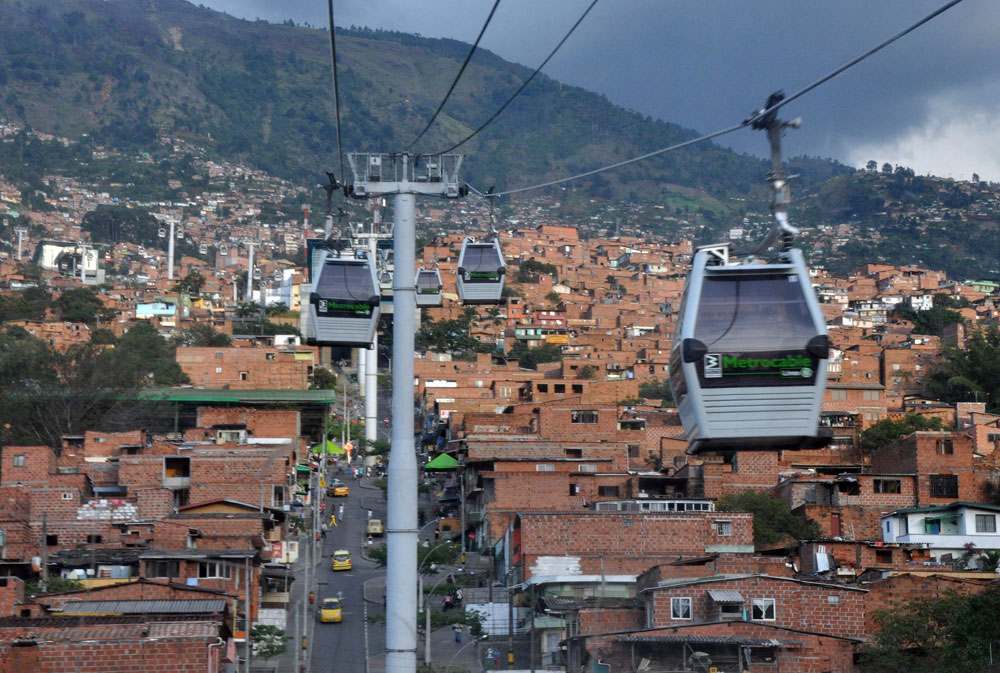
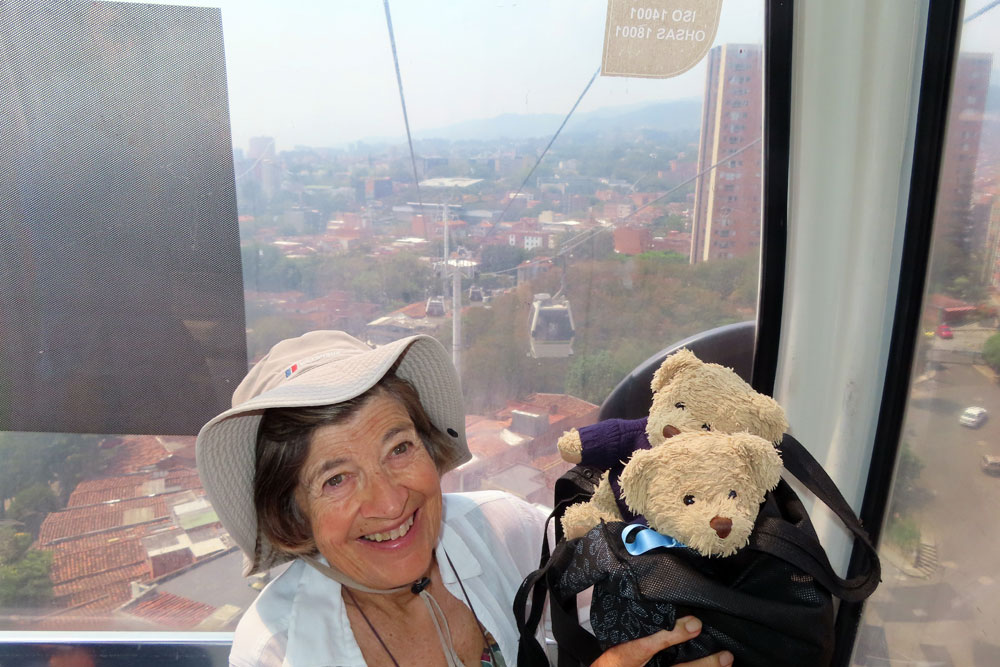
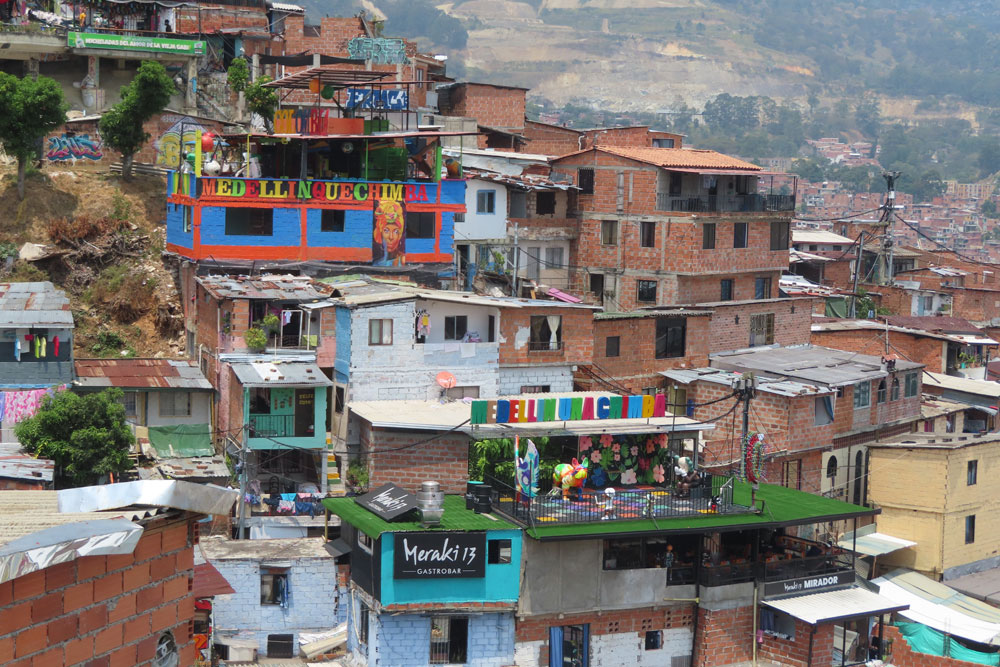
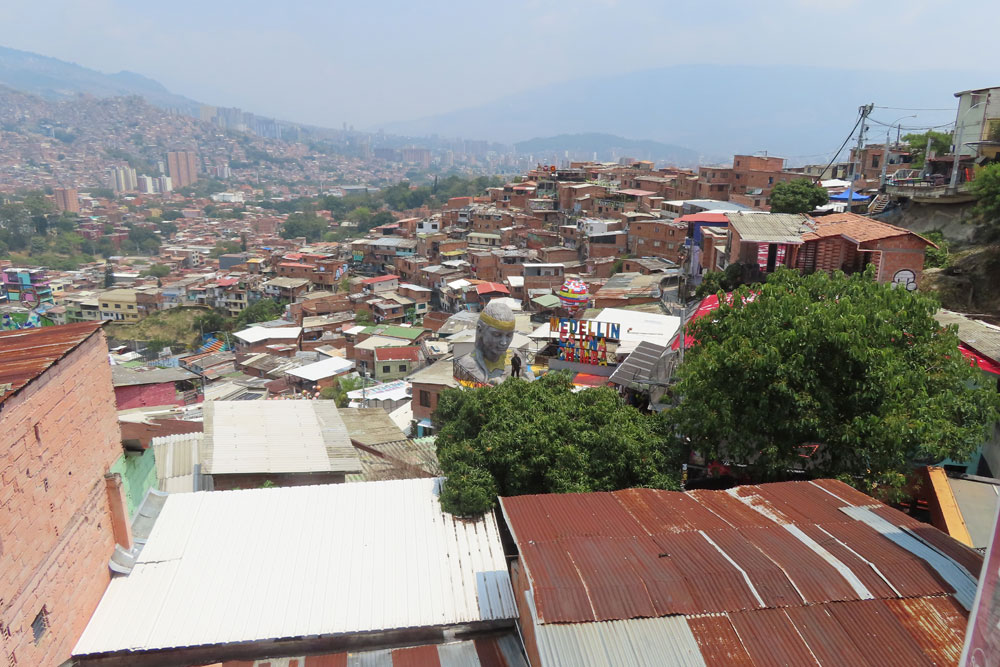
Then we entered the old City Hall where there were still offices and rooms available for the people of the city to attend classes et cetera. From here we got onto the Metro and then onto the cable car took us over the barrios. Right up an over a hill to the other side of the valley, and back to the starting point. Our driver Rodrigo picked us up and we drove to the once so troubled barrio where there had been so many killings up until 1993, when the drug Baron , Escobar, had been killed.
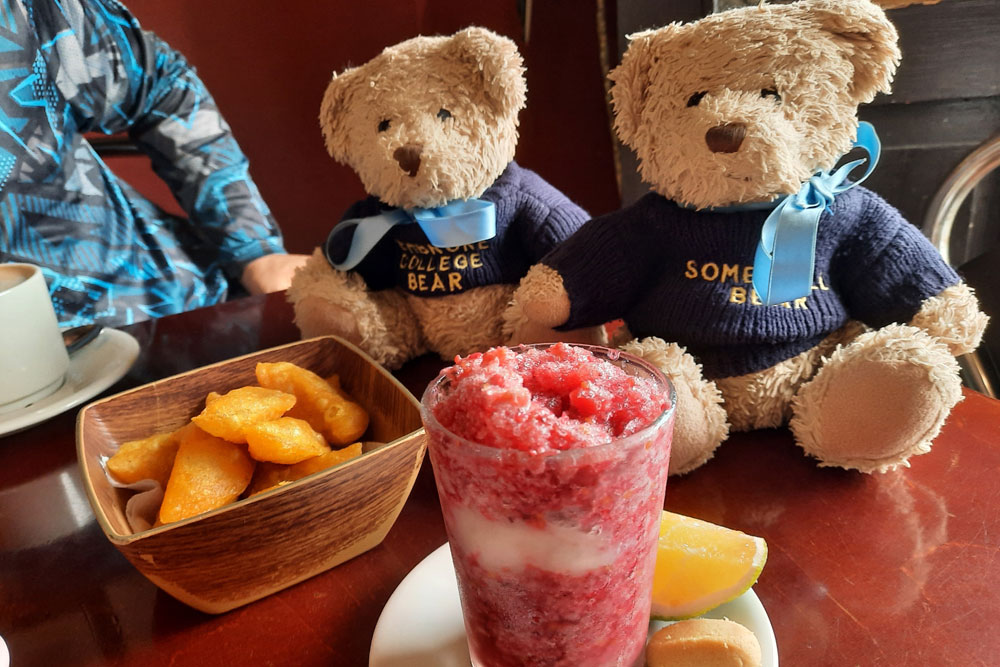
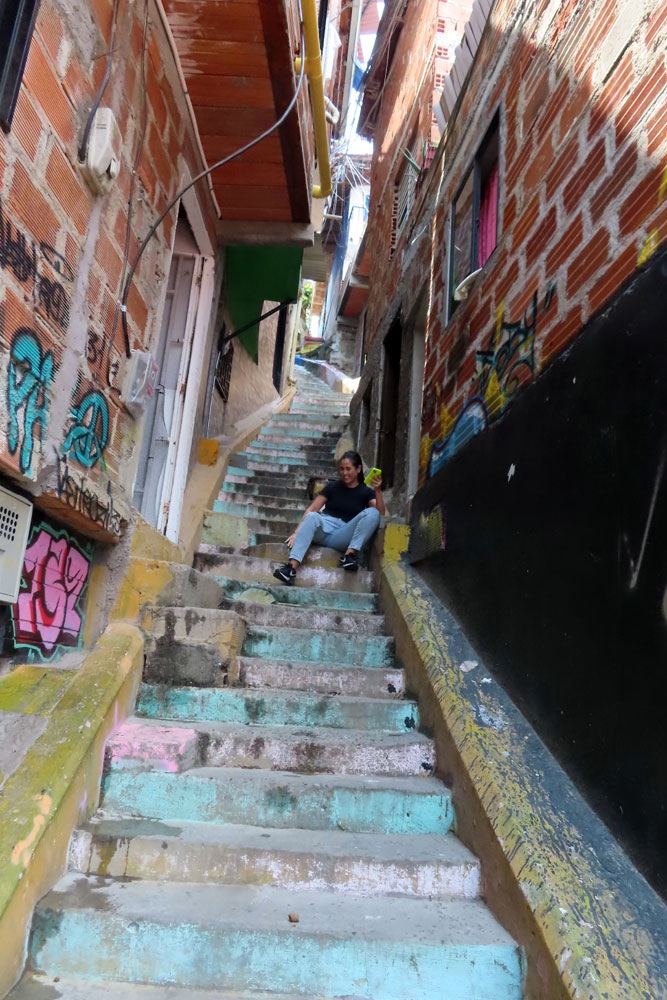
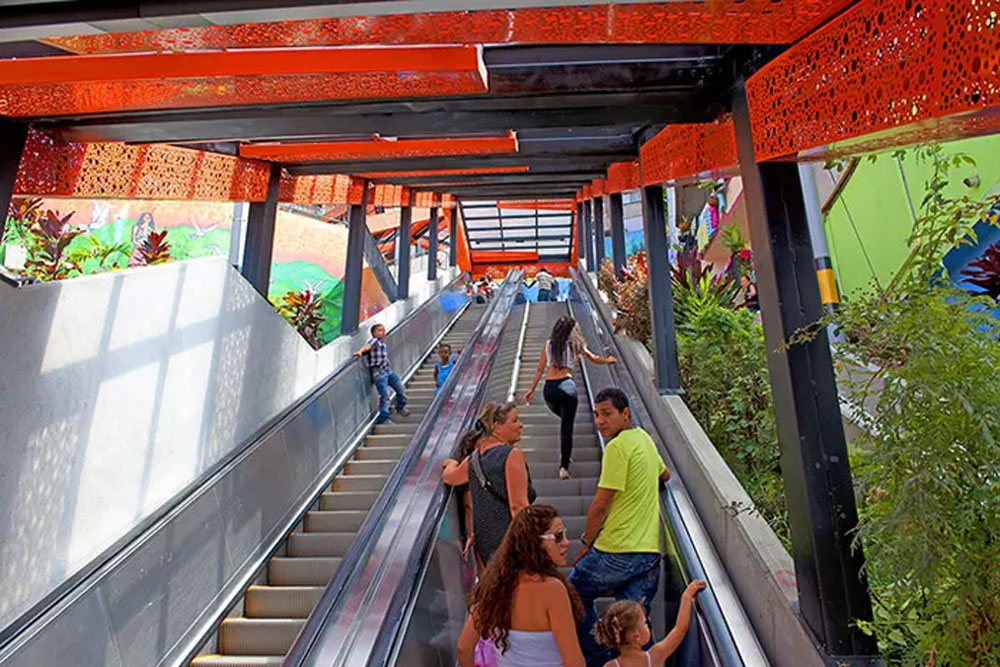
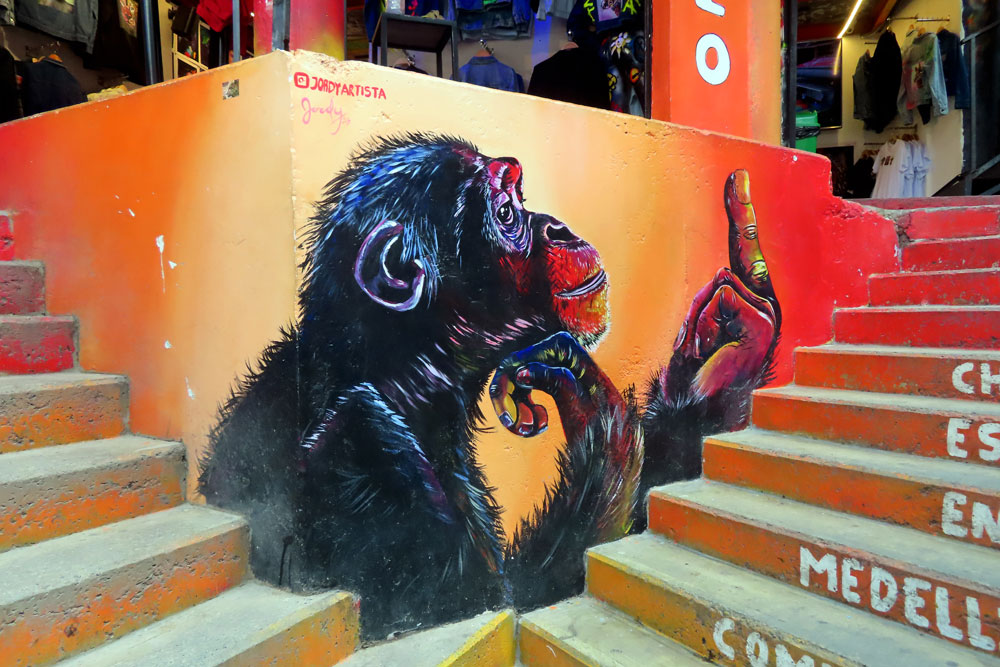
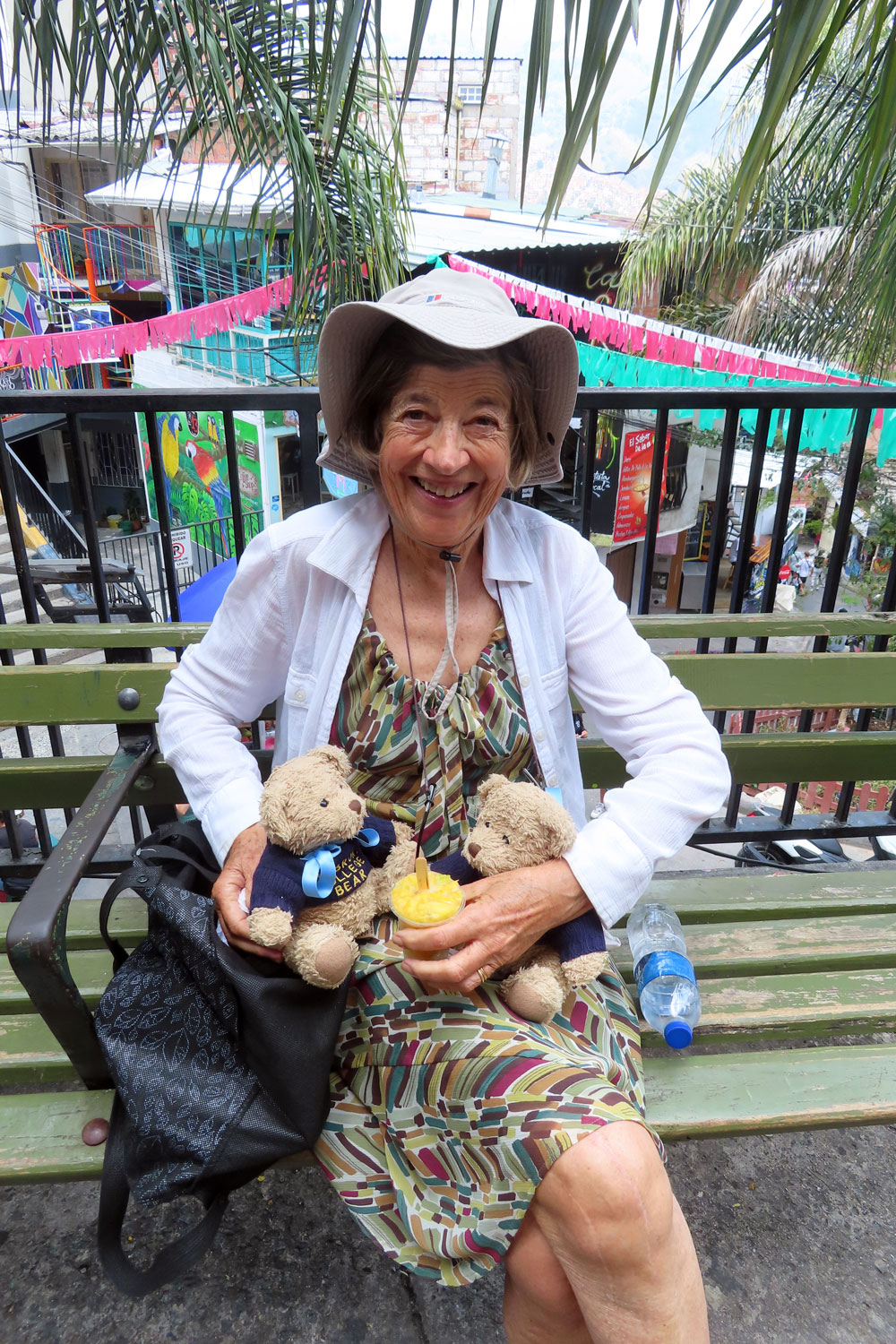
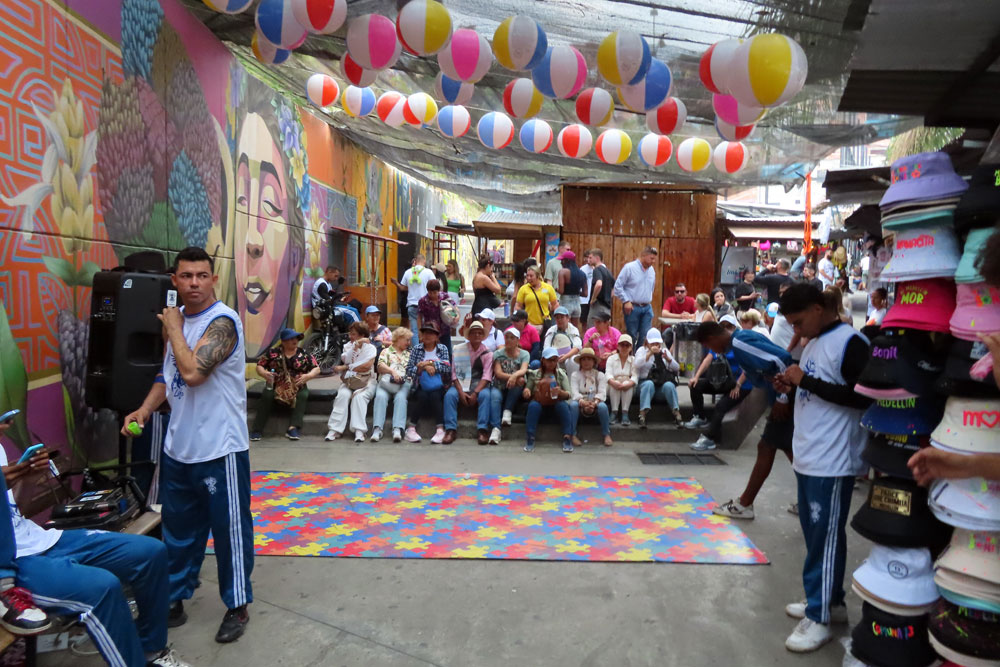
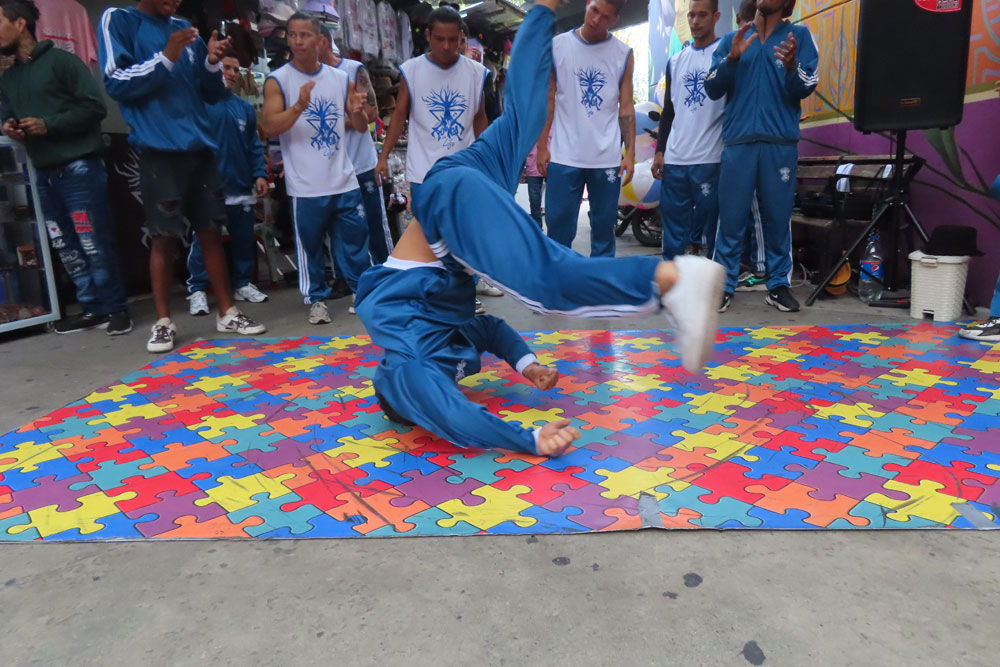
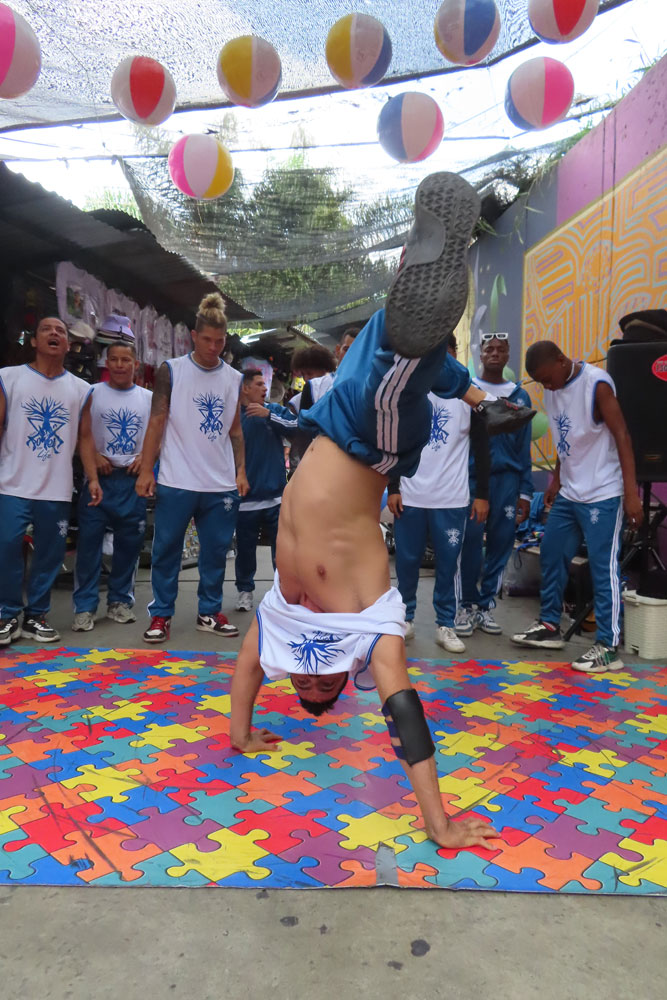
In the last eight years, this area has been transformed and is now tourist friendly. But still very poor. We saw the" famous" outdoor escalators, had a super Maracuya ice and watched a very energetic acrobatic show by about a dozen young men, quite extraordinary what positions they could reach, but also very noisy. We were back at the hotel by 1 pm and enjoyed eating the cold fettuccine that I had failed to eat the previous night.
Around 3.30, we went for a walk down to the restaurant area, and on the way back stopped for a mango shake and half an almond croissant. Then we read till about six when we went out to the lounge and had a mango tea. Later on we had another snack in our room with a rum and Coke
Click on any of the thumbnail photos for a larger version
 |
 |
 |
 |
 |
 |
 |
 |
 |
 |
 |
 |
 |
 |
 |
 |
Metro & Cable Car up to the renewed Comuna 13
Click on any of the thumbnail photos for a larger version
 |
 |
 |
 |
 |
 |
 |
 |
A walk on the dark side
In the 1980s and 90s, Medellin experienced the most difficult moments in its recent history, high unemployment rates, violence and the continuous expansion of informal settlements. With the collapse of industries in the city, the illicit drug market emerged. The slum neighbourhoods became areas ripe for recruitment for the violent efforts of drug cartels and for the hiding of illegal groups that were fighting the Government in the long, undeclared civil war in Colombia. The low police presence and the lack of public investment, high unemployment rate, and the high levels of poverty turned the slum settlements of the city into territories controlled by illegal groups. The resurgence of the city over the last decade is the result of the collective efforts to improve the lot of people living in these areas. The city made large investments in public works, such as cable cars, educational and cultural facilities, and urban projects in the poorest of the areas.
We visited the infamous Comuna 13th, located on the western side of the city of Medellin. It has an area of 450 hectares and a population of 145,000 inhabitants. Nearly 60% of this territory is slum urbanisation and this had resulted in deterioration of natural resources, reduced mobility, absence of public spaces and facilities, little institutional coverage and poverty . However, the most distinct feature of this district has been violence. Between 2003 and 2012, more than 1,200 murders occurred, and in 2010 the homicide rate reached 172 violent deaths per 100,000 inhabitants ( the figure for New York is 6 per 100,000). These circumstances made Comuna 13 one of the most segregated areas in the city. The combination of lack of infrastructure and insecurity was the motivating factor for the city to implement the plan to improve the area
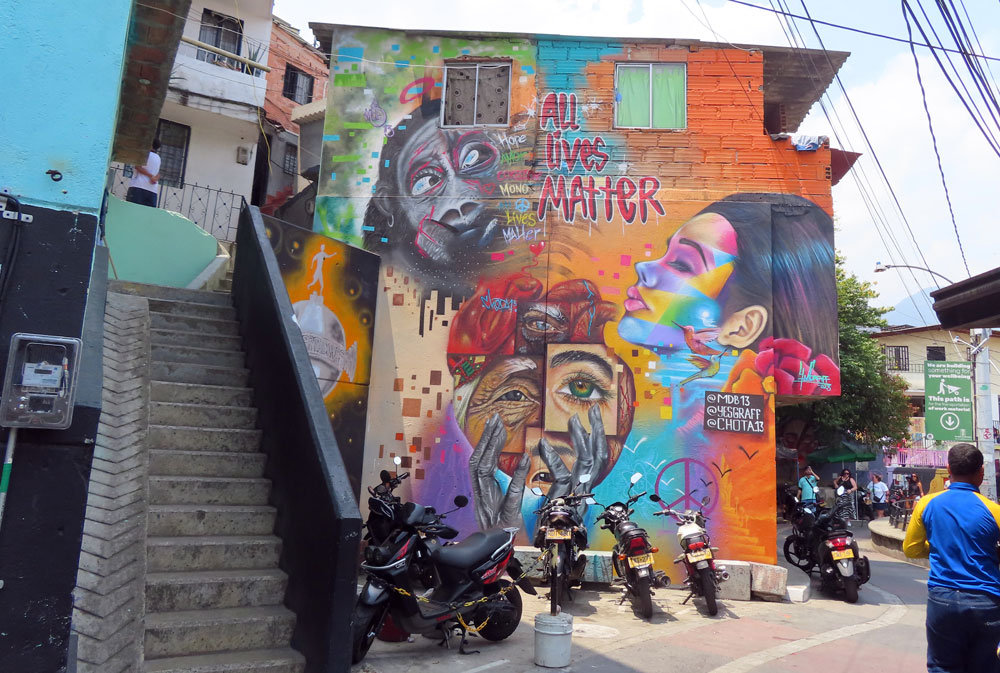
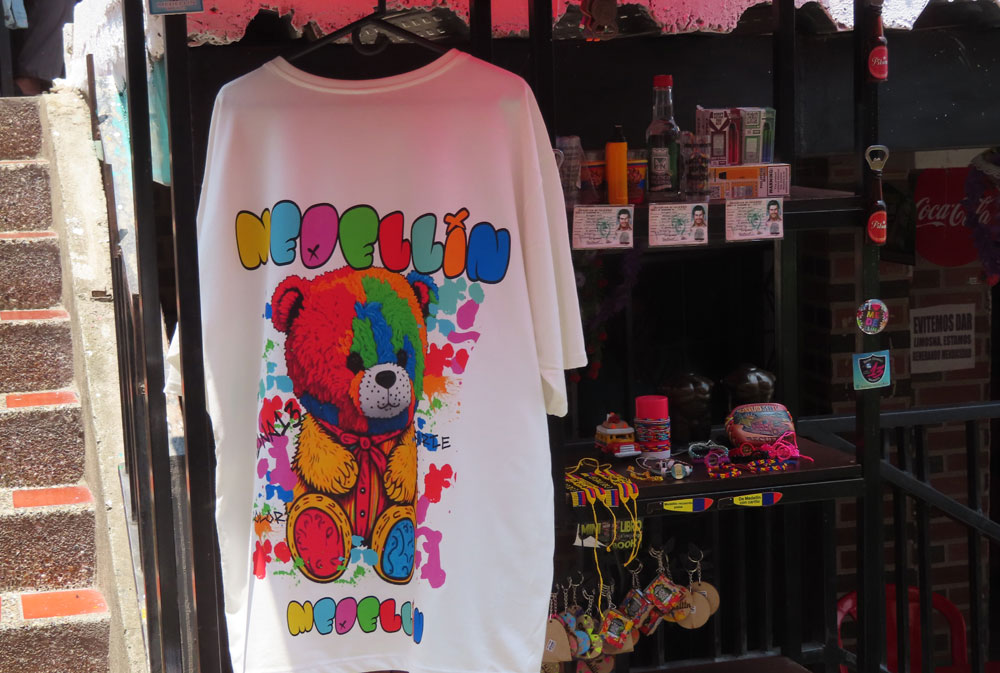
Since the beginning of the improvement plan, the escalator project has led to the arrival of visitors from all over the world. Initially academics studying the rebirth of the city. Later on, tourists have been interested in learning about new expressions of “urban art”. The constant arrival of visitors to this place and the economic resources they bring with them have become an opportunity for economic growth. Local entrepreneurs started up small shops like the sale of souvenirs, typical foods or drinks and through a new offer of specialised cultural and artistic services called the Graffitour. During these tours visitors learn, through urban art, the history of resilience and hope of the Comuna 13 residents. Groups of local artists converge through murals, music, and dance, the stories of poverty, violence, physical transformation, and social rebirth that lived in this area during the last decades.
Children’s slide in the Parque Infantil Sergio Céspedes, constructed to commemorate Sergio Céspedes, a young boy killed by a stray bullet in the violence that engulfed Comuna 13 during the late 1990’s and early 2000’s.
Click on any of the thumbnail photos for a larger version
 |
 |
 |
 |
 |
 |
 |
 |
 |
 |
 |
 |
A busking dance group
Click on any of the thumbnail photos for a larger version
 |
 |
 |
 |
Trip to the San Ellena flower village

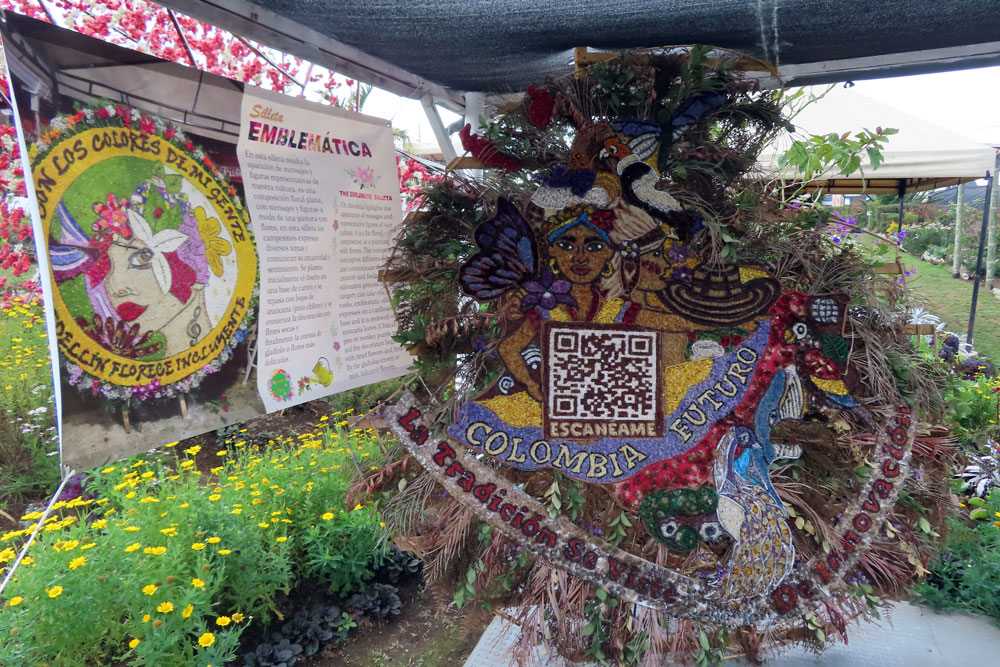
It all leads up to the annual Flower Festival in Medellin
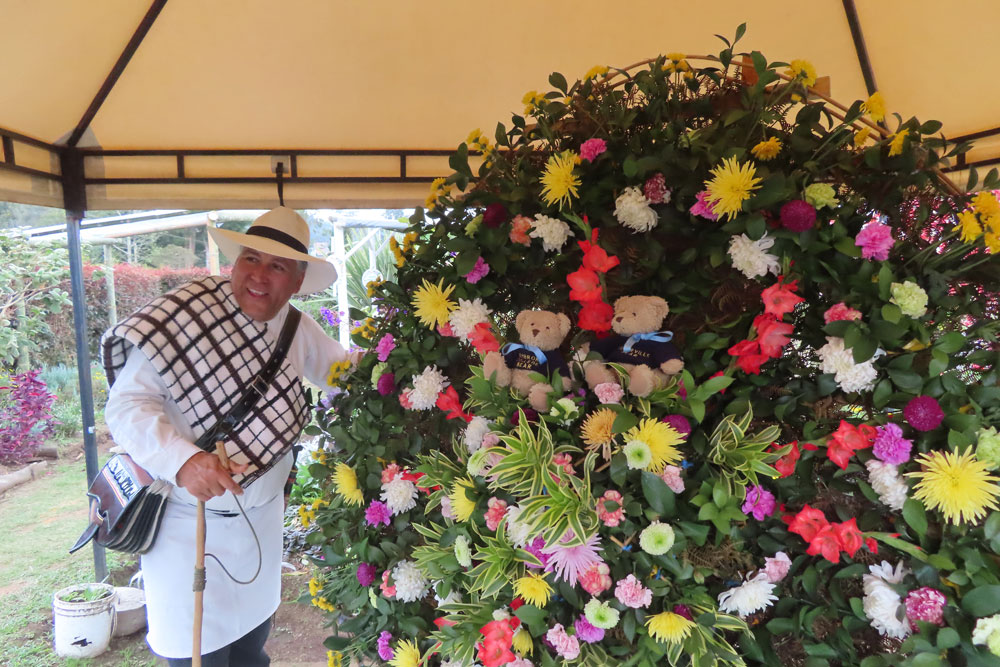
After good breakfast and we set off at 9 am to San Ellena, a town about an hours drive from the city. San Ellena's claim to fame was flowers. Each year in August, there is a flower festival in the city and the people from San Ellena, descendants of Basque settlers, compete in five categories to be the champions of their craft, We were welcomed by Don Ignacio in his impressive costume. He was multilingual and gave us a very good description of his world. In a mixture of easily understood Spanish and English. Looking the photos afterwards, one can see that he has practiced and honed his smile over the years
He took great pride in his profession, being of the sixth generation to practice it. The plants and flowers were truly wondrous and it was quite fascinating how they were made into large and heavy arrangements. These were carried on their backs like the elderly and infirm used to be carried over the Andes in Sedan chairs.
A French couple arrived and here Ignacio was not quite so professional in trying to do two tours at once in French and English and Spanish
Click on any of the thumbnail photos for a larger version
 |
 |
 |
 |
 |
 |
 |
 |
 |
 |
 |
 |
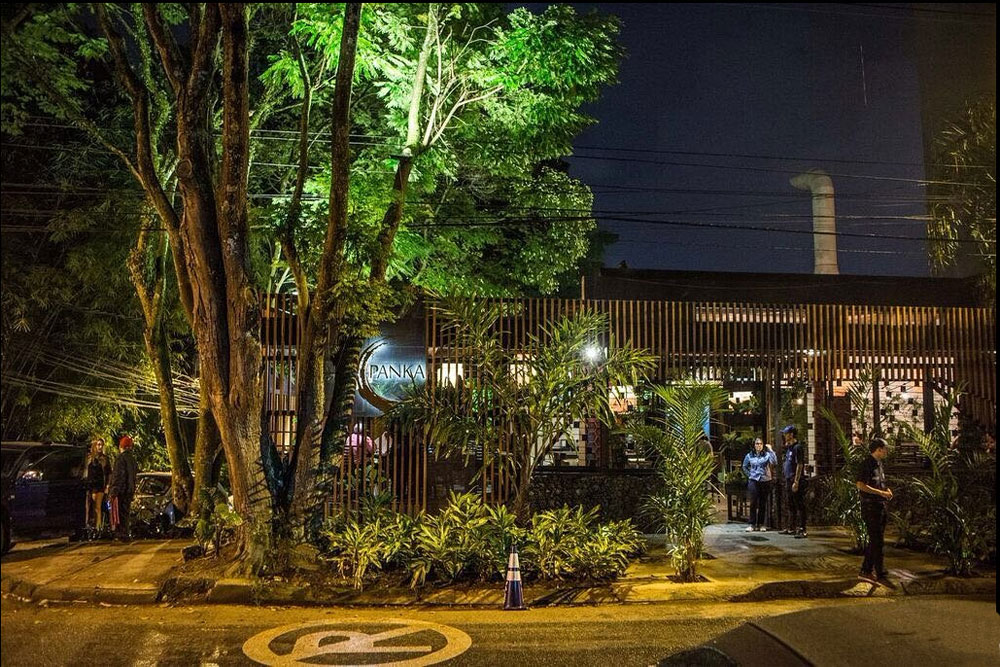
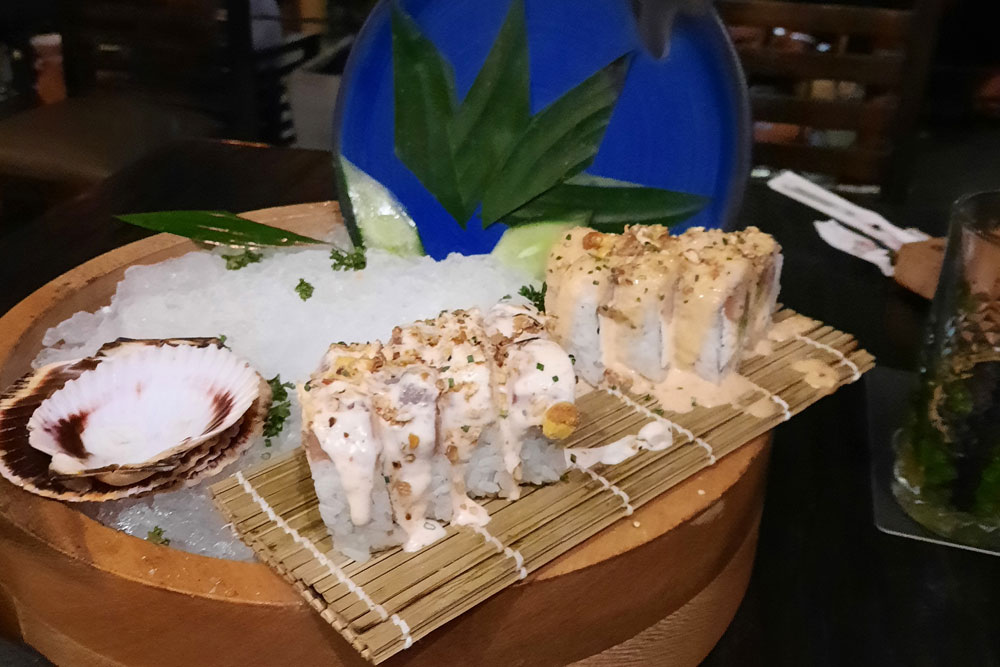
Back at the hotel we read for awhile and then went exploring, stopping off again on the way back for a mango juice and cake. Chris then washed her hair and had a siesta before having tapas and going out for a meal at 7:30. We had sushi in the Panka restaurant. , An interesting experience with exceptional presentation. We then had a coffee back in the hotel before retiring.
Next morning we had breakfast prompt at 7.15, although The hotel were not quite so prompt, and left at 8:15. We were at the airport by 9 and security line 9.30, again struggling with the self checking machines. An Avianca flight to Bogota and we were in Bogotá Soon after noon.
We had some Colombian pesos left over. So we had a lunch of club sandwich and maracuya juice. The flight to Quito left at 3 and took two hours.