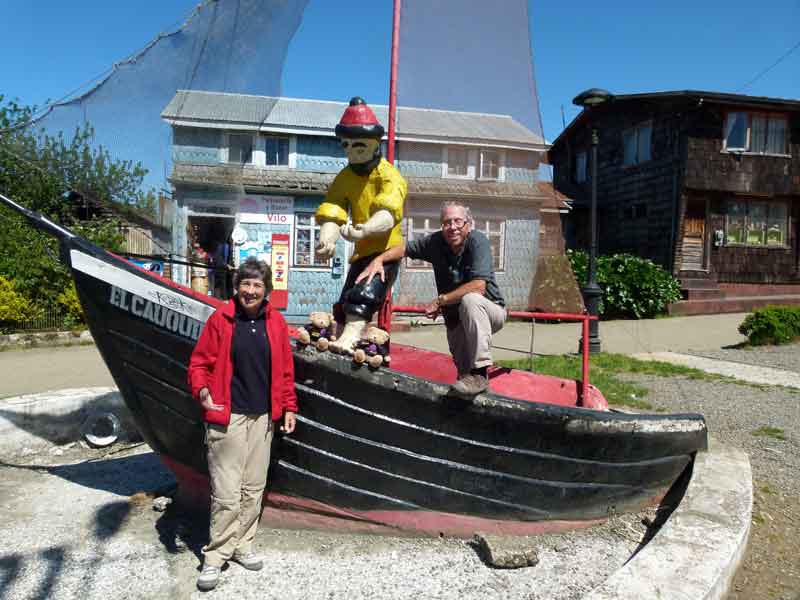
Chiloe is 190 km from north to south, and averages 55–65 km wide. The capital is Castro, on the east side of the island; the second largest town is Ancud, at the island's northwest corner, and there are several smaller port towns on the east side of the island, such as Quellón, Dalcahue and Chonchi.
The first Spaniard to sight the coast of Chiloé was the explorer Alonso de Camargo in 1540, as he was travelling to Peru. In 1558, Spanish soldier García Hurtado de Mendoza began an expedition which would culminate in the Chiloé archipelago being claimed for the Spanish crown. The city of Castro was founded in 1567. The island was originally called New Galicia by the Spanish discoverers, but this name did not stick and the name Chiloé, meaning “place of seagulls” in the Huilliche language, was given to the island.
Jesuit missionaries to Chiloé Island arrived on Chiloé at the turn of the 17th Century and built a number of chapels throughout the archipelago. By 1767 there were already 79, and today more than 150 wooden churches built in traditional style can be found on the islands, many of these declared World Heritage Sites by UNESCO. Following the expulsion of the Jesuits in 1767, the Franciscans assumed responsibility for the religious mission to Chiloé from 1771.
Chiloé only became part of the Chilean republic in 1826, eight years after independence and following the two failed campaigns for independence in 1820 and 1824. From 1843, a large number of Chilotes (as inhabitants of the island are called) migrated to Patagonia in search of work, mainly in Punta Arenas, but as living and working conditions in Chiloé improved in the following century this migration began gradually to decrease.
Click on any thumbnail photo to get a larger picture
 |
 |
 |
 |
 |
 |
 |
 |
 |
 |
 |
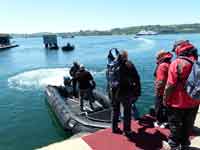 |
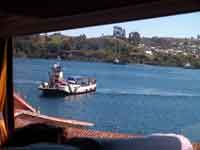
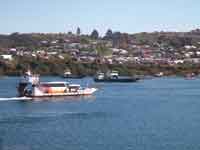
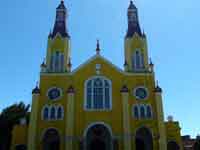
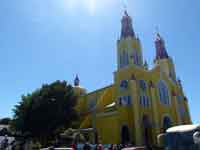
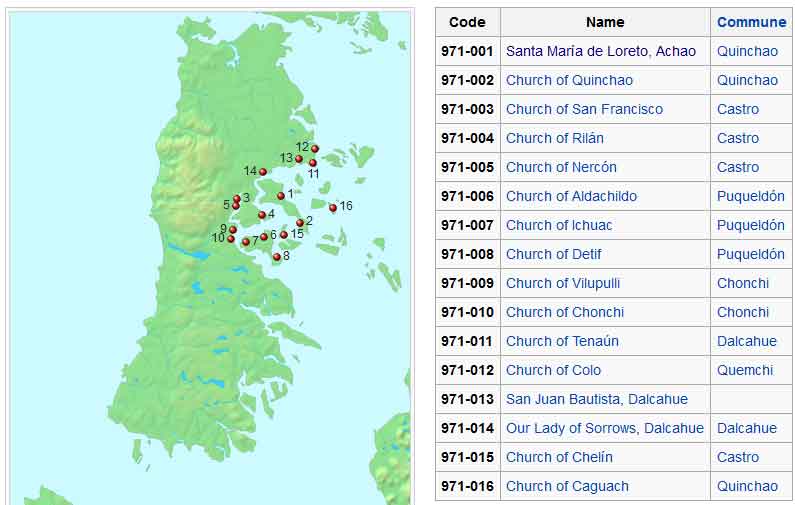
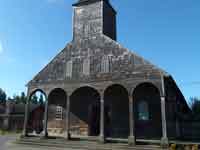
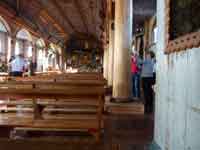
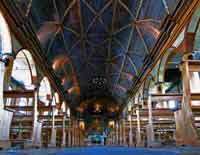
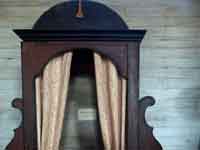
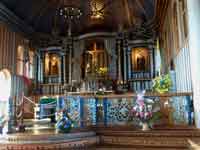
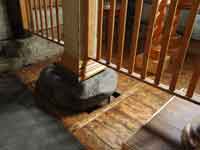
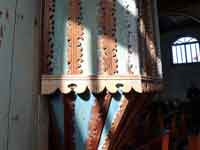
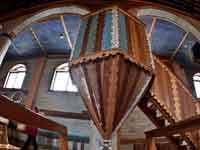
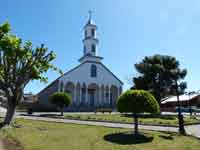
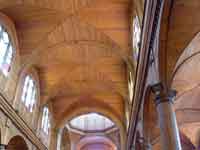
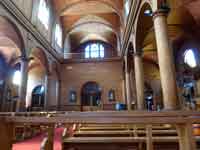
16 of the wooden churches are listed on the World Heritage List, all around Castro. We visited Santa Maria de Loreto at Achao (as well as the Church of San Francisco in Castro). It involved a ferry crossing to get to one of the outlying islands, but was worth the journey as the church was truly memorable. All constructed by local people without training, and only using wooden pegs- no metal nails were used
The Church of Achao is the oldest wooden church in Chile, and this church and the Church of Quinchao are the only churches that remain of those built by the Jesuits. Construction began around 1740 when the Chiloé Archipelago was still a part of the Spanish Crown possessions, and was completed in 1770 by Franciscan missionaries from Santa Rosa de Ocopa school in Peru following the expulsion of the Jesuits in 1767.
Click on any thumbnail photo to get a larger picture
 |
 |
 |
 |
 |
 |
 |
 |
 |
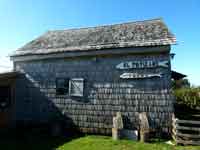
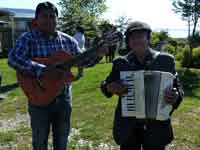
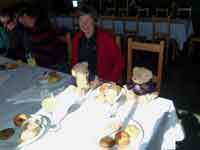
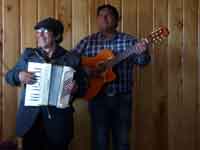
Lunch was on the island , and we were entertained by an accordian player who had just returned from Italy, where he had been plying his skill.
Click on any thumbnail photo to get a larger picture
 |
 |
 |
 |
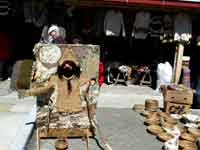
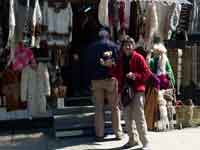
Back on the main island we had a stop to "shop" if we so desired. I bought a large (my wife would say too large) piece of cheese, as Silverseas had not managed to re-supply the ship with any cheese in Valparaiso, and that which they still had, had reached , indeed surpassed, its sell by date.
Click on any thumbnail photo to get a larger picture
 |
 |
 |
 |
 |
 |
The voyage on Silversea Explorer in South America