
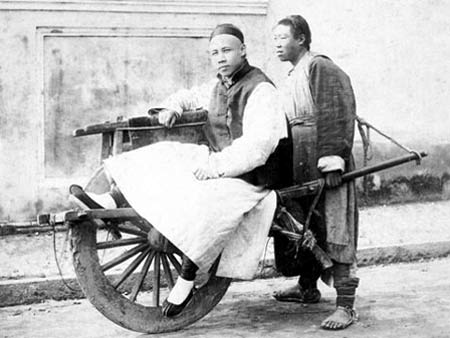
Shanghai is today the largest city in China in terms of population, with around 20 million people. Located near the mouth of the Yangtze River (relatively near, it is some 5 hours steaming up the river). Shanghai in the 19th century became important due to its favourable location and it was one of the cities opened to foreign trade by giving foreigers concessions under the 1842 Treaty of Nanking. The city became a multinational hub of finance and business by the 1930s, though it always rankled the Chinese that they had been forced to make these concessions in the first place. With first the Japanese occupation, then the expulsion of foreigners, then communism, Shanghai declined, until economic reforms in China opened the city up to trade again. Today it is a flourishing modern city.
I suppose I had a bit of the above photos in my minds eye as to what Shanghai would be like - but that was 1930 and today is very different.
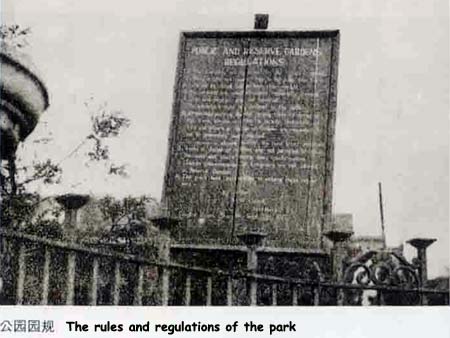
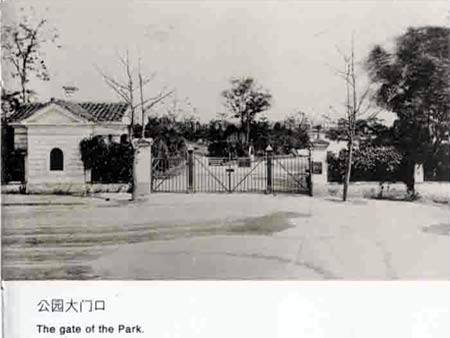
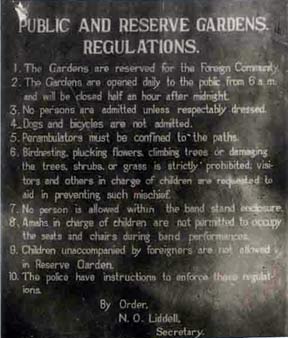
In addition there is the story of the sign saying "No dogs, no Chinese" at the entrance to Huangpu Park. The park was built, paid for, and reserved for the use of Europeans. The sign did not actually say “No dogs or Chinese” but was a list of ten regulations, one of which was that the park was reserved for Europeans, another was that you couldn’t bring your dog, and the other eight were of no importance.

For reasons that I am not quite clear of, but can understand, they seem to have a grudge against the French in Shanghai today.
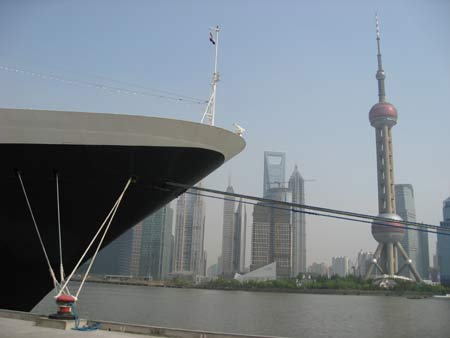

The Volendam moored close to the Bund, and all around were the skyscrapers of Modern Shanghai - skyscrapers of all shapes, colours and designs.


Some of the tallest buildings in the world today are here, and I understand that one going up now will continue to rise till it beats the current record - they intend to build to win.


The Bund is still there, but is dwarfed by the skyscrapers all around it. The buildings are being preserved, and much of the road is being put underground
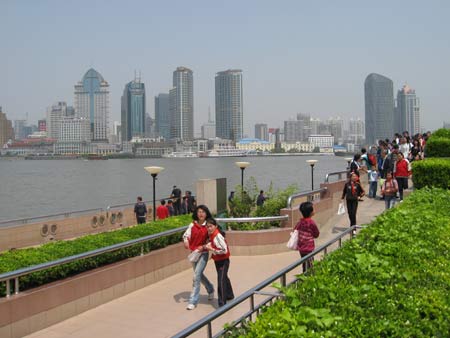

Very popular with school groups, these photographs are taken from opposite the Bund.


The architecture is mainly modern, but the occasional "heroic" statue has still survived.
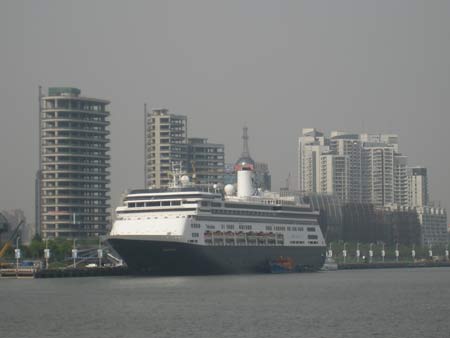

The port for cruise liners is right in the centre of town and was only a 10 minute walk to the Bund. There we joined thousand of Chinese in having our photograph taken with the famous tower in the background


Occasionally the traditional can be seen, as with this river boat come restaurant, but mainly everything is so new that the paint has hardly dried on it.
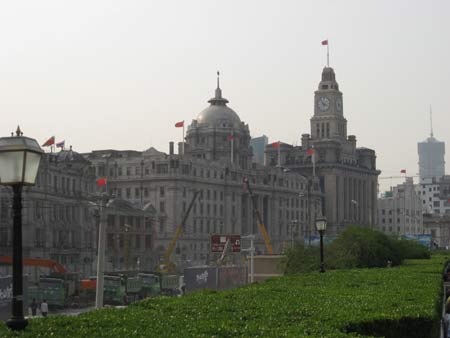

The Bund had construction work going on to put the road underground and pedestrianise the area. The shopping area was all new.


The Shanghai Museum, both by day and by night, is impressive.


And inside the museum contains several floors of well laid out exhibits, all interconnected by a futuristic staircase.
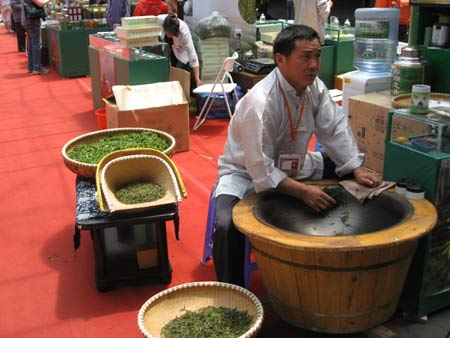
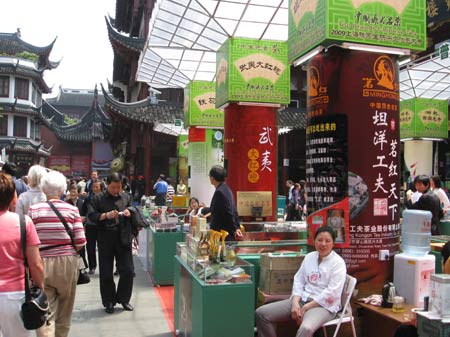
The only "traditional" part of Shanghai is the old "Chinatown" from foreign concession days. This was the most interesting area for us as tourists. It was mainly full of Chinese, so is not just a tourist trap, and although the occasional "tourist tat" shop does exist, the shops are mainly selling things like teas.


The gardens we visited in the Chinatown area were also full of Chinese. Feeding carp is a popular pastime, and the decor goes back centuries.


So from the streets of Chinatown, it was "goodbye Shanghai" and we left as night brought an illumination of many of the skyscrapers. And it was on to Beijing